Blog
 Read the whole article
Selling on Whoppah before the year turns
Whoppah has been the place to sell second-hand design since 2019. This is a seller guide, not a buyer roundup. On 4 September 2026 the live catalogue sat at 174
 Read more
A winter interior, bought second-hand on Whoppah
Whoppah has been a second-hand design marketplace since 2019. On 4 September 2026 the [furniture page](/furniture) held 79,822 buyable listings, with [lighting]
 Read more
A gift guide to second-hand lighting on Whoppah
Whoppah has sold second-hand design since 2019, and lighting is one of the largest shelves on the site. On 4 September 2026 the [lighting page](/lighting) held
 Read more
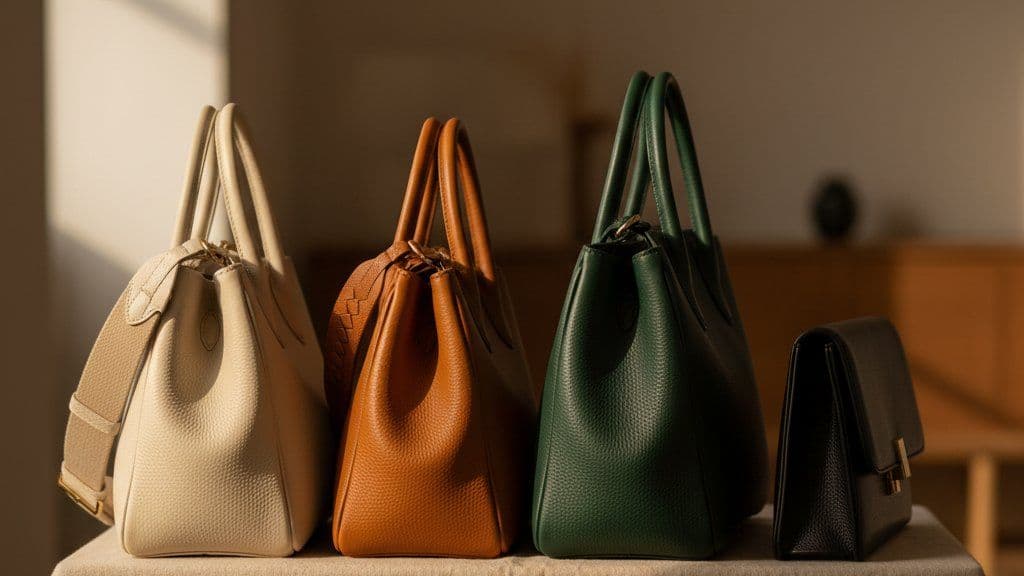
A gift guide to second-hand designer bags on Whoppah
Whoppah has listed second-hand design since 2019, and the bags shelf is the same rule as the rest of the site: every listing is a one-off from a seller, payment
 Read more
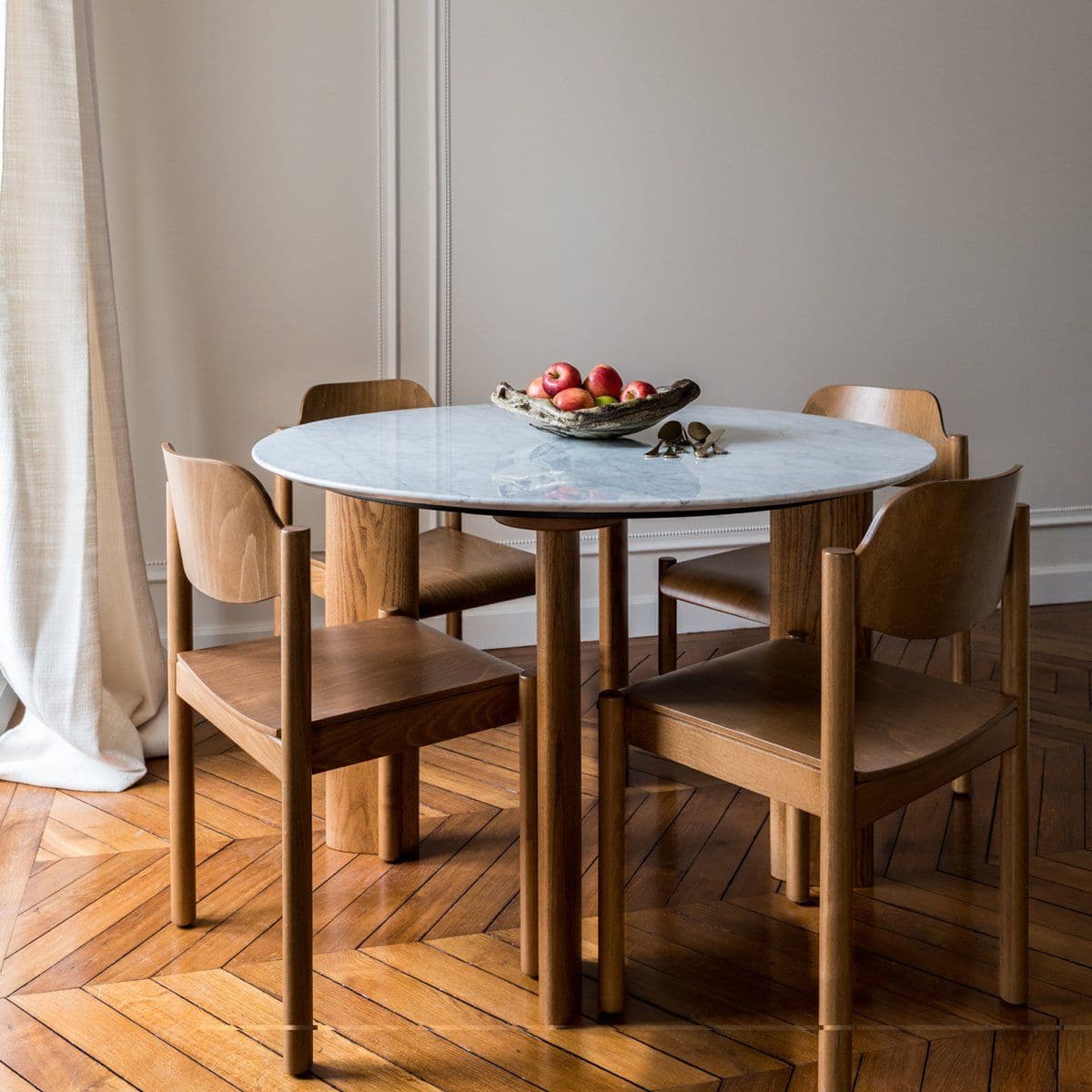
A dining table, set with second-hand pieces from Whoppah
Whoppah has listed second-hand design since 2019. On 4 September 2026 the [tableware page](/tableware) held 8,071 buyable listings, and the [dining tables page]
 Read more
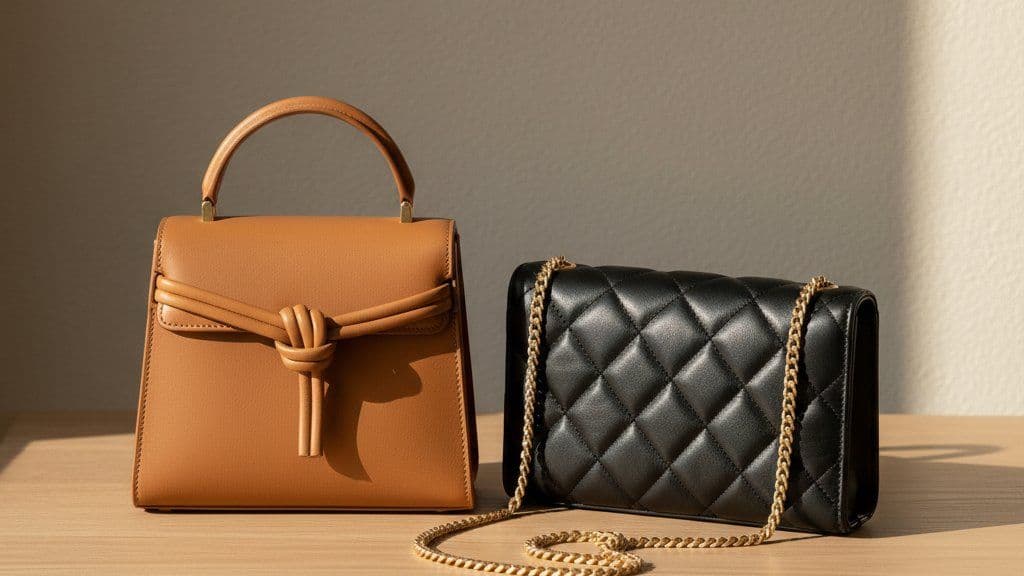
Secondhand Celine and Saint Laurent: My Guide to the Paris Minimalists
Celine Luggage and Triomphe, Saint Laurent Loulou and Sac de Jour, accent era check, checkpoints and live prices. By Whoppah's co-founder.
 Read more
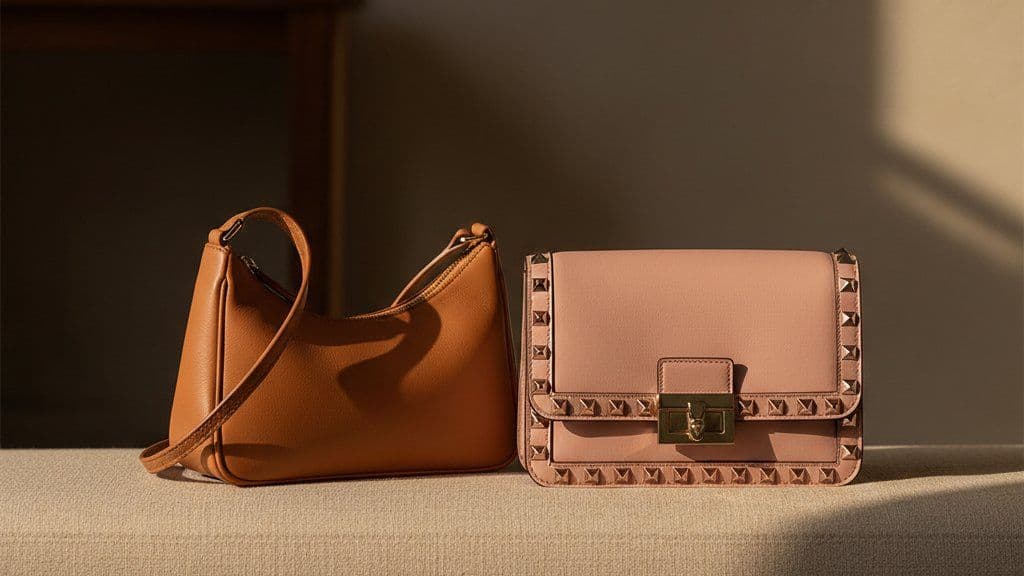
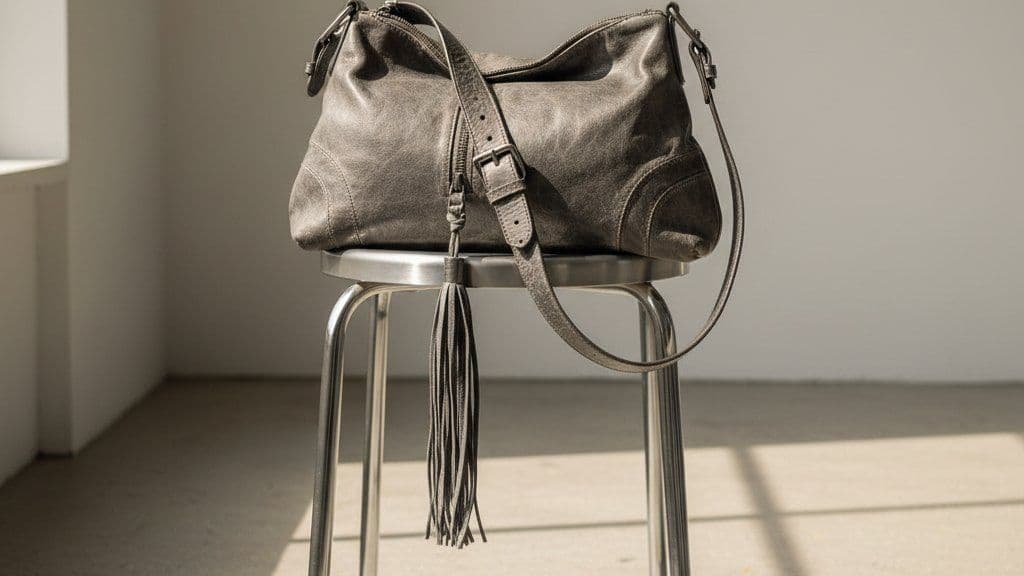
Secondhand Fendi and Valentino: My Guide to Rome's Two Bag Houses
Fendi Baguette and Peekaboo, Valentino Rockstud, the Mario Valentino trap, checkpoints and live secondhand prices. By Whoppah's co-founder.
 Read more
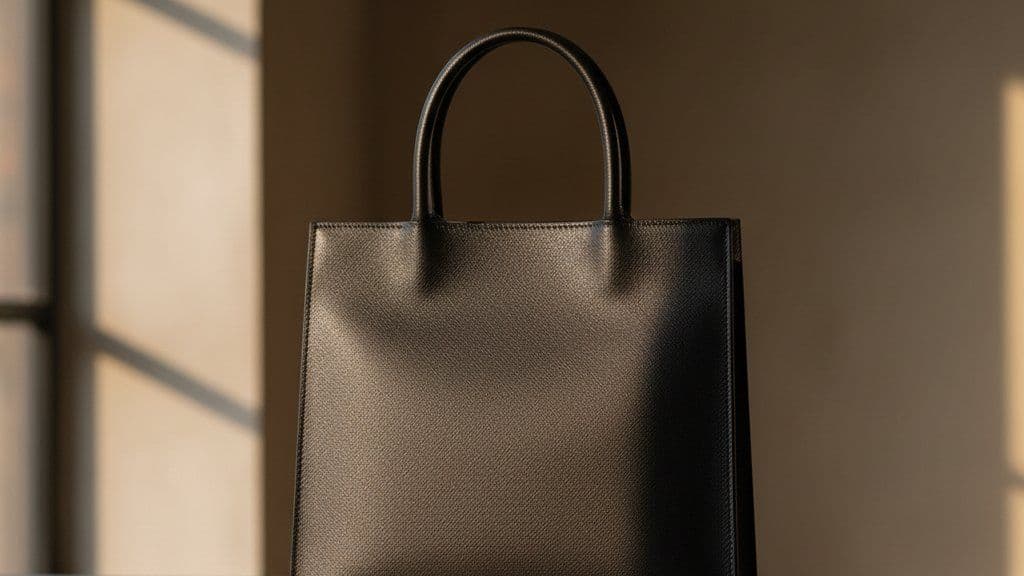
Secondhand Balenciaga: My Guide to Buying, Checking and Pricing the Moto Era
Which Balenciaga to buy secondhand: City and the moto era vs Hourglass and Le Cagole, the checks that matter and prices. By Whoppah's co-founder.
 Read more
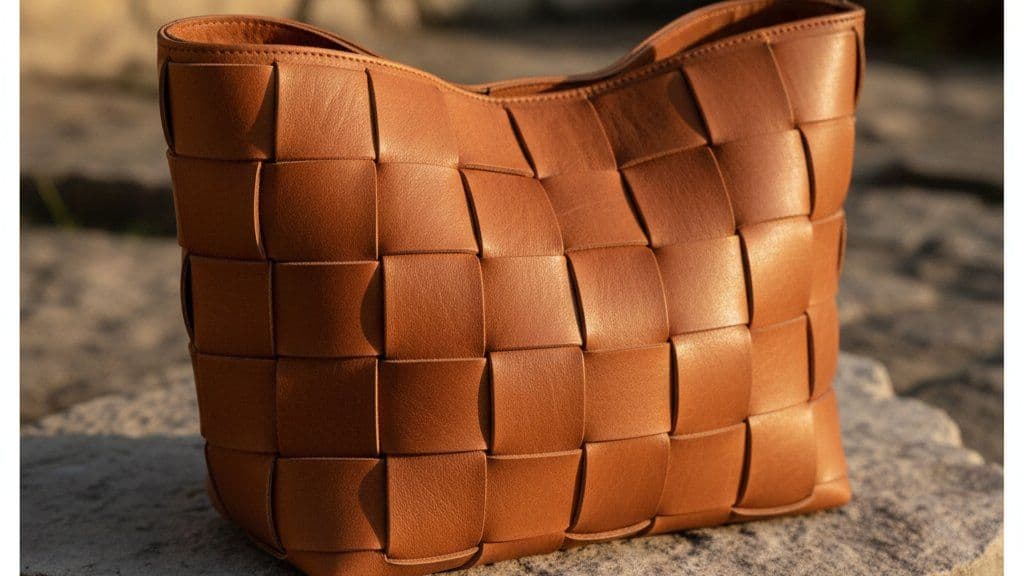
Secondhand Prada: My Guide to Buying, Checking and Pricing Nylon and Saffiano
Which Prada to buy secondhand: Re-Edition nylon vs Galleria saffiano, the checks that matter and current prices. By Whoppah's co-founder.
 Read more
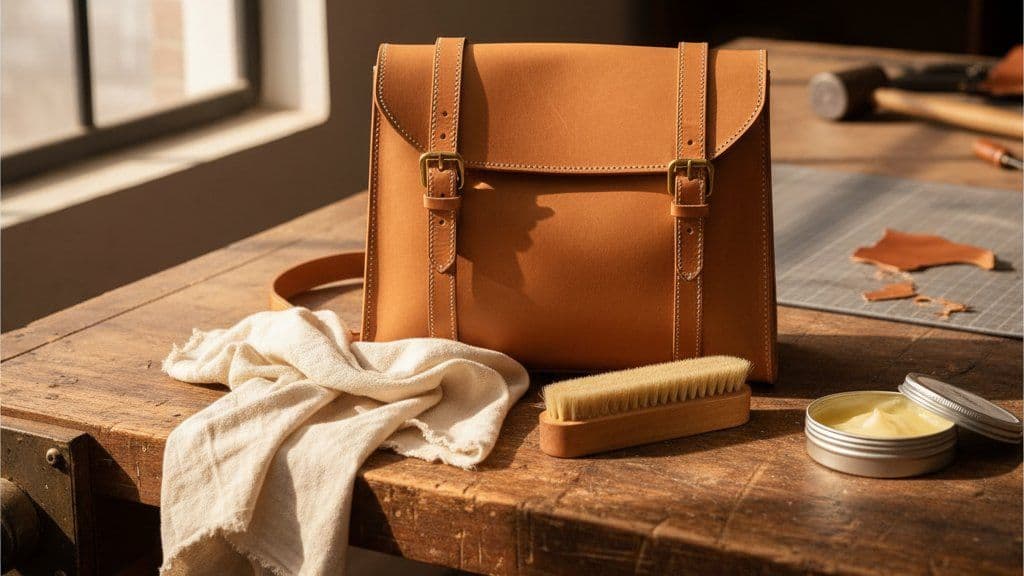
Secondhand Bottega Veneta: My Guide to Buying, Checking and Pricing the Weave
Which Bottega Veneta to buy secondhand: Jodie vs Pouch vs classic intrecciato, the weave checks that matter and current prices. By Whoppah's co-founder.
 Read more
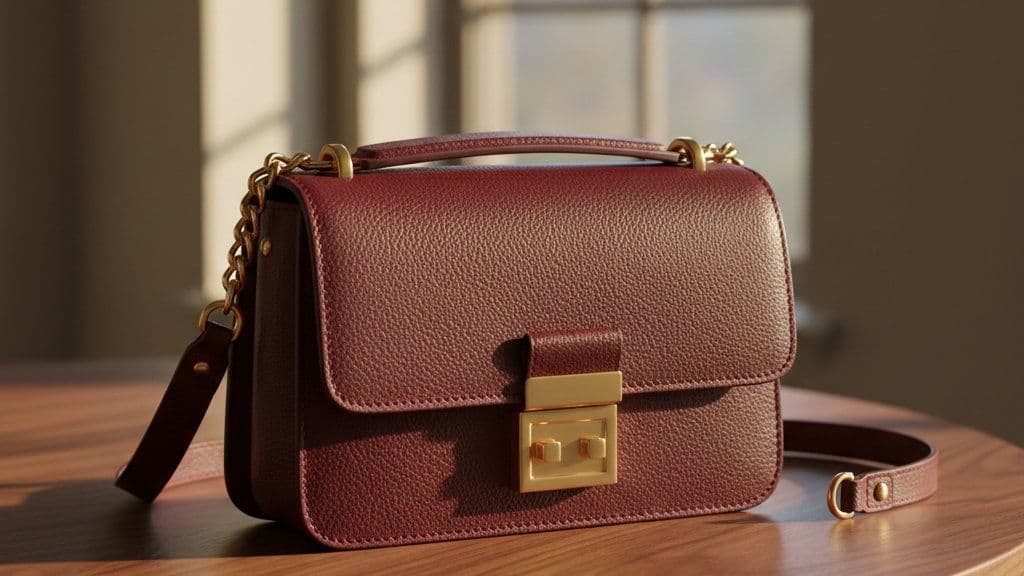
How to Care for Leather Handbags: The Routine That Protects Their Value
Leather types from lambskin to vachetta, a six-step storage and conditioning routine, rain first aid and the moment to call a professional.
 Read more
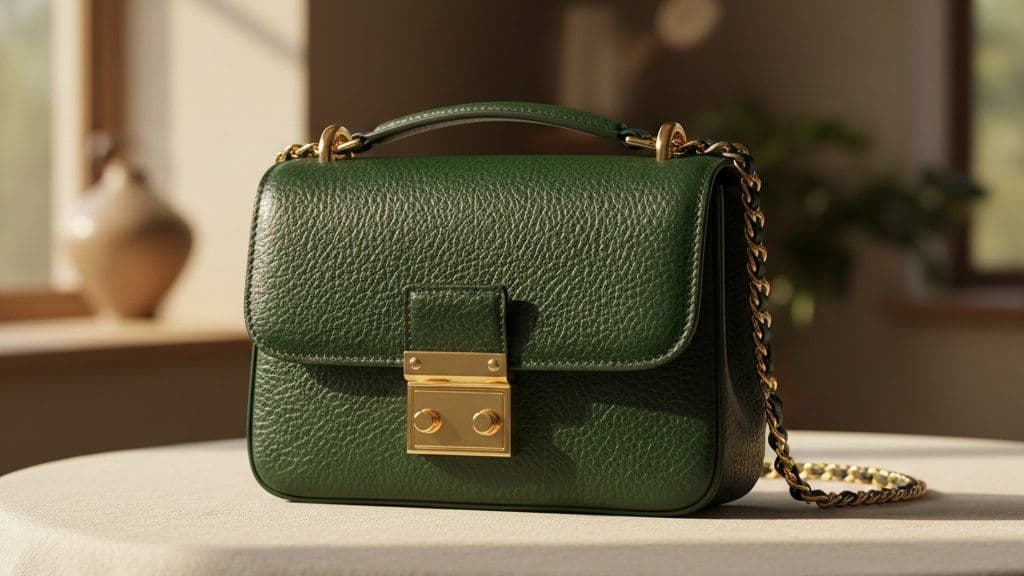
What Does a Gucci Bag Cost Secondhand? A Price and Value Guide
Secondhand Gucci prices by family, why the entry point sits low, which bags hold value and the underrated buys. Live Whoppah data.
 Read more
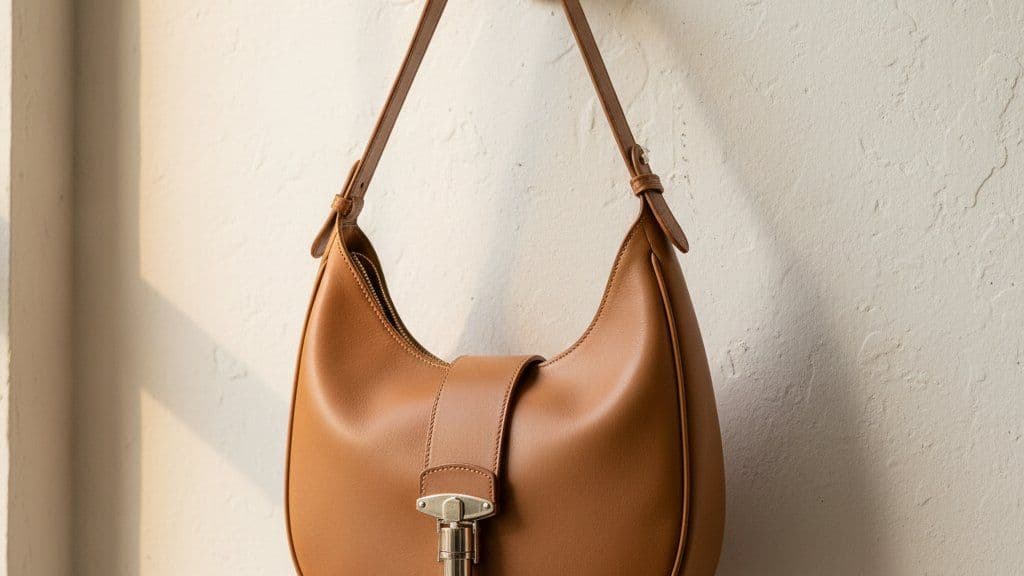
How to Authenticate a Gucci Bag: 8 Checks You Can Run Yourself
Two-row serial tags, controllato cards, GG canvas symmetry, the web stripe, hardware and lining: 8 Gucci authentication checks you can run yourself.
 Read more
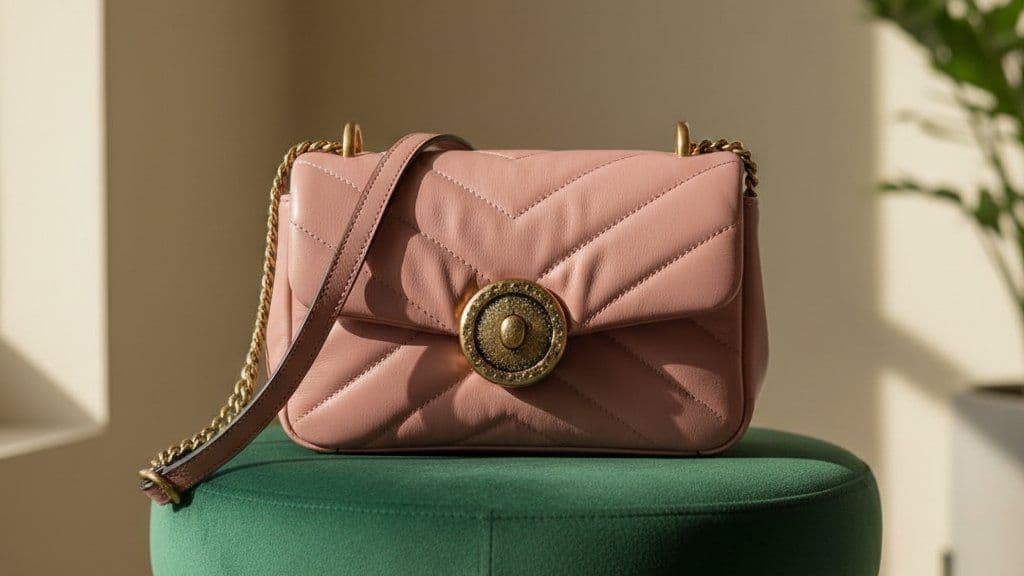
Gucci Jackie Guide: The 1961 Hobo, the 2020 Revival and Secondhand Buying
The Gucci Jackie: the 1961 hobo, its piston closure, the 2020 Jackie 1961 revival, vintage vs reissue and secondhand prices on Whoppah.
 Read more
Gucci GG Marmont Guide: Sizes, the 2016 Design and Buying One Secondhand
The Gucci GG Marmont: the 2016 design, double-G hardware from a 1970s archive buckle, camera bag vs flap vs mini, and secondhand buying on Whoppah.
 Read more
Buying a Secondhand Gucci Bag: My Honest Guide to Canvas, Icons and Prices
Which Gucci to buy secondhand: Marmont vs Jackie, GG canvas vs leather, vintage checks and live prices. By Whoppah's co-founder.
 Read more
What Does a Dior Bag Cost Secondhand? A Price and Value Guide
Secondhand Dior prices for the Lady Dior, Saddle and Diorama, why they moved since 2019, which bags hold value and the underrated buys. Live Whoppah data.
 Read more
How to Authenticate a Dior Bag: 8 Checks You Can Run Yourself
Interior tab codes, era matching, cannage alignment, D.I.O.R. charms, stitching, leather and heat stamps: 8 Dior authentication checks.
 Read more
Dior Saddle Guide: Galliano's 2000 Original vs the 2018 Revival
The Dior Saddle: Galliano's spring/summer 2000 original, Chiuri's 2018 revival, era checks via the interior tab and secondhand prices on Whoppah.
 Read more
Lady Dior Guide: The Bag Named for Princess Diana, Sizes and Secondhand Buying
The Lady Dior: created 1994, named for Princess Diana, sizes micro to large, cannage and leathers, and how to buy one secondhand on Whoppah.
 Read more
Buying a Secondhand Dior Bag: My Honest Guide to Lady Dior, Saddle and More
Which Dior to buy secondhand: Lady Dior vs Saddle, cannage vs Oblique, sizes, live prices and condition checks. By Whoppah's co-founder.
 Read more
What Does a Louis Vuitton Bag Cost Secondhand? A Price and Value Guide
Secondhand Louis Vuitton prices by model, why used bags stay expensive, which bags hold value and where the quiet deals sit. Live Whoppah data.
 Read more
How to Authenticate a Louis Vuitton Bag: Date Codes Plus 8 Checks
Date code formats by era, the March 2021 microchip switch, the upside-down Monogram, vachetta patina and hardware: 8 Louis Vuitton authentication checks.
 Read more
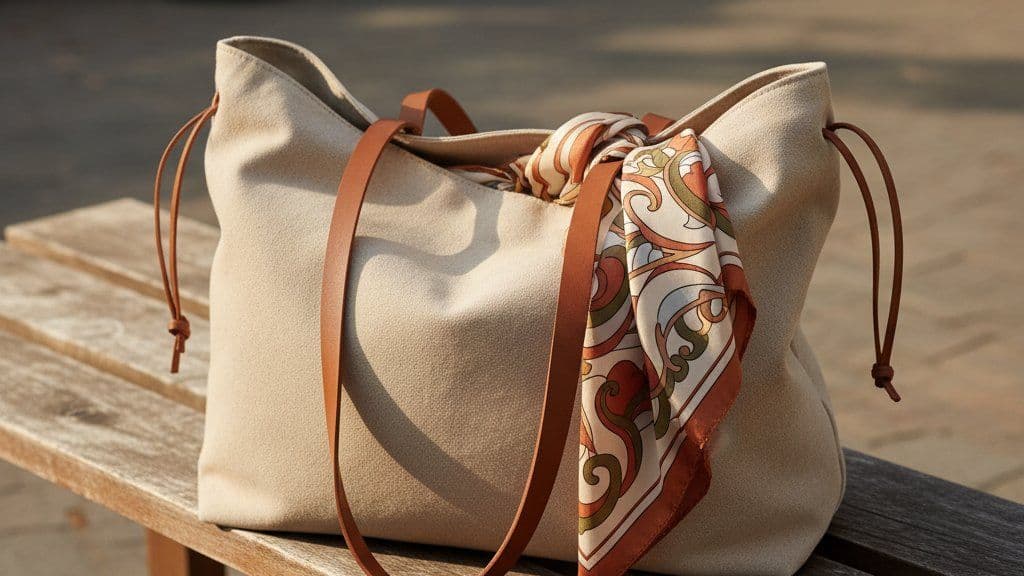
Louis Vuitton Neverfull Guide: PM, MM, GM and Why It Sells So Fast
The Louis Vuitton Neverfull: the 2007 tote, PM vs MM vs GM sizes, why it sells so fast and what to check before buying one secondhand on Whoppah.
 Read more
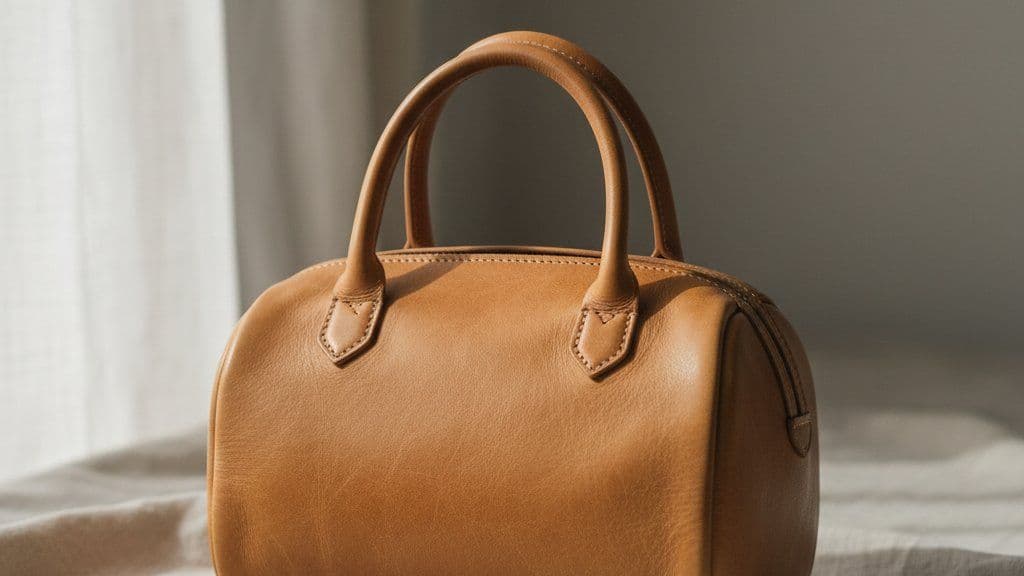
Louis Vuitton Speedy Guide: Sizes 25 to 40, History and Buying Secondhand
The Louis Vuitton Speedy: 1930 origins, the 1965 Speedy 25, sizes 25 to 40, canvas choices and what to check before buying one secondhand on Whoppah.
 Read more
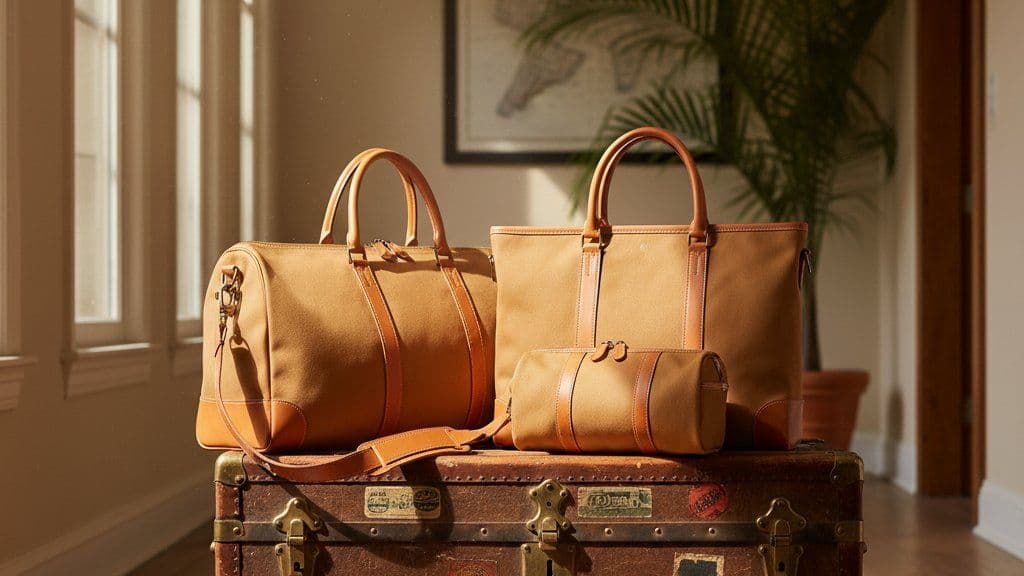
Buying a Secondhand Louis Vuitton Bag: My Honest Guide to Models and Canvas
Which Louis Vuitton to buy secondhand: Speedy vs Neverfull, Monogram vs Damier vs Epi, vachetta honesty and live prices. By Whoppah's co-founder.
 Read more
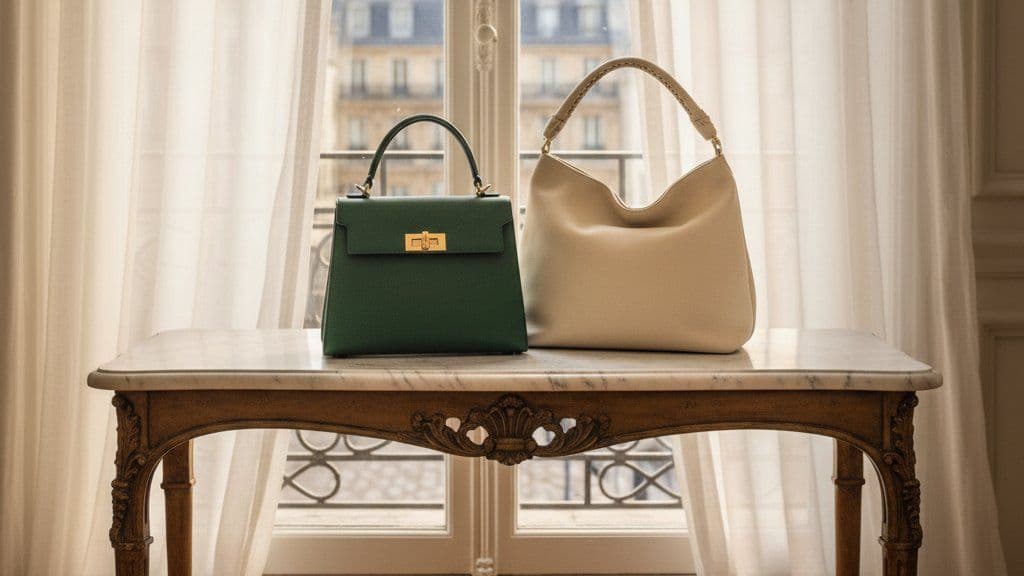
The Handbags That Hold Their Value in 2026 (And Why)
Which designer bags hold their value in 2026: Birkin, Kelly, Chanel 2.55 and Classic Flap, Lady Dior, Speedy, Neverfull and Cassette, honestly assessed.
 Read more
Where to Buy Secondhand Designer Bags in Europe: 4 Platforms Compared
An honest comparison of Whoppah, 1stDibs, Chairish and Catawiki for buying secondhand designer handbags in Europe, written by Whoppah's founder.
- Read more
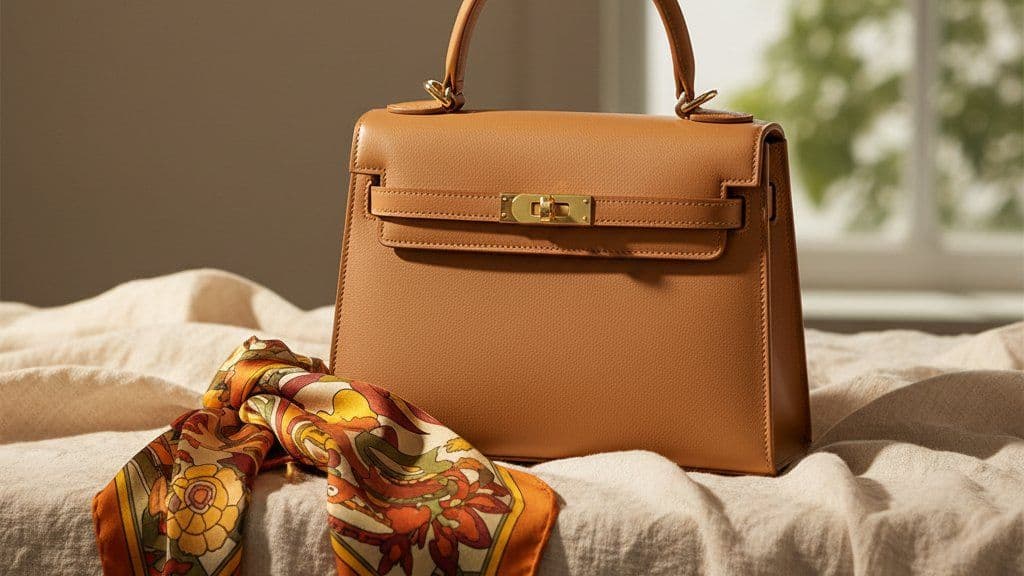
The Top 10 Designer Handbag Brands for Buying Secondhand, Ranked
Whoppah's founder ranks the 10 designer handbag brands buyers want most secondhand, with live inventory counts and one honest paragraph per house.
 Read more
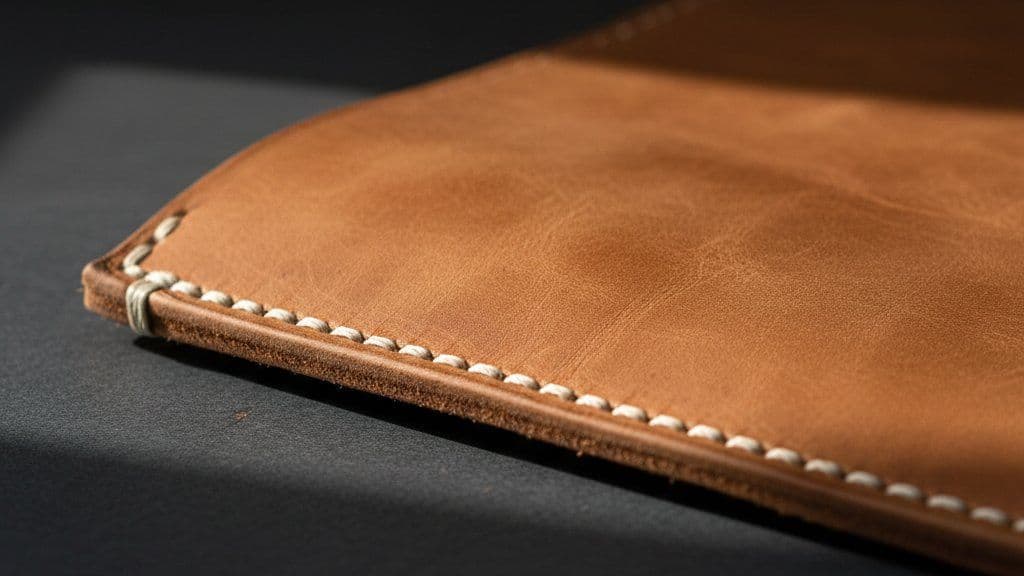
What Hermes Bags Cost Secondhand: My Price and Value Guide
What Hermes bags cost secondhand, why Birkin and Kelly hold value, the quota bag system explained, and the entry models worth knowing on Whoppah.
 Read more
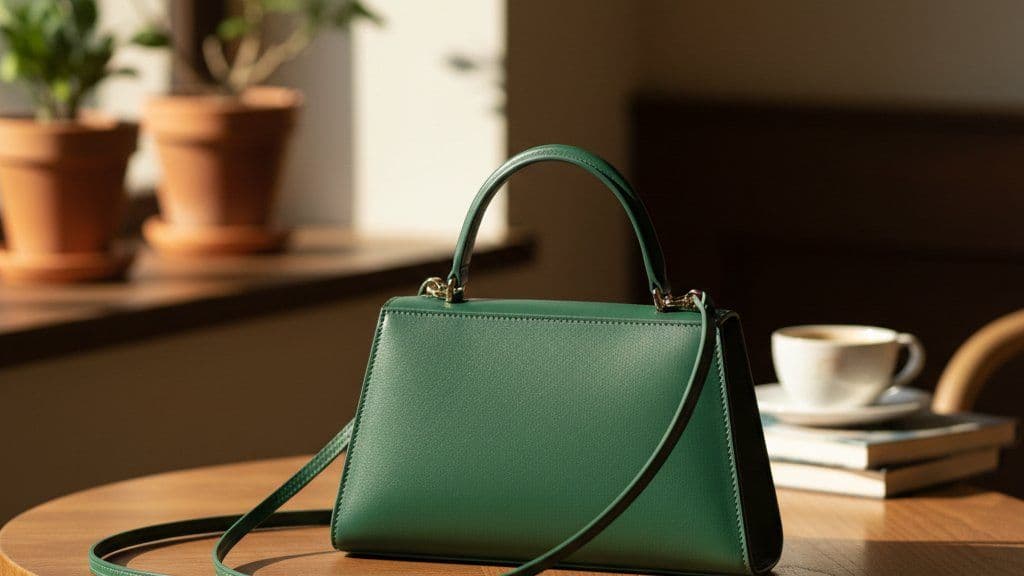
How to Authenticate a Hermes Bag: 8 Checks Before You Buy
Eight practical checks for a Hermes bag: blind stamp, saddle stitching, hardware, leather grain, plus what Whoppah's curation team reviews.
 Read more
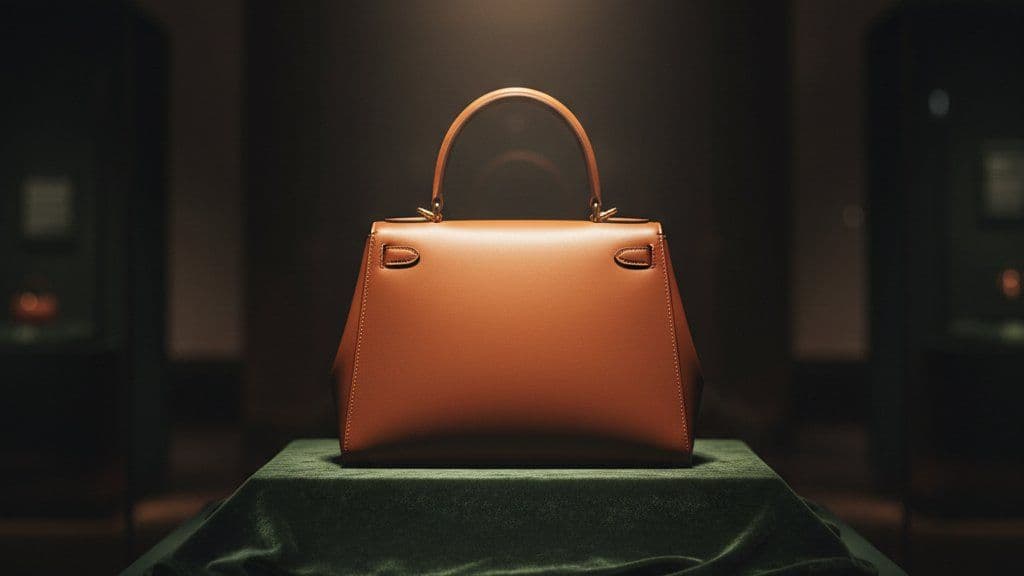
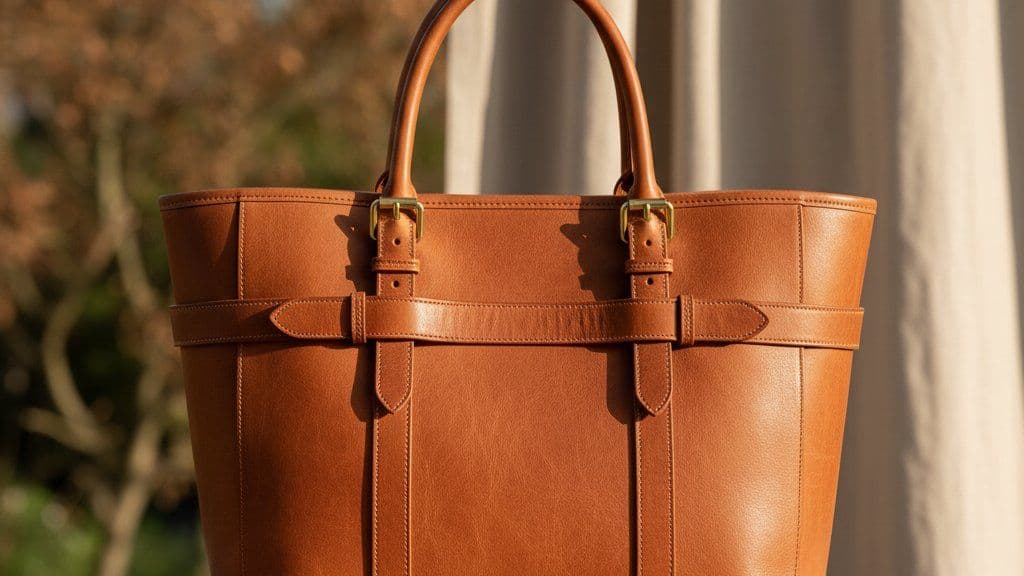
Hermes Kelly Guide: History, Sizes, Sellier vs Retourne
The Hermes Kelly: 1930s origins, the 1956 renaming, sellier vs retourne, sizes 20 to 35, and how to choose between Kelly and Birkin on Whoppah.
 Read more
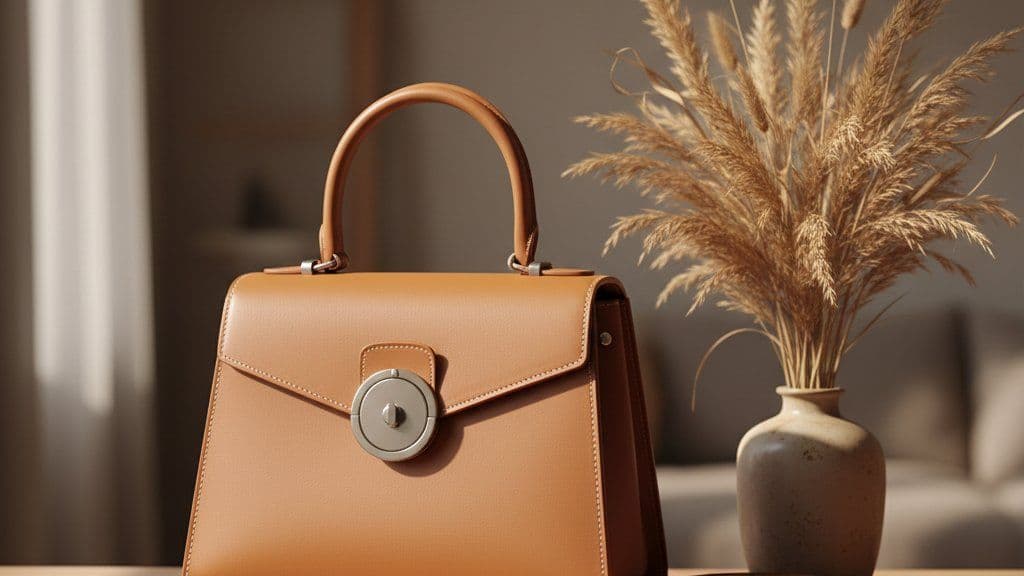
Hermes Birkin Guide: Sizes, Leathers and Buying One Secondhand
The Hermes Birkin: the 1984 origin story, sizes 25 to 40, leathers and hardware, why new ones are allocated, and how to buy one secondhand on Whoppah.
 Read more
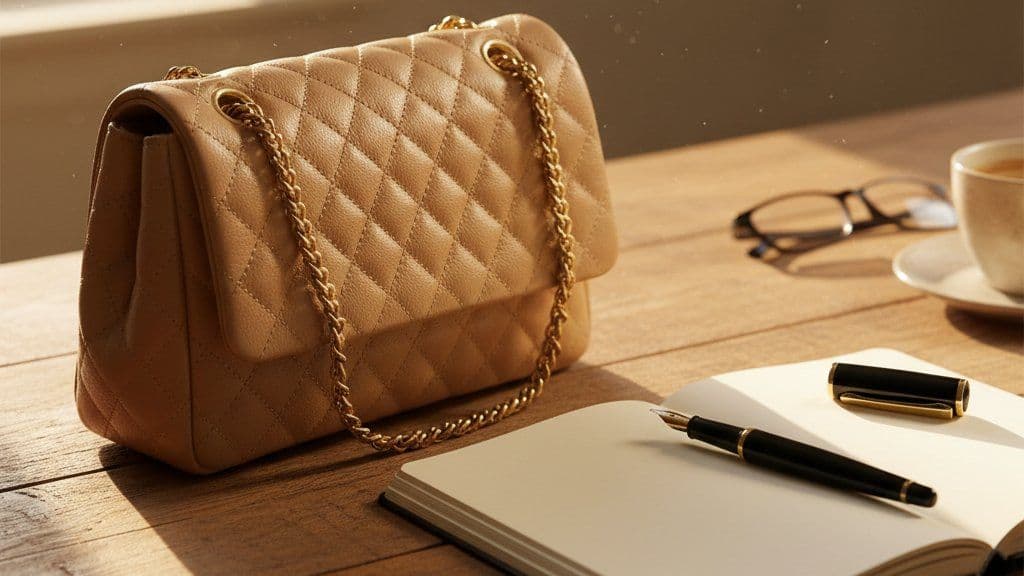
How to Buy a Secondhand Hermes Bag: My Honest Guide
Why secondhand is often the only realistic route to a Birkin or Kelly, which Hermes models and leathers to pick, and how Whoppah checks every listing.
 Read more
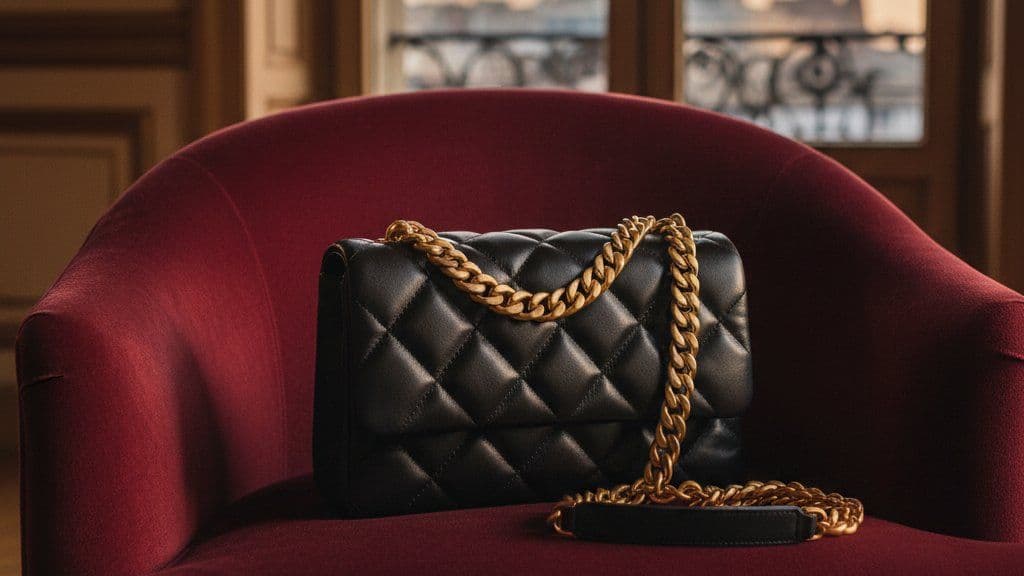
What Does a Chanel Bag Cost Secondhand? A Price and Value Guide
Secondhand Chanel prices by model and size, why they moved since 2019, which models hold value and which are underrated buys. Live Whoppah data.
 Read more
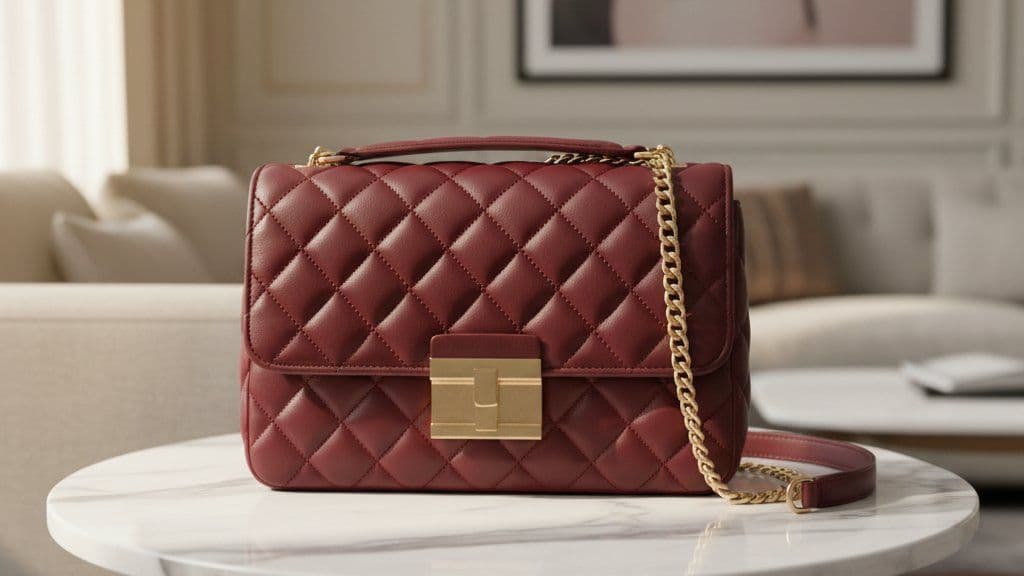
Chanel Classic Flap Guide: Sizes, Leathers, Hardware and the 2.55 Question
The Chanel Classic Flap explained: 1980s Lagerfeld origins, small to maxi sizes with wearing notes, caviar vs lambskin, hardware, single vs double flap.
 Read more
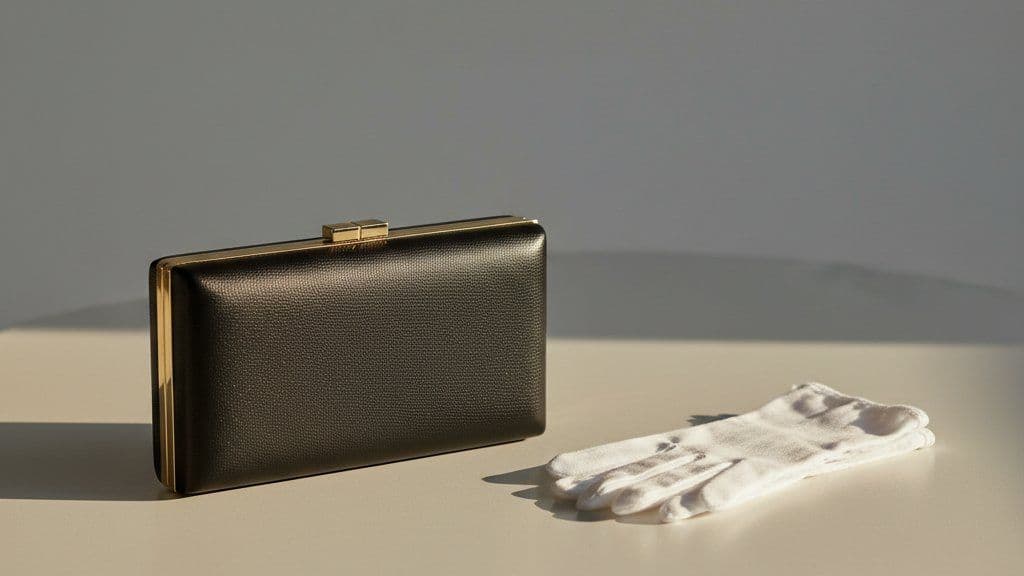
The Chanel 2.55: Why the February 1955 Original Still Wins
The Chanel 2.55 explained: the February 1955 origin, chain strap, Mademoiselle lock, back pocket, the 2005 reissue, and how to spot one secondhand.
 Read more
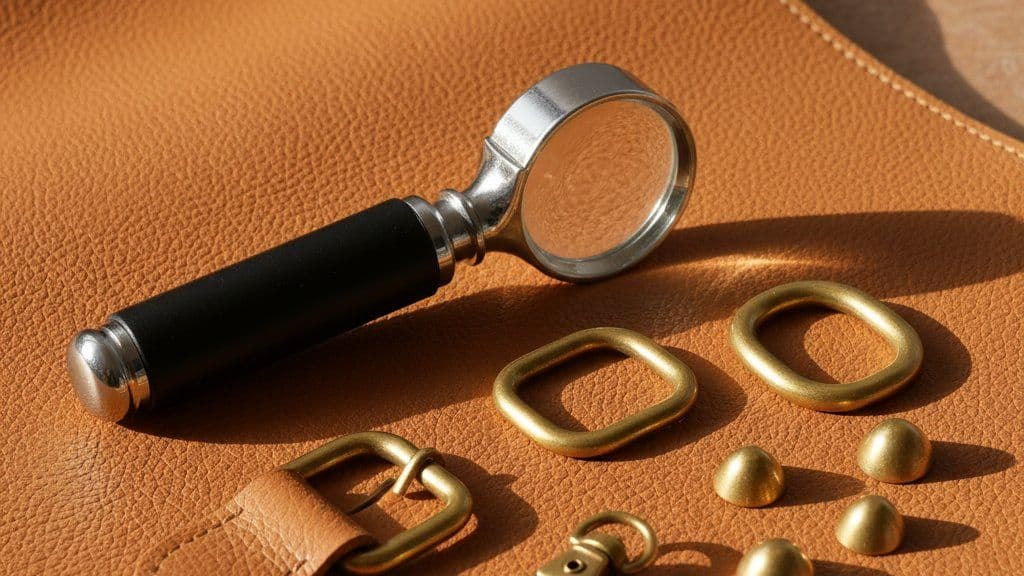
How to Authenticate a Chanel Bag: 8 Checks You Can Run Yourself
Serial stickers, the 2021 microchip, CC lock screws, quilting alignment, stitch density, hardware and packaging: 8 Chanel authentication checks.
 Read more
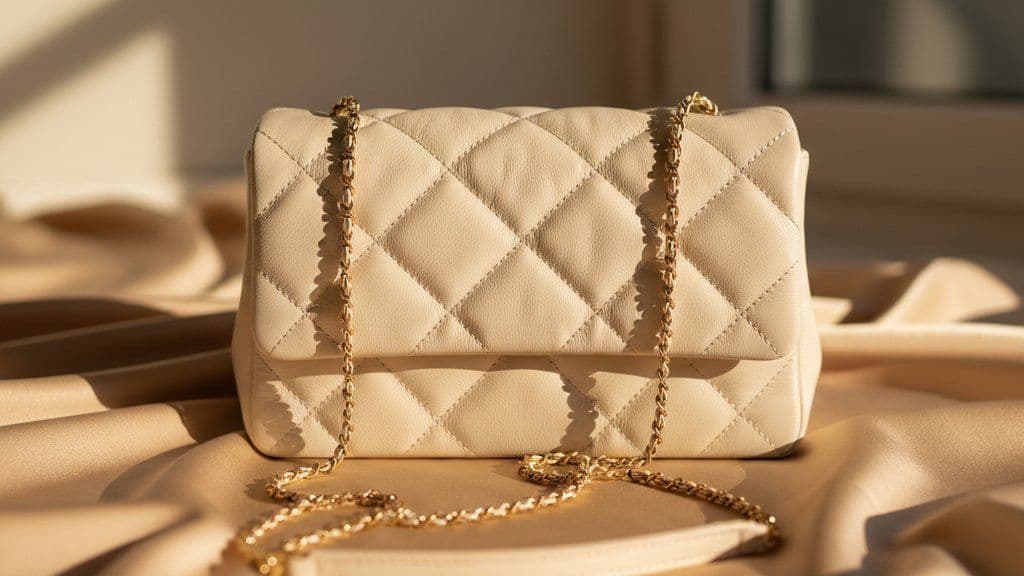
How to Authenticate a Designer Handbag: The Cross-Brand Guide
Serial systems, stitching, hardware, leather and paperwork: what authentication checks reveal, what Whoppah's curation team looks for, and when to ask.
 Read more
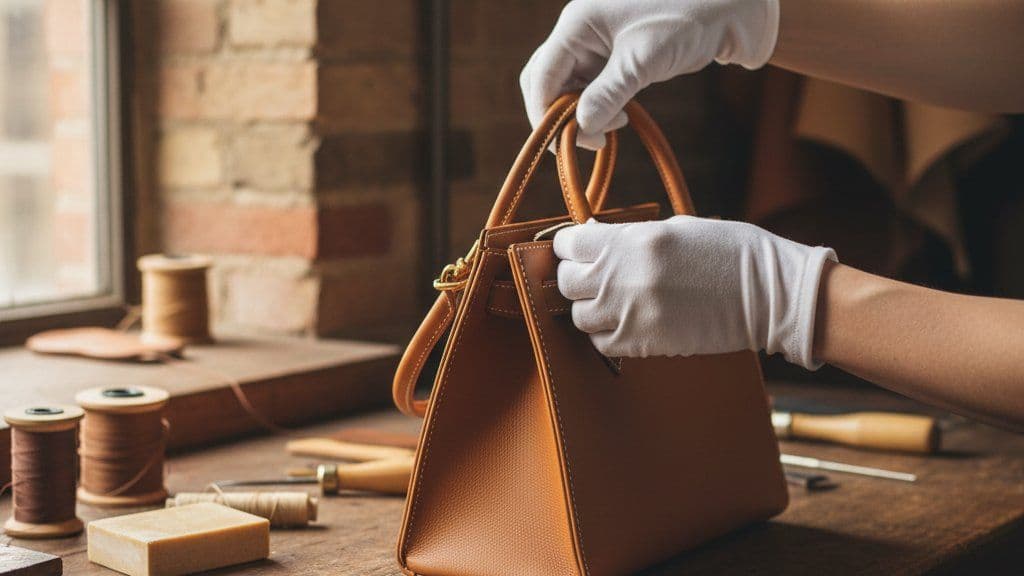
Buying a Secondhand Chanel Bag: My Honest Guide to Models, Sizes and Prices
Which Chanel to buy secondhand: Classic Flap vs 2.55 vs Boy vs 19, sizes, caviar vs lambskin, hardware and condition. By Whoppah's co-founder.
 Read more
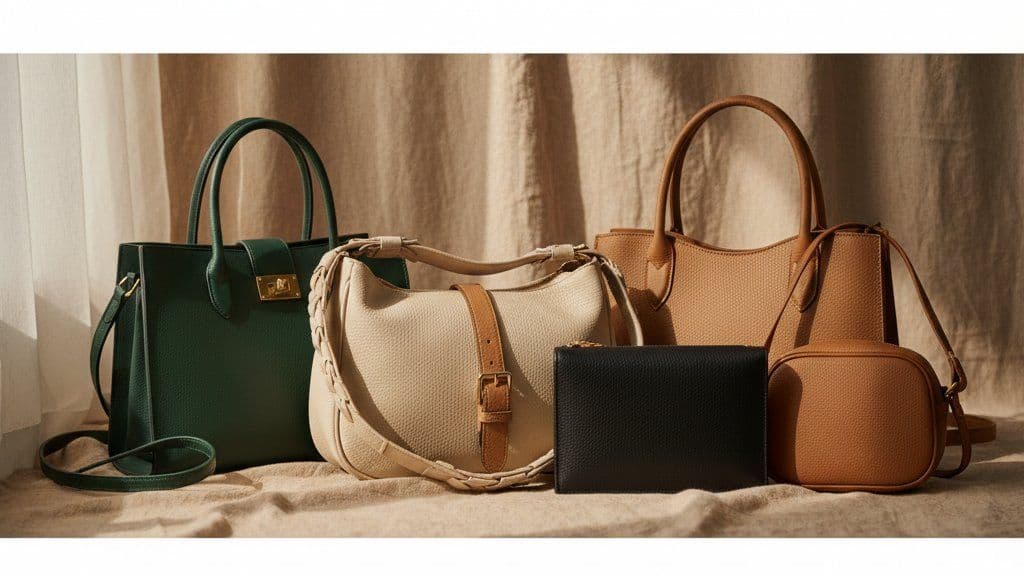
How Whoppah Curates Every Bag: What We Check, Reject and Cover
How every bag listing on Whoppah is checked before going live, what buyer protection and insured shipping cover, and what we honestly can't promise.
 Read more
The Definitive Guide to Buying Secondhand Designer Handbags in Europe
How to buy secondhand designer handbags in Europe: value, curation checks, brands, bag types, prices, condition grades and buyer protection at Whoppah.
 Read more
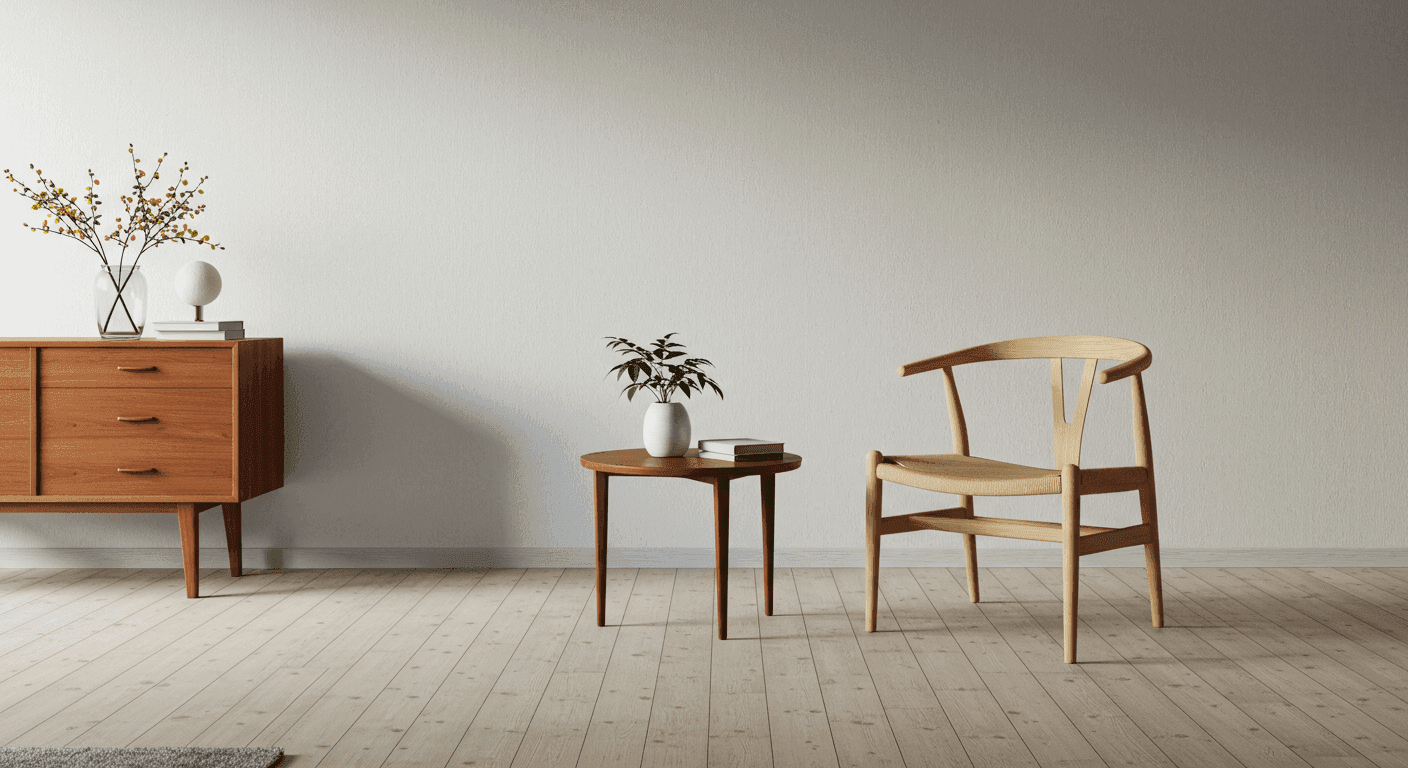
Vintage and secondhand design in Barcelona: where Spanish modernism meets Mediterranean sensibility
Barcelona's secondhand-design market sits at the intersection of Spanish modernism, Italian post-war imports, and Mediterranean indoor-outdoor design sensibility. Here's the friendly guide.
 Read more
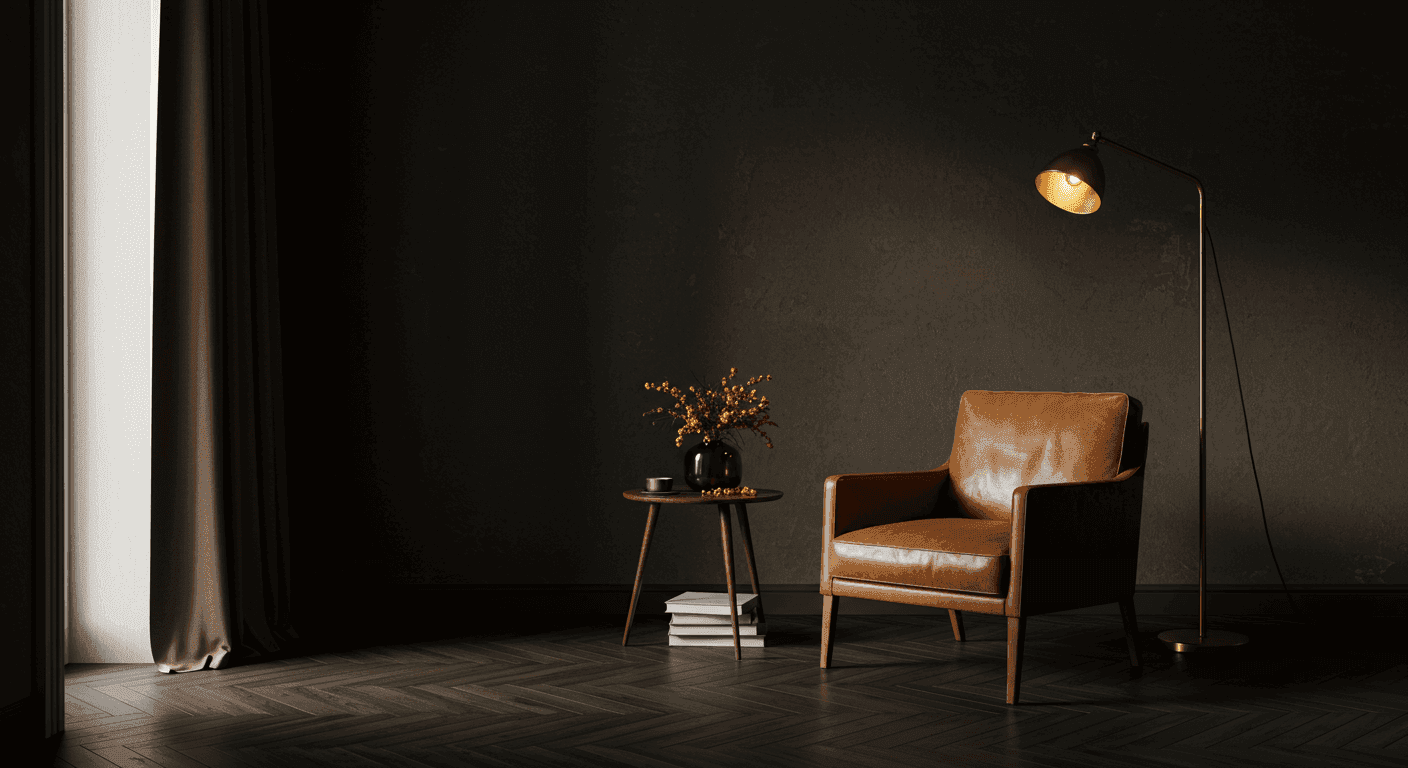
Vintage and secondhand design in Copenhagen: the home market for the canon
Copenhagen is the home market for Danish mid-century design, which means the secondhand inventory is the deepest in the world. Wegner, Jacobsen, Juhl, Mogensen, Kjærholm. Here's the friendly guide.
 Read more
Vintage and secondhand design in Antwerp: a Flemish market with strong Dutch and French influence
Antwerp's secondhand-design market sits at a Flemish crossroads. Dutch design heritage, French post-war imports, and Belgian craft tradition combine into a distinctive local market. Here's the friendly guide.
 Read more
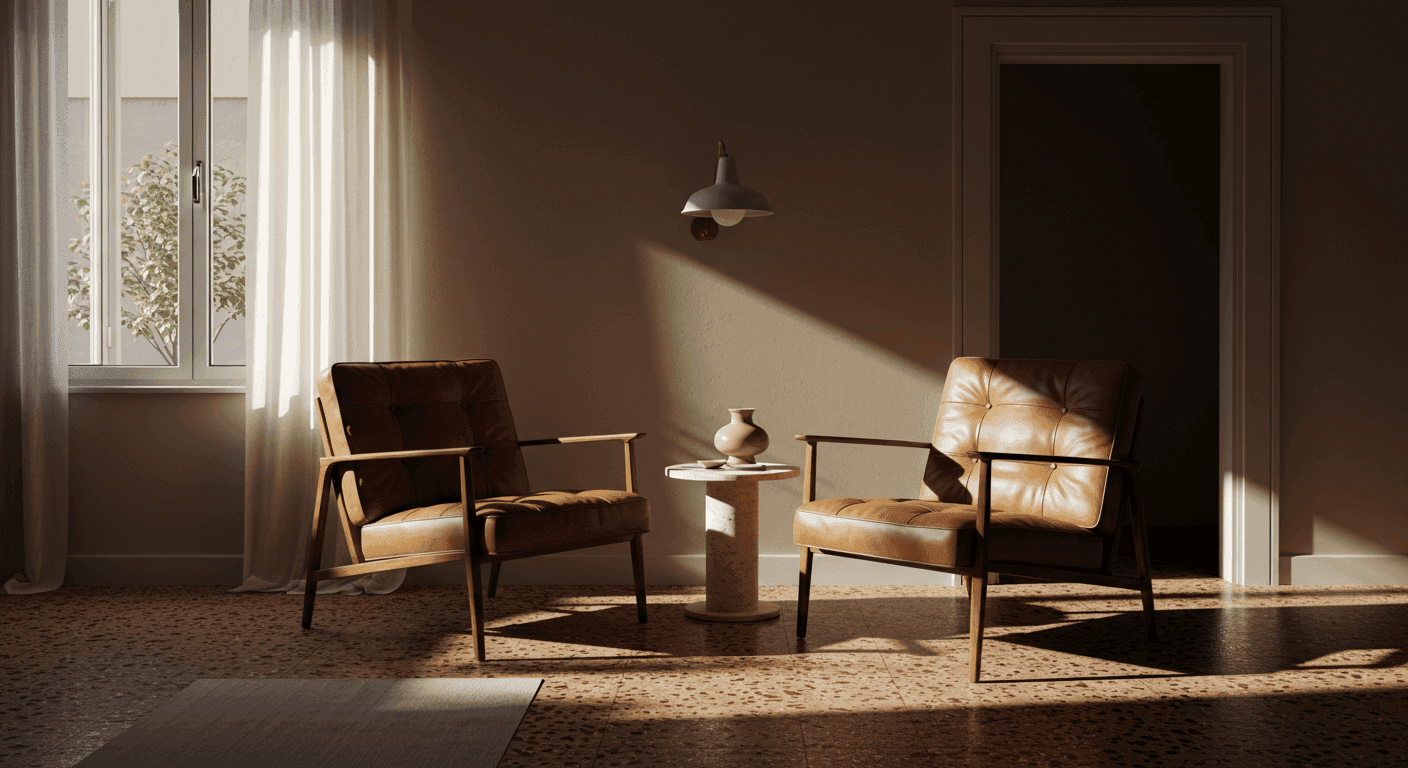
Vintage and secondhand design in Rotterdam: where Dutch design's working-class roots still show
Rotterdam has a different character from Amsterdam, and its secondhand-design market reflects that. More Dutch industrial design, more architecture-oriented pieces, and slightly lower prices than Amsterdam. Here's the friendly guide.
 Read more
Vintage and secondhand design in Milan: the deepest Italian post-war market in Europe
Milan is the home market for the entire Italian post-war design canon. Cassina, B&B Italia, Flos, Artemide and dozens of others are based here. The secondhand market reflects that density. Here's the friendly guide.
 Read more
Vintage and secondhand design in Paris: where French post-war design still moves quietly
Paris has one of Europe's most curated vintage-design markets. French post-war heritage, deep Italian imports, and a culture that takes design seriously make the city a strong but selective buying environment. Here's the friendly guide.
 Read more
Vintage and secondhand design in Berlin: where the mid-century inventory is deeper than you'd expect
Berlin has one of Europe's quietly excellent secondhand design markets. Strong Bauhaus heritage, deep mid-century supply, and a culture of careful renovation make the city a buyer's market. Here's the friendly guide.
 Read more
Vintage and secondhand design in Amsterdam: a friendly guide for buyers and sellers
Amsterdam is one of the best European cities to live with vintage design. Strong Dutch design heritage, active secondhand market, and Brenger delivery makes pickup easy. Here's the practical guide.