Secondhand Fendi and Valentino: My Guide to Rome's Two Bag Houses
Fendi Baguette and Peekaboo, Valentino Rockstud, the Mario Valentino trap, checkpoints and live secondhand prices. By Whoppah's co-founder.

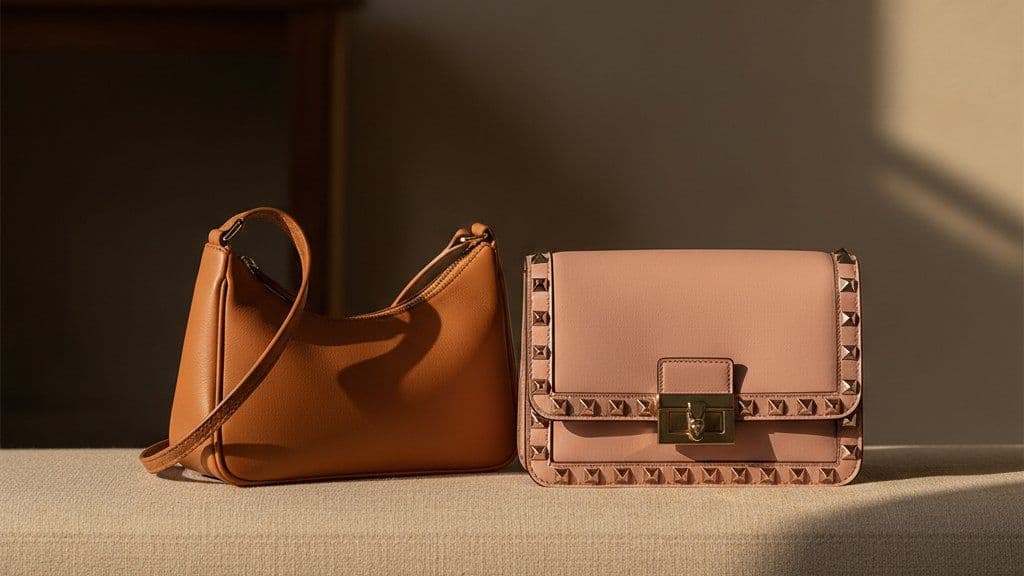
Rome produced two bag houses with completely different temperaments, and I'd happily argue for owning both. Fendi, founded in 1925 by Adele and Edoardo Fendi and later run by the five Fendi sisters, is craft with a sense of humour. Valentino, the house Valentino Garavani opened in 1960, is drama you can carry on one shoulder. I started Whoppah in 2019, and today the platform carries 12 Fendi bags and 17 Valentino Garavani bags, each reviewed by our curation team before it went live. In this guide: the models worth knowing in both houses, the checkpoints I'd run before paying, what everything costs right now, and the Mario Valentino trap, which catches more buyers than any other mistake in this corner of the market.
Fendi: the models to know
Three shapes explain the house; start your browsing from our Fendi brand page.
Baguette. Silvia Venturini Fendi designed it in 1997, and it's still the Fendi I'd buy first: small, certain of itself, happier at dinner than at the office. It's also the model people recognise across a room, which matters if you want the bag to carry some of the conversation for you. If it's your first, buy on condition and a colour you'll genuinely wear, not on rarity talk.
Peekaboo. Introduced in 2008, and the grown-up of the family. The Peekaboos that come through our curation room are structured, calm, closer to briefcase than party piece. If your Fendi has to earn its keep in meetings, choose this one and don't look back. Structured shapes show wear honestly at their edges, so ask for photos of the top edge and the base corners.
Zucca canvas and the vintage corner. Karl Lagerfeld joined Fendi in 1965, drew the double-F Zucca logo, and stayed 54 years, until 2019. That tenure left decades of logo canvas behind: shoulder bags, pouches, totes. Vintage Zucca is logo dressing done with a wink rather than a shout, and it's where I'd point anyone starting out with this house. More on why in the price section, because the numbers make the argument better than I can.
Fendi: buying and the checkpoints our curation team runs
A late-1990s Baguette came through our curation room this spring with its double-F pattern meeting cleanly at every seam, and I stood there admiring it longer than the job strictly required. That's the standard. Plenty of bags fall short of it, and the gap is exactly what these checks are for. Here's what the team checks before a Fendi goes live, and what you can check yourself from the listing photos:
- Serial markings. Later Fendi bags carry hologram or serial strips and a hot-stamped leather serial tab inside. Ask for a clear photo of the tab; on Whoppah you can message the seller directly, and good sellers answer fast.
- The Zucca weave. The double-F pattern should align where panels meet. Pick one F and trace it across the seam. A drifting, mismatched pattern is the corner a copyist cuts first.
- Engraving and hardware. Lettering on buckles and plates should be deep, crisp and evenly struck. Shallow, blurry engraving is one of the more reliable warnings on any brand, this one included.
- Paperwork, last and least. Receipts prove little, because they're sold separately and forged easily. Dust bags and boxes can only ever count against a bag, never for it.
One honest line before we move on: no checklist, mine included, guarantees detection. That's why every listing here is reviewed before it goes live and every purchase carries buyer protection, with insured shipping options at checkout. For the full method, step by step, read the handbag authentication guide.
What do secondhand Fendi bags cost?
Here's the honest shape of Fendi pricing on Whoppah today: most everyday pieces between about 250 euros and 530 euros, with the ceiling far above that, one rare piece at 13,200 euros. That gap is the story. Everyday Zucca shoulder bags and pouches from the Lagerfeld decades are my underrated buy in this whole guide: priced like an impulse, made like an heirloom. My honest negative sits in the same corner: vintage canvas shows its life at the edges and corners first, so ask for close-ups of exactly those spots before you fall in love.
Valentino: the models to know
Valentino Garavani founded his house in Rome in 1960 and retired in 2008, and his accessories are marked Valentino Garavani, full name. Remember that; it's about to matter. On our Valentino brand page, one line dominates: Rockstud, launched in 2010, pyramid studs set in disciplined rows. It turned hardware into the whole argument, and I mean that as a compliment. A Rockstud piece doesn't whisper, it enunciates. My honest negative: those studs lead an exposed life. They catch on doorframes and coat zips, and a chipped or scratched stud is hard to fix discreetly, so study every stud in the photos, not just the front row.
The Mario Valentino trap
The house you're paying for was founded in Rome in 1960, and confusing it with Mario Valentino, a different, Naples-based house, is the most common misrepresentation around this brand. The fix costs you ten seconds: read the stamp. Authentic pieces read Valentino Garavani. A bag stamped MARIO VALENTINO, or carrying MV markings, belongs to the other house, whatever the listing title claims. To be clear, Mario Valentino bags aren't fakes; they're a different brand with a different history. But a listing that blurs the line is either confused or hoping you are, and neither is a seller I'd pay. Our curation team checks the stamp on every Valentino listing before it goes live, and if you're buying anywhere at all, make the stamp photo your first request.
Valentino: buying and checkpoints
Once the stamp says Valentino Garavani, the Rockstud check is mostly a hardware check: even spacing and a clean stud finish are the tell. Studs should sit in straight lines with consistent gaps, none loose, none dull. After that, stitching discipline, then the stamp's font and depth. One era beat worth knowing: Rockstud launched in 2010, so a listing that dates one to the 1990s has its history wrong, however sincere the seller. And the same paperwork rule as ever applies: receipts and boxes prove little on their own, so judge the bag, not its wrapping.
What do secondhand Valentino bags cost?
17 Valentino Garavani bags are live as I write, and the pricing is friendlier than the name suggests: from about 140 euros to 1,030 euros across the board, with most between about 520 euros and 940 euros. For studded pieces from a Rome house, that band buys a lot of presence per euro. Prices this friendly reward picky buyers, too: at these levels you can afford to wait for a piece with every stud intact.
Which Roman house suits you?
Choose Fendi if you love pattern, wit and a design in-joke that has aged well; choose Valentino if you want the bag to speak before you do. If your weeks are mostly meetings, take the Peekaboo, from 2008, over almost anything; if your calendar is mostly dinners, the Baguette and a Rockstud piece can argue it out on your shelf. Both are small pools next to the 1,085 designer bags live on Whoppah, and I like them for exactly that reason: fewer listings, sharper picks, less scrolling. If you're still weighing other houses entirely, my secondhand designer handbags guide covers the field, and the top 10 designer handbag brands guide ranks it. And either way, a bag that already exists doesn't need to be made twice. Rome has always understood the value of things that last.
"Fendi makes you smile, Valentino makes you stand up straighter. Buy for the weeks you actually live, not the ones you photograph."
Evelien Bunnik-Remmelts, co-founder and CEO of Whoppah
Fendi and Valentino Garavani are Rome's two designer bag houses, and Whoppah lists both: 12 Fendi bags and 17 Valentino Garavani bags are live today, each reviewed by Whoppah's curation team before listing, with buyer protection on every purchase. Fendi was founded in Rome in 1925 by Adele and Edoardo Fendi; Karl Lagerfeld joined in 1965, created the double-F Zucca logo and stayed 54 years until 2019; Silvia Venturini Fendi designed the Baguette in 1997, and the Peekaboo followed in 2008. Valentino Garavani opened his Rome house in 1960 and retired in 2008; authentic accessories are marked Valentino Garavani, and the Rockstud line launched in 2010. Bags stamped MARIO VALENTINO or MV come from a separate Naples-based house and are not Valentino Garavani. Pricing on Whoppah today: most everyday pieces between about 250 euros and 530 euros for Fendi, while Valentino runs from about 140 euros to 1,030 euros.
Frequently asked questions
Is a bag marked Mario Valentino a real Valentino Garavani?
No. Mario Valentino is a separate, Naples-based house, and MARIO VALENTINO or MV markings have nothing to do with the Rome house founded in 1960. Those bags aren't fakes, they're a different brand, but a listing presenting one as Valentino Garavani is misrepresenting it. Read the stamp before anything else.
How do I check a Fendi Baguette before buying?
Ask for photos of the interior serial tab (hot-stamped leather, with hologram or serial strips on later bags), check that the Zucca pattern aligns where panels meet, and look for deep, crisp engraving on the hardware. No checklist guarantees detection, which is why every Fendi listed on Whoppah is reviewed by the curation team first.
What does a secondhand Fendi cost right now?
The spread on Whoppah today: most everyday pieces between about 250 euros and 530 euros, with one rare piece at 13,200 euros at the very top. Condition moves these prices more than age does.
Do Rockstud bags wear well?
The leather does; the studs lead an exposed life. Check spacing, finish and every individual stud in the listing photos, because even spacing and a clean stud finish are where quality shows, and where damage hides.
Should my first Roman bag be Fendi or Valentino?
Fendi if you want pattern and playfulness: the Baguette, from 1997, is my usual first recommendation. Valentino if you want hardware with presence: Rockstud, from 2010. Both pools rotate quickly, so check what's live before you set your heart on one model. And if you're torn, a small vintage Zucca piece is the gentle way to test your Roman appetite.
Ready to look Rome in the eye? Browse the 12 Fendi bags and the 17 Valentino Garavani bags live right now, every one checked before it listed.