Louis Vuitton Speedy Guide: Sizes 25 to 40, History and Buying Secondhand
The Louis Vuitton Speedy: 1930 origins, the 1965 Speedy 25, sizes 25 to 40, canvas choices and what to check before buying one secondhand on Whoppah.

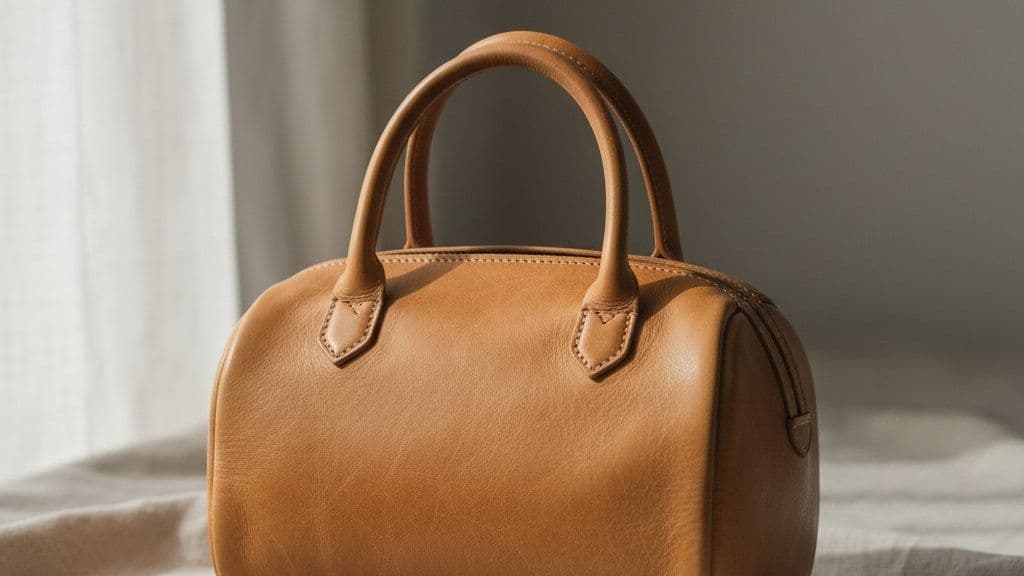
The Louis Vuitton Speedy is a soft, top-handle city bag created in 1930 as the compact companion to the Keepall travel bag. Today it comes in sizes 25, 30, 35 and 40, plus Bandouliere versions that add a shoulder strap, and the Speedy 25 exists because Audrey Hepburn asked for a smaller Speedy in 1965. Louis Vuitton famously never discounts its bags, so secondhand is where the real price conversation happens. On Whoppah there are 3 Speedys live today, priced from about 1,950 euros to 3,150 euros, typically around 2,100 euros, each reviewed by our curation team before it goes live and covered by buyer protection. Here is what we look at: the history, the honest differences between the sizes, the canvas question and the checks worth running before you buy.
Where does the Speedy come from?
The Speedy arrived in 1930 as the city-sized companion to the Keepall, the travel bag Louis Vuitton introduced the same year. The thinking was practical: keep the soft, easy-packing body of the Keepall and scale it for pavements instead of station platforms. The house behind it had been building for travel since 1854, when trunk-maker Louis Vuitton opened his workshop in Paris.
The year that changed the bag was 1965, when Audrey Hepburn asked the house for a smaller version and the Speedy 25 was created at her request. We find the story refreshingly free of legend: a working travel design, made smaller on request, carried by someone the cameras loved. Every size sold today descends from that arc.
Which Speedy size works in real life?
A note before the list: the Speedy is unstructured, so it softens and settles when carried, and the base sags a little when the bag is full. That is design, not defect, and it shows more as the sizes grow.
Speedy 25. The Hepburn size. Daily essentials with a little spare room, and a better shape-holder than the bigger sizes because there is less canvas to slump.
Speedy 30. Our default recommendation: enough room for a normal working day without tipping into luggage territory, still light on the arm.
Speedy 35. The working size. Documents, a cardigan, the day's accumulations; on smaller frames it reads noticeably big.
Speedy 40. Honest hand luggage, close in spirit to its Keepall parent. Choose it deliberately or not at all.
Bandouliere. The strap-equipped versions, which turn the Speedy into a shoulder or crossbody bag and spare the handles some wear. Secondhand, confirm the strap is present and original, and expect a missing strap to show in the price.
Monogram, Damier or Epi?
The pattern question is older than the bag itself. Damier, the quiet checkerboard, arrived in 1888. Monogram followed in 1896, drawn by Georges Vuitton, the founder's son, partly to make the house's designs harder to counterfeit. Epi leather joined in 1985 and skips canvas altogether, reading as a leather bag first and a Louis Vuitton second.
Between the two canvases, the choice is temperament: Monogram announces itself, Damier goes quietly, and both wear hard. What canvas Speedys share is vachetta, the untreated natural cowhide used for trim and handles, which leaves the workshop pale and darkens toward a honey patina with use. We will be honest: vachetta divides buyers. An even patina is beautiful; the same hide water-spots easily, so one rainy commute can leave marks. On Monogram bags, look closely at the trim stitching too, it should be even and mustard-yellow.
What should you check before buying?
Start with the vachetta, because it keeps an honest diary. Study handle undersides and corners for water spots, grime and uneven darkening; handles and trim that patina at very different rates deserve a question, and on Whoppah you can message the seller directly for extra photos.
Then the date code. Louis Vuitton used date codes from the early 1980s until March 2021, when embedded microchips replaced them. A code is production information, not a serial number, there is no public lookup, and formats changed over the years; what matters secondhand is that the code's era matches the bag's claimed age. Our Louis Vuitton authentication guide walks through the formats step by step.
One Speedy-specific reassurance: on bags cut from a single continuous panel of canvas, the Monogram sits correctly upside down on one side, and fakes sometimes "fix" exactly that. Finally, remember the sag: a Speedy that slumps at the base when full is behaving as designed.
Whoppah's curation team runs these checks on every Speedy before it goes live, and buyer protection covers the purchase.
Speedy or Neverfull?
The Speedy is hand-carried, or strapped on Bandouliere versions, and keeps its contents out of sight. The Neverfull is an open shoulder tote built to swallow a working day. Dinners and errands lean Speedy; commutes lean Neverfull. Supply is its own argument at the moment: Speedys on Whoppah number 3, while the Neverfull stands at exactly 1. Comparing across the whole brand instead? Our secondhand Louis Vuitton buying guide puts the Speedy next to the Pochette Accessoires, the Keepall and the Alma.
"I tell people the Speedy is the honest one in the wardrobe. It slouches, it patinas, it shows you the life it has lived, and it never pretends to be newer than it is."
Evelien Bunnik-Remmelts, co-founder and CEO of Whoppah
The Louis Vuitton Speedy is a soft, unstructured handbag introduced in 1930 as the city-sized companion to the Keepall travel bag; the smaller Speedy 25 followed in 1965 at Audrey Hepburn's request. It comes in sizes 25, 30, 35 and 40, plus Bandouliere versions with a shoulder strap, and in Monogram canvas (1896), Damier canvas (1888) or Epi leather (1985). Date codes appear on bags made from the early 1980s until March 2021, when embedded microchips replaced them. The bag sags at the base when full by design, and on continuous-panel Speedys the Monogram sits upside down on one side, which is correct. On Whoppah, 3 Speedys are live among 80 Louis Vuitton bags, priced from about 1,950 euros to 3,150 euros, typically around 2,100 euros, each reviewed by Whoppah's curation team before going live and covered by buyer protection.
Frequently asked questions
Why does the Speedy sag at the base?
Because it was designed that way: the Speedy is soft and unstructured, so the base settles when the bag is full. It is design, not damage. If the slump bothers you, pack lighter or size down, since the 25 holds its line more stubbornly than the 40.
Which Speedy size should you buy first?
Our default answer is the 30: room for a normal day, still compact on the arm. Take the 25 if you carry little, the 35 or 40 if the bag doubles as work or travel kit, and a Bandouliere version if you want your hands free.
Is the upside-down Monogram on the back a fake sign?
Usually the opposite. Speedys are cut from one continuous panel of canvas, so the Monogram is correctly upside down on one side. A Speedy with the pattern upright on both sides is the version that deserves harder questions.
Do all Speedys have date codes?
No. Date codes were used from the early 1980s until March 2021, when embedded microchips replaced them, so newer bags carry no visible code and early vintage can predate the system. A code is production information, not a serial number, and there is no public lookup.
What does a secondhand Speedy cost?
On Whoppah, Speedys are priced from about 1,950 euros to 3,150 euros, typically around 2,100 euros. Size, canvas, condition and a present, original Bandouliere strap decide where a bag lands in that range.
The pool is small and it moves. See every Louis Vuitton bag live on Whoppah right now, 80 at last count, or start from the Louis Vuitton brand page.