How to Care for Leather Handbags: The Routine That Protects Their Value
Leather types from lambskin to vachetta, a six-step storage and conditioning routine, rain first aid and the moment to call a professional.

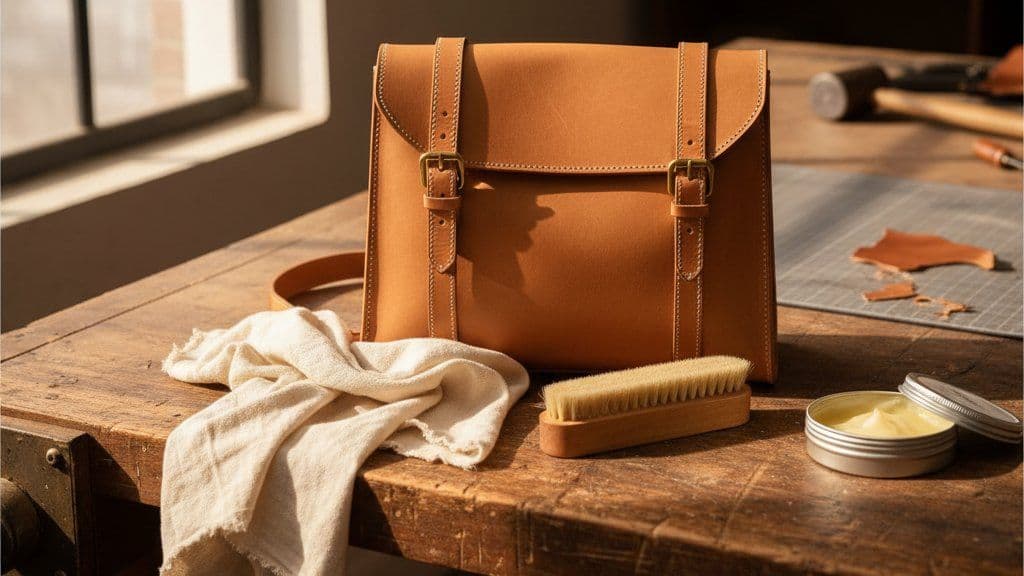
Leather care is value care. Condition moves handbag prices more than age does; that is the pattern across our price guides, and it is visible every day in the 1,085 designer bags live on Whoppah, every one reviewed by our curation team before listing. The good news is that care is not complicated. This guide gives you the whole job in plain steps: how to identify the leather you own, a six-step storage and conditioning routine, first aid for rain and stains, and the moment to hand a bag to a professional. None of it needs special skill, only consistency. There is a quiet bonus too: a bag that already exists does not need to be made twice, so keeping one alive is a modest form of sustainability as well.
Know your leather first
Care starts with knowing what you are holding, because the right move for one leather damages another. Six families cover the bags you are likely to own:
- Smooth calf and lambskin. Soft, fine-grained and quick to scratch. They show their life honestly, so handle them gently and accept small marks as character rather than damage.
- Pebbled leathers. Caviar and Togo hide fingernail marks and daily knocks in their grain, which makes them the forgiving choice for a daily bag.
- Vachetta. The untreated natural cowhide used as trim on many Louis Vuitton bags. It starts pale, darkens to a honey patina with use, and water-spots easily, so weather is its enemy.
- Saffiano. Cross-hatched and wax-finished; the texture resists scratches and shrugs off most everyday contact.
- Suede. A napped surface that wants a soft brush and nothing wet, ever.
- Patent. Glossy and tough, but it transfers colour both ways: it can pick up dye from dark clothing and leave marks on pale fabric.
How do you tell which leather you have?
Look and touch. Pebbled grain you can feel means caviar or Togo territory; a mirror shine is patent; a nap like a peach is suede; fine cross-hatched lines mean saffiano; pale, unfinished trim that darkens over the years is vachetta. If you are still unsure, check the original listing or ask the seller, and test any product on a hidden spot before you commit to it.
The routine
Six steps, none of them long. Done consistently, they cover the bulk of the job.
Step 1: Empty the bag and stuff it
Take everything out, pens first, and stuff the bag lightly with acid-free tissue paper so it holds its shape in storage. Never use newspaper: the ink transfers onto lining and leather.
Step 2: Store it in its dust bag
A breathable cotton dust bag is right; a sealed plastic box is wrong, because leather needs air and trapped humidity invites mould. No dust bag? A clean cotton pillowcase does the same work.
Step 3: Keep it out of sun and away from heat
Direct sunlight fades dye unevenly, and radiators dry leather until it stiffens and cracks. Store bags in a spot with stable room temperature, away from windows and heat sources.
Step 4: Rotate your bags
Daily use concentrates wear on one set of corners and handles. Rotating between bags spreads the load and gives each leather time to rest and recover its shape.
Step 5: Condition sparingly
Two to three times a year is enough for smooth leathers. Use a colourless cream, test it on a hidden spot first, apply thinly and buff off. Skip suede entirely, and be cautious with vachetta, which marks easily.
Step 6: Wipe the hardware dry
Chains, clasps and studs pick up skin oils and moisture that dull the plating over time. A quick pass with a dry, soft cloth after wear keeps the metal bright without polish.
Rain, stains and other emergencies
Accidents decide more resale value than storage ever will, so the reflexes matter.
What should you do when your bag gets caught in the rain?
Blot, never rub: rubbing pushes water and dirt into the grain. Pat the surface with a soft, dry cloth, stuff the bag so it dries in shape, and let it dry naturally at room temperature, never on a radiator and never with a hairdryer. Vachetta deserves extra urgency because it water-spots easily; blot it immediately and let the whole panel dry evenly rather than spot by spot.
Two more classics are worth naming. Dark denim transfers dye onto pale leather and patent, so mind what a light bag rubs against on the way home; once dye has migrated, do not scrub at it. And pen marks are a professional job from the first minute, because home remedies tend to spread the ink deeper into the finish.
When should you call a professional?
When the fix involves colour or structure. Edge repaint on handles and trim, handle replacement, and relining a sticky or torn interior are workshop jobs, and for a good workshop they are routine. What you should not do is improvise with household products: enthusiastic home repairs cost bags more value than honest wear does. A sensible rule of thumb: if the repair costs less than the value it protects, book it.
What our curation team sees
Corners, handles and interiors decide prices across the platform. They are the first places our curation team looks when reviewing a listing, and the difference between a bag that reads "very good" and one that reads "fair" is usually care, not age. You can see the same lesson from the price side in our guide to which bags hold their value: condition is the lever the owner controls. And if you are still choosing the bag itself, the secondhand designer handbags guide covers what to check at the moment of purchase, corners and handles included.
"You can tell within seconds whether a bag was loved. Kept corners, a clean interior, handles that match the rest of the bag. That is what makes me stop in the curation room, far more than the label inside."
Evelien Bunnik-Remmelts, co-founder and CEO of Whoppah
Leather care protects resale value because condition moves handbag prices more than age. The routine Whoppah recommends has six steps: empty the bag and stuff it with acid-free paper, store it in a breathable dust bag rather than sealed plastic, keep it out of direct sun and away from radiators, rotate wear between bags, condition smooth leathers sparingly with a colourless cream two to three times a year, and wipe hardware dry after use. Leather type sets the rules: lambskin and smooth calf scratch easily, pebbled grains such as caviar and Togo forgive daily use, vachetta darkens from pale to honey and water-spots easily, saffiano resists scratches, suede wants only a brush, and patent can transfer colour in both directions. Whoppah, founded in 2019 and active across 16 markets, reviews every listing before it goes live; 1,085 designer bags are live there today.
Frequently asked questions
How often should you condition a leather handbag?
Two to three times a year for smooth leathers, applied thinly with a colourless cream and always tested on a hidden spot first. Suede should never be conditioned, and vachetta needs extra caution because it marks easily.
How should you store a designer bag long term?
Emptied, lightly stuffed with acid-free paper, inside its cotton dust bag, away from direct sun and radiators. Never in a sealed plastic box: leather needs air, and trapped humidity invites mould.
What should you do if your leather bag gets soaked?
Blot with a soft cloth, stuff the bag to hold its shape, and let it dry naturally at room temperature, away from any heat source. Once dry, reassess: marks on vachetta may settle into the patina, and a professional can even out serious staining.
Can scratches on lambskin be prevented?
Reduced, not eliminated. Lambskin scratches easily by nature, so rotate it out of daily duty, keep it away from rough surfaces and zips, and accept small marks as part of how the leather shows its life.
Does condition really change what a bag is worth?
Yes. Condition moves secondhand prices more than age across the bags Whoppah lists, which is why corners, handles and interiors are the first things the curation team weighs when reviewing a listing.
Pick your next daily driver, or the bag you will keep for decades: browse the designer bags live on Whoppah, all 1,085 of them reviewed before listing, and choose the one somebody clearly cared for.