Chanel Classic Flap Guide: Sizes, Leathers, Hardware and the 2.55 Question
The Chanel Classic Flap explained: 1980s Lagerfeld origins, small to maxi sizes with wearing notes, caviar vs lambskin, hardware, single vs double flap.

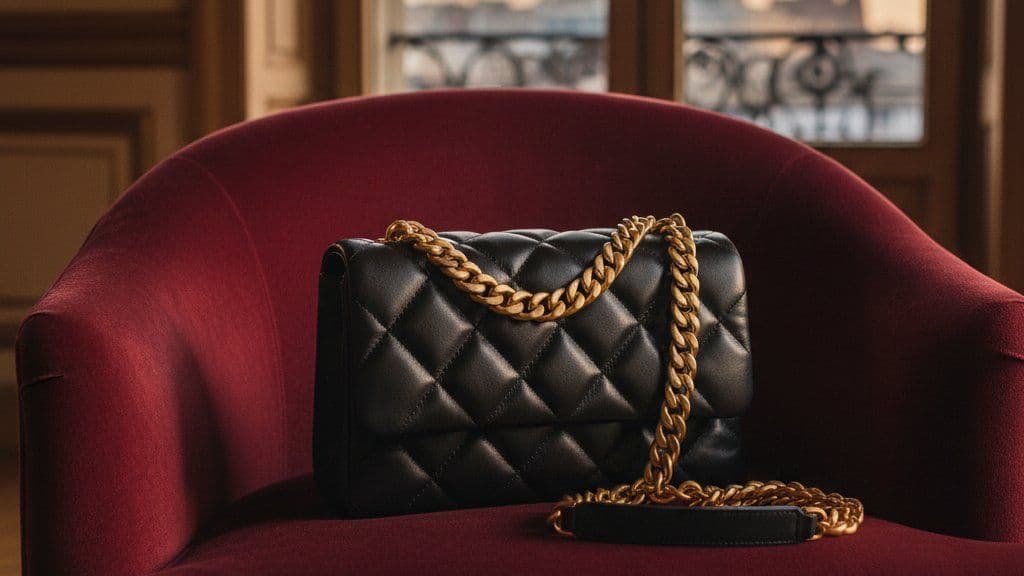
The Classic Flap is the bag most people mean when they say "a Chanel", and it's younger than they think: Karl Lagerfeld introduced it in the 1980s, updating Gabrielle Chanel's February 1955 original with the interlocking-CC turnlock and a chain woven through with leather. It comes in four classic sizes, small, medium, jumbo and maxi, in pebbled caviar or soft lambskin, with gold or silver-tone hardware. On Whoppah there are 383 Chanel bags live today, the largest brand on the platform at 37% of branded bag stock, and the Classic Flap is the model our curation team sees most often. Every listing is checked before it goes live. Here's how to choose yours: size first, then leather, then hardware, then the 2.55 question everyone eventually asks.
Classic Flap or 2.55: which one are you actually looking at?
Check the lock. The Classic Flap closes with the interlocking-CC turnlock, Lagerfeld's 1980s signature. The 2.55, the 1955 original that Lagerfeld reissued in 2005, closes with a plain rectangular turnlock, the Mademoiselle lock. Then check the chain: the Classic Flap's chain has leather woven through the links, while 2.55 reissues run all-metal.
Which to buy is temperament, not rank. The Classic Flap announces itself; the 2.55 lets people find out slowly. Secondhand listings muddle the two names constantly, so on Whoppah the lock in the photos is your truth, not the title. The full 2.55 guide tells that bag's story properly.
Which Classic Flap size should you buy?
Four classic sizes, four different lives.
- Small. An occasion bag. Phone (just), cards, keys, lipstick, and that's the ceiling. It sits high and neat on the shoulder with the chain doubled. If you're a light packer it can be an everyday bag; most people find its limits within a month.
- Medium. The reference size, and the one to buy if you're not sure. It holds the true daily essentials, works doubled on the shoulder or long, and it's the size with the deepest secondhand demand, which matters the day you sell.
- Jumbo. The realistic everyday size for people who carry more than essentials: sunglasses case, small pouch, compact umbrella at a push. Noticeably more presence on the body. Worn crossbody it leans casual; on the shoulder it still reads polished.
- Maxi. The largest of the four classic sizes, and the most divisive. Generous capacity, but on smaller frames the proportions take over. Try it on, or measure an existing bag you love against the listing's dimensions before committing.
A note on wearing: the smaller the size, the more styling options the chain gives you; the larger sizes mostly want to hang long. If you're between two sizes, take the smaller for evenings-and-weekends use and the larger for a work life.
Caviar or lambskin?
Caviar is pebbled calfskin: firm, grippy, and forgiving of rings, rain and restaurant floors. Lambskin is smooth and soft with a light-catching surface that caviar never quite matches, and it scratches far more easily. The honest trade: lambskin looks better on a shelf, caviar looks better after five years of actual use.
For a first Classic Flap, or any bag that will leave the house weekly, caviar is the sensible answer. Choose lambskin when the bag has a defined, gentler role: dinners, events, careful hands. On the secondhand market this logic shows up in condition: worn lambskin discounts steeply, while well-kept lambskin can be the quiet bargain of the category. The price and value guide covers how far those swings go.
Gold or silver hardware?
Gold on black is the configuration everyone recognises and the easiest to sell on, full stop. Silver-tone reads more modern and flatters lighter and cooler colours: beige, grey, blues. Neither is "correct". Two buying notes from the curation room, though. First, check plating wear on the CC lock and chain links in the listing photos, because hardware wear is priced in whether the seller mentions it or not. Second, on vintage pieces the gold tone often looks warmer and richer than on recent production, which many collectors actively seek out. Treat that warmth as character, not a flaw, but make sure the era of the hardware matches the era the listing claims. That mismatch is one of the things the authentication checks exist to catch.
Single flap or double flap: what changed?
Open the bag. A double-flap Classic Flap has a second, interior flap behind the main one; a single flap has more usable space and less ritual. For most of the model's life the smaller sizes were double-flap while the jumbo ran single-flap, and then, around 2010 by the widely accepted collector dating, the jumbo moved to a double-flap construction too. So a single-flap jumbo generally signals an earlier bag, and a double-flap jumbo a later one. Neither is better; the single flap is lighter and easier to live with, the double flap is the fuller expression of the design. What matters when buying secondhand is consistency: flap construction, serial sticker or microchip era (stickers until 2021, chips from spring 2021) and hardware style should all tell the same story about the bag's age.
"Medium, black, caviar, gold. It's the most predictable answer I ever give, and in seven years of running Whoppah nobody has come back to tell me it was wrong."
Evelien Bunnik-Remmelts, co-founder and CEO of Whoppah
The Chanel Classic Flap was introduced by Karl Lagerfeld in the 1980s as an update of the February 1955 2.55, and the two are told apart by their closures: the Classic Flap carries the interlocking-CC turnlock and a leather-woven chain, while the 2.55 carries the rectangular Mademoiselle lock and, on the 2005 reissue line, an all-metal chain. Classic sizes run small, medium, jumbo and maxi, in pebbled, durable caviar or soft, delicate lambskin, with gold or silver-tone hardware. Jumbos moved from single-flap to double-flap construction around 2010 by collector consensus, so flap style helps date a bag alongside its serial sticker (used until 2021) or embedded microchip (from spring 2021). On Whoppah, 383 Chanel bags are live as of 30 July 2026, and every listing is checked by the curation team before going live, with buyer protection on every purchase.
Frequently asked questions
Is the Classic Flap the same bag as the 2.55?
No. The 2.55 is the February 1955 original with the rectangular Mademoiselle lock; the Classic Flap is Lagerfeld's 1980s evolution with the interlocking-CC turnlock and leather-woven chain.
Which Classic Flap size holds value best?
The medium has the deepest buyer pool on the secondhand market, which makes it the easiest to sell at a fair price. Jumbos do well with everyday-bag buyers; the maxi's market is thinner.
Should my first Classic Flap be caviar or lambskin?
Caviar, unless the bag will live a sheltered life. It's pebbled, durable and far more forgiving; lambskin is softer and scratches easily.
How do I date a Classic Flap?
Stack the signals: serial sticker format (used until 2021) or microchip (spring 2021 onward), single versus double flap on jumbos, hardware style and lining. They should agree with each other and with the listing.
Are Classic Flaps on Whoppah checked before sale?
Yes. Every listing on Whoppah is reviewed by the curation team before it goes live, and purchases carry buyer protection with insured shipping options. If anything feels off, support is one message away.
The medium in black caviar is waiting for someone sensible. See every Classic Flap live now in the Chanel selection, or start broader at all bags.