Mid Century Modern Wardrobes
41 results
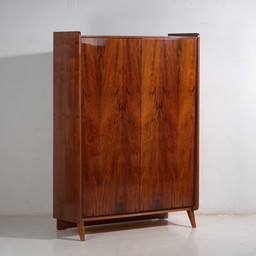

Mid-century rosewood wardrobe – Czechoslovakia, attributed to Pravánec, 1950s
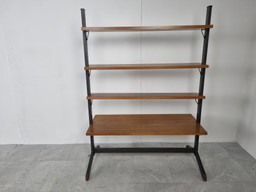

Olof Pira for String AB Mid century bookshelf, 1960s
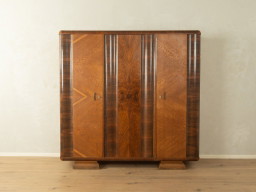

Art Deco Wardrobe
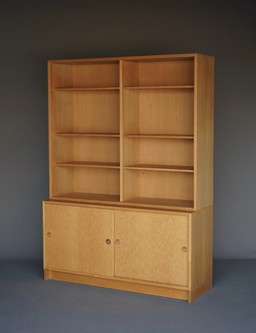

Oak Bookcase by Børge Mogensen for Karl Andersson & söner. Sweden, 1960s
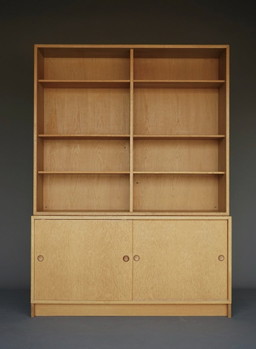

Oak Bookcase by Børge Mogensen for Karl Andersson & söner. Sweden, 1960s
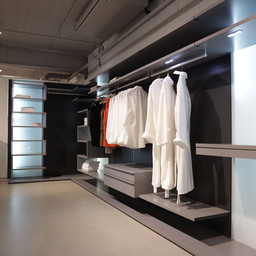

Presotto Varius wardrobe
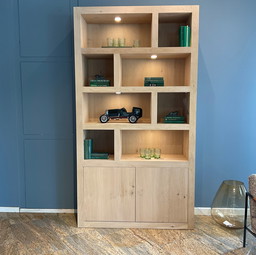
Vermeer Furniture Clear wall cabinet (Leiderdorp)
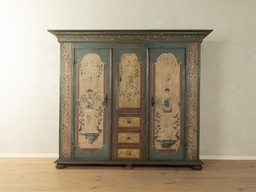

Antique Wardrobe, 1900s, Vintage
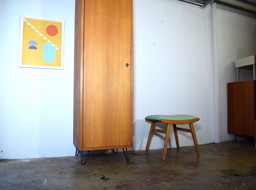

1950s Vintage Cabinet Wardrobe Highboard Chest of Drawers Mid Century
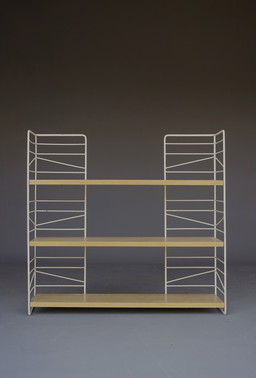

Mid-Century Swedish Shelving Unit by Kasje & Nils Nisse Strinning for String, 1950s
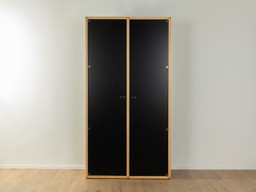

Flötotto Wardrobe
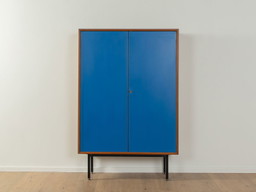

1960s Dresser, WK Möbel
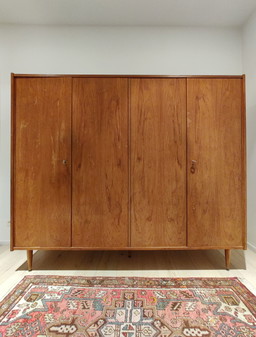

Mid-century wardrobe by Berner Huwil
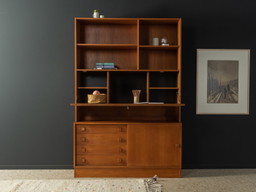

Domino Møbler Bureau
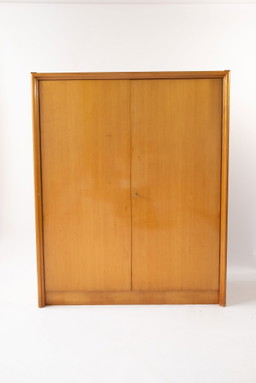

Vintage wardrobe
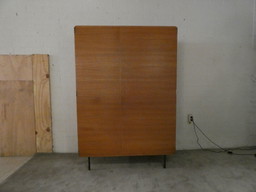

Gunter Renkel for Rego linen wardrobe
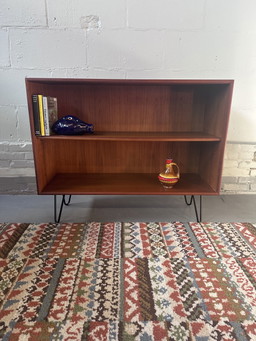

Hairpin cabinet bookcase
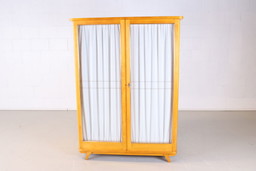

wardrobe with curtains
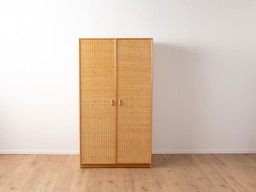

Roberti Rattan wardrobe
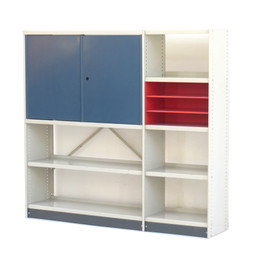

Friso Kramer for Ahrend de Cirkel wall system
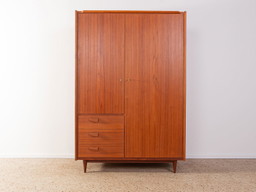

vintage wardrobe
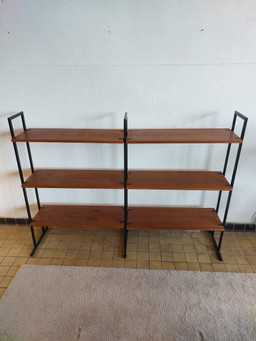

Vintage wall system / bookcase
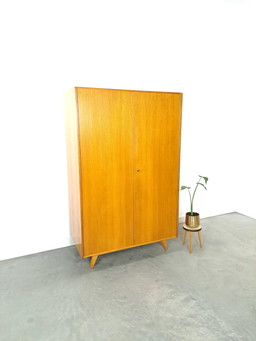

Jiri Jiroutek veneer wardrobe
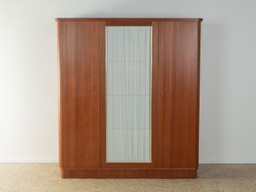

vintage wardrobe
Vintage mid-century modern wardrobes
Mid-century modern wardrobes prove that storage can have the same tapered legs, clean proportions and warm timber as the sideboard everyone photographs. Currently Whoppah lists 24 mid-century modern wardrobes from the 1950s and 1960s, a small and specific group where each piece has been chosen for its design merit rather than just its capacity. Some show art deco traces in their rounded corners, marking the transition between the two styles.
Two makers stand out. Otto represents German bedroom furniture of the period, with practical layouts and honest construction, while Espen Greger Hagen brings Norwegian teak craftsmanship and the subtle detailing that Scandinavian collectors prize. Wood is the primary material throughout, joined by glass in sliding doors or mirror panels, textile-covered fronts on some designs and metal or brass handles that catch the light. Expect oiled teak, oak and walnut veneers with the grain carefully matched across doors.
Every wardrobe is reviewed by our curation team before it appears online, with veneer, doors and interior fittings examined. Bid or buy now, then arrange insured furniture delivery to any address in Europe.
What makes a wardrobe mid-century modern rather than simply old?
Look for the design language of roughly 1945 to 1970: raised on slender tapered or splayed legs, flush doors without mouldings, and teak, rosewood or walnut veneer with matched grain. Handles are often recessed or sculpted from the same wood. Earlier wardrobes sit directly on a plinth with heavier profiles, while 1970s pieces move towards laminate and chunkier forms. Otto and Espen Greger Hagen both worked squarely in this idiom.
How heavy are mid-century wardrobes and who moves them?
A two-door teak wardrobe from the 1950s or 1960s generally weighs 60 to 100 kilograms, and larger three-door versions considerably more. On Whoppah, these pieces travel with a furniture courier who brings two people, blankets and straps, and the transport is insured. Removing doors and shelves before the move lightens the load and protects the hinges, so ask the seller whether that is possible.
How do I match a mid-century wardrobe with the rest of my bedroom?
Pair teak with warm neutrals and a single deep accent colour, and echo the tapered legs in a bedside table or bench rather than repeating the same maker. A mirrored or glass-fronted Otto wardrobe brightens a small room, while a textile-fronted piece softens hard flooring. Avoid buying a full matching suite; one strong Espen Greger Hagen wardrobe with a contemporary bed looks far more considered.