Leolux: the Dutch upholstery house with a fifty-year design pedigree
Leolux has been making upholstered furniture in Venlo since 1934. They have collaborated with Pierre Paulin, Wim van der Steen and others. Here's the short story.

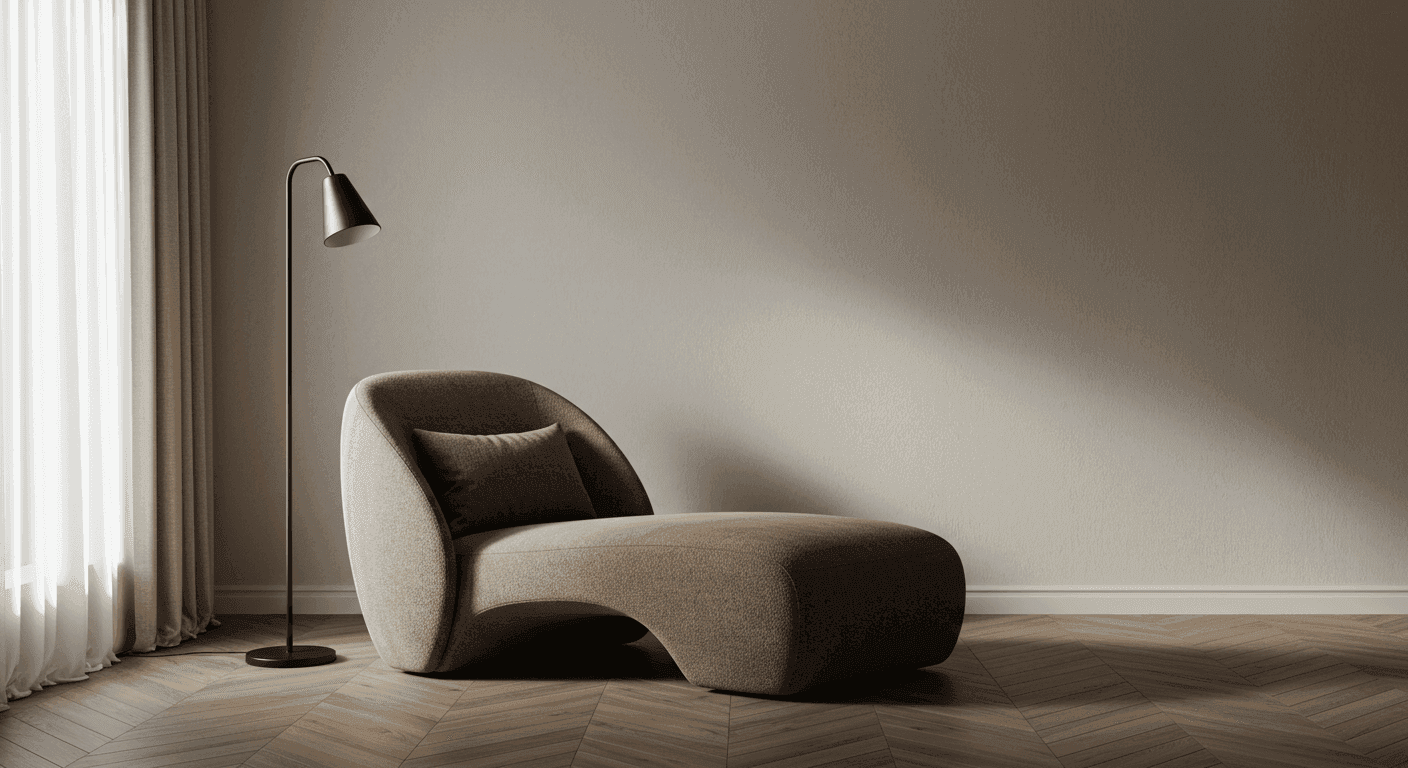
Leolux is the best-value Dutch upholstered furniture on Whoppah right now, and the reason is an asymmetry: the quality is contract-grade but the brand is less famous internationally than Artifort, so pricing has not caught up. Leo Lückers founded it in Venlo in 1934 as a traditional upholstery workshop, and it began commissioning external designers in the 1970s, Pierre Paulin among them. Vintage 1980s and 90s Leolux lounge chairs sell here at €600 to €1,800 and sofas at €1,200 to €3,500, with hide weight comparable to Poltrona Frau. Supply reaches us most often from Limburg and Brabant sellers, and demand is strongest within the Netherlands.
Leolux was founded in 1934 in Venlo, in the south of the Netherlands, by Leo Lückers. The company started as a traditional upholstery workshop and slowly evolved into a contemporary design-led manufacturer. The transformation accelerated in the 1970s when Leolux began commissioning external designers rather than producing only in-house designs.
Pierre Paulin worked with Leolux in the 1970s and 80s; his Pacha chair and a number of his lounger designs were produced there alongside Artifort. Wim van der Steen contributed several of the 1980s and 90s lounge chairs that became Leolux signatures. More recent collaborations include Beatrice Hasler, Frans Schrofer, Roderick Vos and Axel Enthoven.
What Leolux is best known for, though, is the quality of the in-house upholstery work. The Cantate sofa (1990s, Wim van der Steen), the Bora Bora chair (Frans Schrofer, 1996), the Pode side chairs and the Indra dining chair are all reliably well-built. Leather pieces in particular hold up exceptionally well, with the hide quality often equal to Italian leather houses at a lower price point.
How do you recognise an authentic Leolux?
What to look for on the secondhand market: authentic Leolux pieces carry a Leolux label, usually sewn inside the upholstery on a seat-cushion underside. The leather should feel substantial; Leolux leather is similar in weight to Poltrona Frau hides. Wooden frame components carry stamped or written model numbers that can be cross-referenced against Leolux's archive.
What does a vintage Leolux lounge chair cost on Whoppah?
Vintage Leolux lounge chairs from the 1980s and 90s sell on Whoppah at €600 to €1,800 depending on model and condition. Sofas €1,200 to €3,500. These are some of the best-value Dutch upholstered pieces in the secondhand market right now: the quality is contract-grade, the brand is less famous internationally than Artifort, and pricing reflects that asymmetry.
Reupholstery is accepted and well-supported. Leolux still operates its original Venlo factory and offers a restoration service that uses period-correct materials.