Hay: the Danish brand that brought affordable contemporary design back to the mainstream
Hay was founded in 2002 in Copenhagen. They have become the most influential contemporary furniture brand of the past 20 years, with prices that working people can actually afford. Here's the short story.

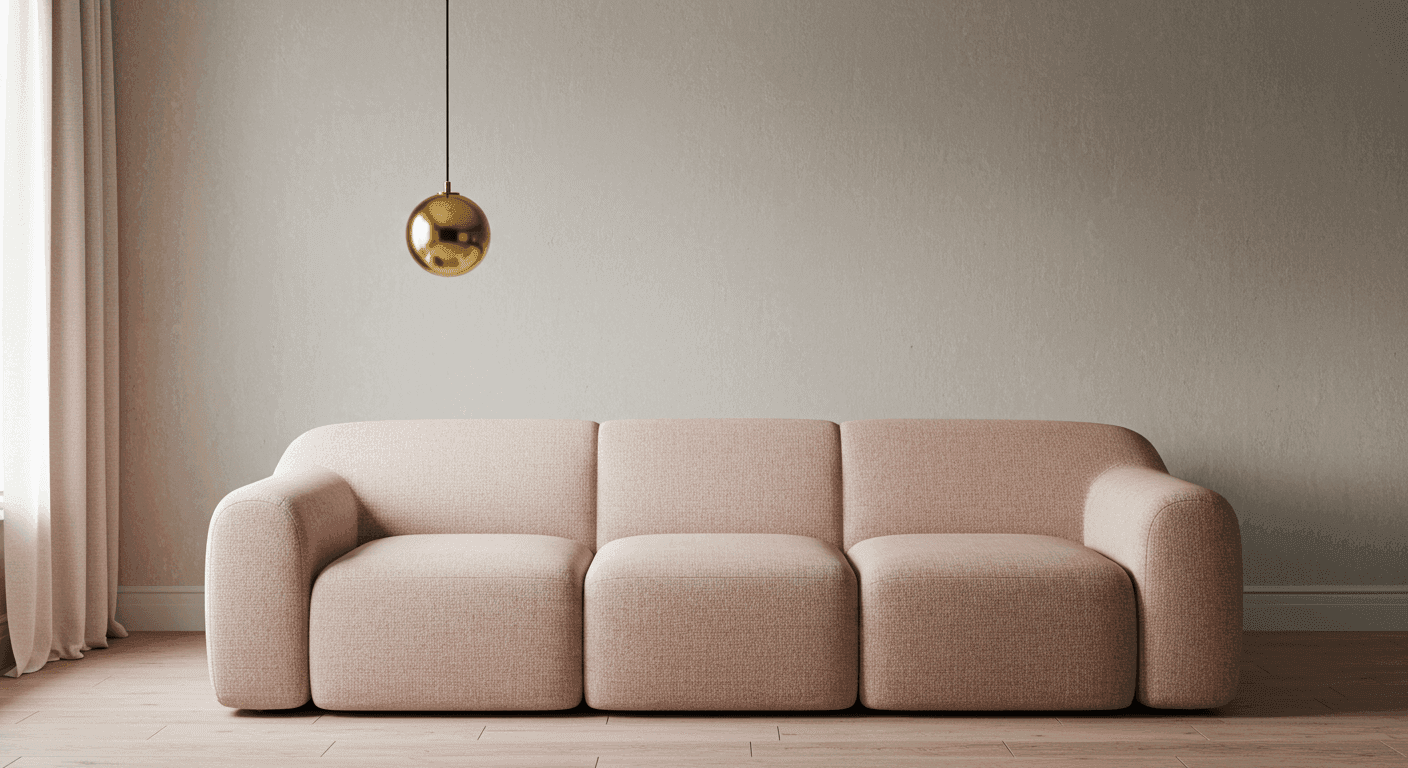
Hay brought affordable contemporary design back to the mainstream, and secondhand it is the cheapest honest route onto a Danish-designed chair. Rolf Hay and Mette Hay founded the brand in Copenhagen in 2002 with a specific brief: revive the post-war Danish democratic-design tradition at contemporary prices. The price discipline holds, with most dining chairs under €200 new, and on Whoppah an early-2010s About a Chair sells at €60 to €150 each. Be clear-eyed about what you are buying: the plastic chairs hold up, the upholstered pieces give 8 to 12 years of household use. Hay is one of the highest-volume contemporary listings here, with Copenhagen and Berlin sellers leading supply across our 16 markets.
Hay was founded in 2002 in Copenhagen by Rolf Hay and Mette Hay, with backing from Danish furniture manufacturer Bestseller. The founding brief was specific: revive the post-war Danish democratic-design tradition (Mogensen, FDB Møbler, the early Hans Wegner workshop years), but at contemporary price points and with contemporary designers. After twenty-plus years, Hay has more or less succeeded in that brief, and they're now the brand most directly responsible for the global popularisation of contemporary Scandinavian design.
The catalogue is built around collaborations with mid-career international designers: Ronan and Erwan Bouroullec (the Hee dining chair, the Cardo armchair), Jasper Morrison (the Crate series, the Soft Edge chairs), Naoto Fukasawa, Stefan Diez, Sebastian Wrong, Doshi Levien, Konstantin Grcic, and Inga Sempé among others. The pieces are designed for contemporary apartment living, with a price discipline that keeps most dining chairs under €200 and most sofas under €2,000.
What does a used Hay About a Chair cost on Whoppah?
The About a Chair series (Hee Welling, 2010) is the volume product. Stackable, available in dozens of colours, in plastic, wood or upholstered variants. It is, functionally, the contemporary Eames Plastic Chair. Vintage Hay About a Chairs from the early 2010s sell on Whoppah at €60 to €150 each.
The Hee dining chair (Hee Welling, 2014) and the Pao pendant lamp (Naoto Fukasawa, 2017) are also high-volume pieces with active secondhand markets.
What to look for on the secondhand market: Hay's quality discipline is real but not on the level of Cassina or Carl Hansen. The plastic chairs hold up well; the wooden chairs need occasional refinishing on the seat edges; the upholstered pieces are good for 8 to 12 years of household use before they show their age. Hay is excellent value for a contemporary piece, but it isn't furniture you pass down to grandchildren in the way mid-century Danish work is.
How do you recognise an authentic Hay piece?
Authentic Hay pieces carry the Hay label, usually a small embossed mark on the underside of seat or shelf components.