Gubi: the Danish brand reissuing mid-century work that other manufacturers forgot
Gubi has built a catalogue by acquiring rights to lesser-known mid-century pieces (Paavo Tynell, Greta Magnusson Grossman, Mathieu Matégot) and producing them again. Here's the short story.

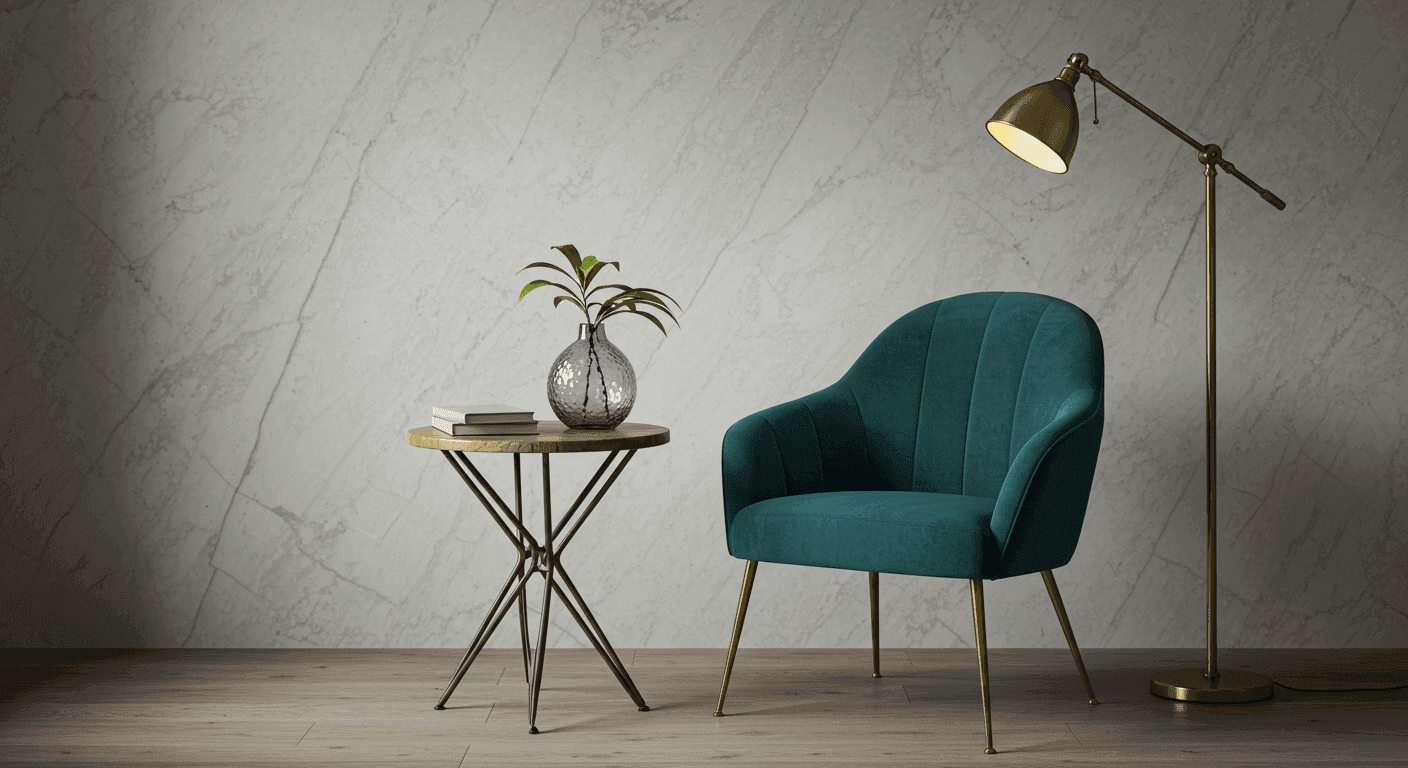
Gubi is the Danish brand that reissues mid-century work other manufacturers forgot, and that is the one thing to understand before buying it secondhand. Founded in Copenhagen in 1967 as an interior design studio, it moved into manufacturing in the late 1990s by acquiring production rights to overlooked designs by Greta Magnusson Grossman, Paavo Tynell, Mathieu Matégot and Pierre Paulin. On Whoppah a Gubi-produced Cobra lamp from the 2010s sells at €500 to €1,200 against roughly €1,400 new, the Beetle chair (GamFratesi, 2013) at €450 to €900, and a Gubi Bestlite BL3 at €400 to €900. Always check whether a piece is original-period or a Gubi reissue: both are legitimate, but they are different markets. Demand is strongest across the Nordics and Northern Europe.
Gubi was founded in 1967 in Copenhagen as an interior design studio. The shift toward manufacturing came in the late 1990s, when they began acquiring the production rights to lesser-known mid-century pieces and reissuing them. The strategy has worked: Gubi has built one of the most distinctive reissue catalogues in the European market, including work by Greta Magnusson Grossman, Paavo Tynell, Mathieu Matégot, Pierre Paulin, Joe Colombo, and several others.
The Beetle chair (GamFratesi, 2013) is one of the few original-design Gubi pieces. A small upholstered chair with the wide rounded shell. €450 to €900 in vintage Gubi production.
The Pedrera coffee table (Barba Corsini, 1955, Gubi reissue from 2013) is one of the marble-and-brass reissues that defined the brand's signature look.
What does a Gubi Cobra lamp cost secondhand?
The Cobra lamp (Greta Magnusson Grossman, 1949, Gubi reissue from 2012) is the calling card of their lighting catalogue. A sleek aluminium articulated lamp that Grossman designed in California during her American period. Vintage Gubi-produced Cobras from the 2010s sit at €500 to €1,200 on Whoppah; current Gubi retail is around €1,400.
The Bestlite BL3 floor lamp (Robert Dudley Best, 1930), originally a British industrial design, has been reissued by Gubi since 2006. Vintage Gubi-produced Bestlites in good condition run €400 to €900.
How do you tell a Gubi reissue from an original-period piece?
What to look for on the secondhand market: authentic Gubi pieces carry the Gubi brand label, typically on the underside of furniture or on the metal hardware of lighting. Because Gubi's catalogue includes both original designs and reissues of earlier work, it's worth checking whether a piece is original-period (and what brand produced it then) or a Gubi reissue. Both are legitimate but they're different markets.
Gubi's reissue work is well-made; the company licences the rights properly and produces to original spec where possible. They are not, however, the original manufacturers, so a 1955 Grossman piece from her original Californian period and a 2015 Gubi-produced reissue of the same design are different objects with different markets.