Artek: the Finnish company Alvar Aalto founded to make his own furniture
Artek was founded in 1935 by Alvar Aalto and Aino Aalto specifically to produce their own bent-plywood furniture. The Stool 60 is still in production from the same factory in Turku. Here's the short story.

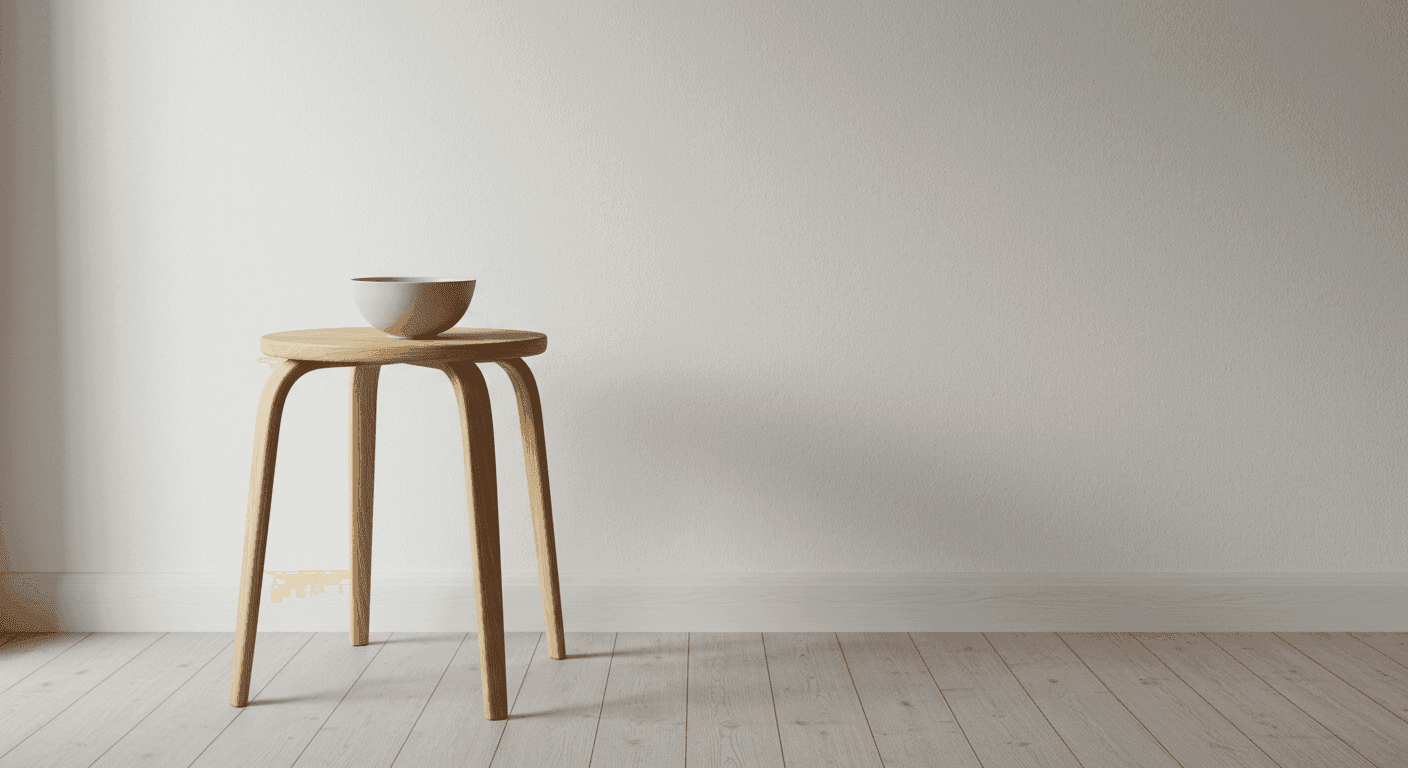
Artek exists because Alvar Aalto wanted his own bent-plywood furniture made properly and made affordably. He founded it in Helsinki in 1935 with Aino Aalto, the art patron Maire Gullichsen and the critic Nils-Gustav Hahl, and the Stool 60 has been in continuous production since 1933, still from the original Turku factory. That continuity is why a genuine 1970s Artek Stool 60 sells on Whoppah at €150 to €300 while a new one retails at around €280. The Paimio chair (1932) runs €1,500 to €3,500 in vintage Artek production and the Aino Aalto Tea Trolley 901 (1937) €700 to €1,800. Our curators verify the Artek markings carefully, because the catalogue has been reproduced under various licences over decades.
Artek was founded in Helsinki in 1935 by four people: Alvar Aalto and Aino Aalto, both architects; Maire Gullichsen, an art patron; and Nils-Gustav Hahl, a critic. The brief was specific: produce Aalto's bent-plywood furniture catalogue commercially, and at a price that ordinary Finnish households could afford. The company is still based in Finland, still independent (now owned by Vitra since 2013, with editorial independence preserved), and still produces the original Aalto catalogue in the original factory in Turku.
The Stool 60 (Alvar Aalto, 1933) is the canonical piece. A three-legged stacking stool with the L-shaped bent-birch legs that Aalto patented. It has been in continuous production since 1933, and the stools you'll see on Whoppah today, whether from 1955 or 1995, are made in the same factory with substantially the same technique.
The Paimio chair (Alvar Aalto, 1932), originally designed for the Paimio Tuberculosis Sanatorium, is the formal lounge chair version: bent birch frame, bent-plywood seat. Authentic vintage Artek Paimio chairs from the 1960s and 70s sell on Whoppah at €1,500 to €3,500.
The Tea Trolley 901 (Aino Aalto, 1937), the bent-birch tea trolley with ceramic top, is the elegant utility piece. €700 to €1,800 in vintage Artek production.
The Y805A pendant lamp (Alvar Aalto, 1953), the spun-aluminium pendant that became the standard Finnish dining-table light, sells used at €400 to €1,200.
How do you recognise an authentic Artek piece?
What to look for on the secondhand market: every authentic Artek piece carries an Artek stamp, either branded into the wood (older pieces) or as a metal disc affixed to the underside (newer pieces). The bent-plywood quality is the second authentication: Artek uses a specific lamination technique with visible layered grain at the bend point. Copies often have hidden laminations that crack at the bend after a decade.
What does a vintage Artek Stool 60 cost on Whoppah?
A genuine 1970s Artek Stool 60 sells on Whoppah at €150 to €300; current Artek retail is around €280, so the secondhand premium for a vintage piece in good condition is real.