Have it delivered hassle-freeBuyer protectionAll Designer items curated by WhoppahDownload the Whoppah App – get alerts & sell with ease.
Have it delivered hassle-free
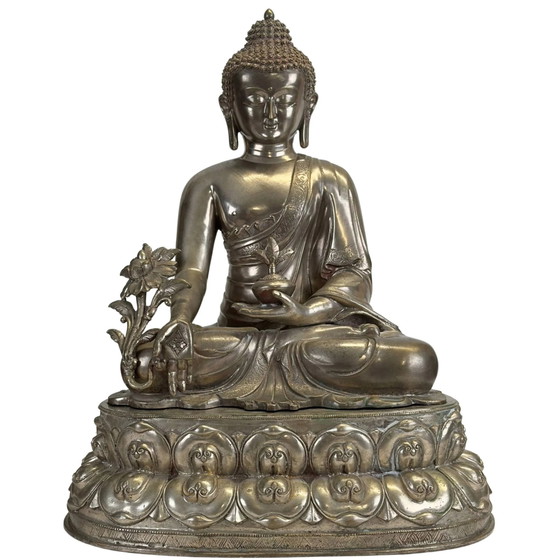
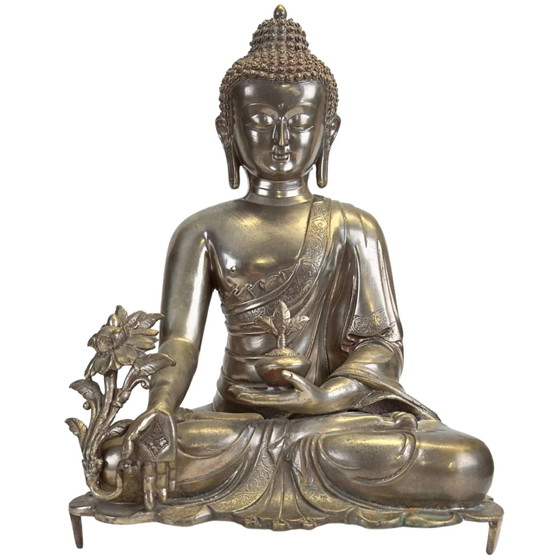
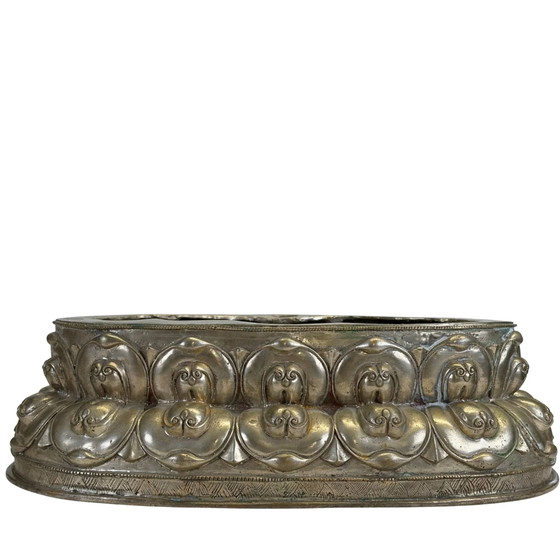
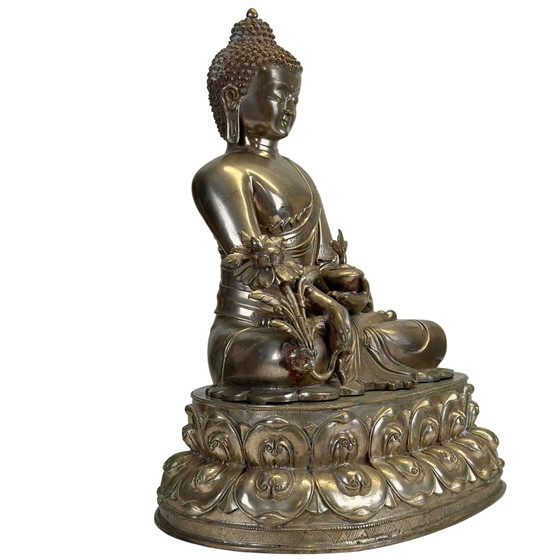
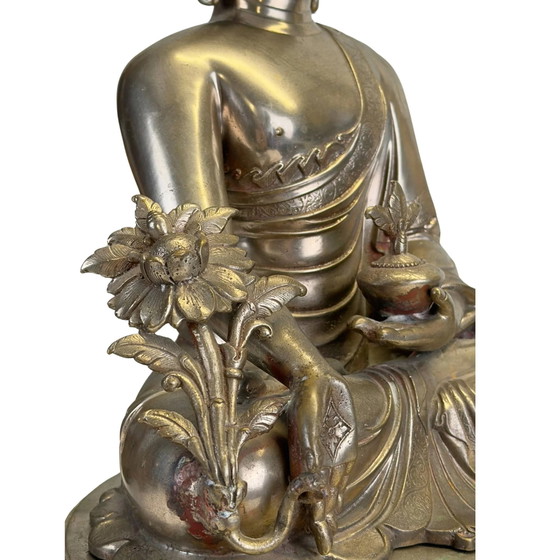
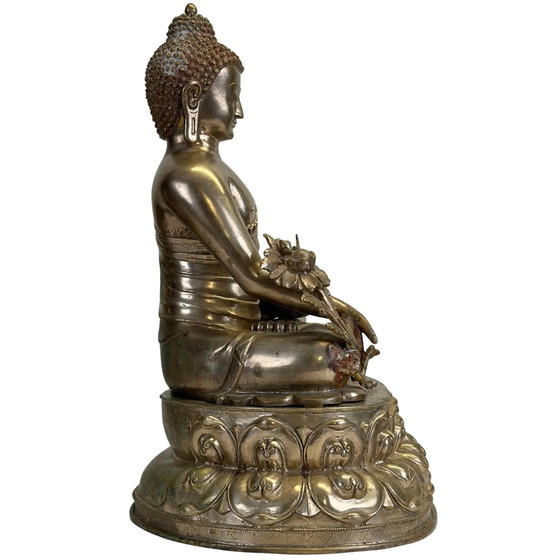
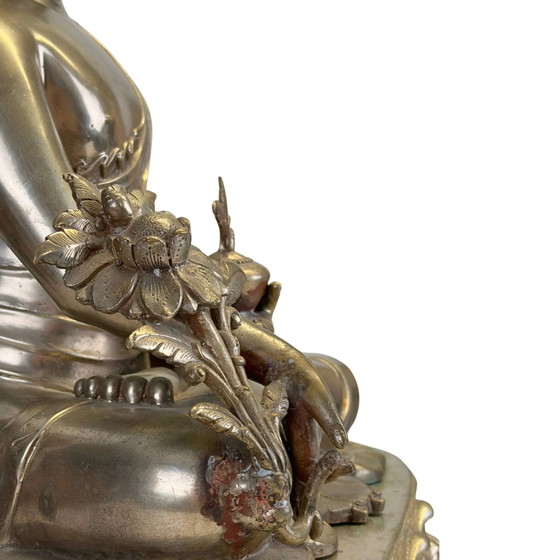
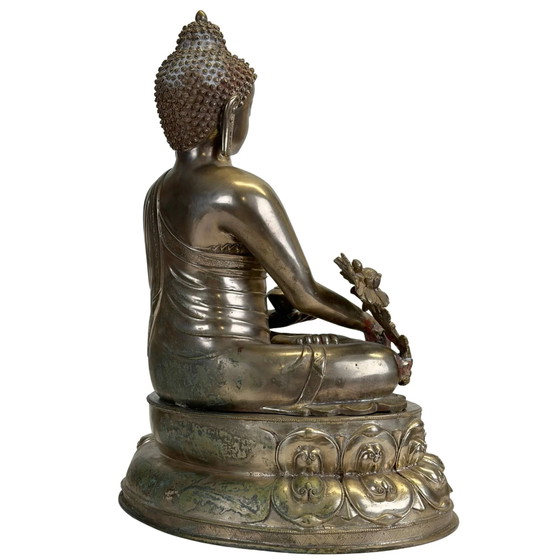
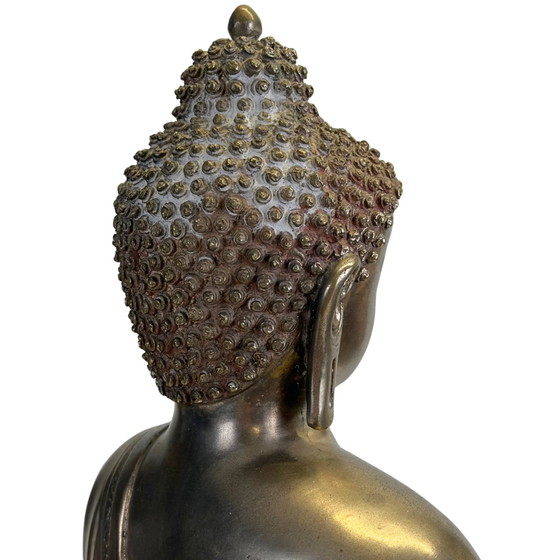
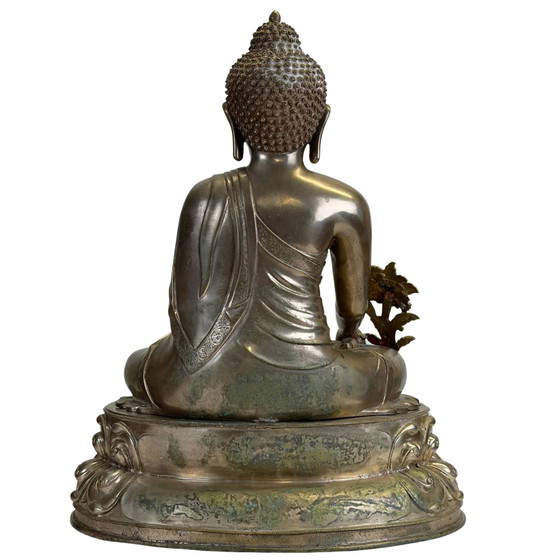
Monumental Silvered Bronze Bhaisajyaguru (Medicine Buddha), Newar Tradition, Kathmandu Valley for Tibet, ca. 1450–1600
€190,000Bid from €171,000
Buy with confidence
Shop & pay safely with Buyer ProtectionDesigner items curated by WhoppahWe only pay the seller once you have safely received the itemTrusted payment methods


About this seller
Private sellerDamme, GermanyOn Whoppah since February 2025 • 3 sales
Product description
museum piece / available on request ONLY
Specifications
Height: 46.0 cm
Weight: 14.0 kg
Material: Solid cire perdue cast copper alloy with historic silvered finish and gilded accents
Construction: Two-part cast (figure and lotus base crafted separately)
Provenance: Kathmandu Valley (Newar tradition), crafted for the Tibetan Buddhist world
Dating: approx. 1450–1600
An exceptional example of historic Himalayan bronze art
This monumental depiction of Bhaisajyaguru, the Buddha of Healing and Medicinal Wisdom, ranks among the most technically refined Himalayan objects we have examined to date. The combination of monumental dimensions, exceptional weight, high-quality chasing, two-part construction, and a historic silvered finish clearly places this sculpture within the highest echelon of traditional Newar metal art. During extensive technical examination, both the exterior and internal construction were investigated. The casting core, the structure of the sculpture, its finish, wear patterns, and iconography were thoroughly documented and compared with documented objects from international museum and auction collections.
Traditional Cire Perdue Casting
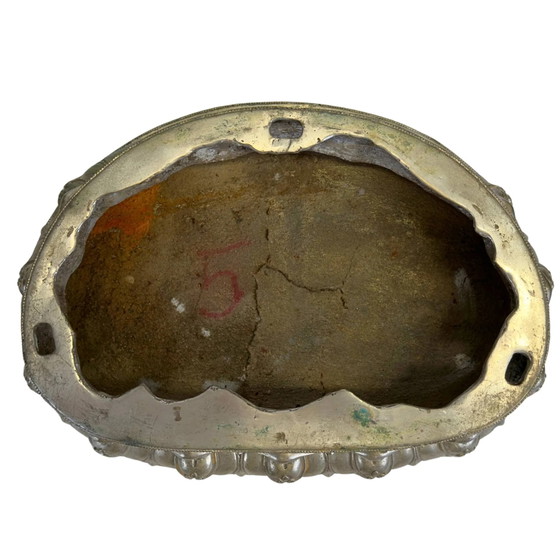
The sculpture was crafted using the ancient cire perdue (lost-wax) technique. The Buddha and the monumental double lotus base were cast separately and later joined, a construction method characteristic of high-quality historic Himalayan bronze art. Inspection of the interior shows that the original casting core has largely been preserved. Furthermore, an original magnetic iron core support was identified, which was used during the casting process to stably position the clay core. The presence of this construction constitutes an important technical characteristic of traditional manual lost-wax castings. The interior also shows remnants of the original casting core with a natural granular structure and organic inclusions, consistent with historic Himalayan casting techniques where clay was mixed with mineral and plant materials to stabilize the core during the casting process.
Historic Finish
The exterior possesses an exceptionally well-preserved silver-colored finish, still showing a clear reflectivity in protected areas. In combination with the present gilded accents, for instance on the hair curls, this indicates a valuable historic surface treatment that significantly surpasses the standard finish of religious temple sculptures. Beneath the surface, natural copper corrosion products are visible, including green malachite formation and reddish-brown oxidation, consistent with a copper-containing alloy that has aged naturally over a long period.
Bhaisajyaguru – The Medicine Buddha
Within Mahayana and Vajrayana Buddhism, Bhaisajyaguru is revered as the Buddha of Healing. He symbolizes physical recovery, mental purification, and spiritual enlightenment. In his left hand, he holds the medicine bowl, while the richly detailed medicinal plant alludes to the healing wisdom with which he is traditionally associated. The monumental botanical elaboration of this plant is among the most striking features of the sculpture. In combination with the finely chased leaves, flower, and stem, it forms an important iconographic element that underscores the exceptional quality level of this object.
Newar Mastership
The design of the face, the long almond-shaped eyes, the subtle lips, the elegant neck, the monumental lotus base, and the exceptionally refined chasing closely align with classical Newar bronze art from the Kathmandu Valley. The combination of these characteristics with Tibetan religious iconography points to its production for the Tibetan Buddhist world by a workshop fully conversant with the highest Newar traditions. Notable features include the richly engraved robe hem, the finely detailed palms, and the monumental double lotus base. Virtually every visible surface is hand-chased, integrating both decorative and religious motifs into the design.
Natural Wear and Patina
The sculpture exhibits a homogeneous historic wear pattern consistently visible across its entire surface. The raised parts of the engravings have been gradually rounded by prolonged ritual handling, while the deeper areas of the chasing have retained their original sharpness. This combination of wear, natural patination, and internal aging forms a consistent historic ensemble. The internal construction also shows prolonged natural mineralization and corrosion formation, consistent with a historic object preserved undisturbed for a long period.
Research Status
For this sculpture, an extensive internal research dossier has been compiled, thoroughly documenting its construction, casting technique, iconography, and stylistic characteristics. The current research results support the provisional attribution to a high-quality Newar workshop from the Kathmandu Valley, produced for the Tibetan Buddhist world. Further comparisons with documented museum objects are part of the ongoing research.
Additional details:
- Brand: 1stbuddha
- Style: Newar
- Style: Himalayan
- Style: Tibetan Buddhist
- Material: Koperlegering
- Colour: Goud
- Period: ca. 1450–1600
- availability: in_stock
- product_type: Beeld / sculptuur
Specifications
CategorySculptureConditionVery goodColorsSilverMaterialSilver, GoldSeller locationDamme, GermanyDelivery optionsDelivery or pickup
Discover more
Seller information
About this seller
Private sellerDamme, GermanyOn Whoppah since February 2025 • 3 sales