Have it delivered hassle-freeBuyer protectionAll Designer items curated by WhoppahDownload the Whoppah App – get alerts & sell with ease.
Have it delivered hassle-free
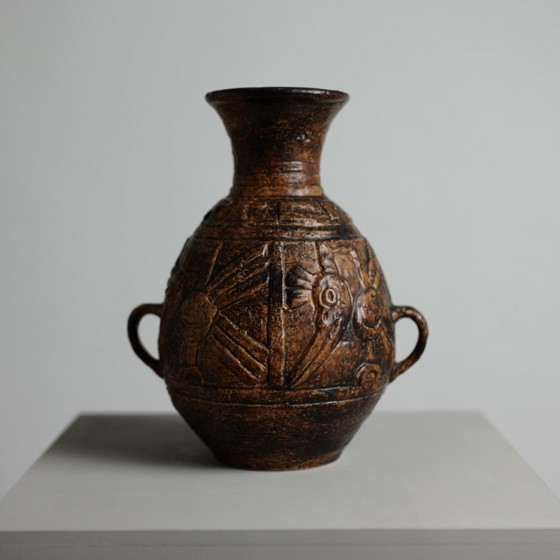
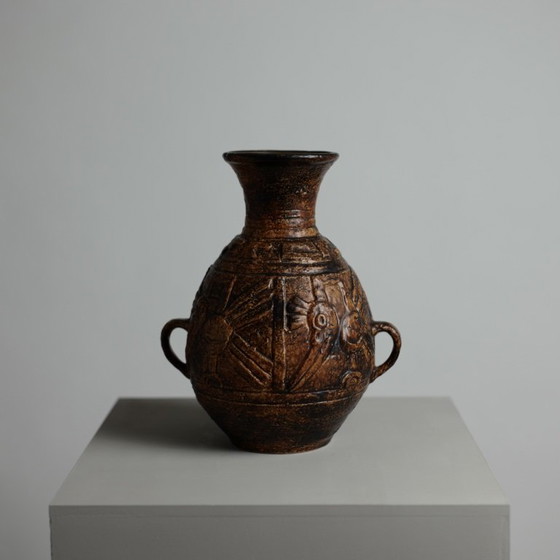
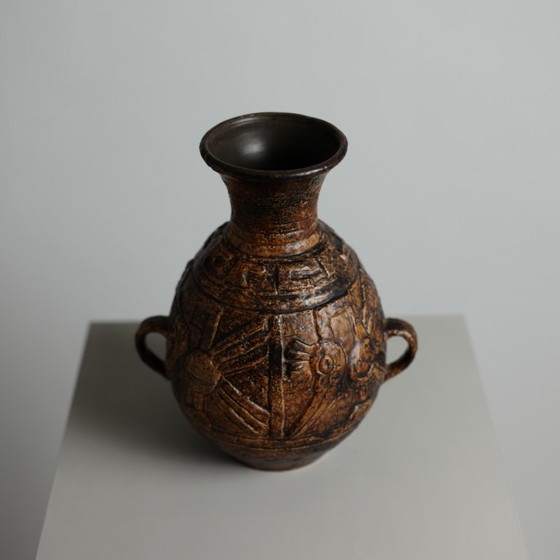
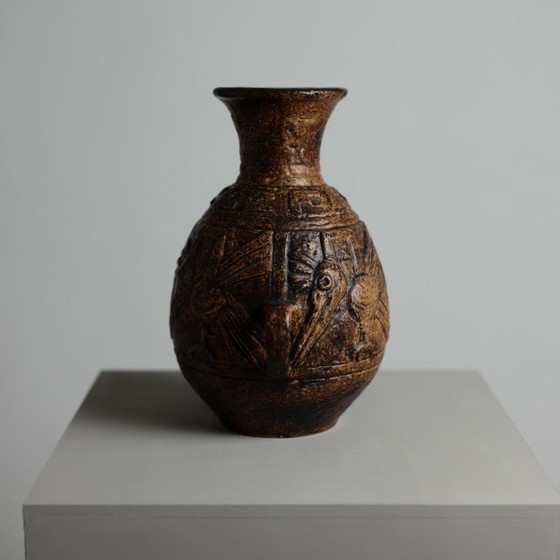
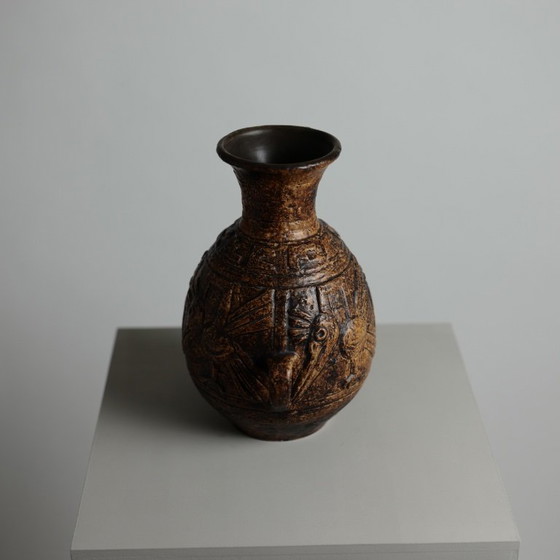
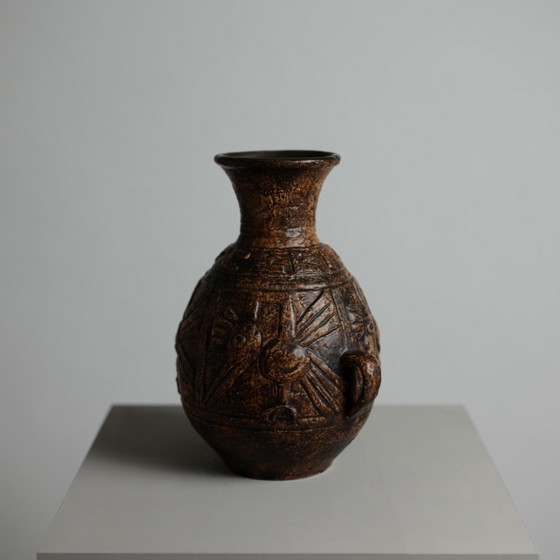
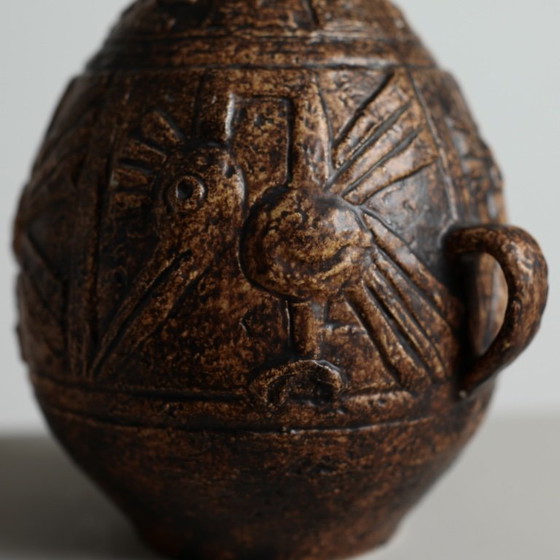
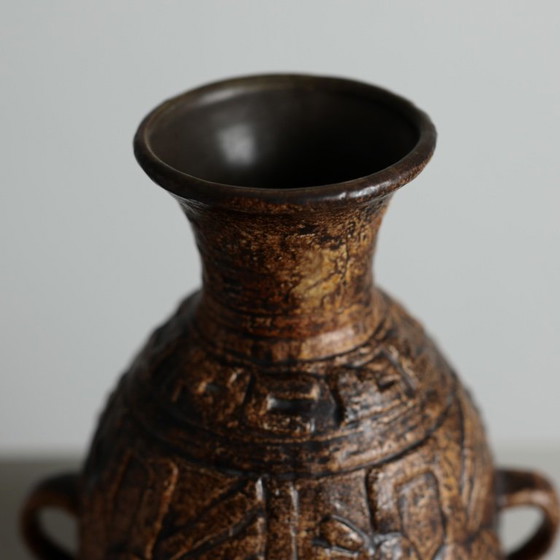
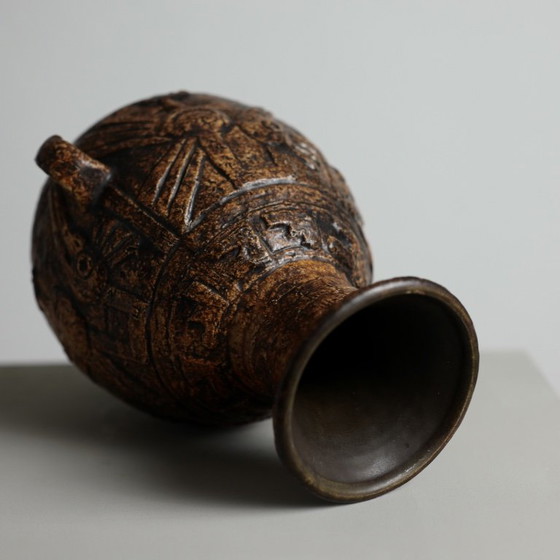
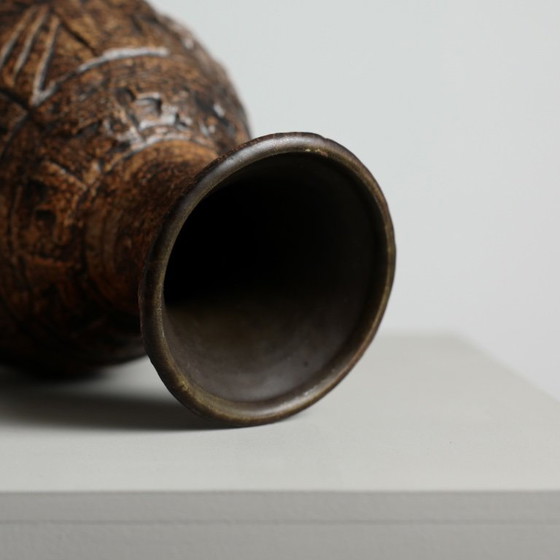
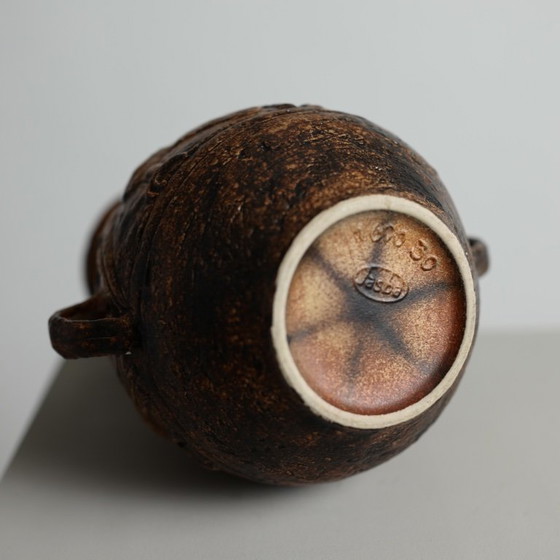
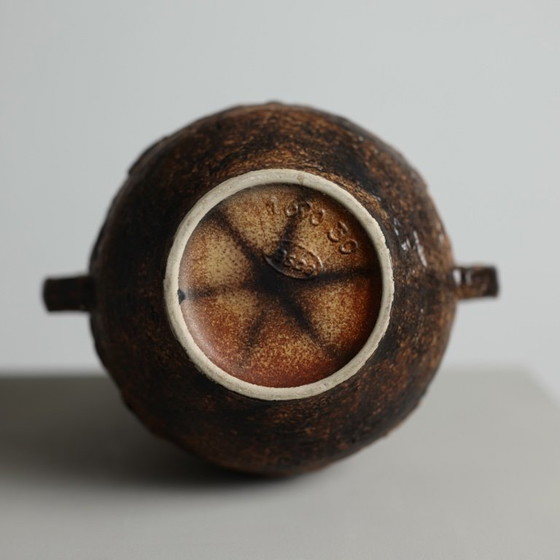
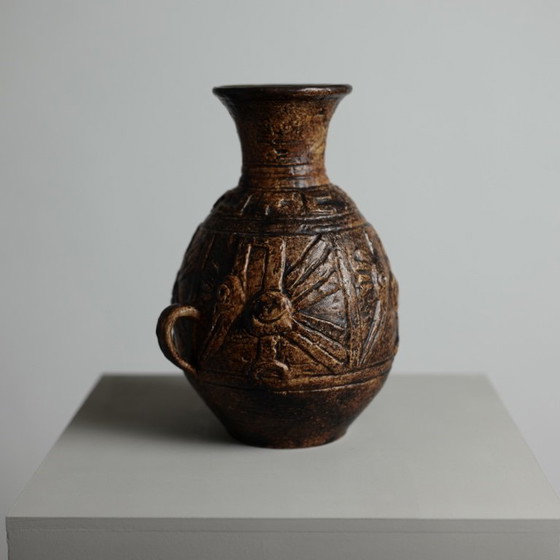
Jasba Model 1690-30 Sculptural Ceramic Vase, West Germany, c. 1970
€480Bid from €400
Buy with confidence
Shop & pay safely with Buyer ProtectionDesigner items curated by WhoppahWe only pay the seller once you have safely received the itemTrusted payment methods


About this seller
Private sellerProduct description
A striking Model 1690-30 ceramic vase by Jasba, produced in West Germany around 1970. With its strongly sculptural form, twin handles and richly textured surface, the piece is a characteristic example of the expressive direction taken by West German ceramics during the late 1960s and early 1970s. The vase is particularly distinguished by its elaborate relief decoration inspired by pre-Columbian art. Stylized birds, geometric elements and abstract symbols form a continuous sculptural band around the body, giving the vessel an almost archaeological or ritual quality. The broad flared neck and compact handles reinforce its archaic, amphora-like silhouette. Its glaze is equally distinctive: a complex combination of deep brown, black and warm ochre tones creates a mottled, almost bronze-like surface. Dark glaze settles into the recessed relief while the raised areas catch lighter shades, emphasizing the graphic decoration and giving the vase remarkable depth and material presence. Founded in 1926 in the Westerwald, Jasba became one of the notable manufacturers of post-war West German decorative ceramics. The company’s experimental glazes and increasingly sculptural forms placed its work firmly within the broader development of West German Pottery and the Fat Lava era. This Model 1690-30 demonstrates that development particularly well, combining industrial ceramic production with a deliberately handcrafted and highly expressive appearance. The underside retains the original impressed Jasba mark and model number 1690-30, clearly identifying the manufacturer and form. Comparable documented examples measure approximately 30 cm in height. A highly decorative and collectible example of West German post-war ceramic design, notable for its unusual sculptural relief, restrained earth-toned glaze and strong architectural presence.
Specifications
ConditionExcellentColorsBrownMaterialCeramicNumber of items1Height30 cmWidth24 cmDepth20 cm
Discover more
Seller information
About this seller
Private sellerStuttgart, GermanyOn Whoppah since September 2026 • 0 sales