Have it delivered hassle-freeBuyer protectionAll Designer items curated by WhoppahDownload the Whoppah App – get alerts & sell with ease.
Have it delivered hassle-free
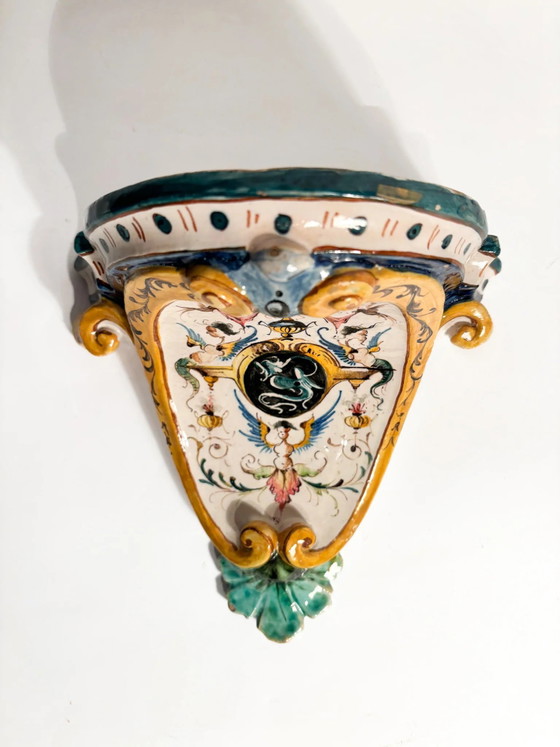
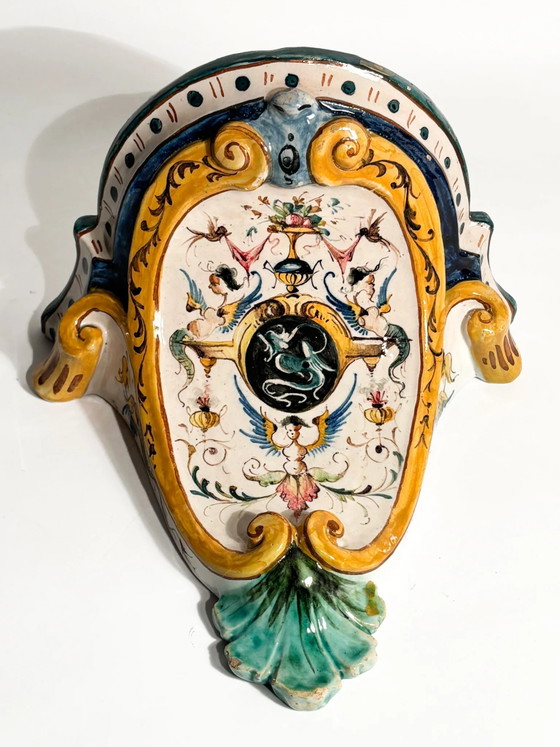
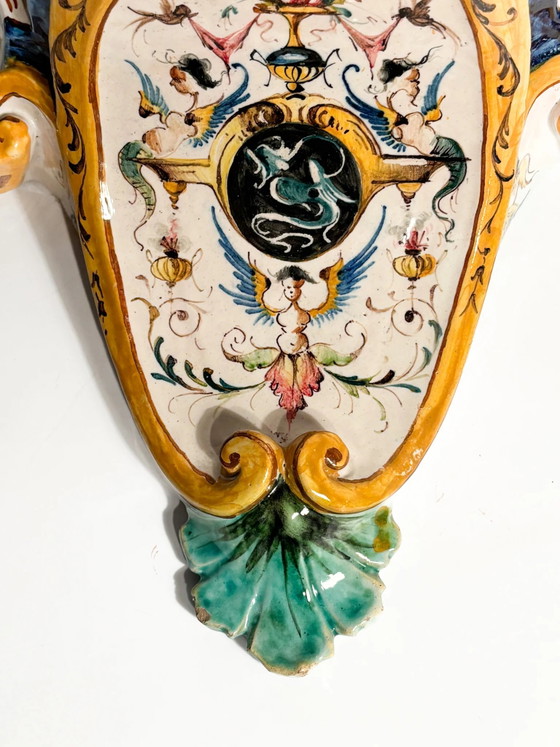
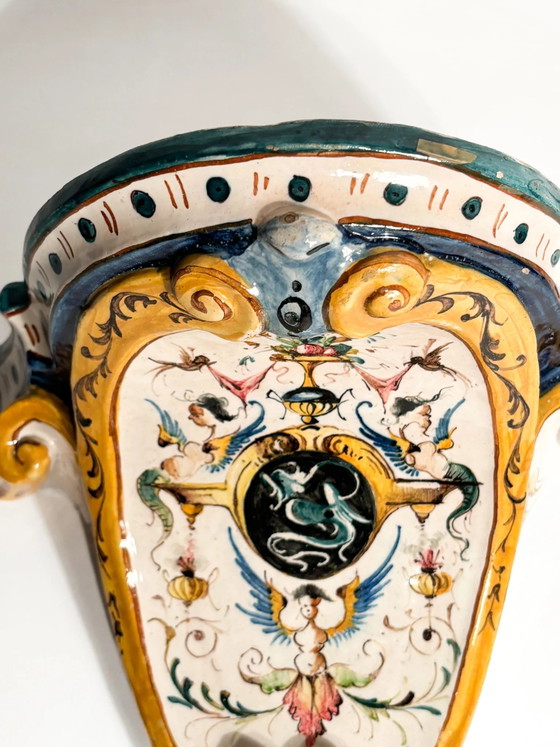
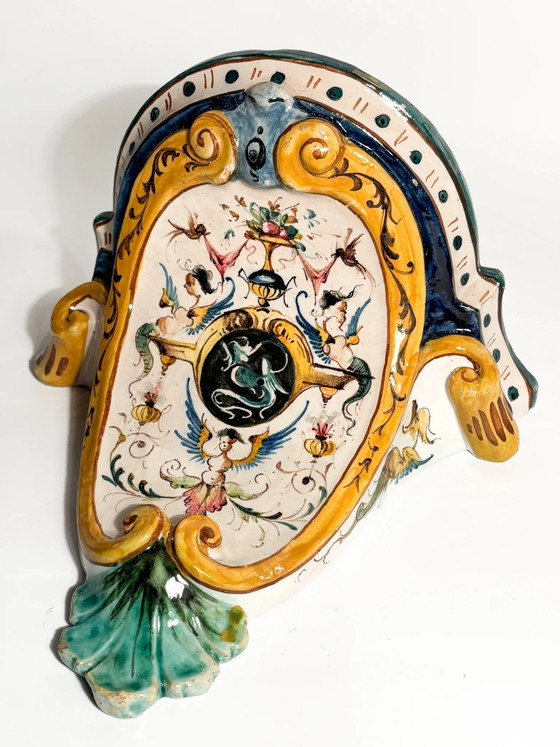
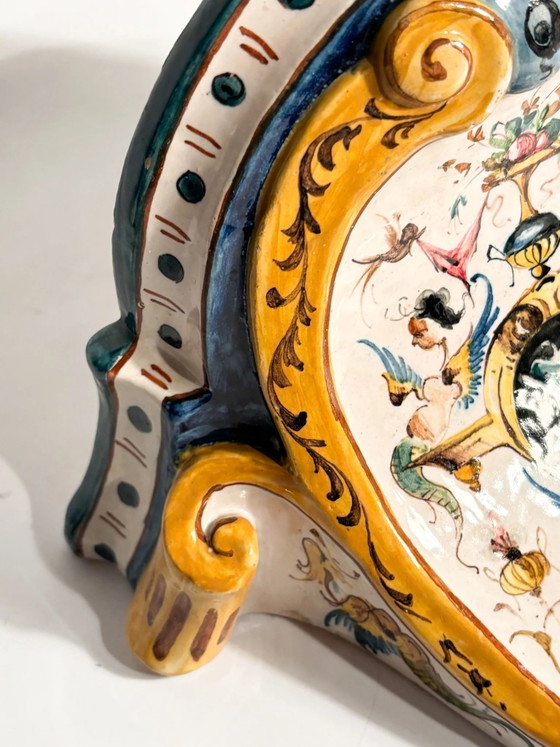
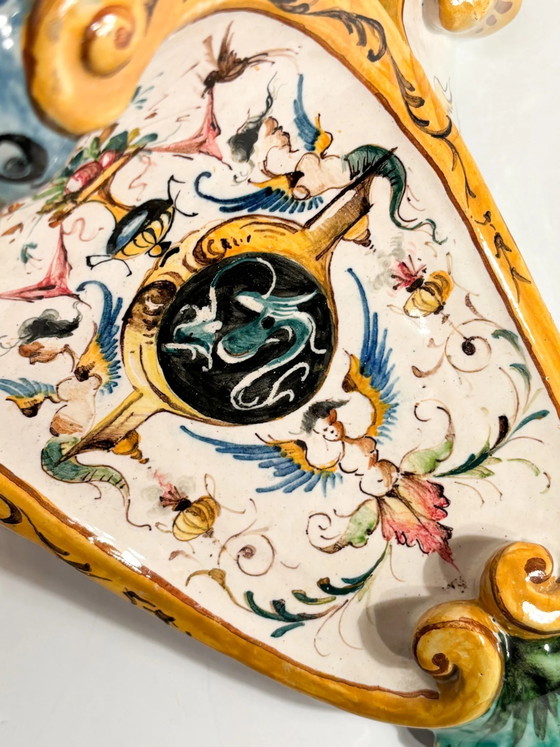
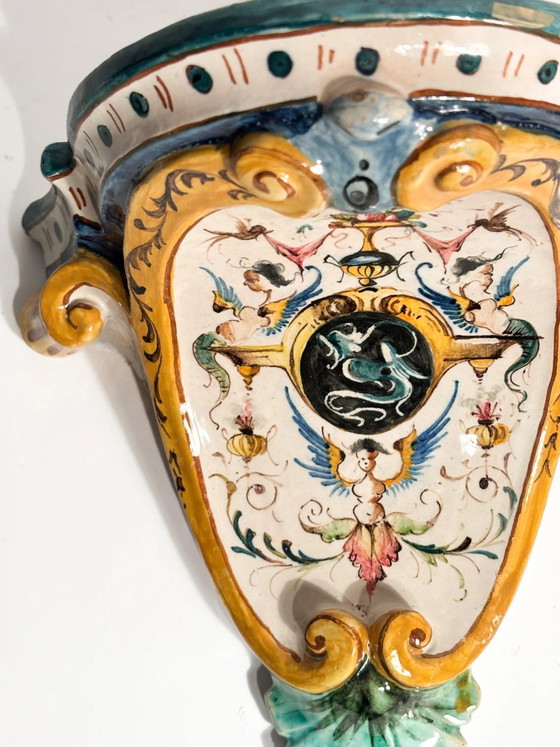
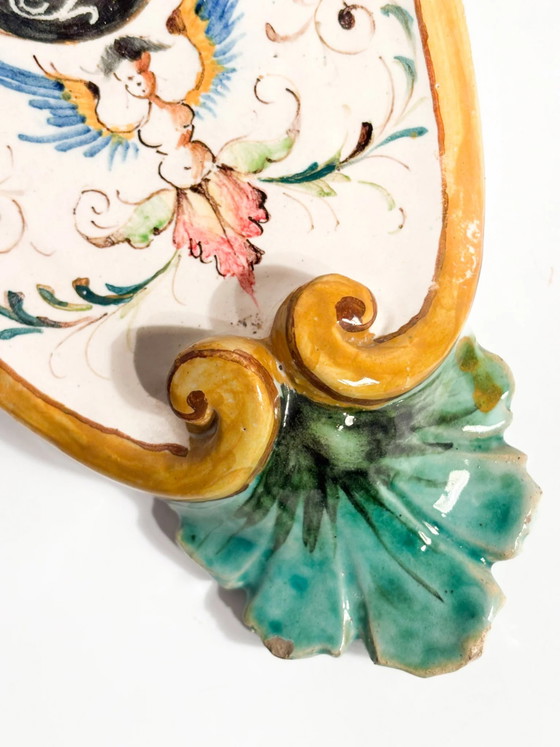
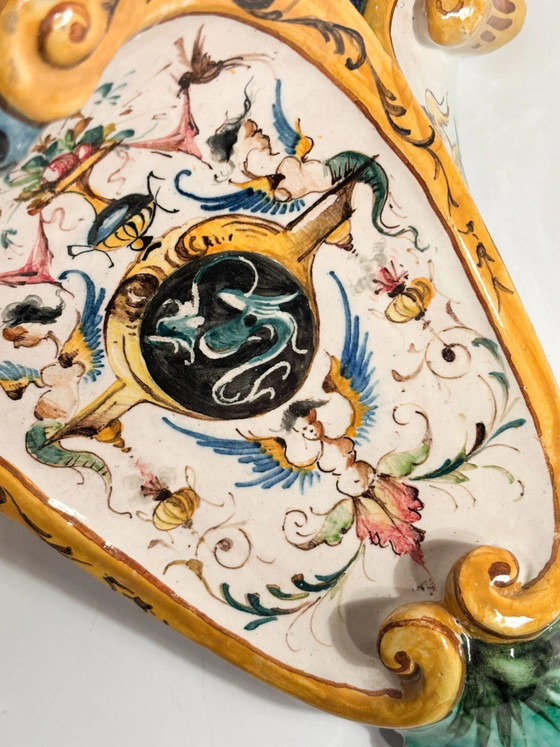
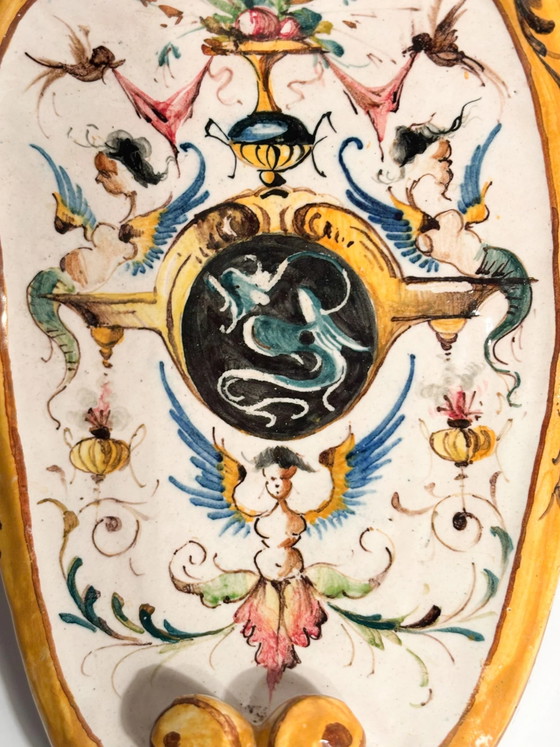
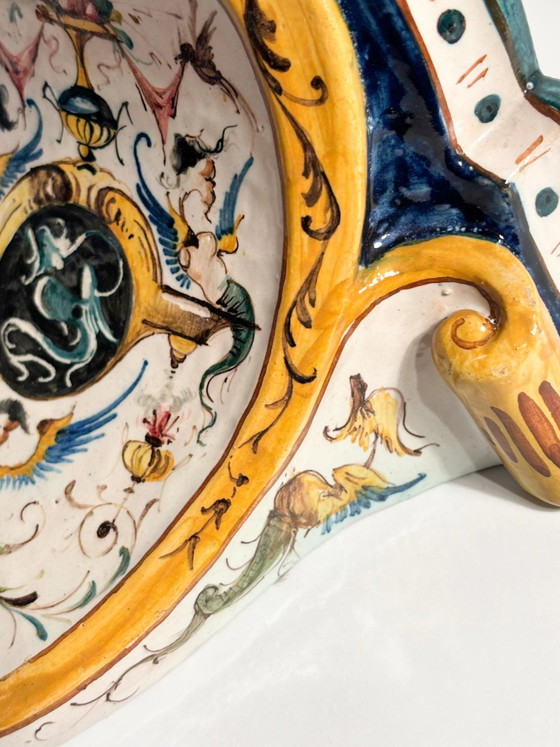
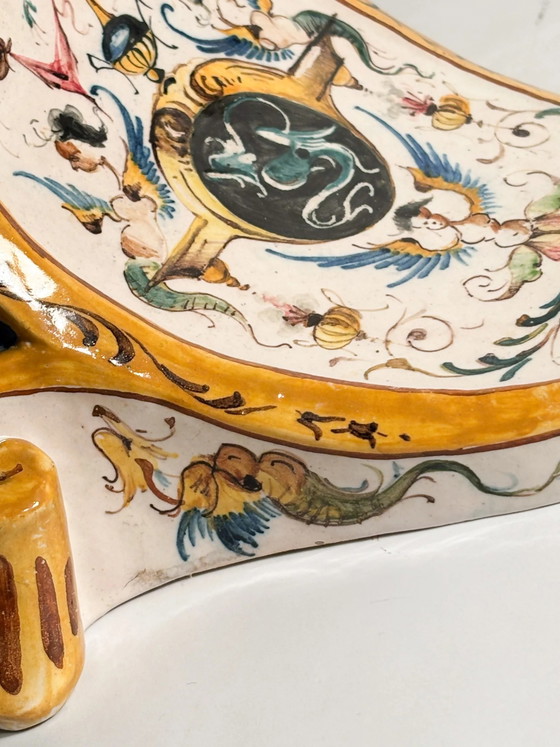
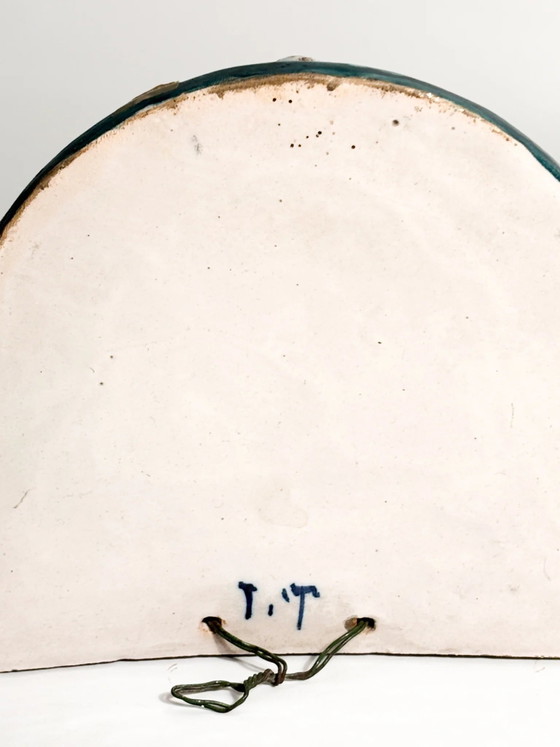
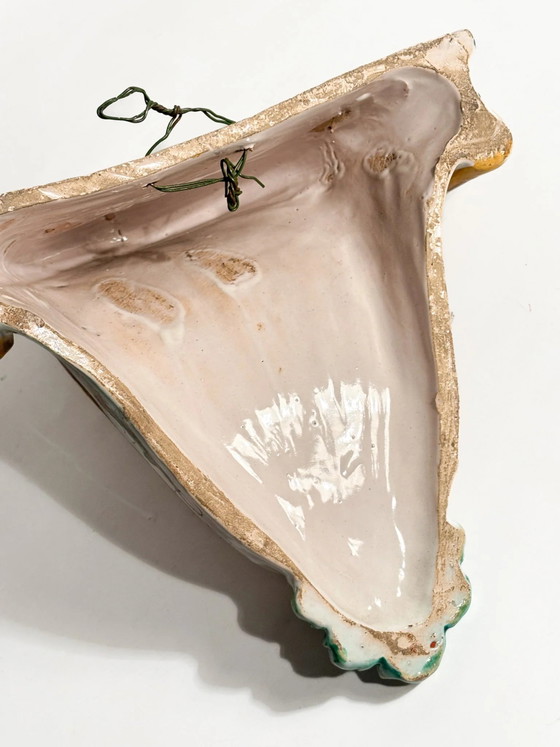
Hand-painted Faenza Ceramic Shelf, Early 20th Century
€250Bid from €225
Buy with confidence
Shop & pay safely with Buyer ProtectionDesigner items curated by WhoppahWe only pay the seller once you have safely received the itemTrusted payment methods


Business seller: 14-day right of withdrawal. Return policy
About this seller
ProfessionalProduct description
Hand-painted Faenza ceramic wall shelf, made in the early 20th century. Diameter 19 cm, Diameter 14 cm, Height 21 cm. Antique ceramic shelves are fascinating objects that combine functionality with the aesthetics of the past. They represent a piece of furnishing and craftsmanship history, and can add a touch of elegance and authenticity to any setting. They were often made from majolica or porcelain, materials that feature detailed decorations and vibrant colors. Traditional crafting techniques such as hand-painting, carving, and glazing give each piece its unique character. From Baroque to Art Nouveau, passing through Neoclassical, antique shelves reflect the artistic styles of different eras. Floral motifs, landscapes, mythological figures, and scenes of daily life are common in their decorations. Important production centers include Italy (Castelli, Faenza, Naples), France (Limoges), Germany (Meissen), and Spain (Valencia). Faenza ceramics are one of the most important and ancient Italian ceramic traditions, originating from the city of Faenza in Emilia-Romagna. Its fame is such that the term "faience" in French and "faience" in English have become synonyms for majolica, attesting to its international influence. The first ceramic kilns in Faenza date back to the 1st century BC, but it was during the Renaissance that the city reached the peak of its ceramic production, becoming a center of excellence. Faenza ceramics are predominantly majolica, a tin-glazed earthenware, meaning it's covered with an opaque glaze based on tin oxide that provides a bright white background, ideal for painted decoration. Even today, Faenza ceramics are produced using artisanal techniques handed down through the centuries. The process includes shaping the clay, the first firing to obtain the "biscotto" (bisque), glazing, preparing the design using a pouncing method (a perforated cardboard stencil), brush-painting with metallic oxide-based colors, and the final firing with a crystalline glaze to impart brilliance. Over the centuries, several distinctive decorative styles have developed: "Pavona" or "Peacock Feather" Style, a 15th-century motif inspired by the eye of a peacock's feather. "Persian Palmette" Style, stylized floral decorations with Eastern influence (15th-16th century). Istoriato Style, complex narrative scenes, often drawn from biblical, mythological, or literary episodes (16th century). Compendiario Style, more rapid and essential decorations (second half of the 16th century). Berrettino Style, monochrome blue background with white or yellow-orange decorations (16th century). Carnation Decoration, a stylized floral motif, typical of the 18th century and still very popular today. Raffaellesche Decoration, motifs inspired by Roman grotesques and the works of Raphael (17th-18th century).
Additional details:
- Brand: Ceramica di Faenza
- Period: Primi Novecento
Specifications
CategoryDecorative ObjectsConditionGoodColorsMulti ColorMaterialCeramicSeller locationMilano, ItalyDelivery optionsDelivery or pickup
Discover more
Seller information
About this seller
ProfessionalMilano, ItalyOn Whoppah since July 2026 • 0 sales