Have it delivered hassle-freeBuyer protectionAll Designer items curated by WhoppahDownload the Whoppah App – get alerts & sell with ease.
Have it delivered hassle-free
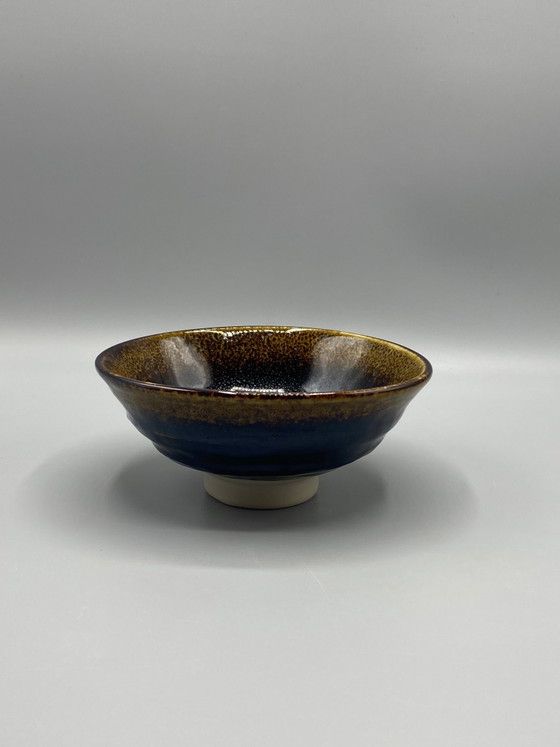
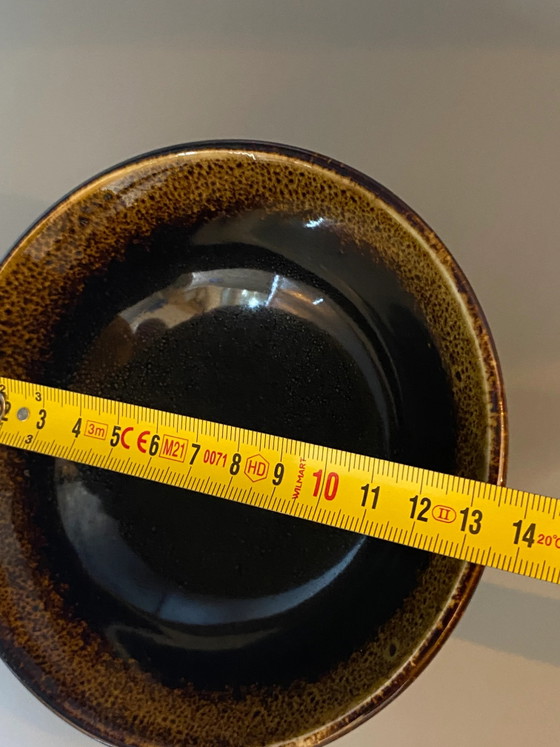
Glazed stoneware tea bowl – Chawan style, deep brown glaze – 20th century
€35Bid from €31.50
Buy with confidence
Shop & pay safely with Buyer ProtectionDesigner items curated by WhoppahWe only pay the seller once you have safely received the itemTrusted payment methods


About this seller
ProfessionalProduct description
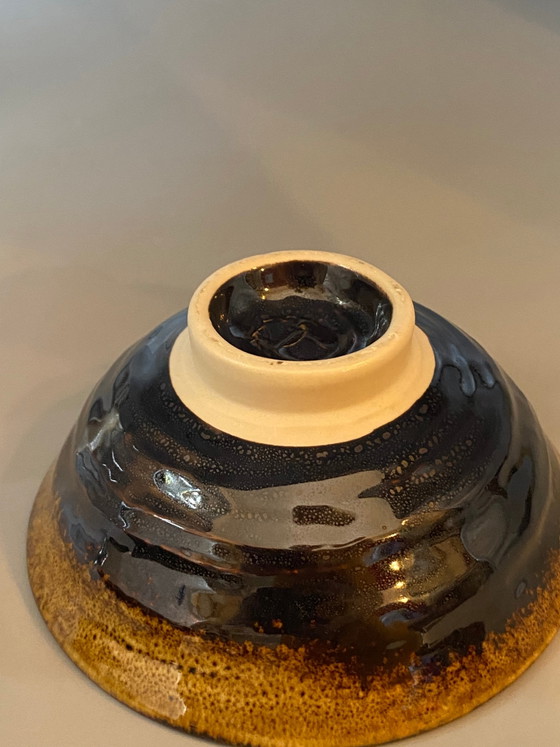
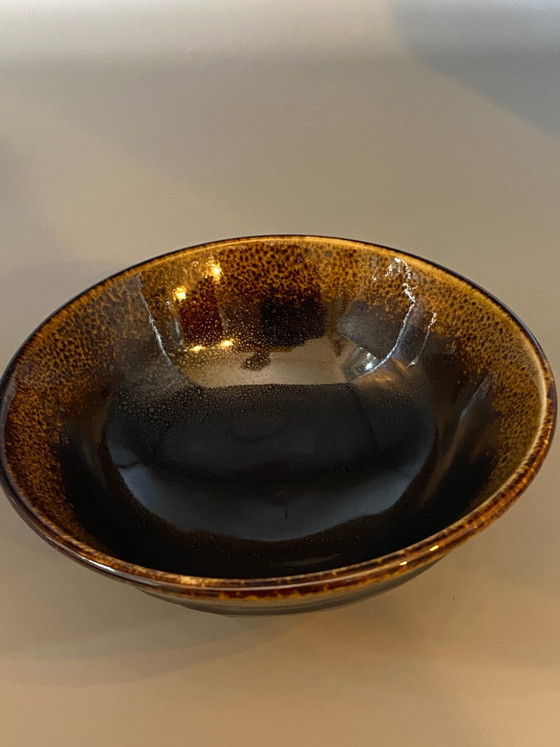
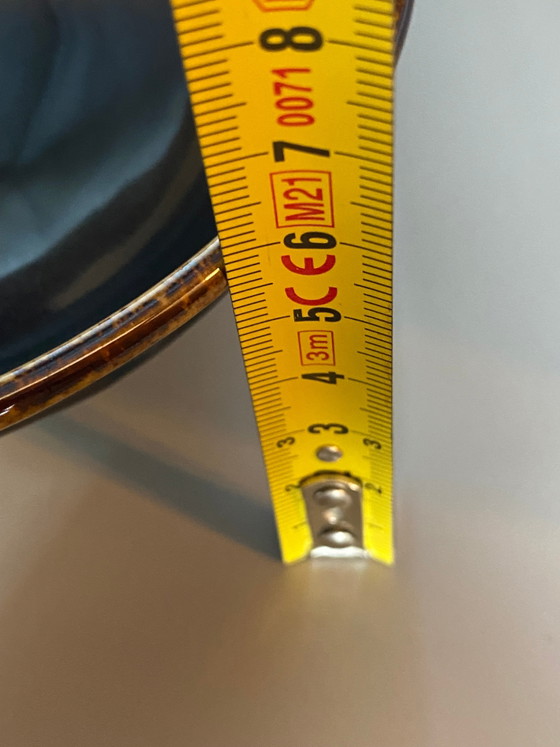
The earth, the glaze, and the fire: almost nothing, and yet everything is there. This stoneware tea bowl possesses that silent beauty immediately associated with Japanese ceramics. Its low, widely open shape rests on a small foot left in light-colored clay. A deliberately pared-down silhouette, designed as much to be looked at as to be held in the hands. Its glaze is its true richness. At the center, it becomes deep, almost black, shining like dark ink. Then, rising towards the rim, the material lightens and blurs with shades of chocolate, amber, bronze, and ocher. Small shimmering flecks appear in the glaze and change with the light. Nothing is painted. The decoration was born in the kiln, from the encounter between the clay, the oxides, and the heat. This depth of browns and blacks naturally recalls the world of Tenmoku glazes, which came from China and were then adopted and deeply reinterpreted in Japan, where they found a privileged place in the art of tea. The bowl also embodies the spirit of the chawan, whose beauty never lies in cold perfection but in the balance of form, the tactile quality of the material, and the variations left by the potter's work. The underside is particularly interesting. The glaze stops before the foot, revealing the natural color of the stoneware, while an incised mark appears in the hollow of the base. Its author remains unidentified; we therefore prefer to preserve the piece's mystery rather than invent an attribution for it. Japanese work or the creation of a Western ceramist steeped in this tradition, this bowl belongs to that great family of 20th-century ceramics that found in Japanese aesthetics another way of conceiving beauty: less demonstrative, more sensitive to material and gesture. With its approximately 13 cm in diameter, it can naturally resume its function in tea ceremonies. But placed alone, empty, it already becomes an object of contemplation. One of those seemingly modest objects that one eventually gazes at for a long time, simply because the fire has left something in it that the hand alone could never have drawn.
Additional details:
- Brand: 20eSiecle
- Style: Japonais
- Style: Chawan
- Style: Tenmoku
- Material: Grès
- Material: Émail
- Colour: brun
- Colour: chocolat
- Colour: ambre
- Colour: bronze
- Colour: ocre
- Colour: mordoré
- Period: XXe siècle
Specifications
ConditionGoodColorsBlack
Discover more
Seller information
About this seller
ProfessionalSaint symphorien des bois, FranceOn Whoppah since August 2026 • 1 sale