Have it delivered hassle-freeBuyer protectionAll Designer items curated by WhoppahDownload the Whoppah App – get alerts & sell with ease.
Have it delivered hassle-free
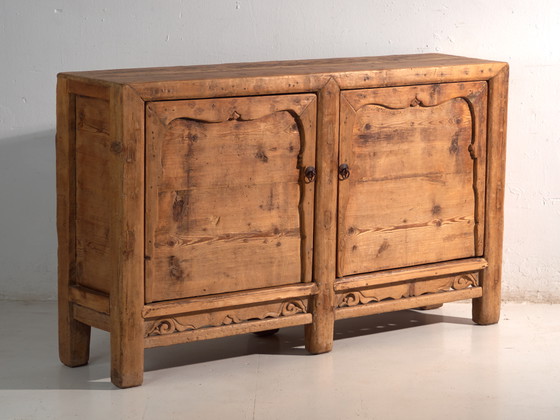
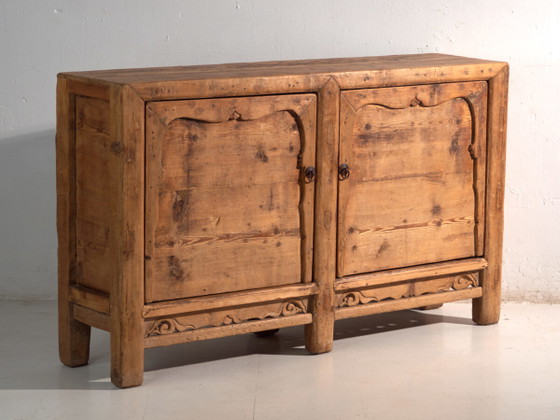
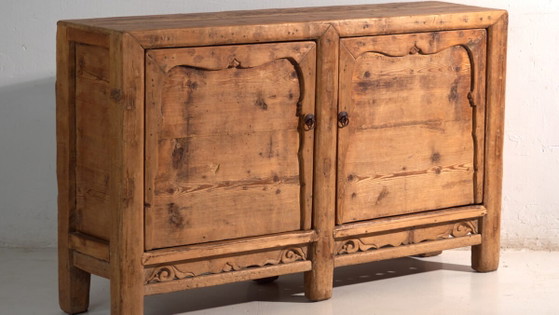
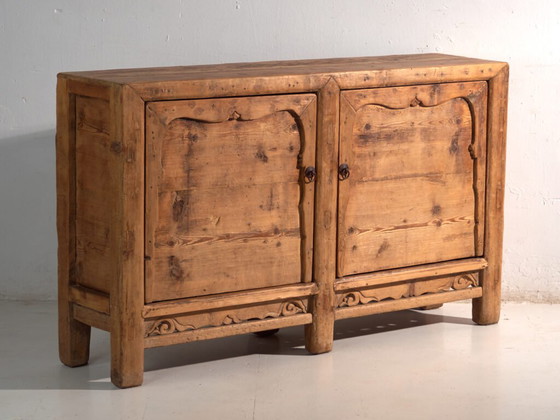
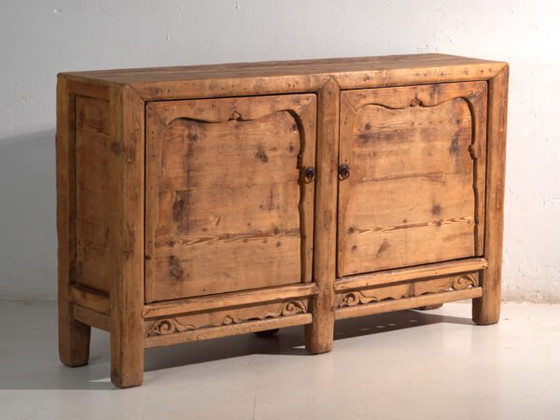
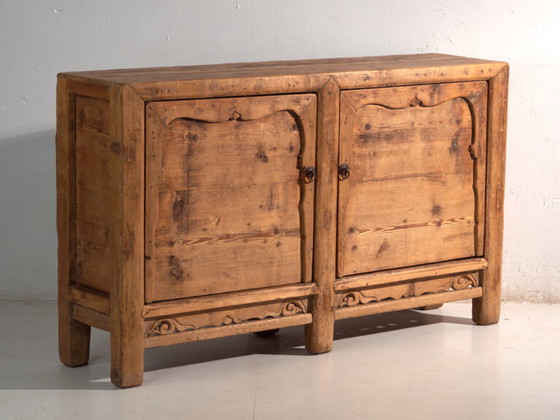
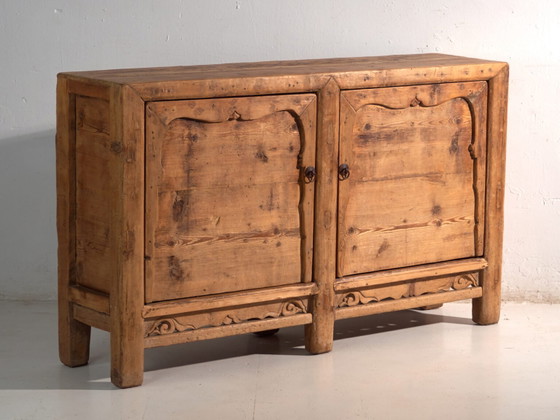



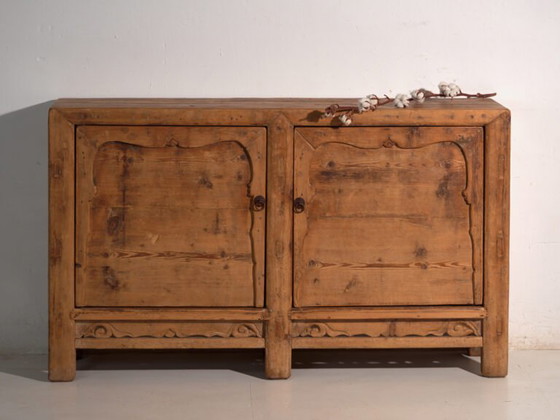
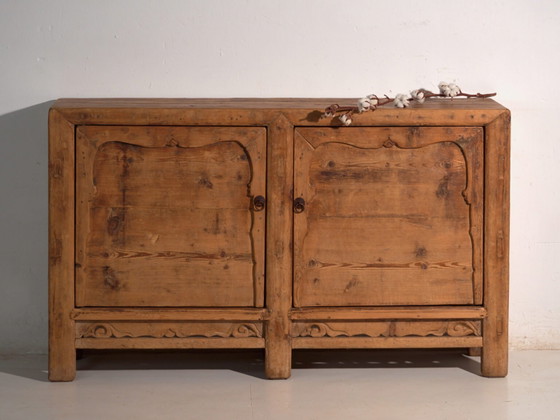

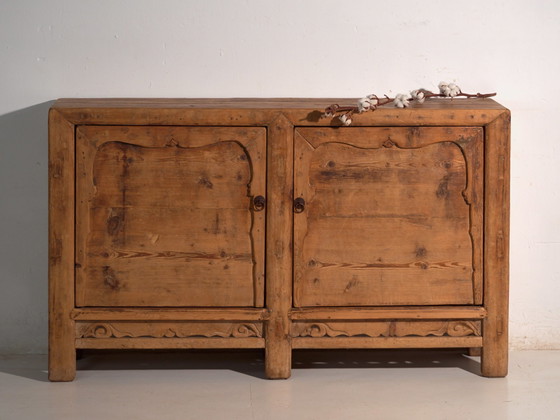
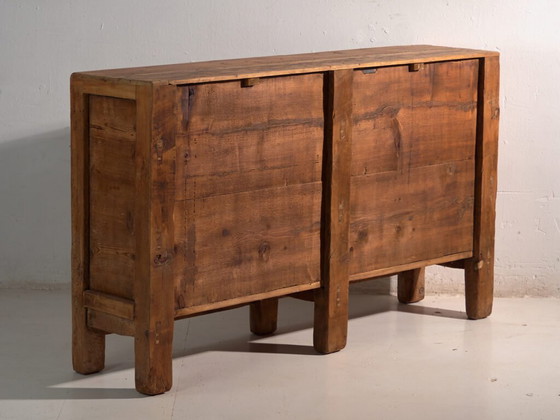
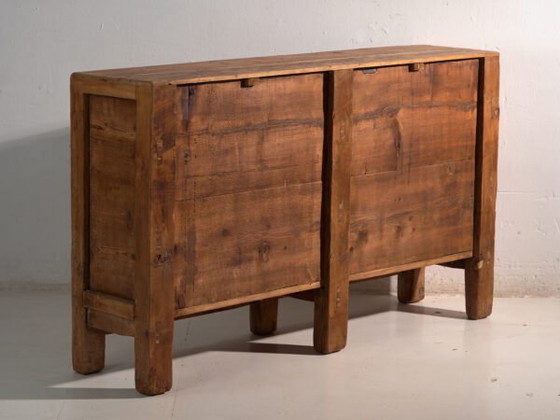
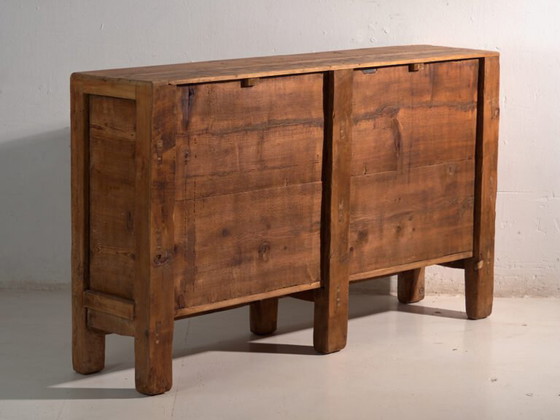
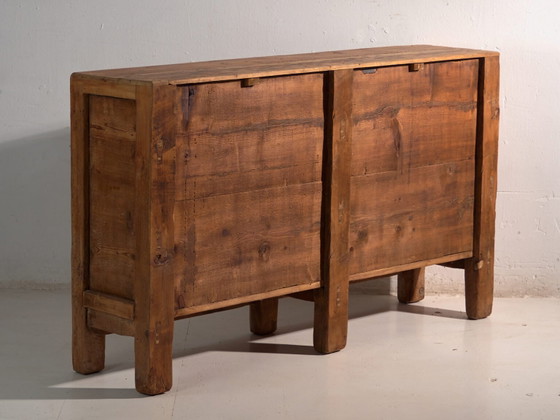

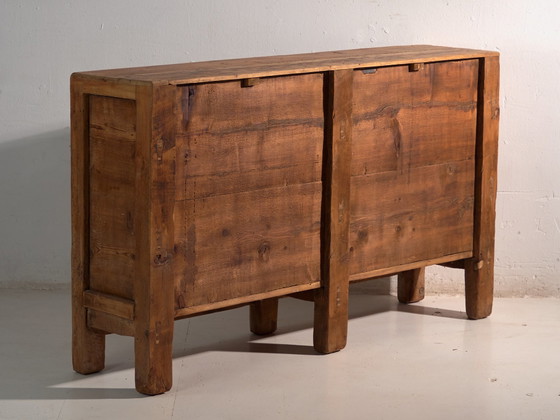





Antique pine sideboard – China, circa 1900
€1,953Bid from €1,758
Buy with confidence
Shop & pay safely with Buyer ProtectionDesigner items curated by WhoppahWe only pay the seller once you have safely received the itemTrusted payment methods


Business seller: 14-day right of withdrawal. Return policy
About this seller
ProfessionalProduct description
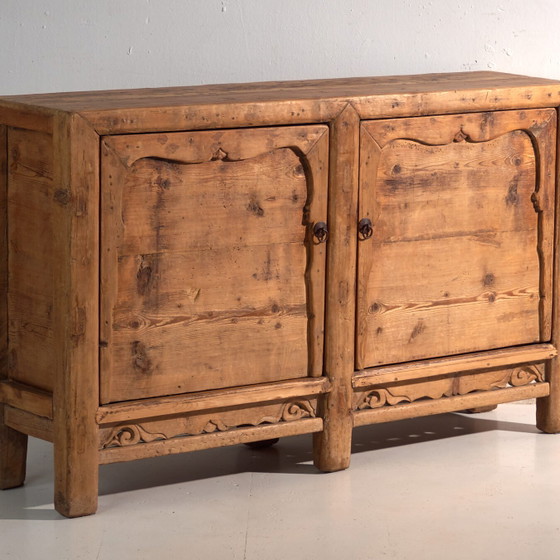
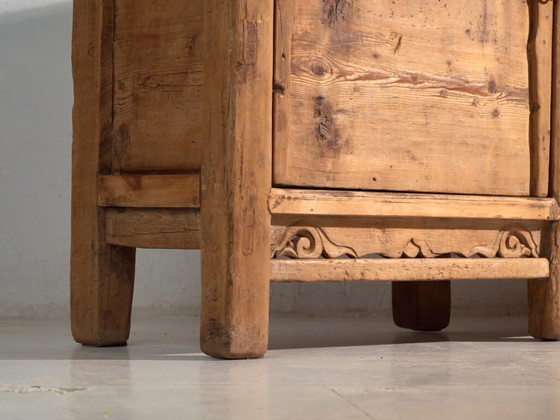
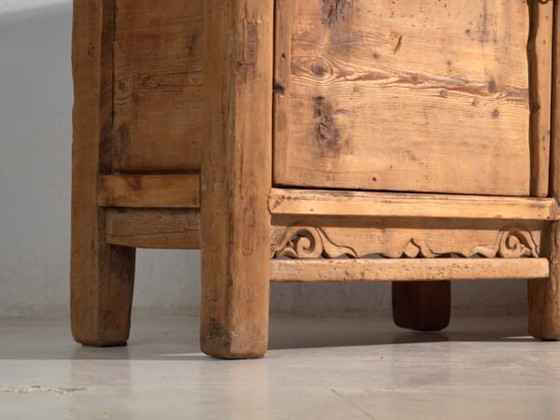
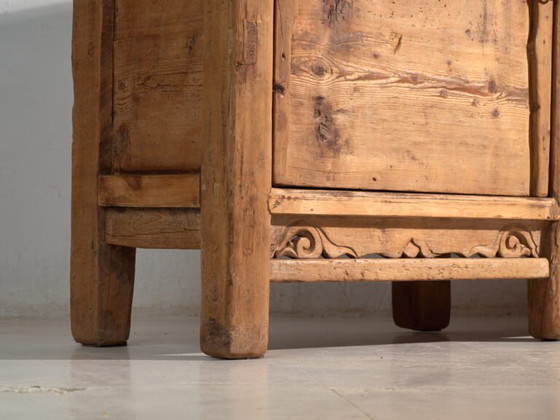
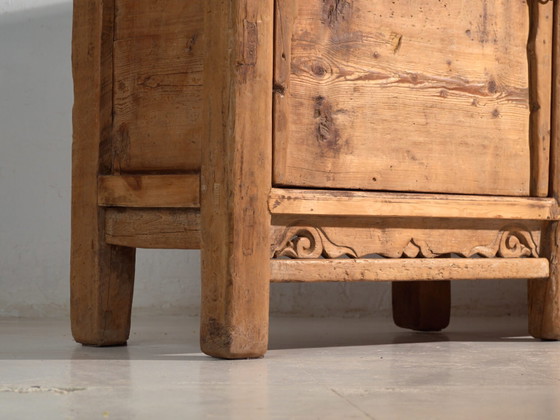
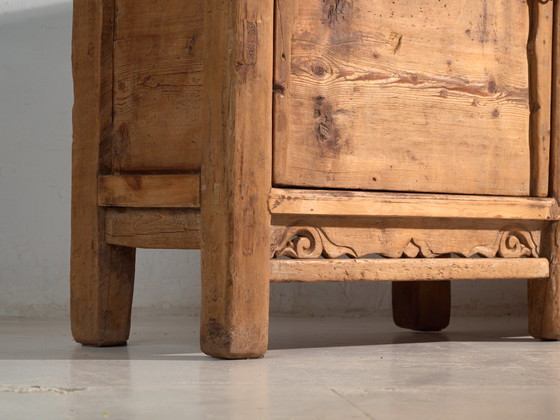
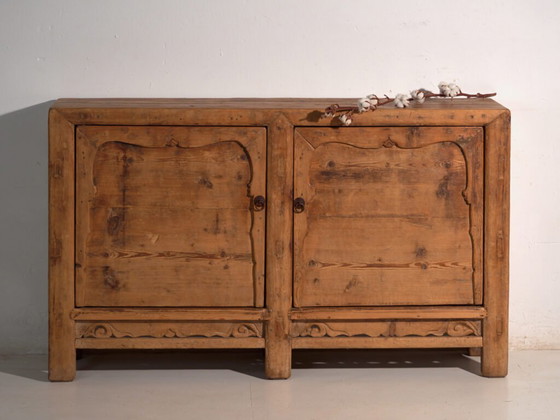
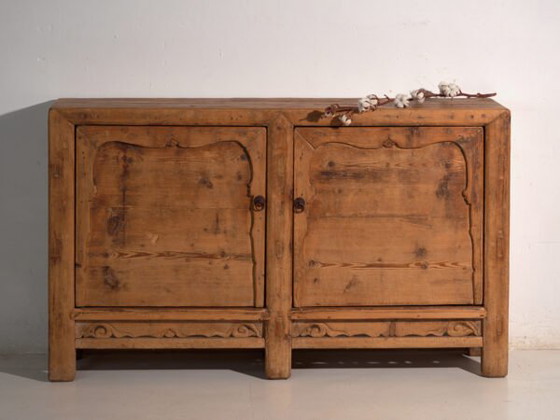
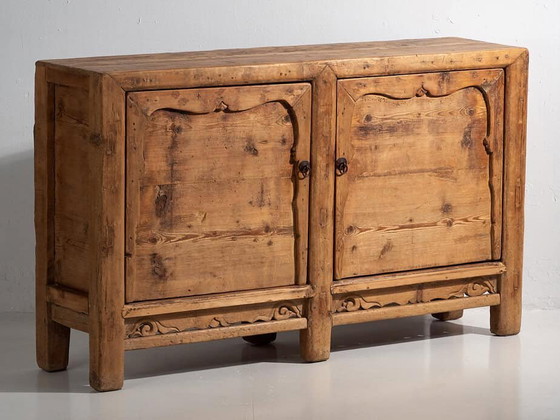
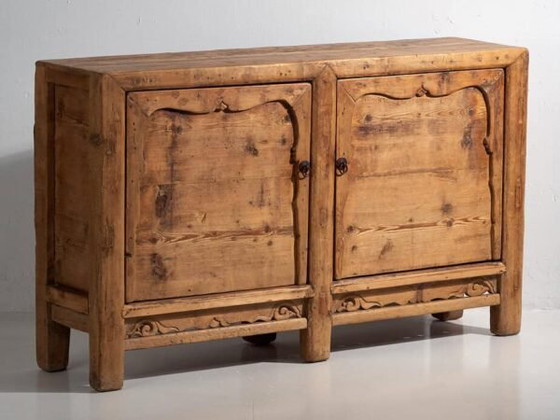
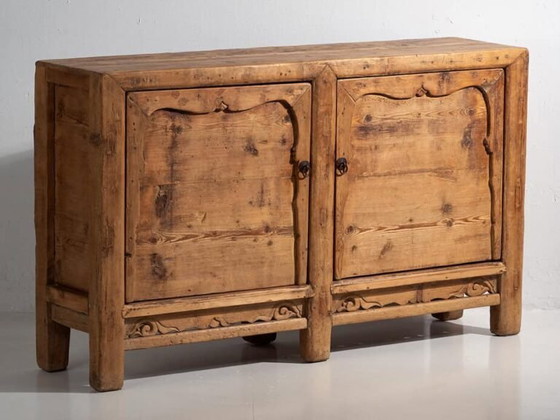
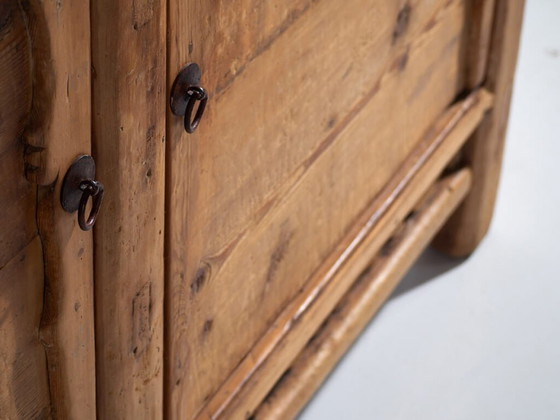
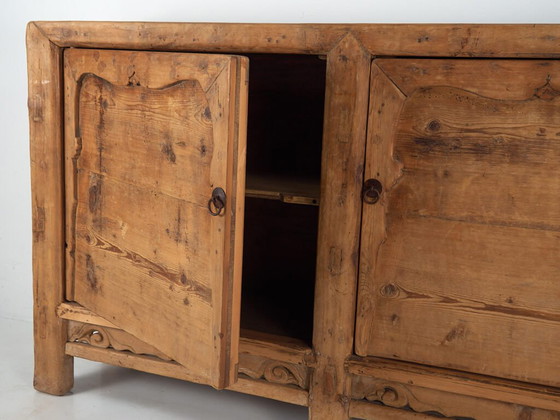
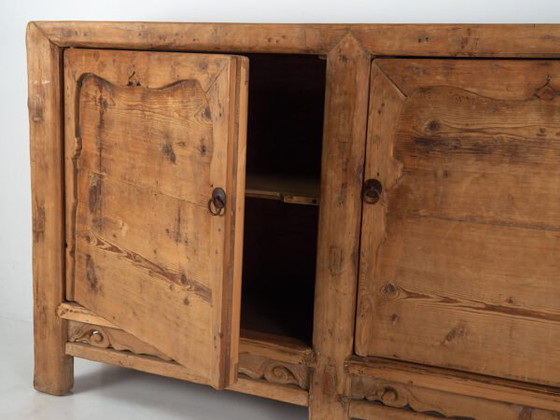
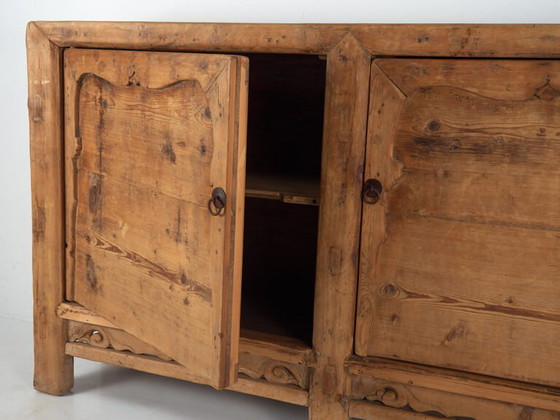
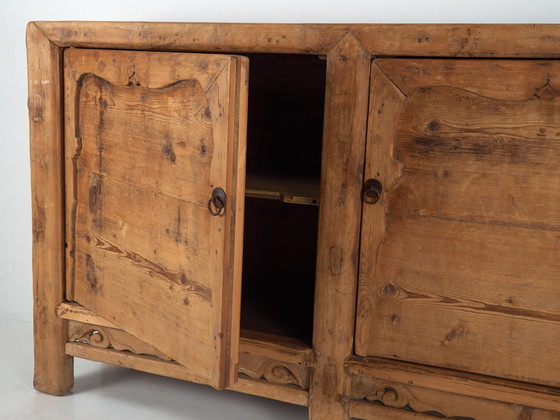
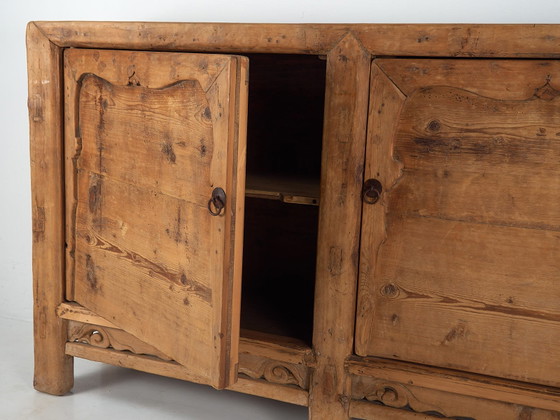
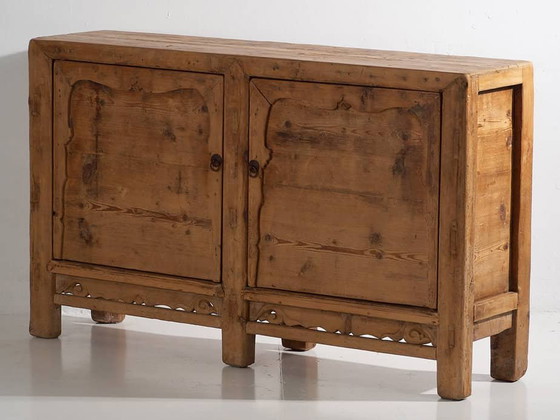
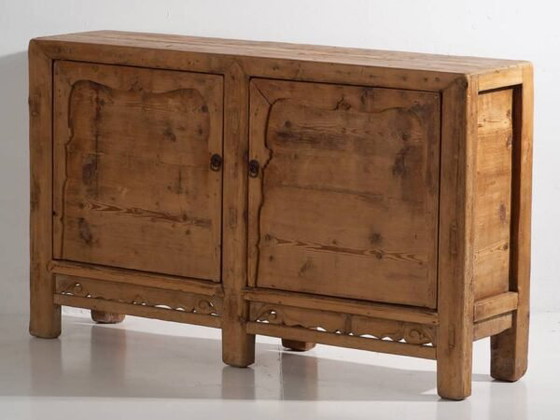
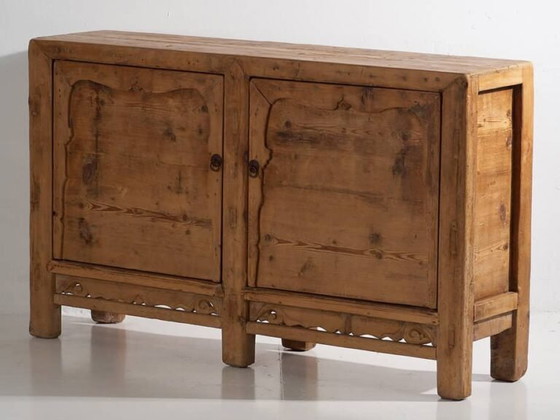
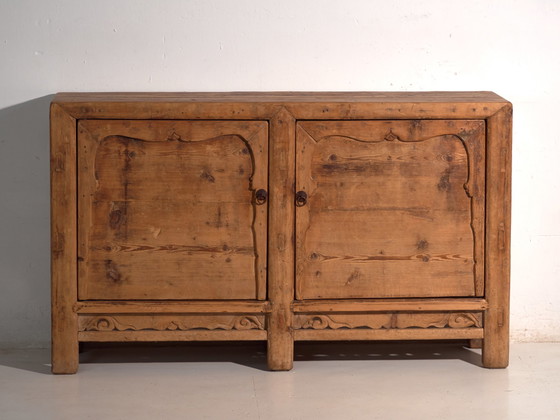
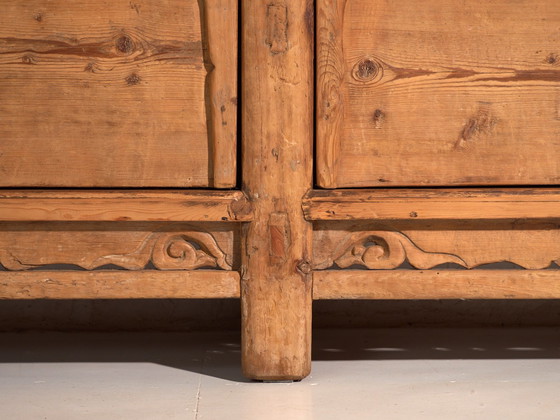
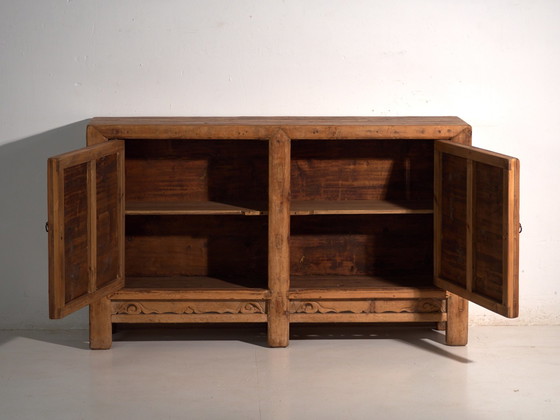
This antique pine sideboard features an openwork apron with carved volutes and wrought-iron ring handles. It originates from northern China during the Qing Dynasty, where local wood was joined using mortise-and-tenon joints and finished with lacquer or oil-based paint.
The low sideboard with two or three doors is one of the most common pieces of storage furniture in northern China. It was placed against the wall of the main room and used to store tableware, clothing, and grain; its height allowed the top to be used as a work surface and a household altar.
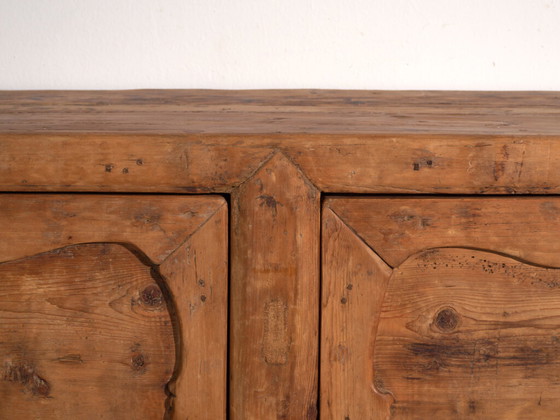
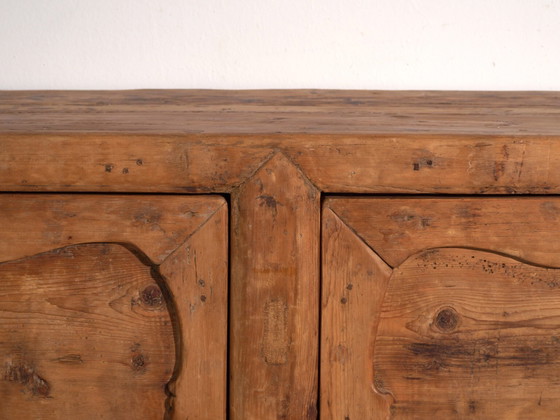
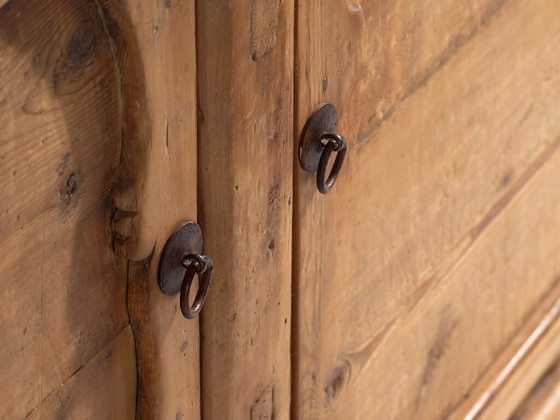
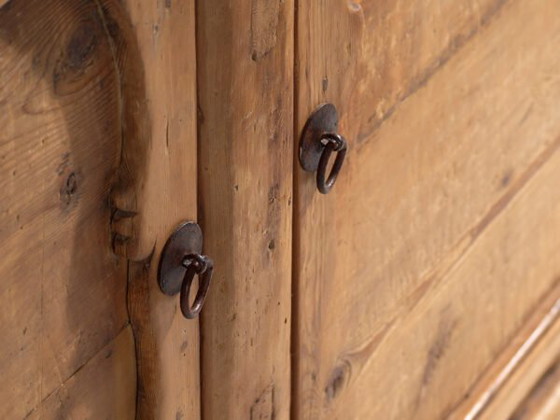
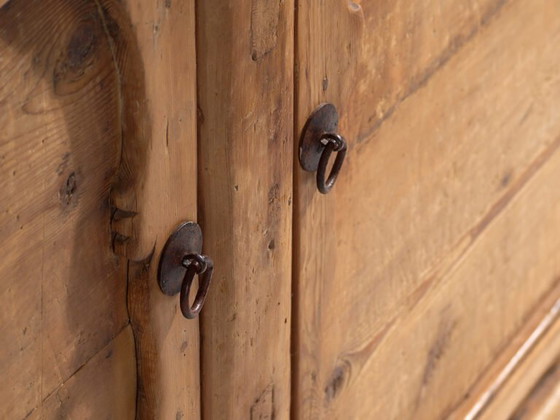
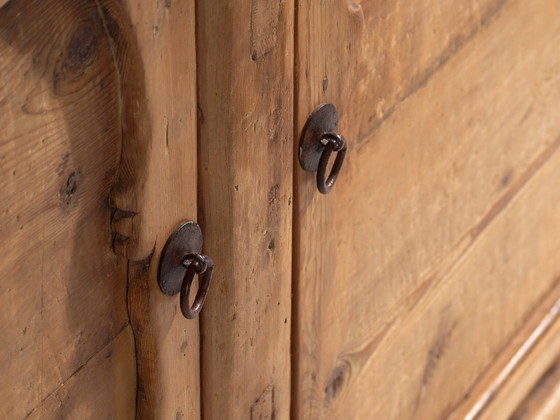
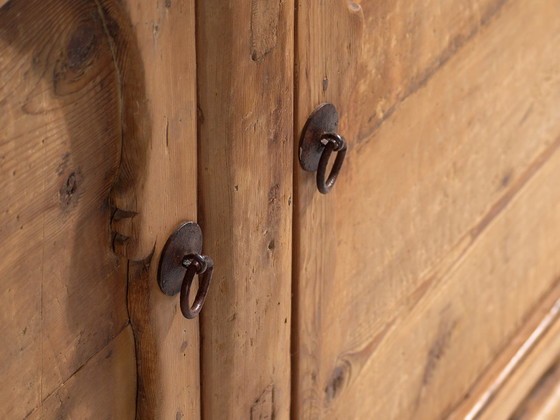
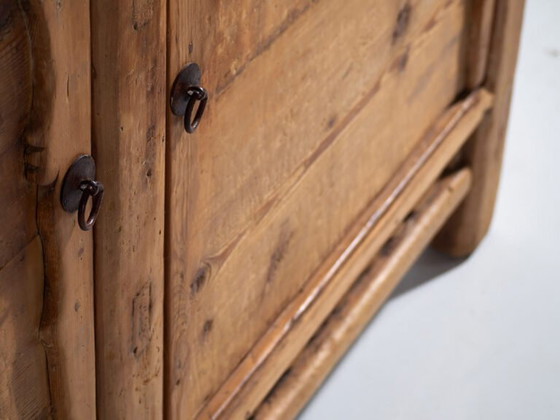
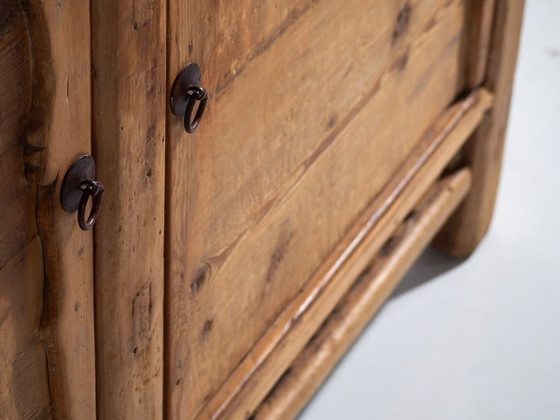
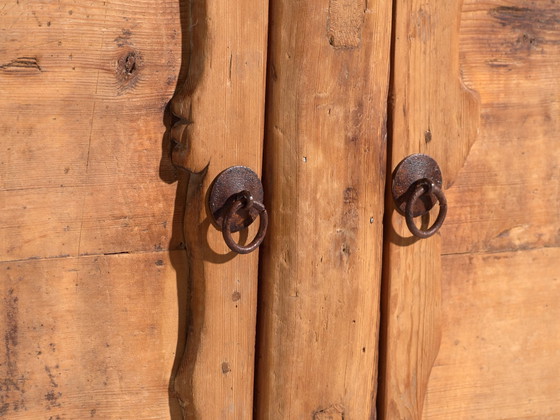
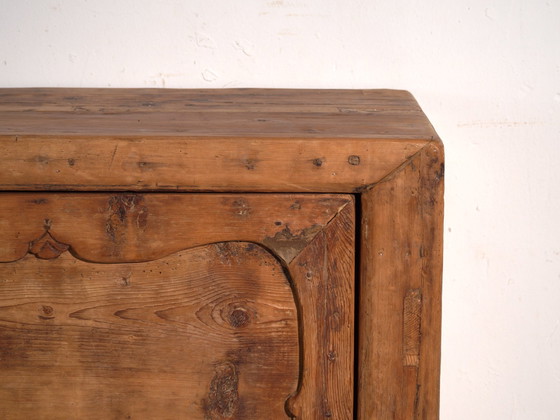
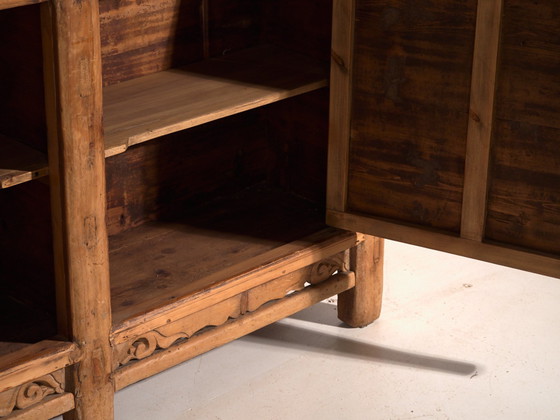
The structure is made of solid wood assembled using mortise-and-tenon joints, without a single screw. The doors are paneled and framed, and they pivot on pins carved directly into the door jambs, without metal hinges. The handles are wrought-iron rings mounted on a metal strip. The lower panel is openwork and carved with opposing volutes, and the doors have outlines cut in a mixtilinear profile.
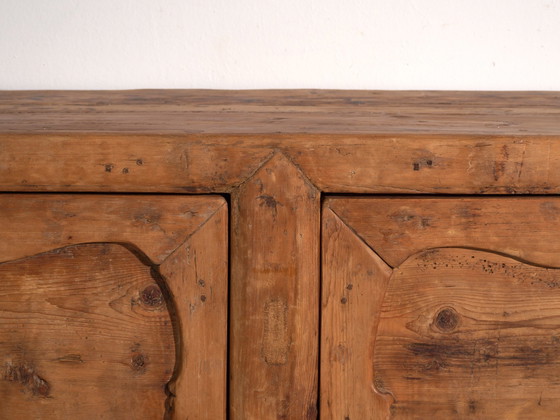
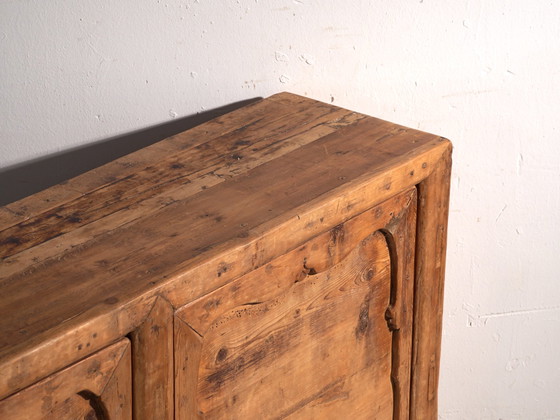
The wood has been stripped back to reveal its natural grain and has taken on a warm honey tone, with sunken knots and a grain that has become more pronounced with use. The joints have opened slightly, and the edges are rounded. This is the natural finish sought after today for interiors featuring exposed wood.
It can serve as a dining room sideboard, a low living room cabinet, or a entryway console table. Its length and modest height make it easy to fit under a window or along a wide hallway, and the exposed wood complements wabi-sabi, Japandi, and contemporary rustic interiors.
Details
Dimensions: Length 165 cm – Width 40 cm – Height 98 cm
Style: Qing Dynasty
Materials and techniques: Solid pine; wrought-iron ring handles; traditional Chinese mortise-and-tenon joinery.
Place of origin: China
Period: Qing Dynasty
Date of manufacture: Circa 1900
Condition / Notes: Stripped down to the bare wood, with sunken knots and slightly gaping joints. Wear consistent with its age and use.
This piece is part of the Amaru Antiques collection in Barcelona.
ONE OF A KIND
Additional details:
- Brand: AMARU
- Style: Qing Dynasty
- Material: Pine
- Material: Wrought Iron
- Colour: Honey
- Period: Qing Dynasty
Specifications
CategoryHigh BoardsConditionGoodColorsBrownMaterialWood, IronHeight165 cmWidth40 cmDepth98 cmSeller locationGelida (Barcelona), SpainDelivery optionsDelivery or pickup
Discover more
Seller information
About this seller
ProfessionalGelida (Barcelona), SpainOn Whoppah since July 2026 • 1 sale