Have it delivered hassle-freeBuyer protectionAll Designer items curated by WhoppahDownload the Whoppah App – get alerts & sell with ease.
Have it delivered hassle-free
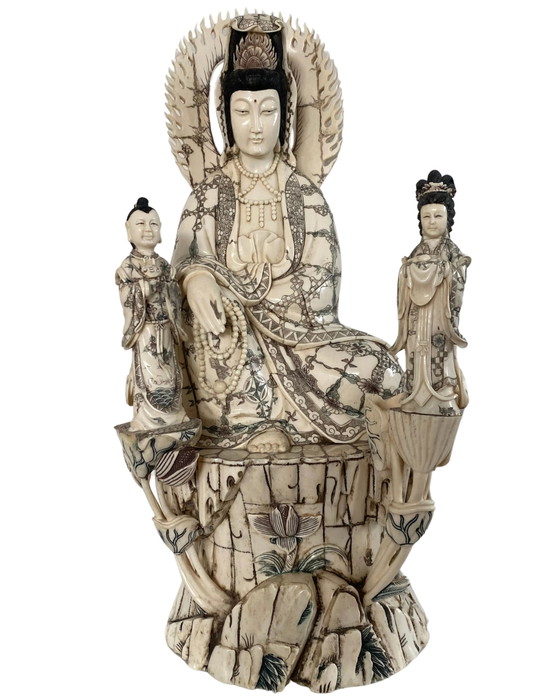
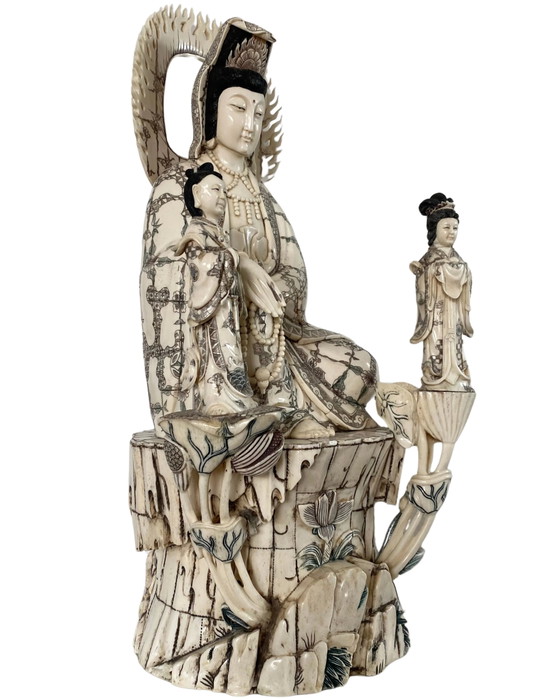
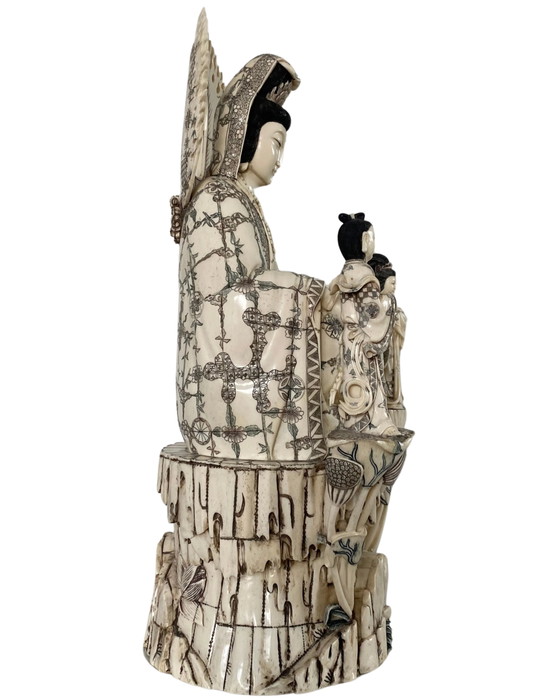
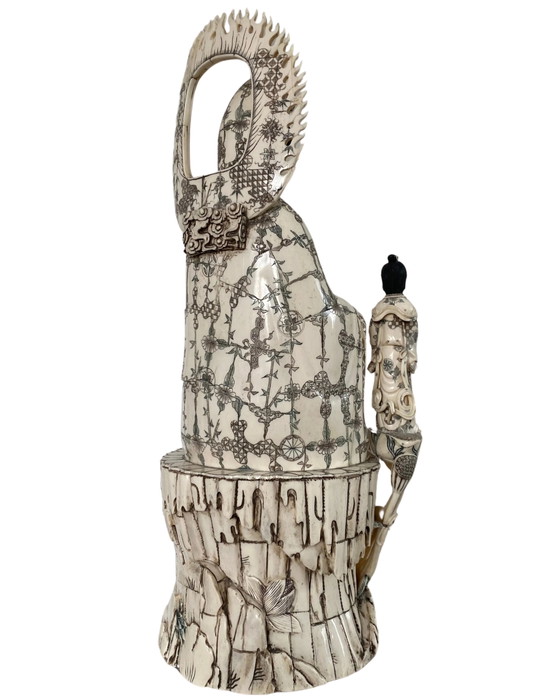
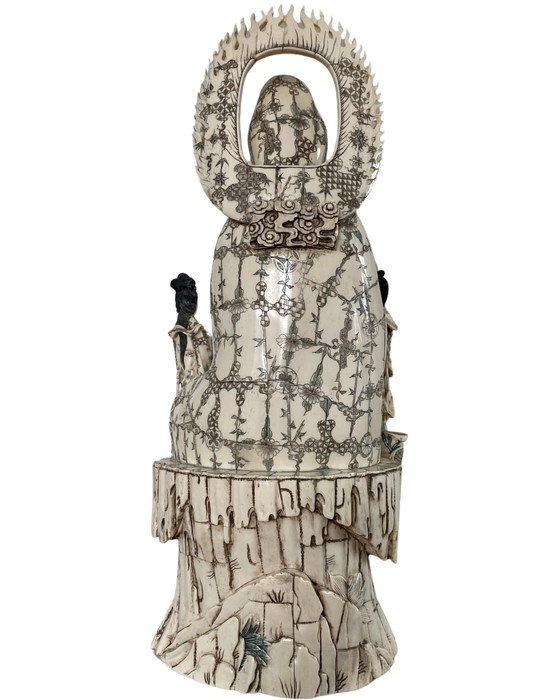
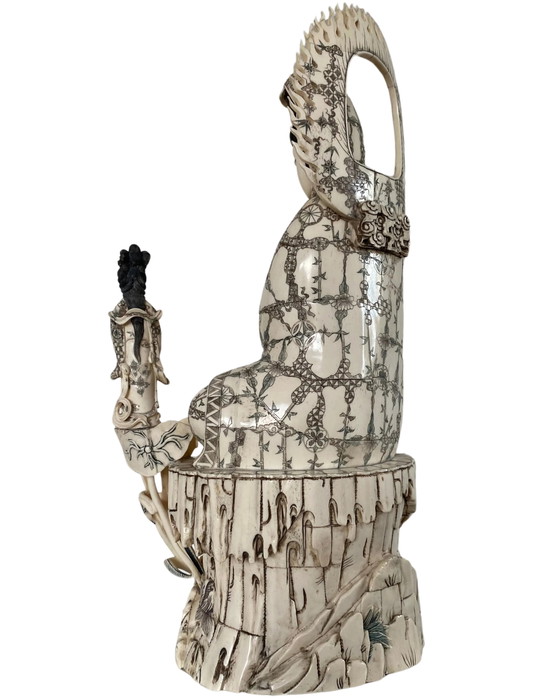
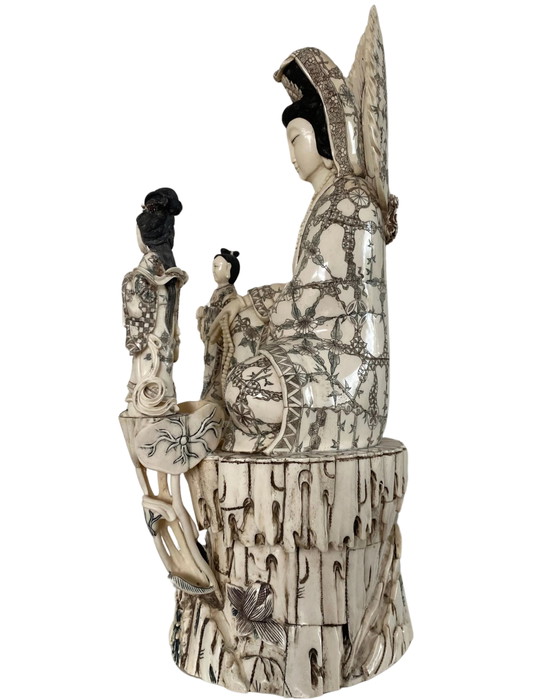
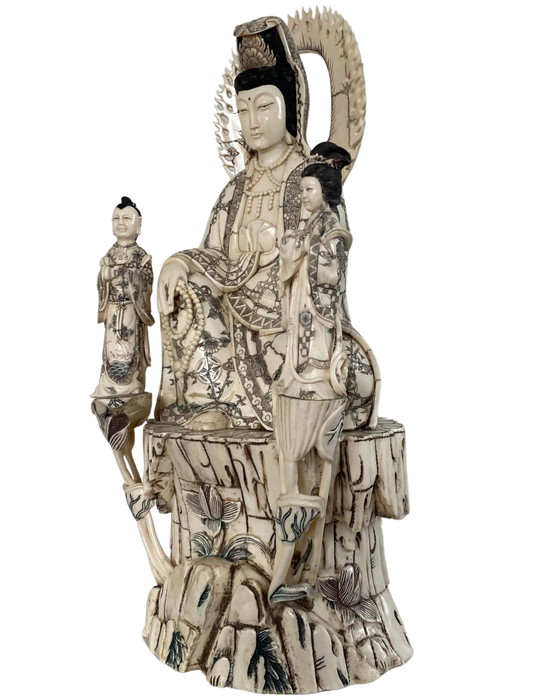
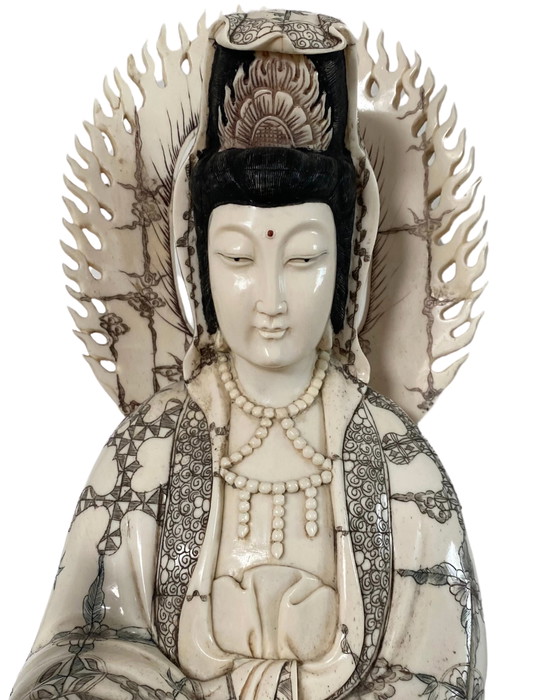
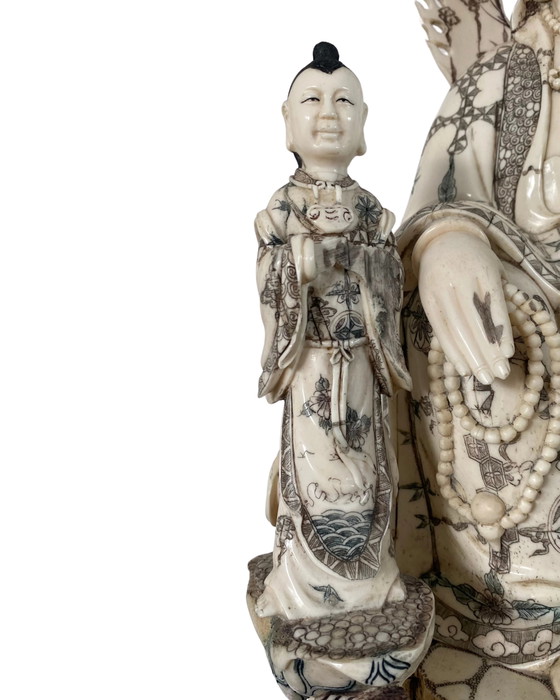
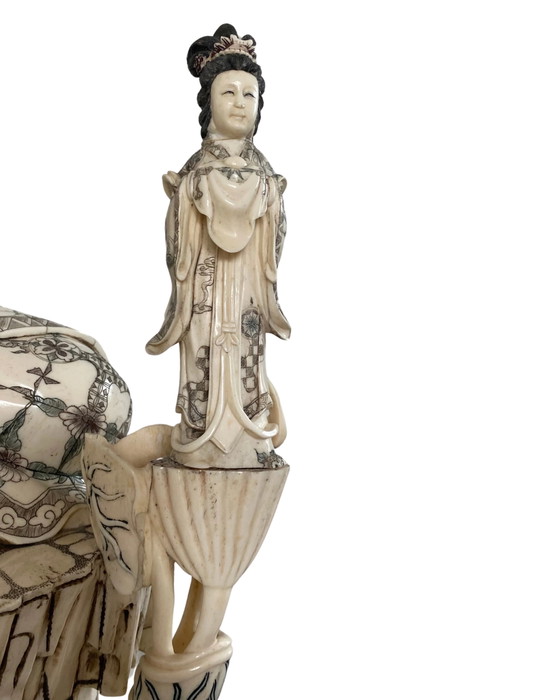
Antique Chinese Guanyin with Shancai & Longnü – Late-Qing – Carved Bone – 60 cm
€3,795Bid from €3,415.50
Buy with confidence
Shop & pay safely with Buyer ProtectionDesigner items curated by WhoppahWe only pay the seller once you have safely received the itemTrusted payment methods


About this seller
Private sellerDamme, GermanyOn Whoppah since February 2025 • 3 sales
Product description
Dimensions: H 60 cm Weight: approx. 9 kg Material: Hand-carved and composite bone Origin: China Period: Late Qing Dynasty, 19th century Depiction: Guanyin with Shancai and Longnü Technique: Composite carving, engraving, and pigmented details
Monumental Chinese Guanyin from the Late Qing Dynasty
An exceptionally large and richly executed Chinese sculpture of Guanyin, the Bodhisattva of Compassion, flanked by her traditional attendants Shancai and Longnü. With a height of 60 cm and a weight of approximately 9 kg, this is one of the more impressive examples of composite Chinese bone carving. The composition is constructed as a complete Buddhist scene. Guanyin forms the serene focal point, seated atop a richly detailed rock and lotus structure. The smaller figures, architectural elements, ornamental motifs, and large halo create an exceptionally detailed ensemble around her.
Guanyin with Shancai and Longnü
The iconography is deeply rooted in Chinese Mahayana Buddhism. Guanyin, in Sanskrit Avalokiteshvara, embodies compassion and the ability to perceive the suffering of sentient beings. Beside her appear Shancai, the young pilgrim seeking wisdom and enlightenment, and Longnü, the Dragon Princess. Together, they form a recognizable Chinese iconographic group that was depicted for centuries in temple art, painting, and sculpture.
Constructed from individually carved parts
The size of the sculpture was made possible by a complex composite construction. The sculpture consists of numerous individually carved parts of compact bone that have been precisely shaped and assembled into one monumental composition. Up close, the immensely labor-intensive nature of this technique becomes visible. Faces, hands, robes, jewelry, lotus flowers, rock formations, and ornaments are individually modeled. Fine incised lines are used to accentuate patterns, textiles, and details, with dark pigmentation providing additional depth.
Microscopically examined
Under strong magnification, the material structure becomes particularly clear. In open and worn areas, the fine natural channel structures of the bone are visible. In addition, macro photographs show manual carving, scraping, and engraving marks that are hardly perceptible during normal viewing. Old dark grime and pigmentation are also present in the deeper engravings and hard-to-reach transitions. The various wear patterns logically follow the construction and processing of the individual components.
19th-century Chinese craftsmanship
The complex structure, iconography, choice of material, and decorative treatment place the sculpture within the Chinese tradition of fine bone carving from the late Qing Dynasty. The sculpture combines striking technical virtuosity with the lavish detailing characteristic of high-quality 19th-century Chinese decorative art. Despite the immense amount of ornamentation, Guanyin herself remains strikingly serene and central to the composition.
Incised mark on the underside
On the underside is a hand-carved mark in a rectangular cartouche. The mark forms an interesting original component of the object. As the exact reading and attribution cannot be determined with sufficient certainty, it is deliberately not attributed to a specific artist or workshop.
An exceptional collector's item
With a height of 60 cm and a weight of approximately 9 kg, this Guanyin has a presence that is hardly fully conveyed in photographs. The combination of size, complex construction, and the immense amount of hand-carved details makes the sculpture particularly interesting both from a distance and under magnification. An impressive piece of Chinese Buddhist art for a collector of Qing art, Asian sculpture, or historical religious art, and at the same time a powerful object for a carefully curated interior.
Additional details:
- Brand: 1stbuddha
- Style: Chinese
- Material: Been
- Colour: gepigmenteerd
- Colour: donker
- Period: Laat-Qing-dynastie, 19e eeuw
- availability: in_stock
- product_type: Beeld / sculptuur
Specifications
CategorySculptureConditionVery goodSeller locationDamme, GermanyDelivery optionsDelivery or pickup
Discover more
Seller information
About this seller
Private sellerDamme, GermanyOn Whoppah since February 2025 • 3 sales