Have it delivered hassle-freeBuyer protectionAll Designer items curated by WhoppahDownload the Whoppah App – get alerts & sell with ease.
Have it delivered hassle-free
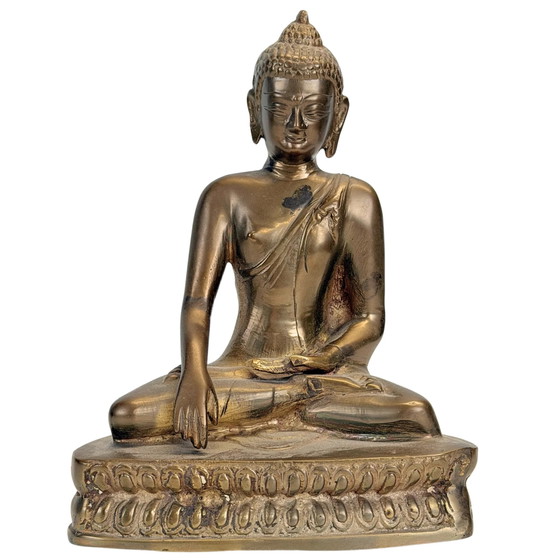
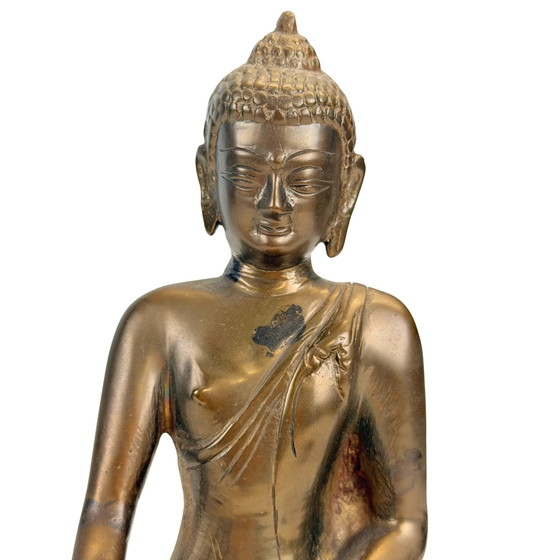
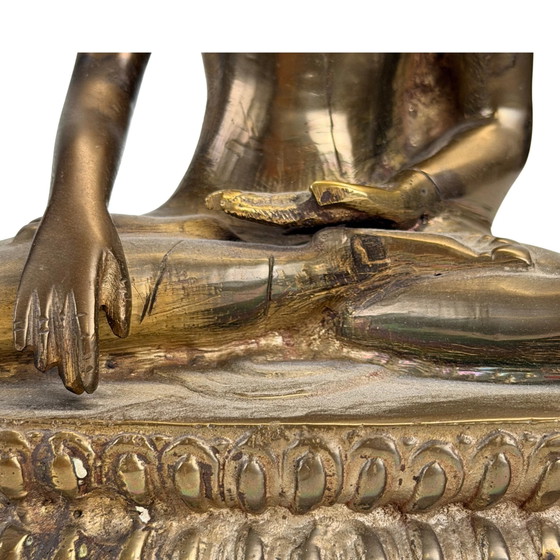
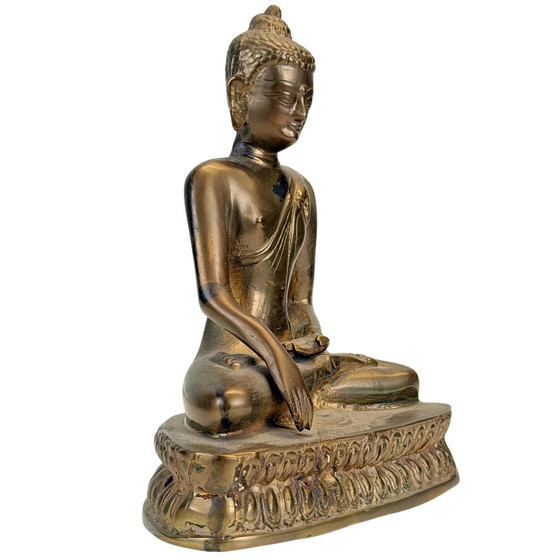
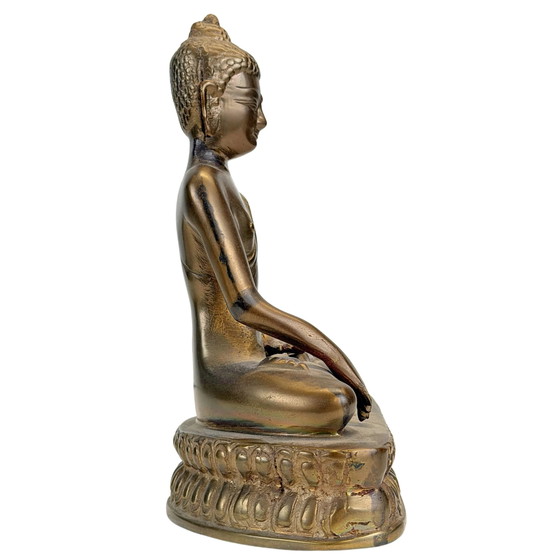
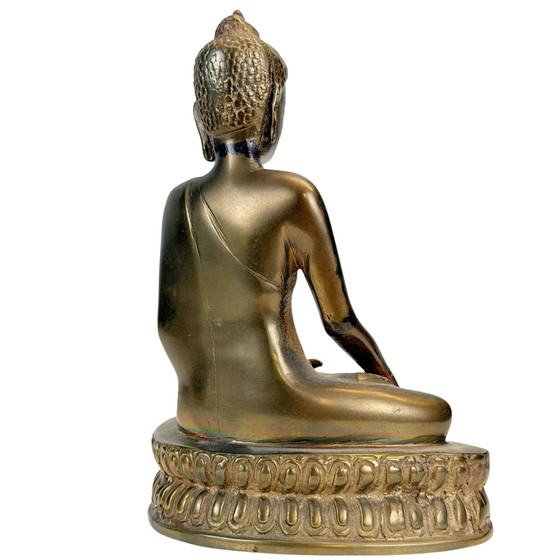
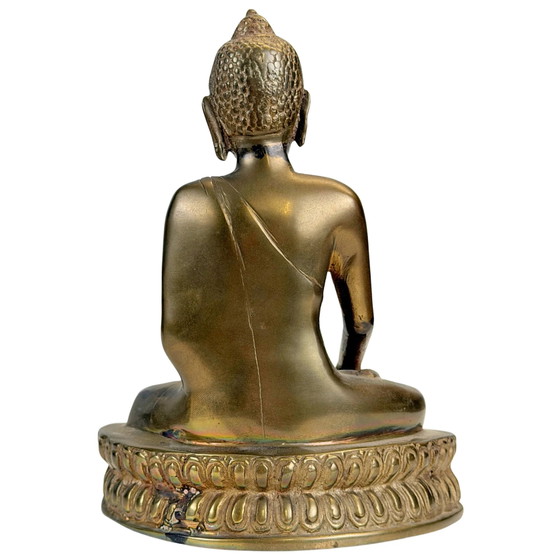
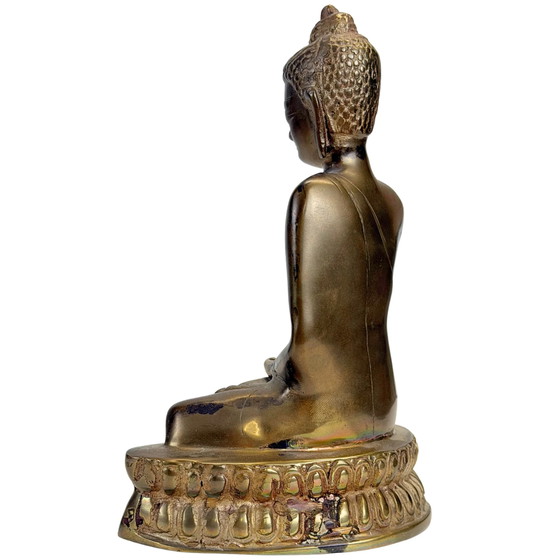
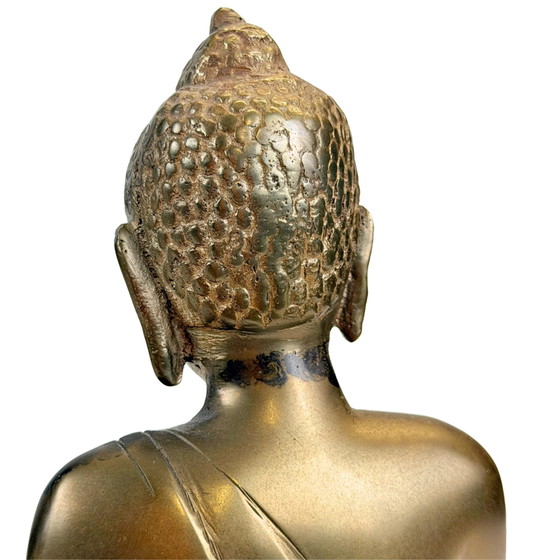
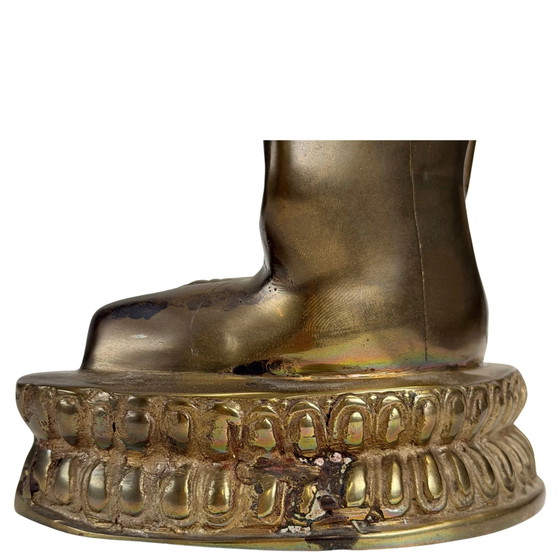
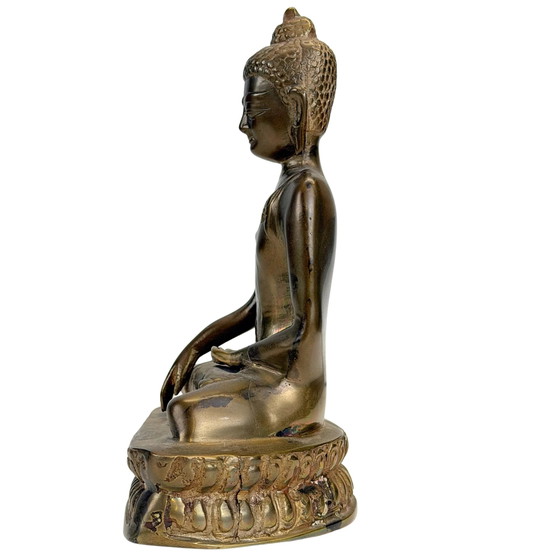
Antique 19th-Century Tibetan Handmade Sitting Buddha with Significant Patina
€1,680Bid from €1,512
Buy with confidence
Shop & pay safely with Buyer ProtectionDesigner items curated by WhoppahWe only pay the seller once you have safely received the itemTrusted payment methods


About this seller
Private sellerDamme, GermanyOn Whoppah since February 2025 • 3 sales
Product description
Dimensions: H 20 × W 15 cm Weight: 1.2 kg Material: Bronze with remnants of historical gilding Origin: Tibet / Himalayas Dating: 19th century Depiction: Seated Buddha in Bhumisparsha Mudra
A Buddha that appears much younger at first glance
At first glance, this is a Buddha statue that could easily be categorized as circa 1970. Large parts of the surface are strikingly smooth and polished. The bronze color is bright, and from a distance, it lacks precisely that heavy, dark appearance often immediately associated with a 19th-century bronze sculpture. Precisely for this reason, it is an interesting object for further examination. However, a completely different picture emerges once the surface is viewed under a microscope. In depressions, damages, and less accessible areas, older surface layers have been preserved that are barely visible on the heavily polished parts. There, a deep patina, old working traces, local oxidation, and small remnants of a gold-colored metallic finish appear. What appears to be a relatively young and clean bronze surface from a distance, under magnification, turns out to have a much more complex history.
The patina under the microscope
Under strong magnification, it is clearly visible that the surface does not consist of a single uniform color or finish. Gold-colored zones, dark brown to black patina, gray metal, reddish-brown oxidation, and old scratch and tool marks are locally directly adjacent to each other.
Old layers in protected areas
The protected areas are particularly important. In small depressions and along old working traces, remnants have been preserved that have largely disappeared from the protruding parts due to use, cleaning, and polishing. In several places, the dark patina transitions into exposed metal, while small gold-colored remnants remain deep within the microstructure. These differences show that the current appearance of the statue is not representative of the complete historical surface.
Why the statue can appear so young
The strong contrast between the smooth exterior surfaces and the much more complex protected zones indicates that the statue has been significantly cleaned and polished in its history. As a result, old surface layers on the most accessible parts have been greatly reduced. This explains why a quick visual assessment can easily lead to a much younger dating. Here, the relevant information is located precisely in places that are barely noticeable to the naked eye.
Remains of historical gilding
Under the microscope, remnants of a very thin gold-colored metallic layer are visible in several places. This follows the irregularities of the underlying metal and has been preserved primarily in grooves, small damages, and protected areas.
Wear of the original gold layer
The transitions between gold-colored and exposed areas are particularly interesting. On protruding parts, the gold layer has largely disappeared, while immediately adjacent, in a depression, small islands of gold are still present. No dominant foil edges or larger detached gold leaves are visible in the examined areas. The observed wear pattern therefore better fits a historical metallic gilding than a simply applied decorative gold layer. The microscopic structure is consistent with traditional fire gilding. However, without material-technical analysis of the gold layer, the presence of mercury cannot be independently confirmed.
Traditional hollow bronze casting
The underside provides a second important insight into the manufacture of the statue. The Buddha is hollow cast, and the interior shows a rough, highly irregular structure that sharply contrasts with the carefully finished exterior. This construction is consistent with traditional lost-wax casting. The interior is not smooth or cosmetically finished and shows casting irregularities, old deposits, and surface differences that are no longer visible on the exterior due to post-processing.
Manual finishing
Numerous fine traces of manual working are also visible on the exterior under magnification. Small cutting lines, scratch patterns, and local differences in finish show that the surface was further chiseled, scraped, and polished after casting. The contrast between the rough casting structure on the inside and the refined exterior is characteristic of an object where much attention has been paid to the final finish.
Bhumisparsha Mudra – the earth as witness
The Buddha is depicted seated on a double lotus base. The left hand rests in the lap, while the right hand reaches down along the knee and touches the earth. This is the Bhumisparsha Mudra, or earth-touching gesture. The posture refers to the moment when the historical Buddha, just before his enlightenment, called upon the earth as a witness to his acquired insight. The depiction is one of the most recognizable and meaningful iconographic forms within Buddhist art.
Dating to the 19th century
With this statue, it is important not to base the dating solely on the current luster or color of the exterior. Precisely the combination of different technical characteristics provides a more complete picture. The traditional hollow cast construction, manual finishing, complex patina, locally preserved historical gilding, and the clear difference between exposed and protected surfaces collectively support a historical dating.
A conservative attribution
Based on the current technical and stylistic assessment, we place this seated Buddha in the 19th century, within the Tibetan/Himalayan bronze tradition. An exact dating within the century cannot be justifiably determined without additional comparative or material-technical data. Therefore, a deliberate choice has been made for the broader 19th-century attribution.
Condition and historical surface
The statue shows clear signs of age and use. The original surface finish is locally heavily worn, and large parts have been cleaned or polished in the past. Additionally, scratches, local oxidation, dark deposits, and wear on prominent parts are present. These characteristics are not hidden or cosmetically removed. Precisely the remaining patina and protected surface layers form an important part of the technical assessment and the character of the object.
A statue that only reveals its age under magnification
This Buddha is a good example of why the assessment of antique bronze statues cannot be based solely on a general impression or surface color. With its 20 cm height and relatively smooth appearance, the statue initially seems considerably younger. Under the microscope, however, details largely hidden from the naked eye appear: old patina layers, wear, manual working, oxidation, and remnants of historical gilding. It is precisely this contrast between the polished appearance and the much older, protected microstructure that makes this 19th-century Tibetan Buddha a particularly interesting object for study and collection.
Additional details:
- Brand: 1stbuddha
- Style: Tibetaanse
- Material: vergulding
- Colour: Brons
- Colour: Goud
- Colour: Donkerbruin
- Colour: Roodbruin
- Period: 19e eeuw
- availability: in_stock
- product_type: Beeld / sculptuur
Specifications
CategorySculptureConditionGoodColorsGrey, BlackMaterialBronzeSeller locationDamme, GermanyDelivery optionsDelivery or pickup
Discover more
Seller information
About this seller
Private sellerDamme, GermanyOn Whoppah since February 2025 • 3 sales