Pottery Barn
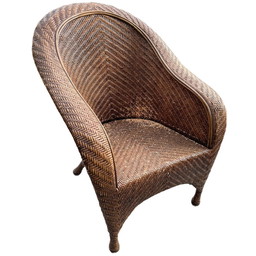

Pottery Barn: secondhand furniture with easy American comfort
From a 1949 Manhattan pottery shop to a Williams-Sonoma household name
Pottery Barn is an American home furnishings brand founded in 1949 by brothers Paul and Morris Secon, who opened their first store in Chelsea, Manhattan. The story goes that they bought 2,500 pieces of surplus stoneware and named the shop after the supplier's storage barns. The company changed hands twice in the 1980s, first to The Gap in 1984 and then to Williams-Sonoma in 1986, which still owns it today from San Francisco. On Whoppah you'll find a small, changing selection of pre-owned Pottery Barn pieces, and our curation team reviews every listing before it goes live. I'll be direct: Pottery Barn isn't about design icons. It's about comfortable, family-proof furniture with a relaxed look. That makes it a smart secondhand buy, because the sturdy stuff tends to outlive its first home by years.
Iconic Pottery Barn pieces
- Slipcovered sofas and armchairs: Washable covers and deep seats, built for real family life.
- Farmhouse style dining tables: Solid wood tables with a relaxed, rustic finish.
- Stoneware and tabletop: Where the company began in 1949.
A slipcovered Pottery Barn sofa is one of the easiest secondhand wins there is: wash the cover and it's yours.
Evelien Bunnik-Remmelts, Co-Founder and CEO of Whoppah
Frequently asked questions
Frequently Asked Questions
What is the history of Pottery Barn?
Paul and Morris Secon started Pottery Barn in 1949 with a stock of surplus stoneware and a storefront in Chelsea. Pottery and housewares came first, furniture much later.
The Gap bought the business in 1984 and sold it to Williams-Sonoma in 1986. Under Williams-Sonoma it grew into a full furniture brand, with spin-off lines for kids and teens.
Which Pottery Barn pieces are worth looking for?
The upholstered sofas and armchairs with slipcovers are the ones people know best. Washable covers are the whole idea, and they make a secondhand sofa much easier to refresh.
Solid wood dining tables, benches and storage pieces are also good finds. I'd be pickier with trend-driven accessories, which date faster than the furniture.
How do I judge a secondhand Pottery Barn piece?
Look for the label on upholstery and a stamp or sticker on wood pieces, often underneath or on the back. A product or collection name helps you look up original dimensions.
Ask about the frame, the cushions and whether the slipcover is original. Check wood tops for water marks and veneer lifting. Our curation team reviews every listing before it goes live, and clear photos of the underside tell you more than any description.
How does Pottery Barn fit into a home?
It's the comfortable middle ground. A slipcovered sofa or a farmhouse table gives a room warmth, and it takes well to one sharper piece next to it, like a mid-century chair or a graphic rug.
My tip: keep the palette soft and add contrast through one object. That keeps the relaxed feel without the catalog look.
When was Pottery Barn founded?
Pottery Barn was founded in 1949 by Paul and Morris Secon, with a first store in Chelsea, Manhattan.
Who owns Pottery Barn?
Williams-Sonoma, Inc. has owned Pottery Barn since 1986. The company is based in San Francisco.
Is secondhand Pottery Barn furniture worth it?
For solid wood and slipcovered upholstery, I think it is. The pieces are built for daily use, and covers can be cleaned or replaced.
How do I know a piece is Pottery Barn?
Check for labels on upholstery and stamps or stickers on wood furniture. Ask the seller for photos. Our curation team reviews every listing before it goes live.
Can I sell Pottery Barn furniture on Whoppah?
Yes. Upload clear photos, including the label, dimensions and any wear. Our curation team reviews the listing before it goes live.
Comfortable furniture should keep being comfortable for someone. Browse Pottery Barn on Whoppah, or give yours its next home.