Feeling nostalgic? Discover the iconic designs of the 90s
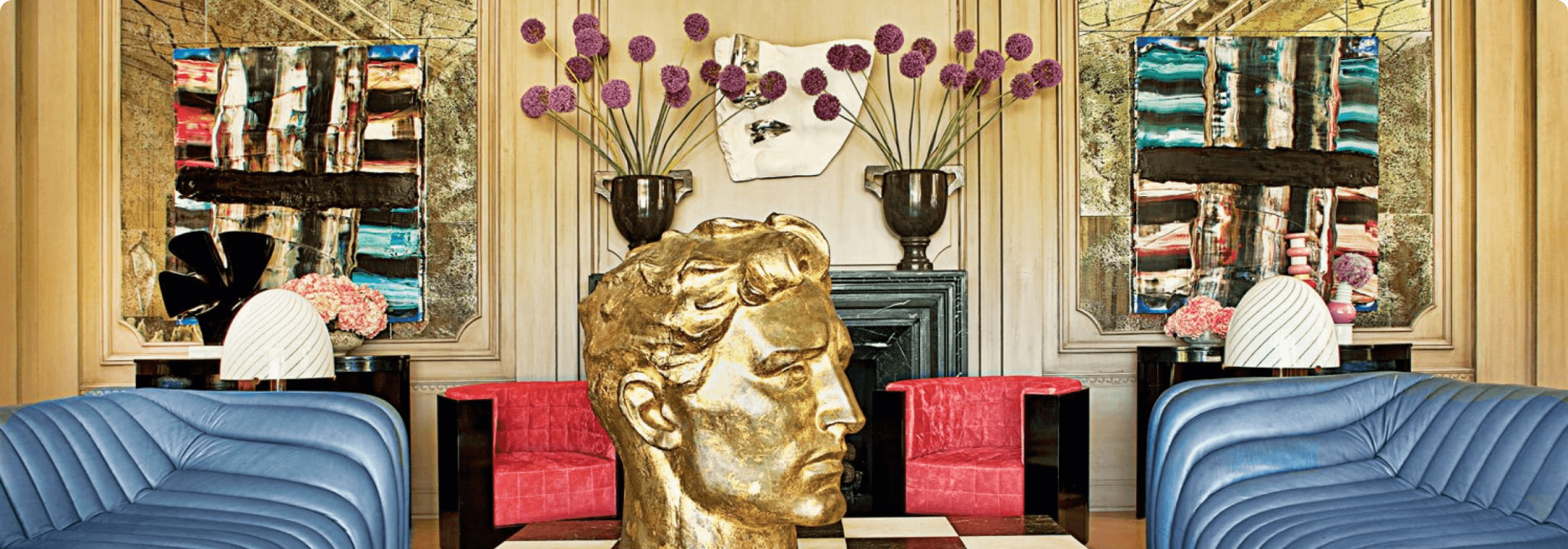
We're plunging into the world of the 90s. A period that can't be summed up in a single style. From all-white rooms to colourful kitchens in blonde wood: in the 90s, we opted for minimalism as well as maximalism. UFO-shaped lamps or floral furniture? We hate it or we love it. Either way, the cheerful designs of that era make us happy. We've highlighted a few typical features of the 90s.

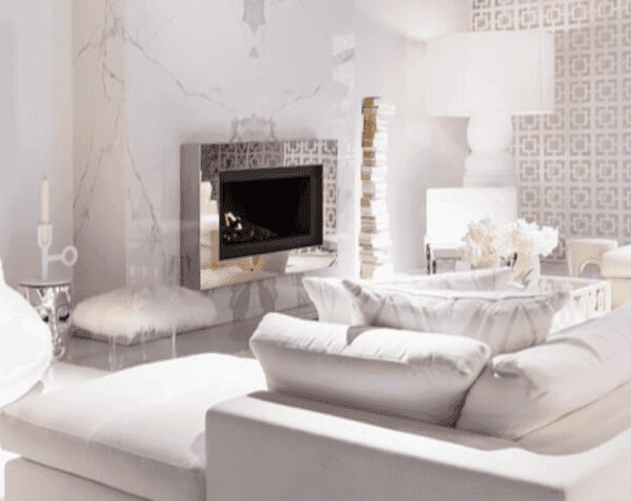
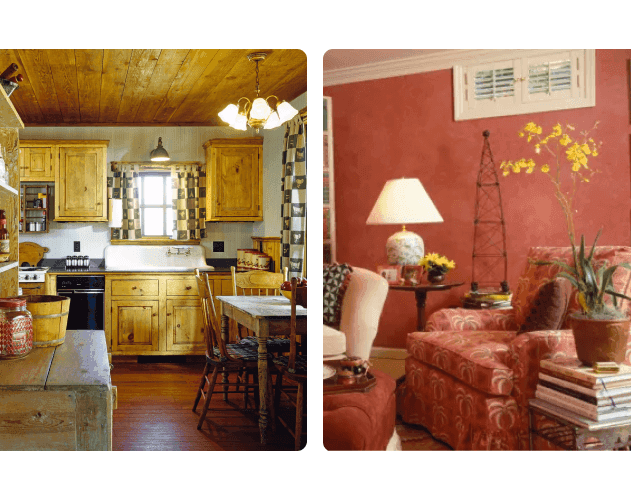
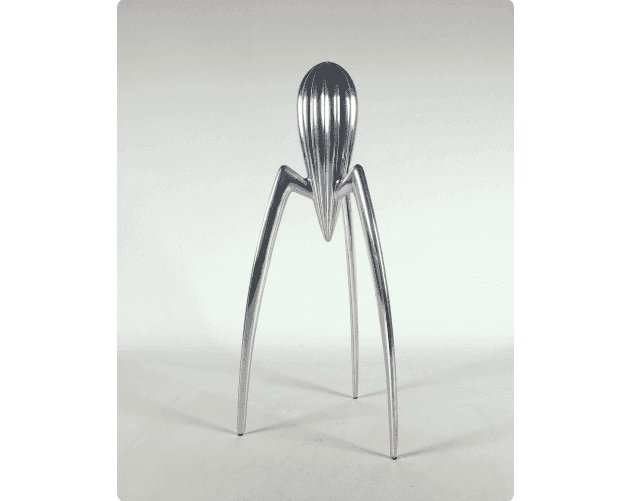
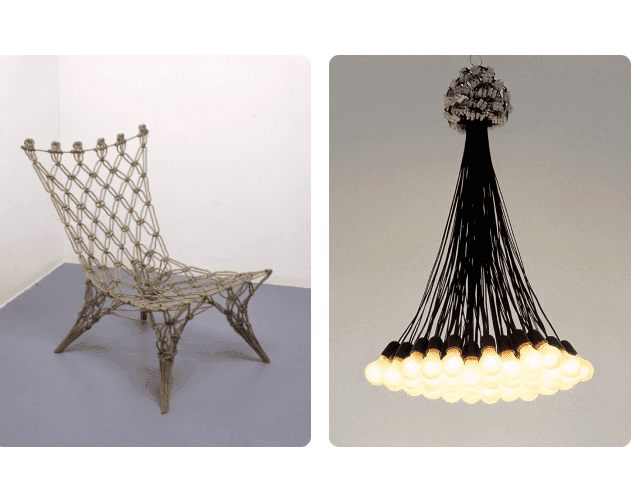
Nineties design is now more than 30 years old, which makes it fair game for vintage, and the answer to what defines it is that nothing does: minimalism in beige and white from John Pawson and Jan des Bouvries sat next to lava lamps, inflatable furniture, chrome and shiny plastic, and country-style floral sofas with a skirted wooden table. What I look for on Whoppah from this decade are the objects that outlived the mood: Philippe Starck's Juicy Salif juicer, Ron Arad's Bookworm bookcase and Werner Aisslinger's Juli chair. And the Dutch chapter, which I'm openly biased about: Droog Design showed at Milan Design Week in 1993 and gave us Piet Hein Eek's wooden wardrobe, Rody Graumans' 85 lamps and Marcel Wanders' knotted chair. Below, the styles and the pieces that still hold up.
What did 1990s interior design look like?
It may not be that long ago, but more than 30 years have passed between 1990 and today. The 1990s were marked by the end of the Cold War and the reunification of Germany. A new lifestyle was born, which manifested itself in the arrival of new technologies such as home PCs, techno music and the freedom to experiment. This was also reflected in architecture and the furniture industry: the design of the 1990s is a real mix of different styles. There's the minimalist style, with lots of beige, white and clean lines. Think, for example, of the bright, modern spaces of architect John Pawson and the white interiors of our 'own' Jan des Bouvries.
Always contemporary
As well as the diversity of interior styles, this period is also characterised by a multitude of iconic designs that are still relevant today. Just think of Philippe Starck's Juicy Salif juicer, Werner Aisslinger's Juli adjustable chair or Ron Arad's Bookworm bookcase.
What is Dutch Design and why did it take off in the 90s?
We can't forget Dutch design in our little country either, a term that gained great notoriety in the early 1990s with the Droog Design Foundation's exhibition at Milan Design Week in 1993. Dutch design is known for being innovative, sustainable and fun. Among its best-known creations are the wooden wardrobe by Piet Hein Eek, the 85 lamps by Rody Graumans and the knotted chair by Marcel Wanders. These are creations that have stolen the hearts of design lovers. They are on the list of iconic objects and will forever be part of the euphoric and joyful character of the 90s. And we're very proud of them!