Have it delivered hassle-freeBuyer protectionAll Designer items curated by WhoppahDownload the Whoppah App – get alerts & sell with ease.
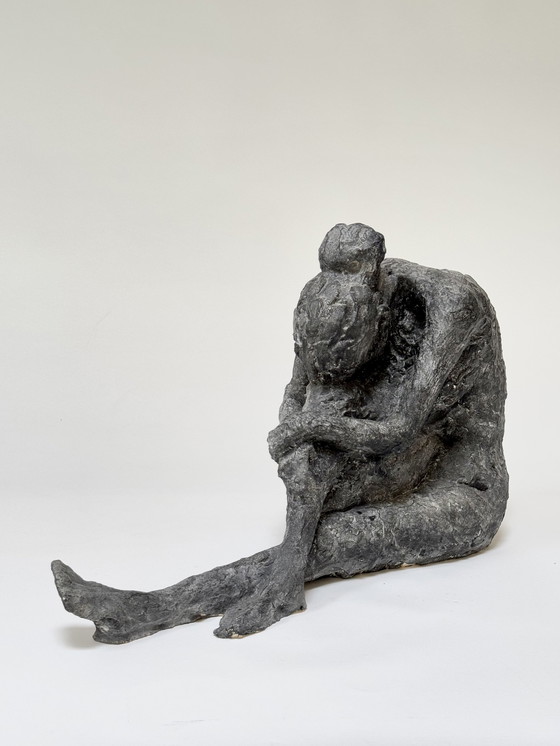
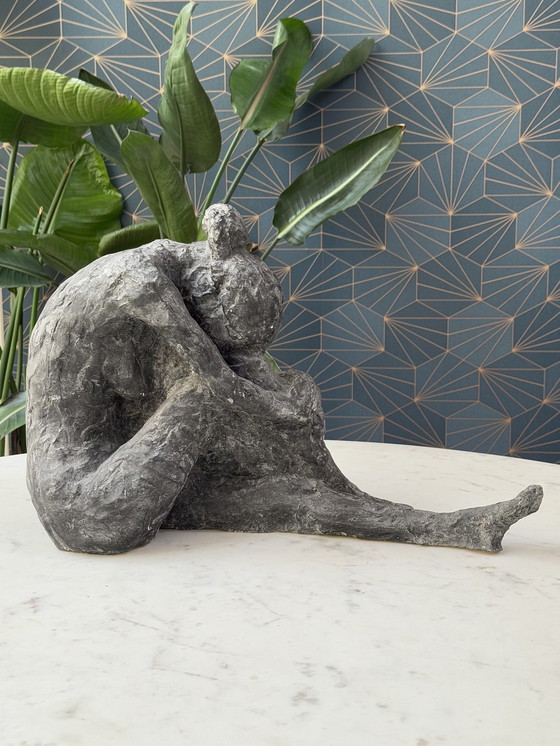
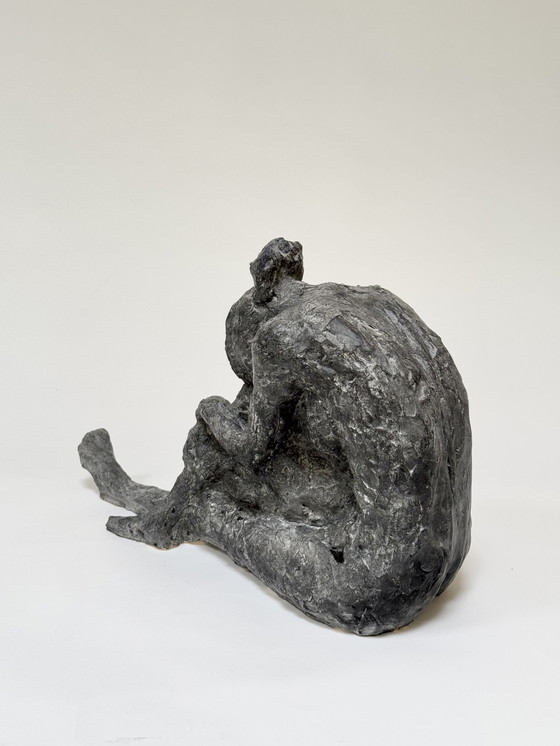
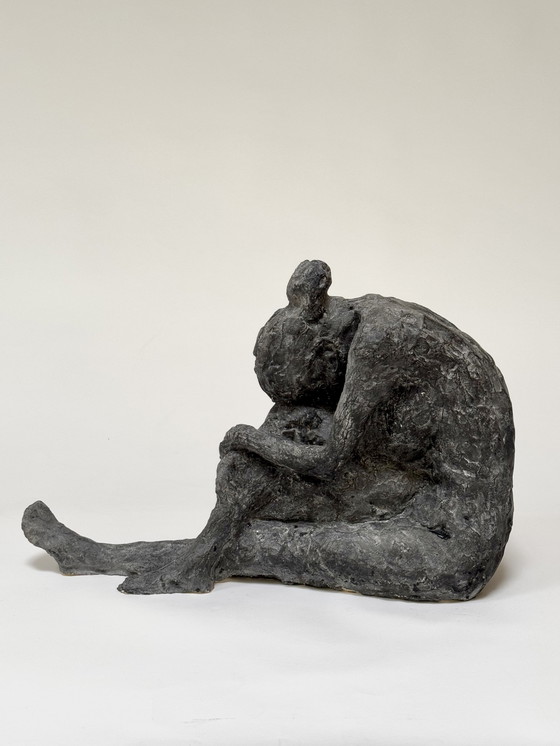
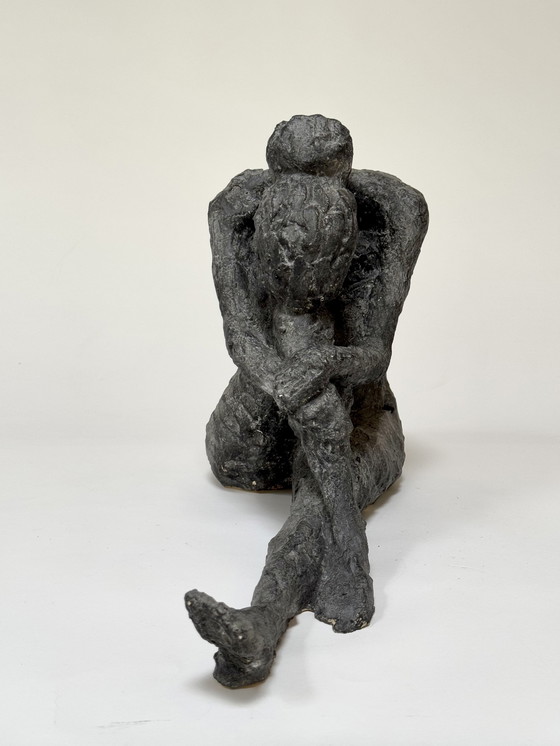
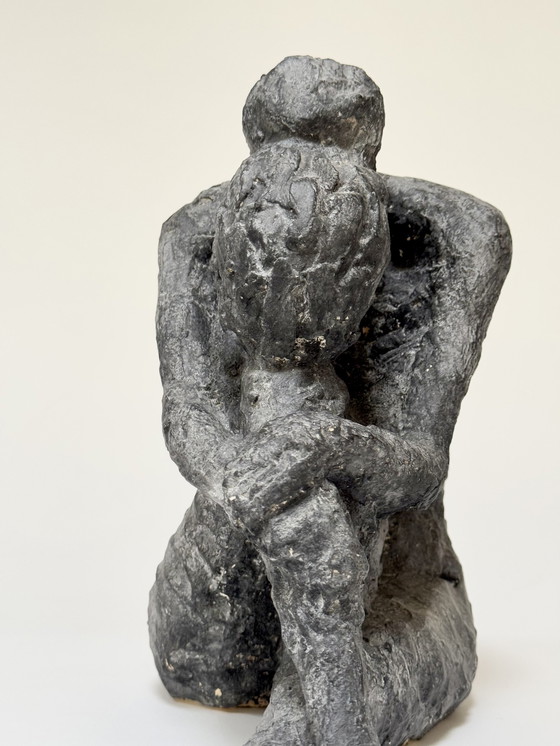
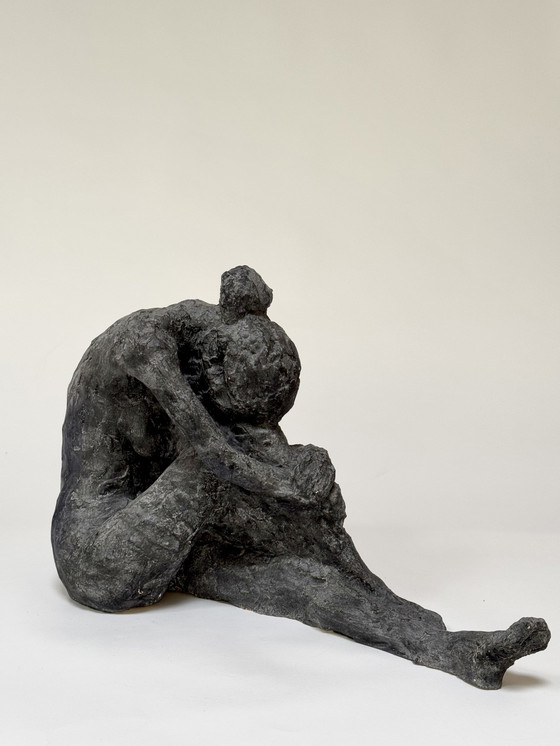
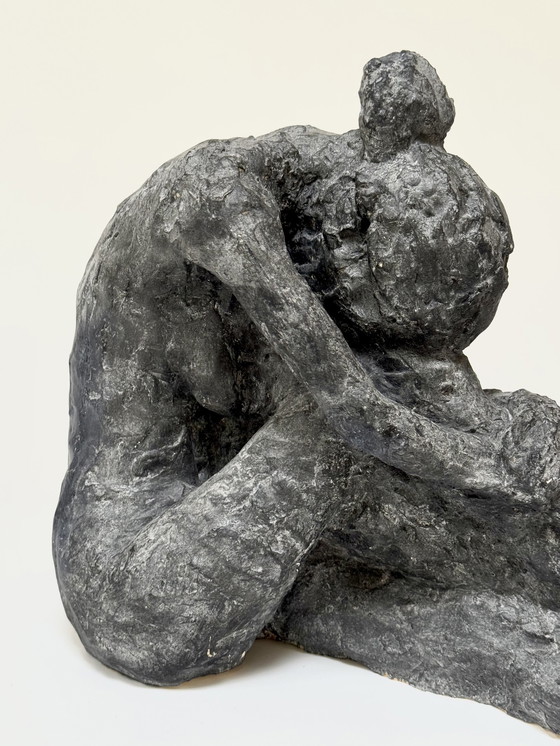
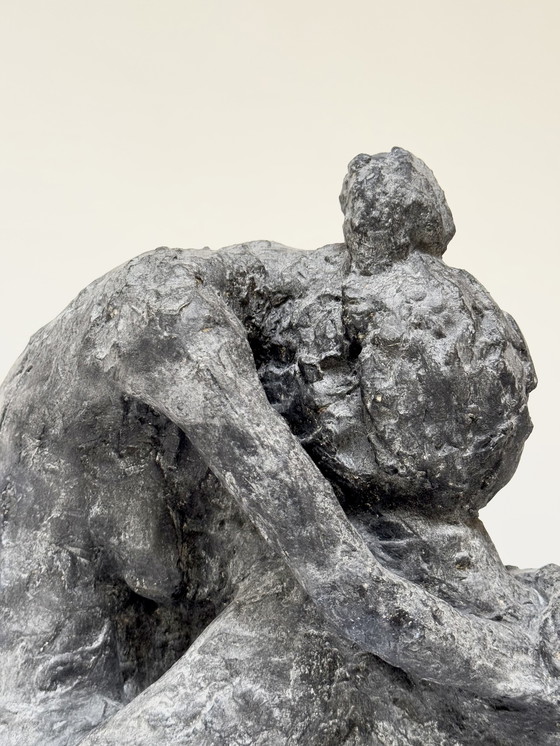
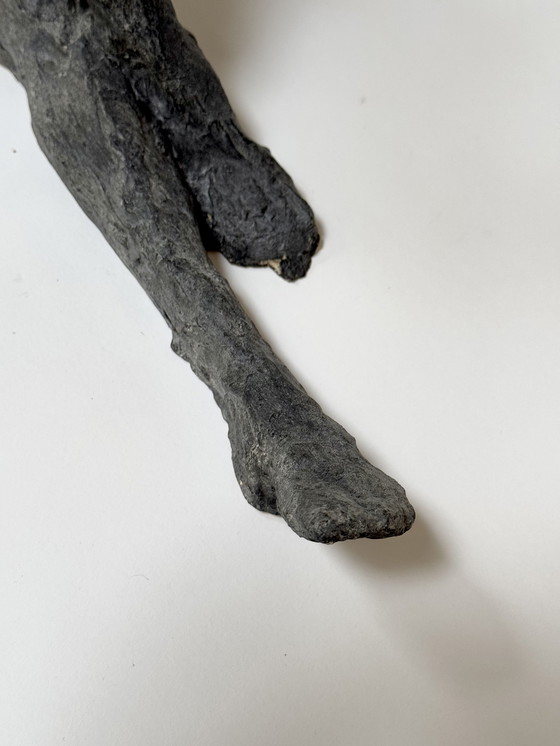
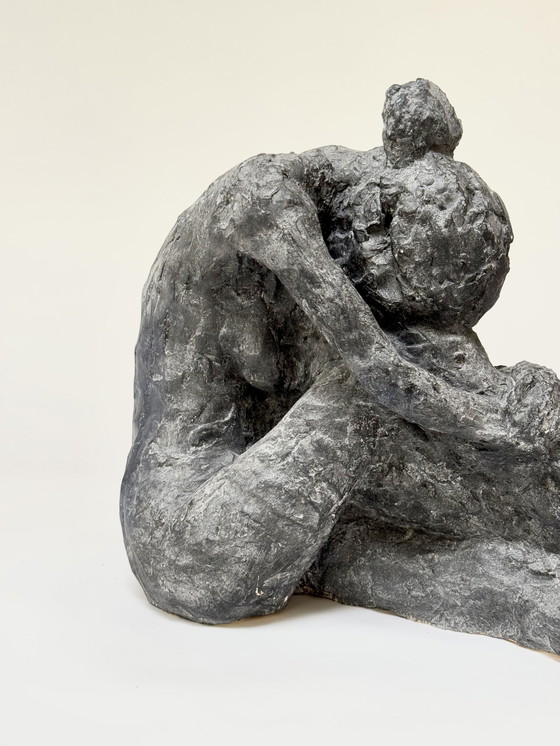
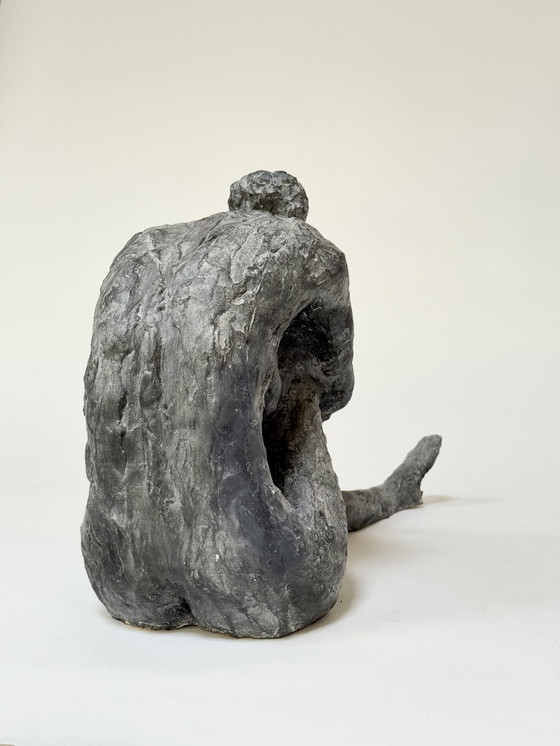
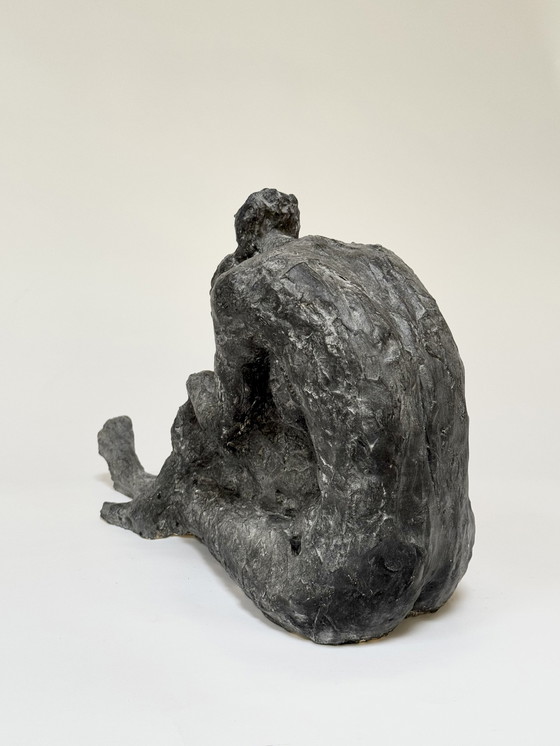
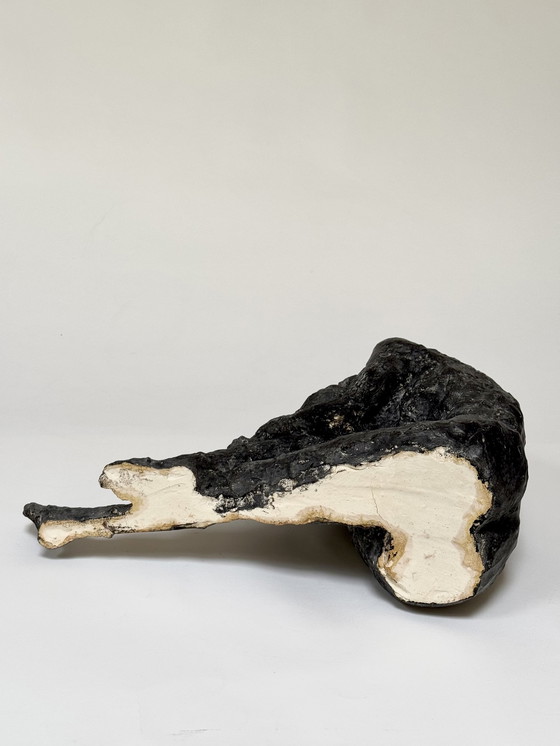
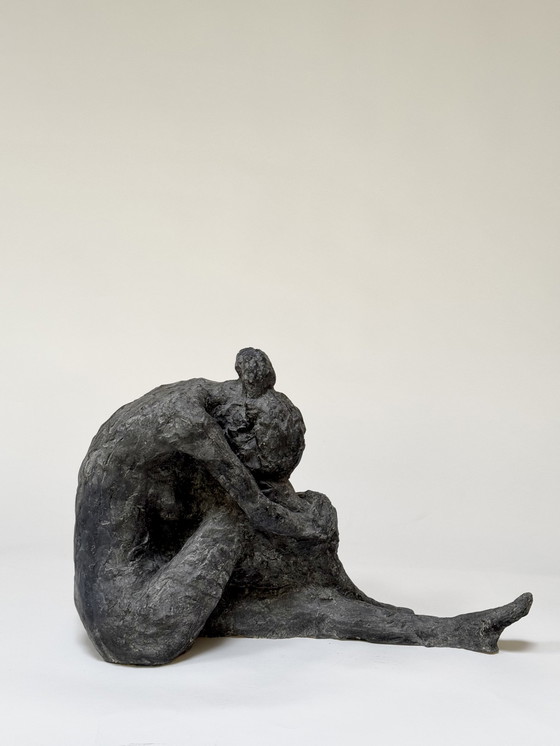
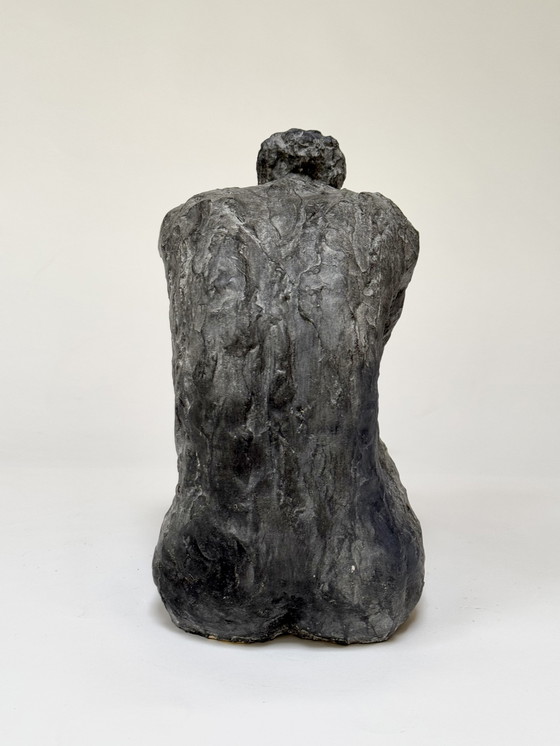
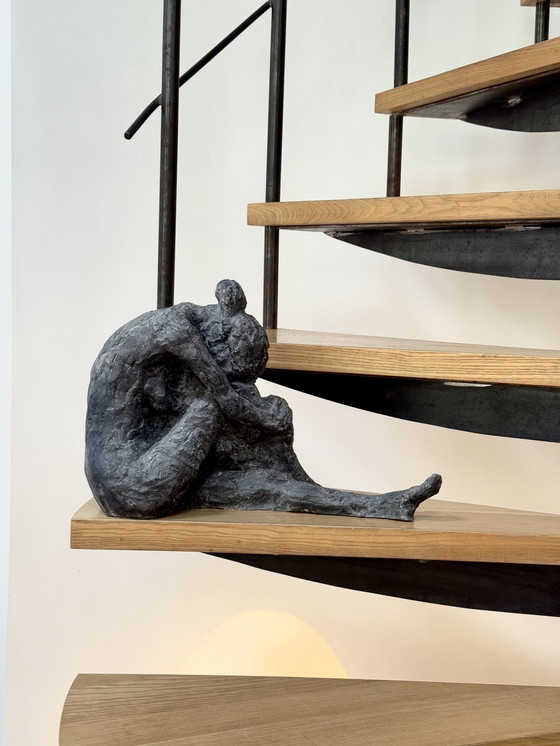
Yolande Ide (1931) - Terracotta Sculpture
SOLD for €430
Buy with confidence
Shop & pay safely with Buyer ProtectionDesigner items curated by WhoppahWe only pay the seller once you have safely received the itemTrusted payment methods


About this seller
Private sellerBruxelles, BelgiumOn Whoppah since April 2024 • 90 sales
Product description
Yolande Ide (1931)
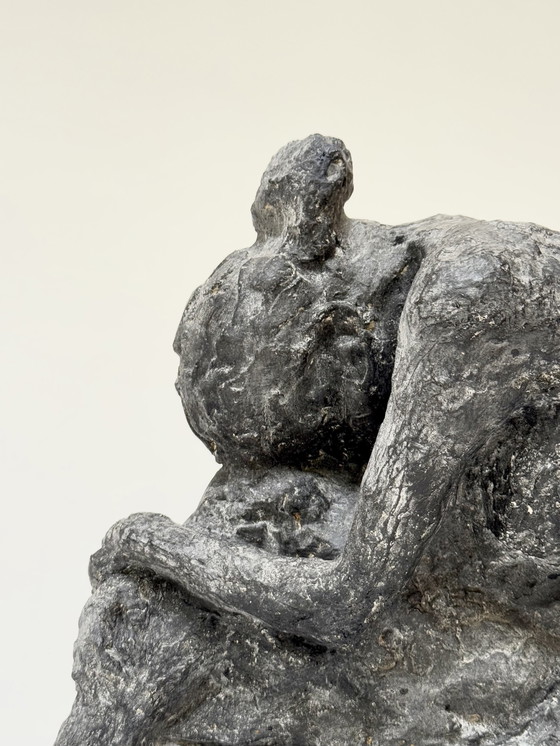
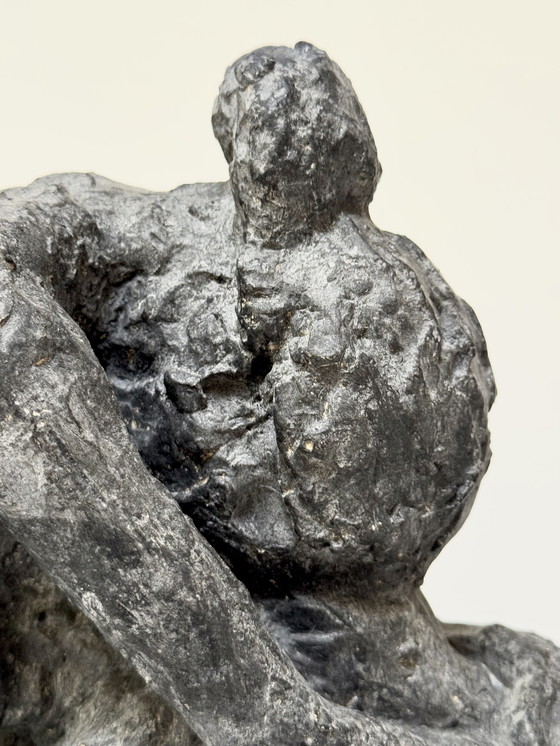
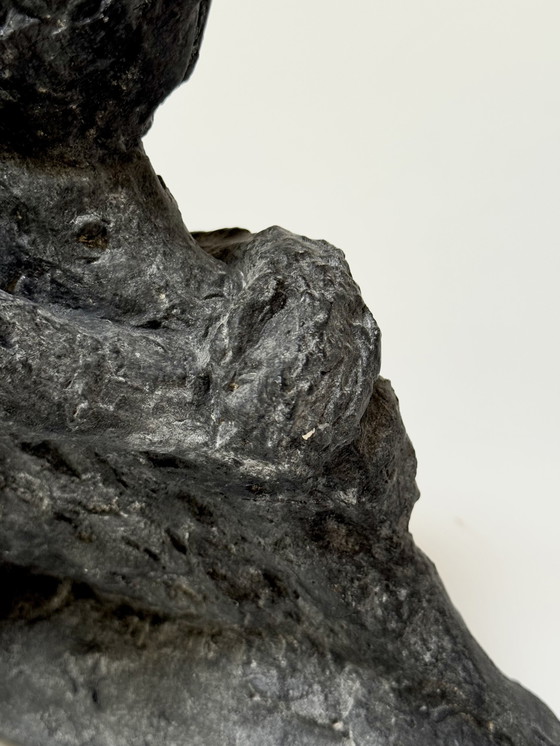
This sculpture captures a deeply introspective moment, portraying a figure curled inward in a pose that suggests contemplation, vulnerability, or emotional retreat. The rough, textured surface emphasizes the raw, expressive nature of the work, enhancing its emotional weight. The artist skillfully conveys both tension and fluidity, creating a contrast between the solidity of the material and the organic, almost tender posture of the subject. This piece resonates with the tradition of existential and figurative sculpture, where body language alone tells a powerful story of inner reflection. Additionally, the artist has painted the sculpture to imitate patina, giving it an aged, weathered appearance that further enhances its depth and sense of permanence, as if it were an artifact of human emotion preserved in time.
Biography of the artist:
Yolande Ide, now 94 years old woman, from the Belgian coastal town named De Haan. She is the daughter of Léon Ide, a prominent architect in the commune of De Haan.
In 1950, Yolande enrolled in courses at the Academy of Fine Arts in Antwerp.
Throughout her life, she created magnificent terracotta sculptures and paintings in secret, in her small workshop within their large family home. Despite her artistic talent, she never exhibited her works, preferring to keep her studio within the castle where she resided.
Yolande carefully crafted her sculptures, focusing on female figures, highly stylized for the 1960s and considered avant-garde in their style. Like a passionate artist sometimes she created male figures. She succeeded in painting as well.
Her sculptures are characterized by their raw beauty.
Her father, Leon Ide, was a renowned architect who greatly influenced the interwar architectural landscape of De Haan. He specialized in designing Anglo-Norman and Flemish country-style villas, as well as undertaking projects in other coastal municipalities such as Bredene and Middelkerke. Notably, he renovated the « Grand Hôtel du Coq-sur-mer » in Le Coq, originally designed by Alfred Neirynck in 1889, and designed the town hall of the former municipality of Klemskerke.
Circa 1960s.
Dimensions: 34 x 50 x 17 cm.
7,6 kg
.
.
Specifications
ConditionGoodColorsGrey, TaupeMaterialCeramicNumber of items1Height34 cmWidth50 cm
Discover more
Seller information
About this seller
Private sellerBruxelles, BelgiumOn Whoppah since April 2024 • 90 sales