Have it delivered hassle-freeBuyer protectionAll Designer items curated by WhoppahDownload the Whoppah App – get alerts & sell with ease.
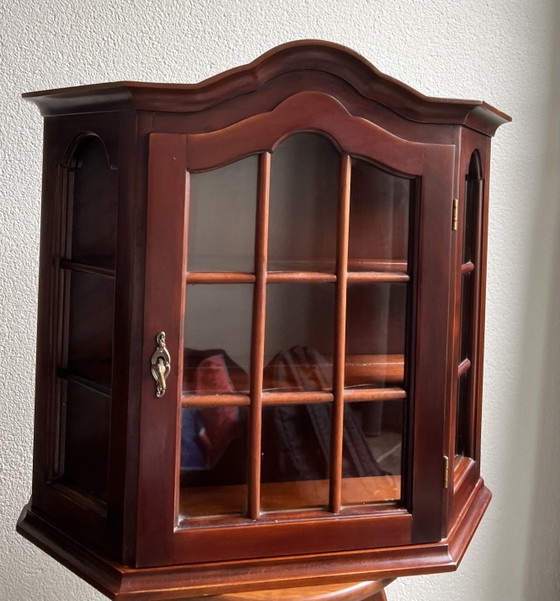
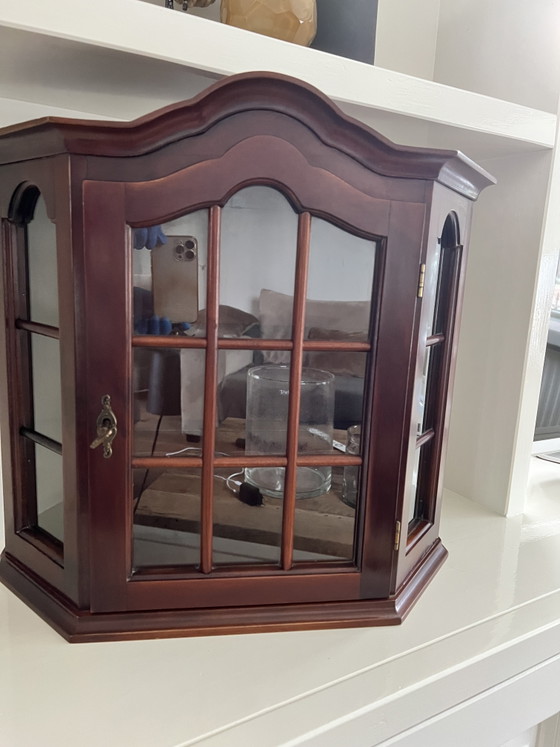
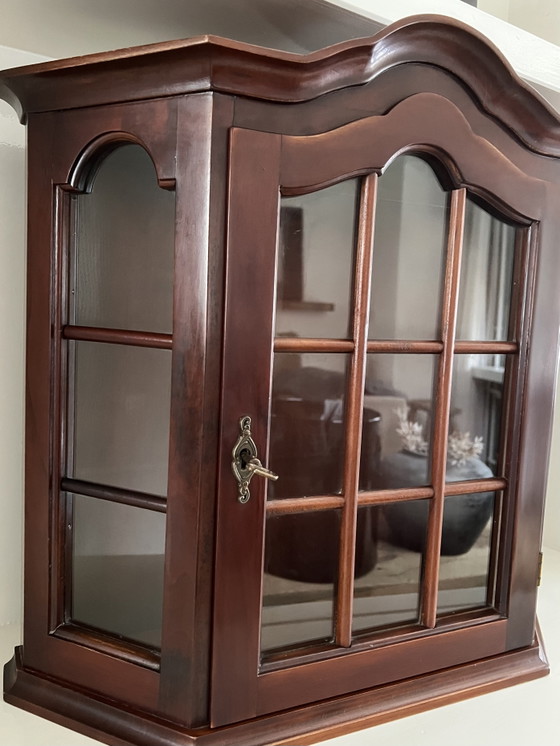
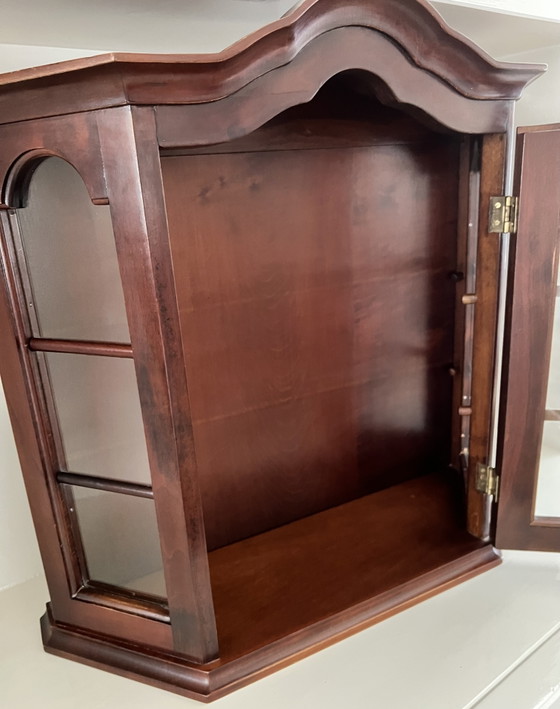
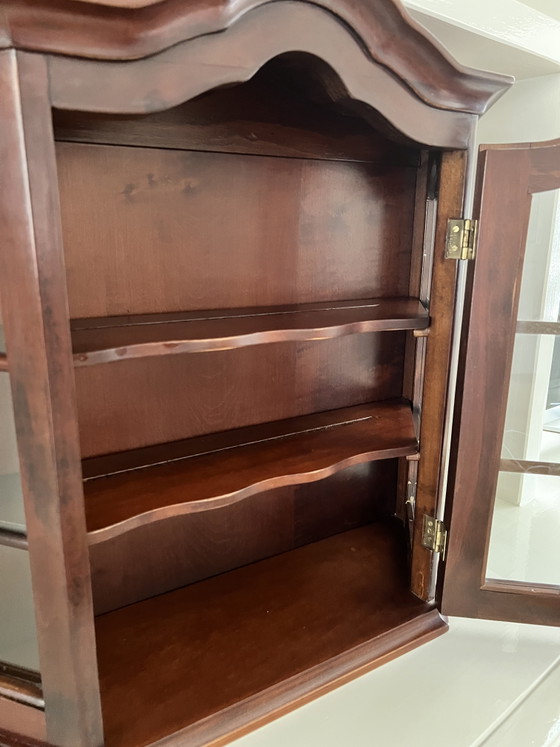
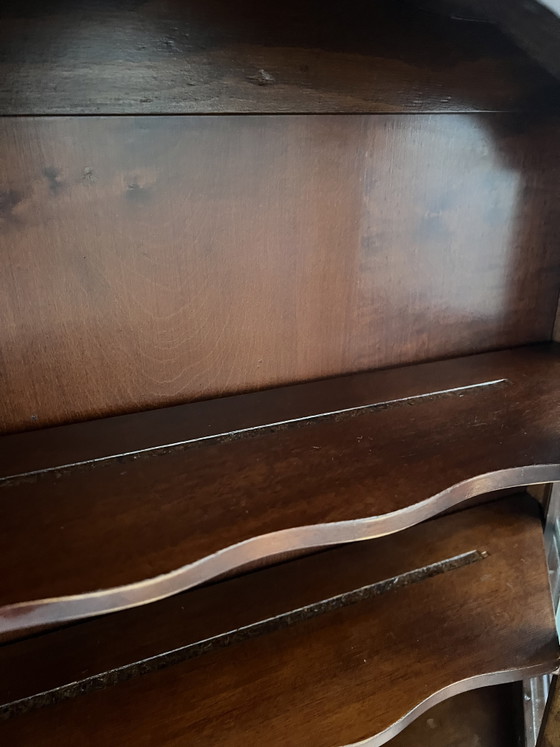
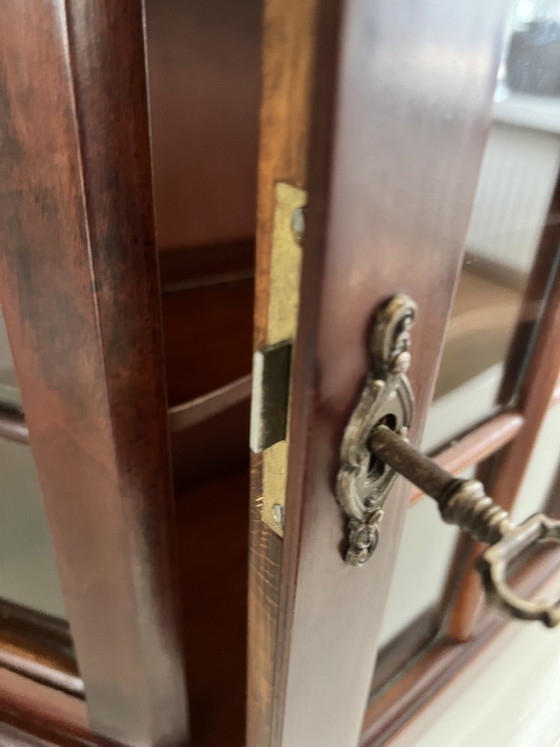
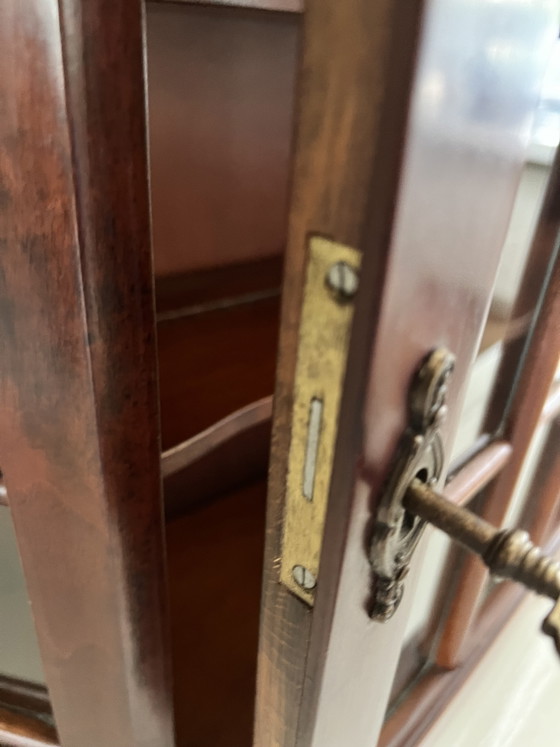
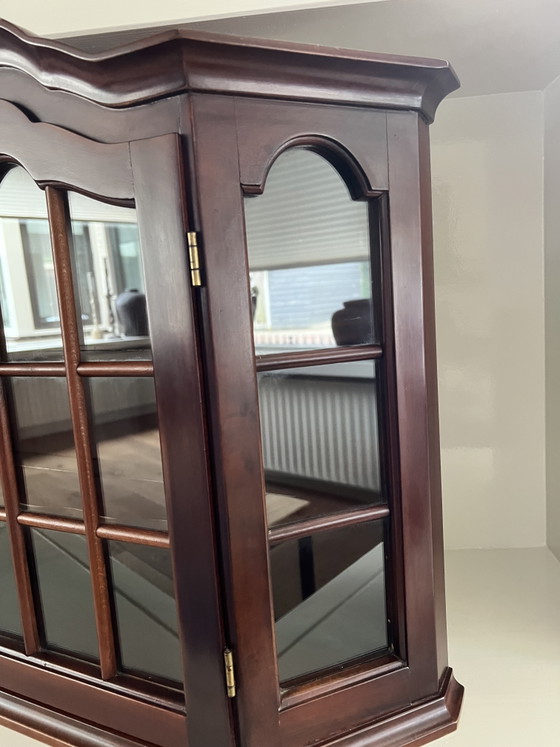
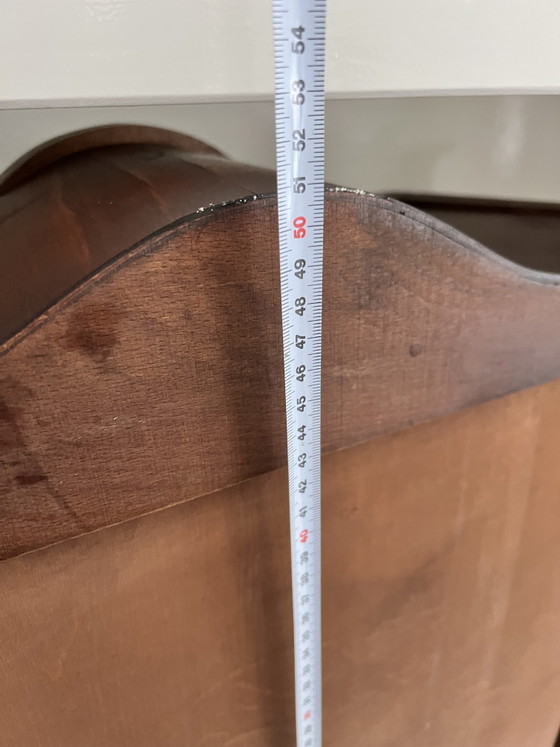
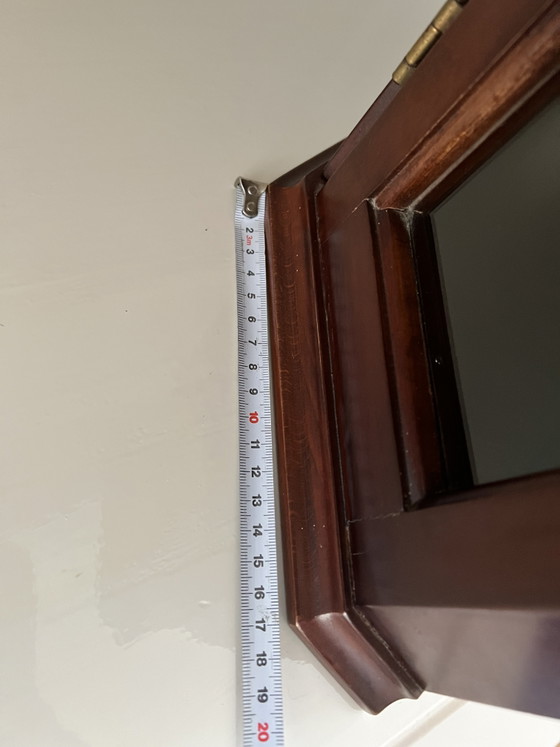
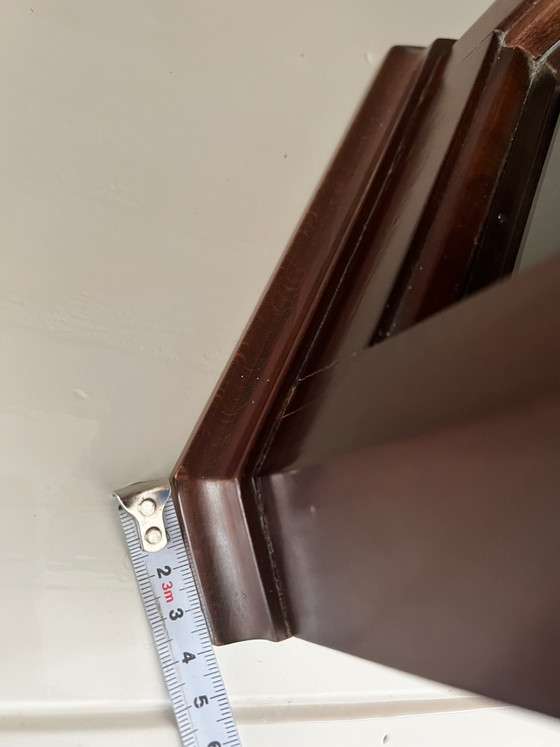
Wall display cabinet with original Danish workshop stamp with inspection number
€650Bid from €325
Buy with confidence
Shop & pay safely with Buyer ProtectionDesigner items curated by WhoppahWe only pay the seller once you have safely received the itemTrusted payment methods



About this seller
Private sellerProduct description
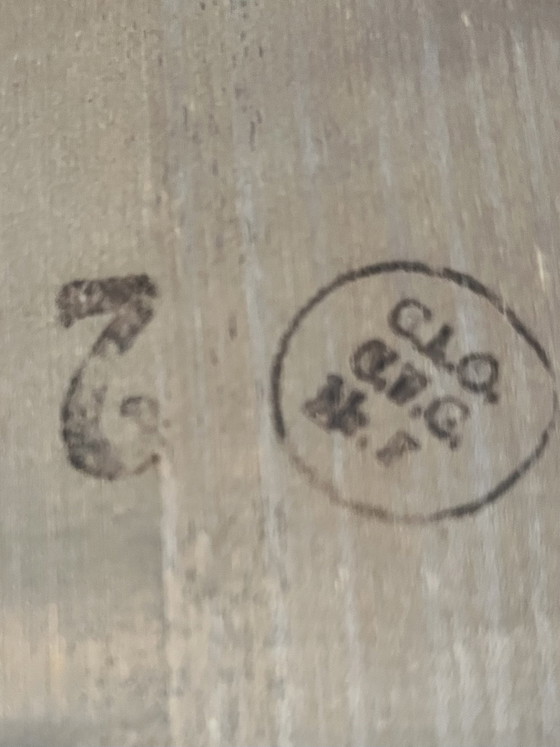
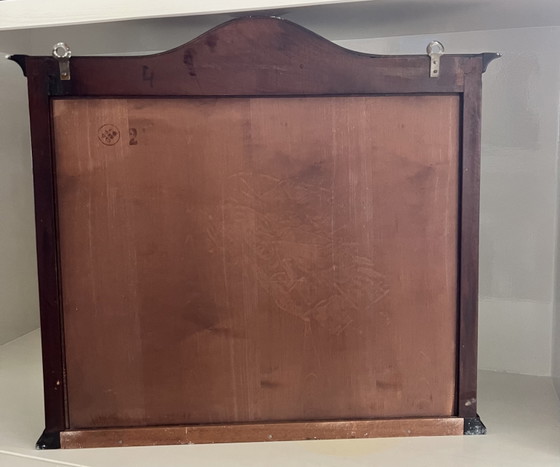
This stamp was applied in Denmark (or elsewhere in Scandinavia) in a furniture workshop from the 1950s or 1960s. What does this specific stamp reveal about its origin? Made in a Danish workshop: The round ink stamp with the letters C.W.C. and C.L.O. is characteristic of Scandinavian furniture cooperatives from the mid-century period. The 'W' here almost always stands for Værksted (the Danish word for workshop or factory). Manually inspected: The number 2 is placed directly next to the factory circle using a separate hand stamp. This is the personal control number of the furniture maker or quality inspector in the Danish factory (Cabinetmaker No. 2). It proves that the cabinet met the strict Danish quality standards at the time before it was exported. The stamp was deliberately placed in an inconspicuous location (usually the unfinished back plate or the bottom), because mid-century modern design revolves entirely around a sleek, minimalist exterior without visible markings. Based on the stamp and the photo, it is important to note that there is no "Nr. F", but that the bottom line in the circle should be read as "Nr. I" or "Nr. 1".
The letter that looks like an 'F' is actually a Roman 'I' (a capital I) with distinct crossbars at the top and bottom (serif letters), in other words, a serif type.
This explains the structure of the stamp:
It is the abbreviation for Number 1 (written as Nr. I).
As described above, this indicates the first quality class (Class I) of the factory production or the wood material.
Specifications
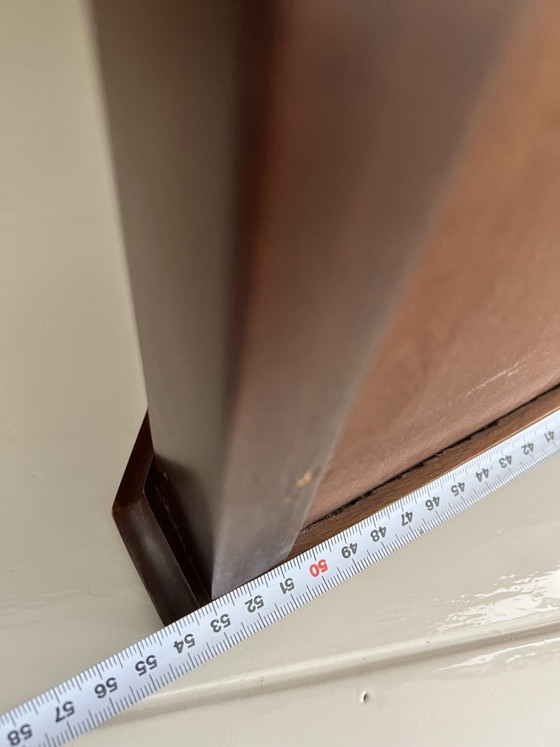
ConditionExcellentColorsBrownMaterialWoodNumber of items1Height51 cmWidth54 cmDepth20 cm
Discover more
Seller information
About this seller
Private sellerNijverdal, NetherlandsOn Whoppah since February 2023 • 5 sales