Have it delivered hassle-freeBuyer protectionAll Designer items curated by WhoppahDownload the Whoppah App – get alerts & sell with ease.
Have it delivered hassle-free
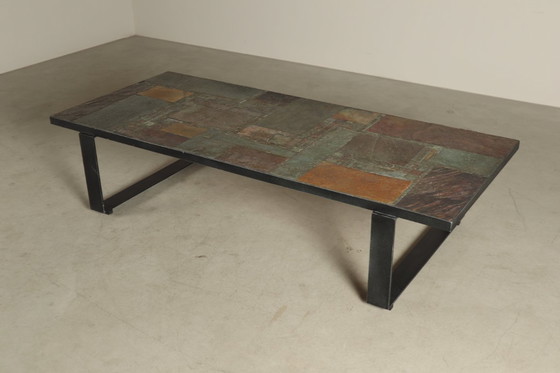
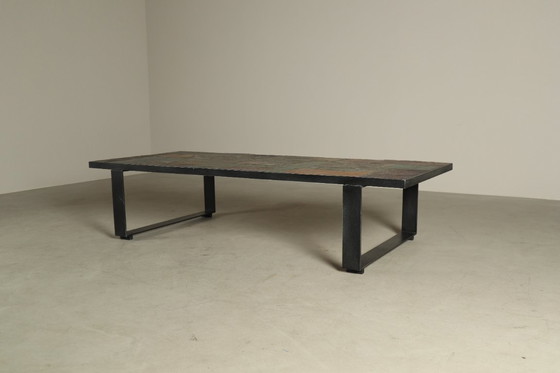
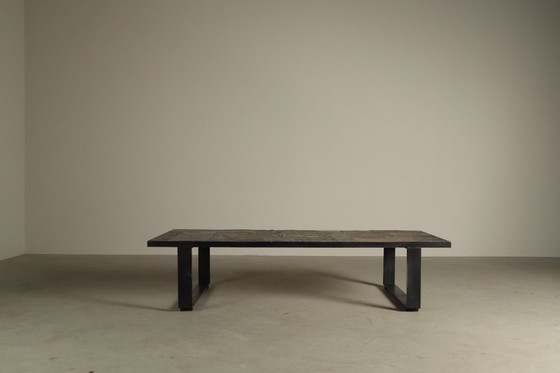
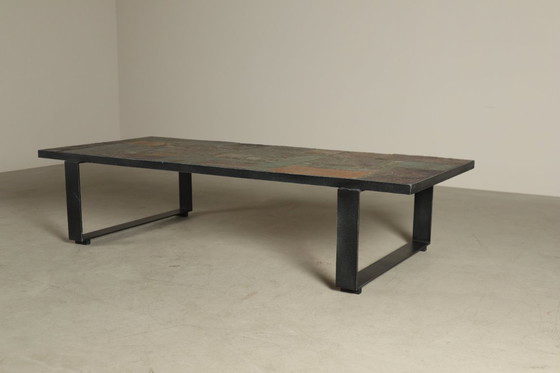
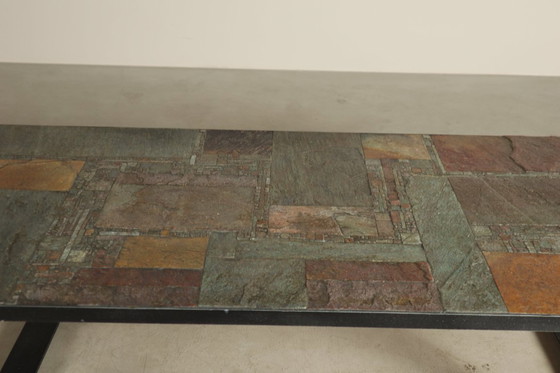
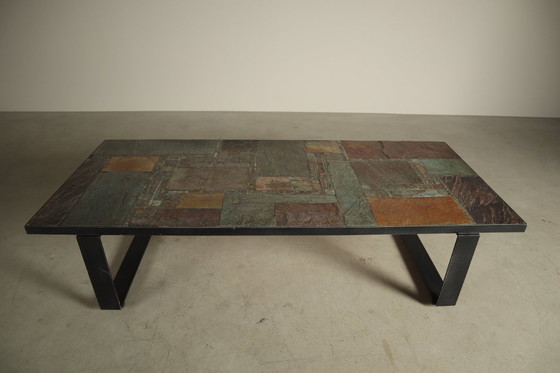
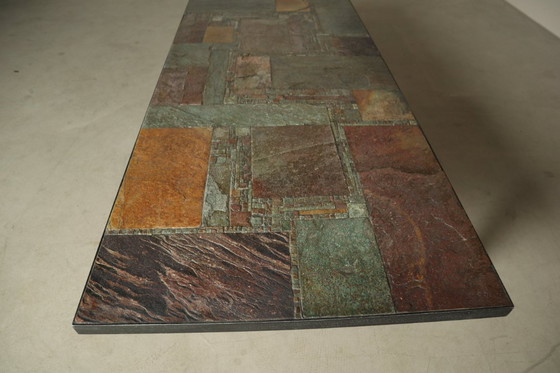
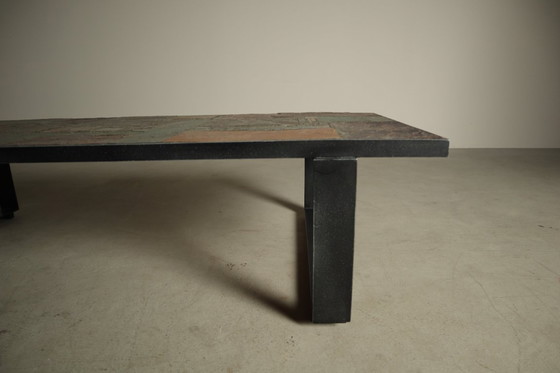
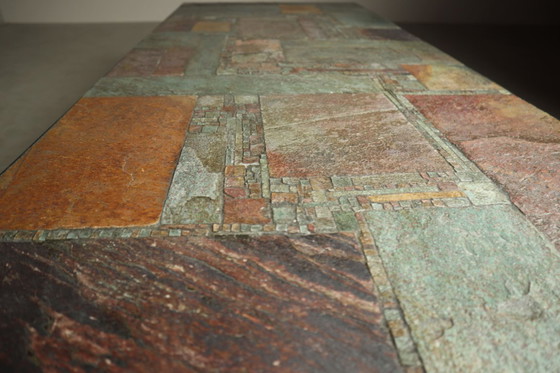
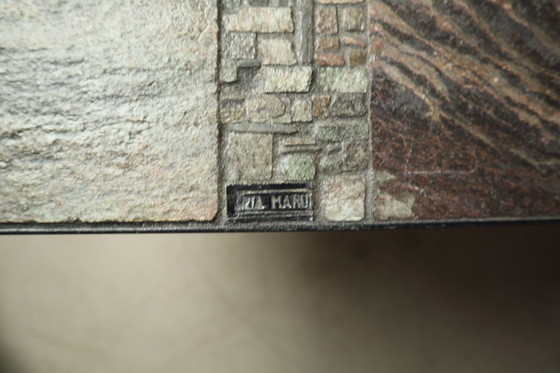
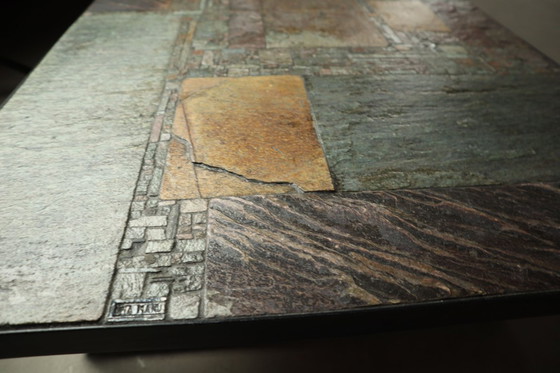
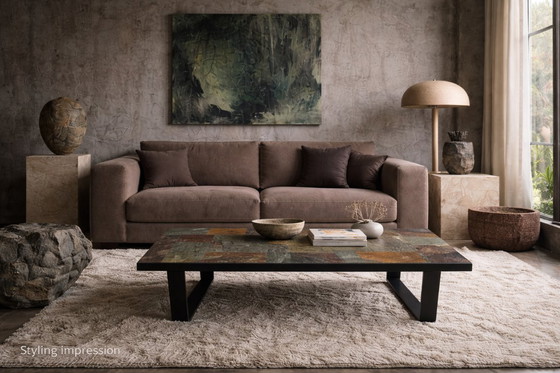
Postmodern coffee table by Pia Manu, Belgium
€6,000Bid from €5,500
Buy with confidence
Shop & pay safely with Buyer ProtectionDesigner items curated by WhoppahWe only pay the seller once you have safely received the itemTrusted payment methods


About this seller
ProfessionalPassendale, BelgiumOn Whoppah since December 2021 • 39 sales
Product description
This coffee table is a perfect example of the material-driven postmodern design language that emerged in Belgium in the late 1980s and early 1990s. Designed by Pia Manu, the piece reflects a conscious shift from the expressive brutalism of the 1970s to a more controlled, architectural style based on geometry, proportion, and surface finish.
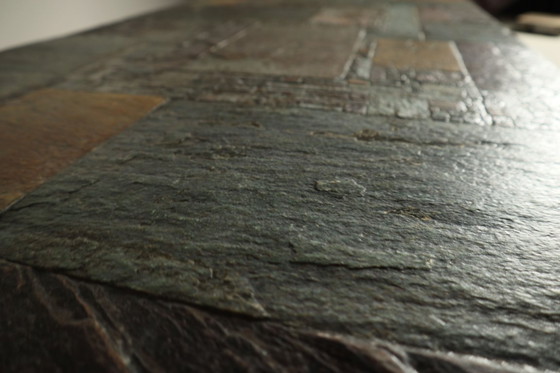
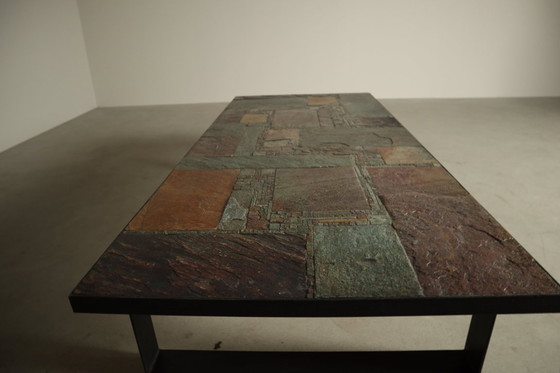
The tabletop is constructed from a carefully composed stone mosaic, consisting of rectangular slabs in various natural hues—green, rust, brown, and gray—arranged in a grid pattern. The mosaic serves not only as decoration but also as a structural and visual system that emphasizes rhythm, balance, and material contrast. The precision of the stone inlay suggests an industrial, rationalized process, while retaining the tactile and chromatic depth of natural stone.
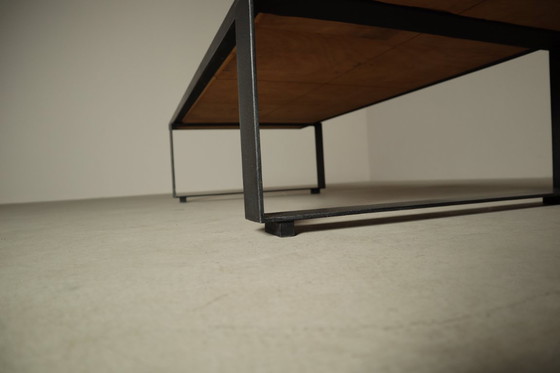
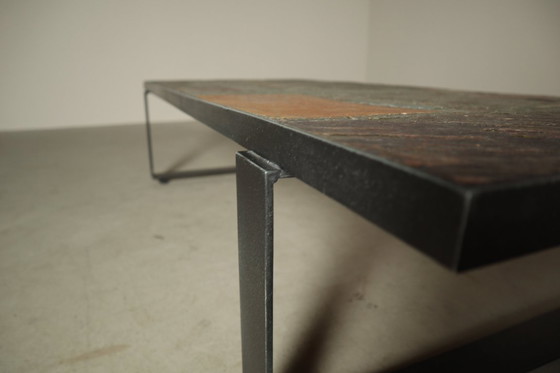
The black metal base, reduced to essential geometric lines, creates an understated, industrial contrast with the expressive tabletop. The sled-like construction reinforces the design's horizontal emphasis and reflects the architectural sensibility of the period, when furniture was considered an extension of the spatial structure rather than an autonomous object.
Typical of Pia Manu's work from this period, the table displays a synthesis of artisanal material processing and standardized production. This balance places the piece firmly within the context of Belgian postmodern furniture design, where material authenticity and architectural clarity were paramount.
This work is a representative example of late-20th-century Belgian postmodern furniture design and illustrates Pia Manu's role in translating architectural principles into functional, materially expressive living objects.
DxHxL: 67x36x150 cm
Specifications
ConditionExcellentColorsOrange, Black, GreyMaterialStoneNumber of items1StyleVintageHeight35 cmWidth67 cmDepth150 cm
Discover more
Seller information
About this seller
ProfessionalPassendale, BelgiumOn Whoppah since December 2021 • 39 sales