Have it delivered hassle-freeBuyer protectionAll Designer items curated by WhoppahDownload the Whoppah App – get alerts & sell with ease.
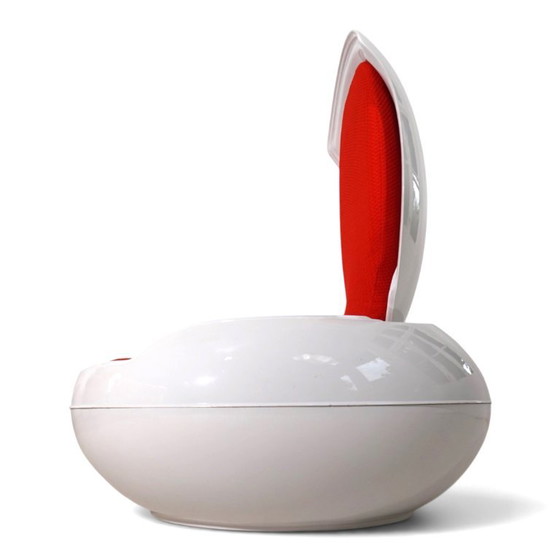
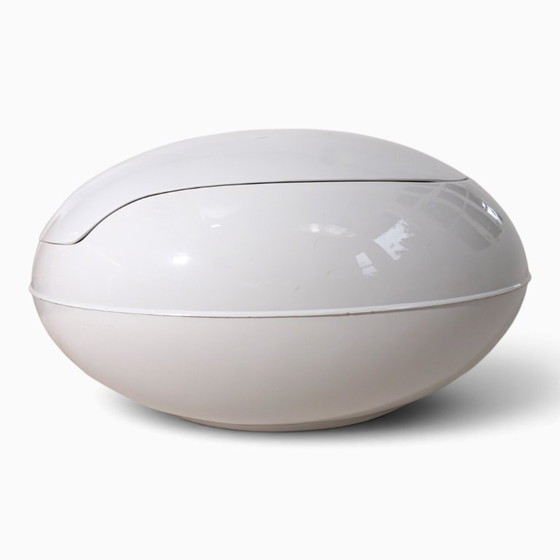
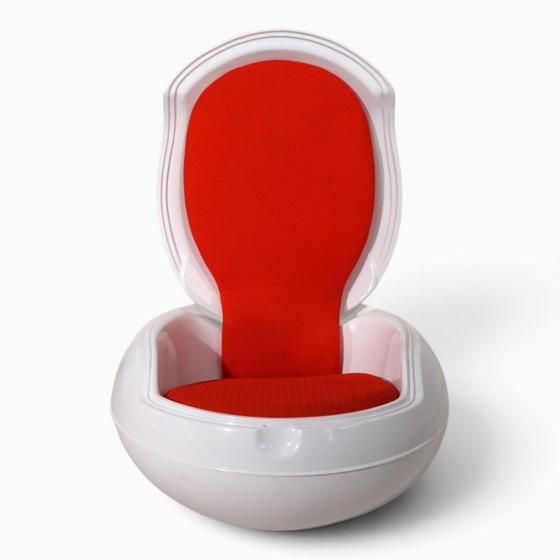
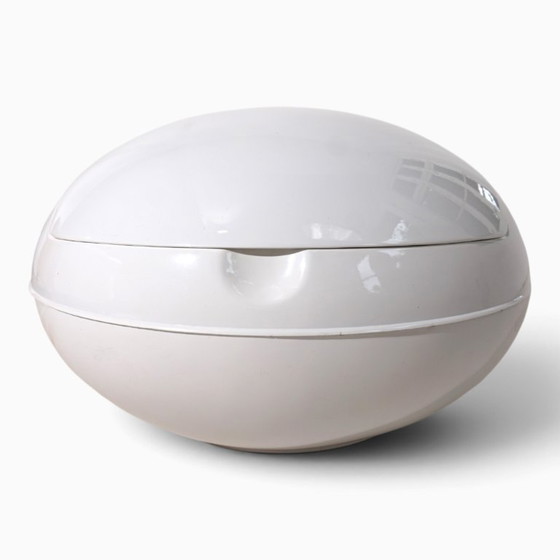
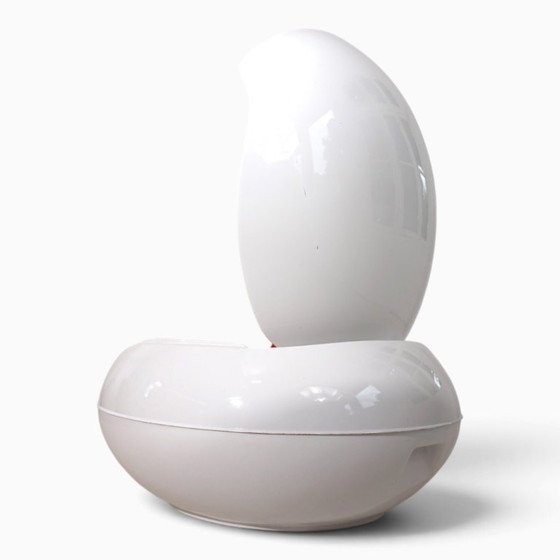
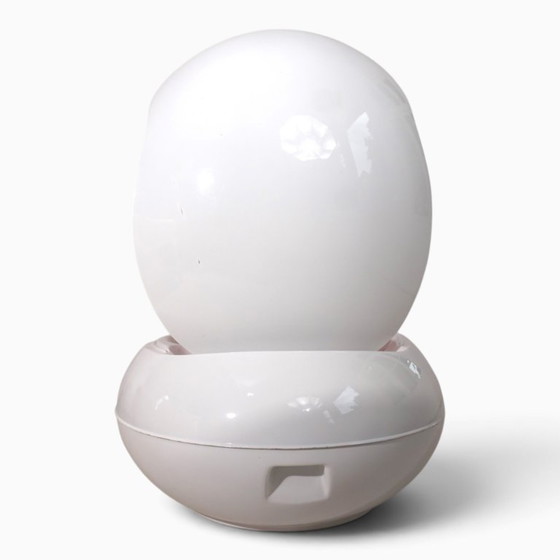
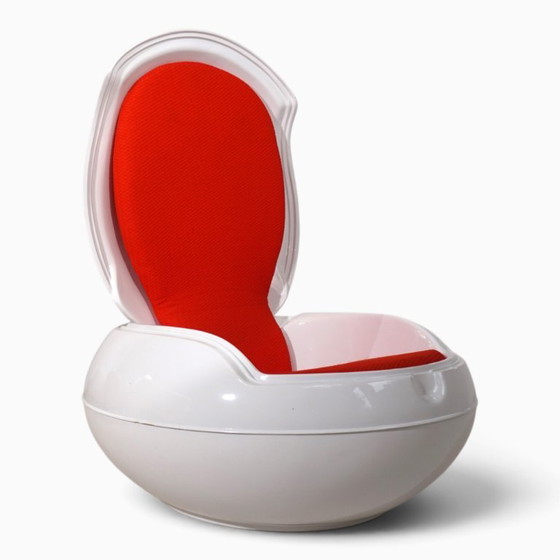
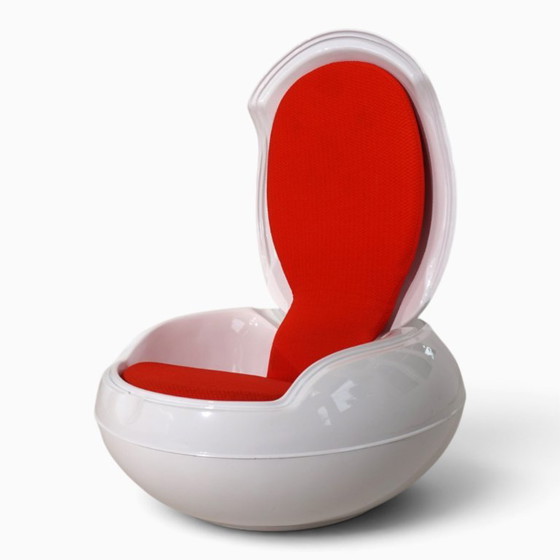
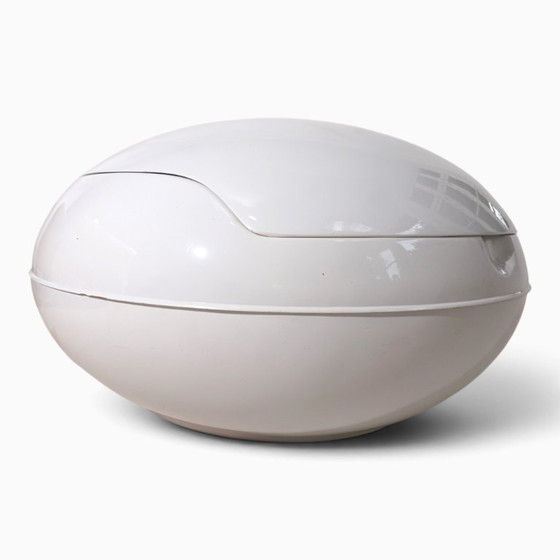
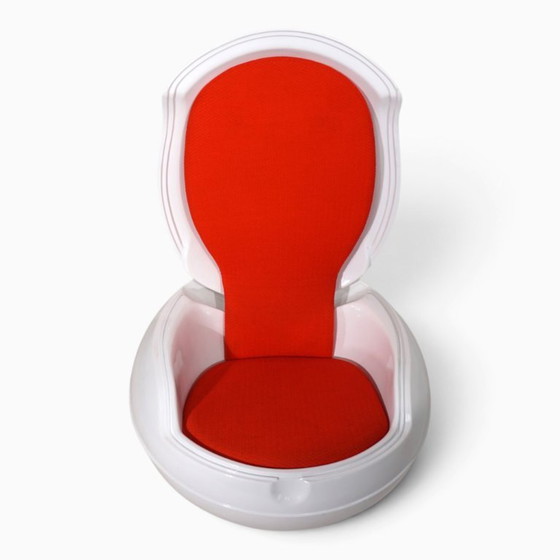
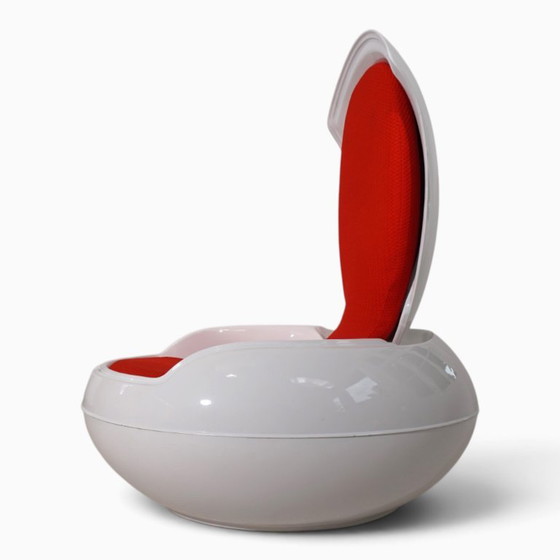
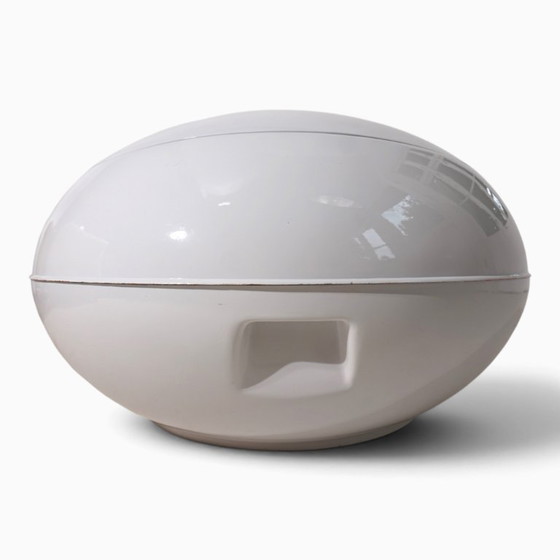
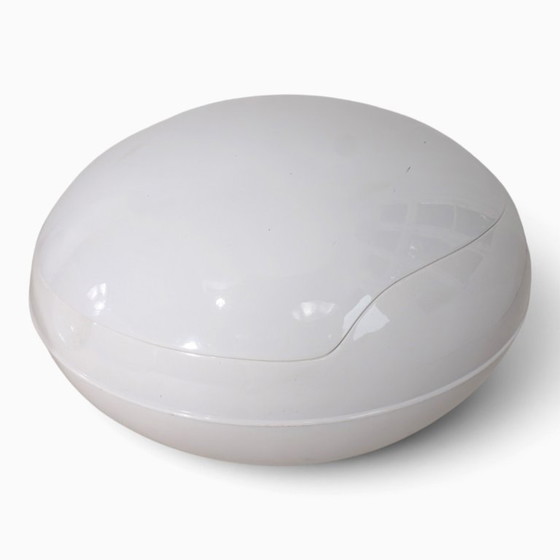
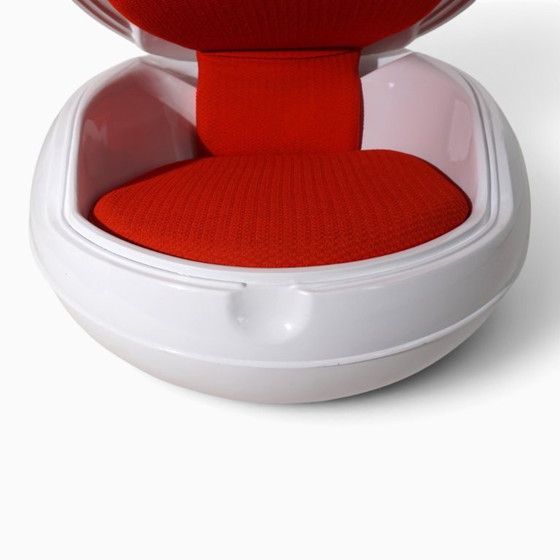
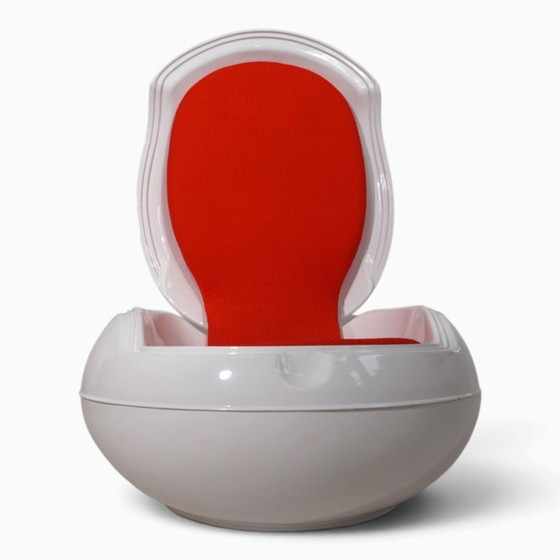
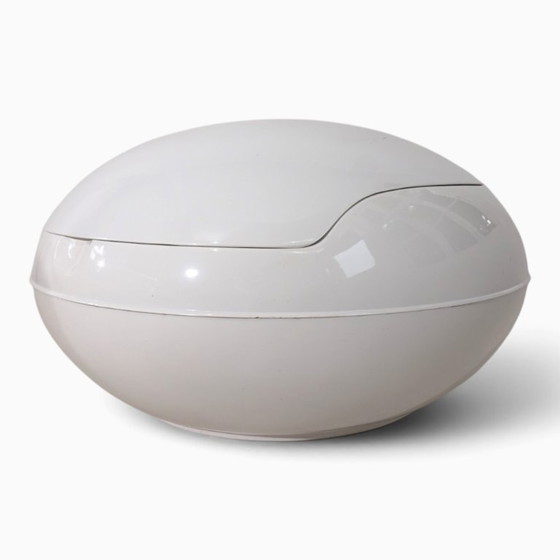
Peter Ghyczy Senftenberger Egg Lounge Chair/ Garden Egg Chair for VEB Synthesewerk Schwarzheide, 1970
€1,697
Buy with confidence
Shop & pay safely with Buyer ProtectionDesigner items curated by WhoppahWe only pay the seller once you have safely received the itemTrusted payment methods


About this seller
ProfessionalKummer, GermanyOn Whoppah since September 2022 • 55 sales
Product description
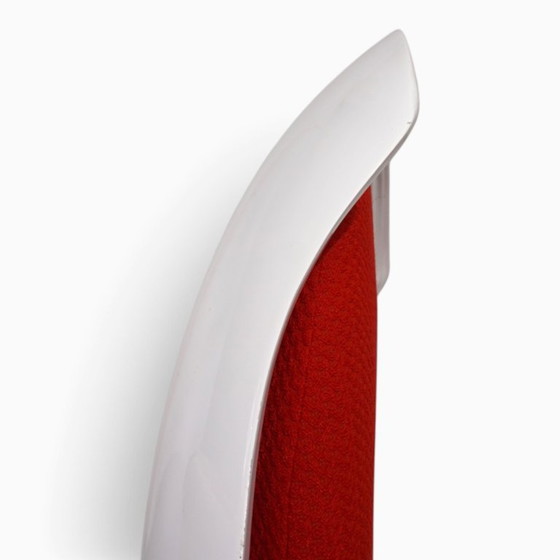
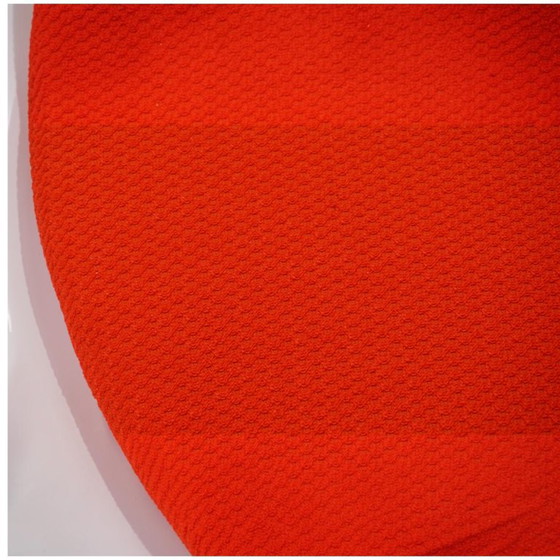
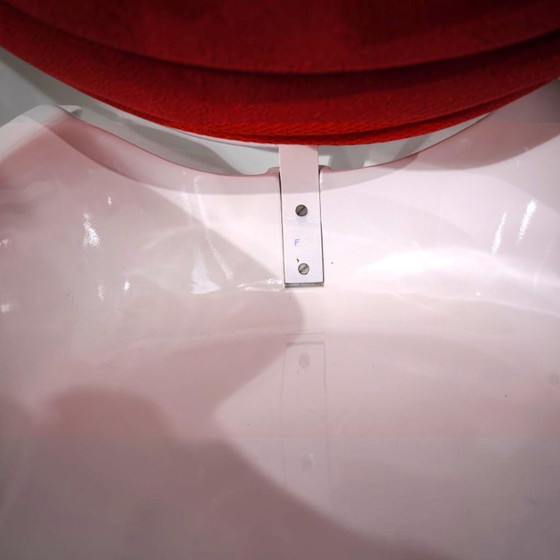
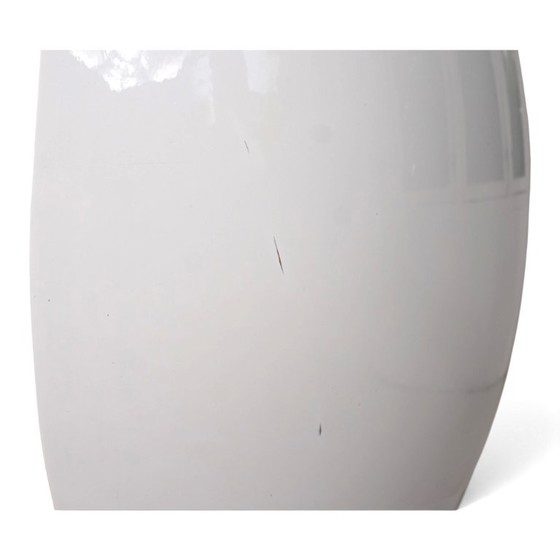
The so-called Senftenberger Ei, internationally known as the Garden Egg Chair, is one of the most extraordinary seating furniture pieces of the Space Age era and is today a sought-after classic of European plastic design. The armchair was designed in 1968 by Peter Ghyczy, initially for the West German company Elastogran. At that time, Ghyczy was intensively experimenting with the then innovative material polyurethane and developed the Garden Egg, one of the earliest armchairs to combine seating furniture with a fully enclosed, sculptural form. This particular example is especially attractive due to its classic combination of a white shell and vibrant red upholstery. The red seat and back cushions still have their original covers, which are in exceptionally good, almost new condition. The preservation of the original fabric, in particular, emphasizes the authentic vintage character of the armchair. The white shell is also in very good original condition for its age. Only minimal age and use-related traces are present on the lid. It is particularly noteworthy that the shell shows no cracks or chips – damage that is relatively common in preserved examples of this model due to age, construction, and material. The folding mechanism also functions perfectly, and the lid closes neatly, so the armchair fully retains its characteristic closed egg shape. The history of the armchair is also a remarkable chapter in German-German design history. After only a few examples or prototypes were initially produced in West Germany, manufacturing technology and the design made their way to VEB Synthesewerk Schwarzheide near Senftenberg in the former GDR. There, the Garden Egg Chair was mass-produced in the early 1970s – and eventually received its still-common name “Senftenberger Ei” due to its production location. Characteristic is the futuristic, almost organic shape of the white plastic shell. When closed, the armchair transforms into a compact, almost completely abstract object whose appearance resembles a space capsule or an egg. When the upper part is opened, it forms the high backrest and reveals the interior with the seat and back cushions. This consistent combination of function and sculptural design makes the design a particularly striking example of Space-Age and Pop design of the late 1960s and early 1970s. The closed armchair was originally even conceived as weather-resistant garden furniture. Today, the Garden Egg Chair is also found in important design collections, including the Victoria and Albert Museum and the Museum Angewandte Kunst.
Specifications
ConditionVery goodColorsRed, WhiteMaterialFiberglassNumber of items1Height36 cmWidth75 cmDepth85 cmSeat height28 cmSigns of usageScratches
Discover more
Seller information
About this seller
ProfessionalKummer, GermanyOn Whoppah since September 2022 • 55 sales