Tableware









Your item deserves more views
Boost your listing from €3.75






































Tableware
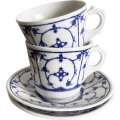
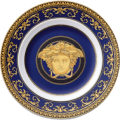
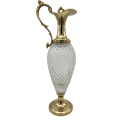
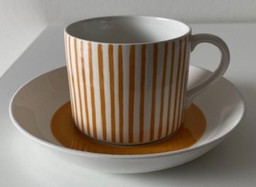
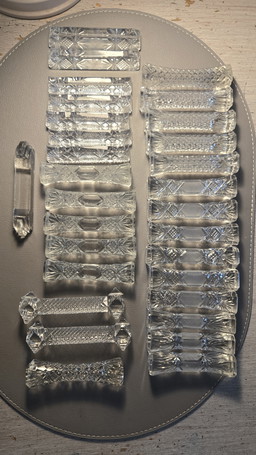
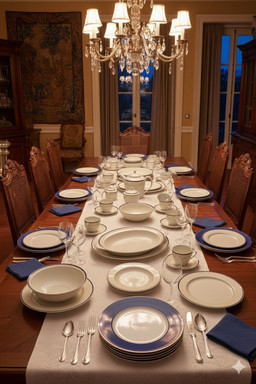
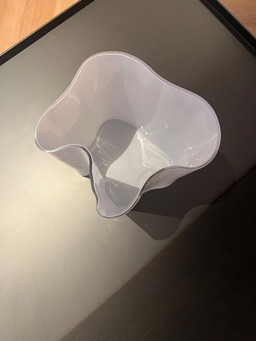
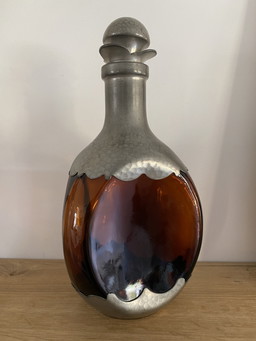
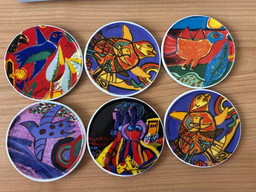
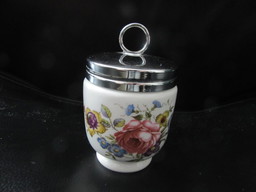
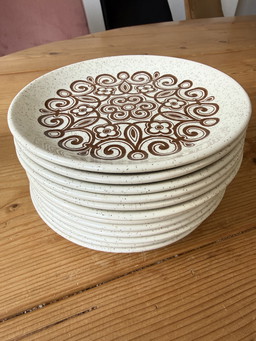
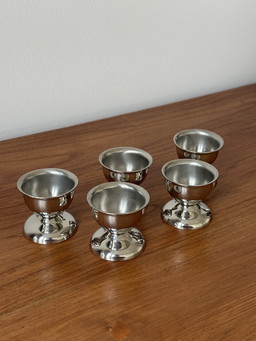
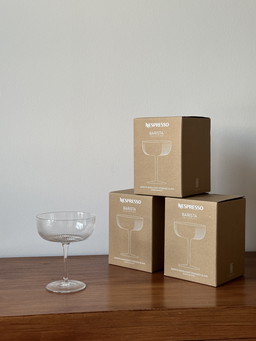
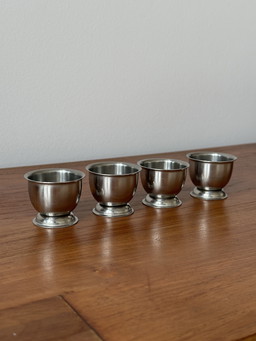
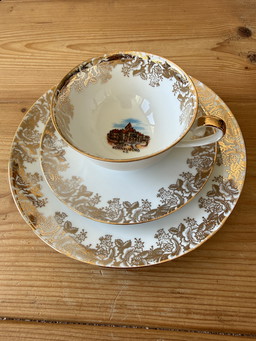
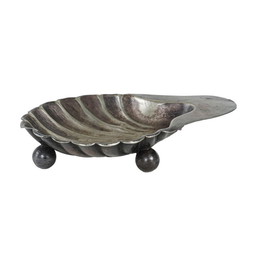
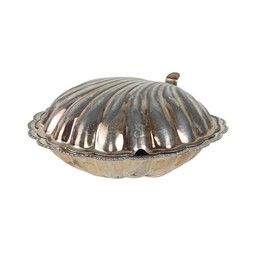
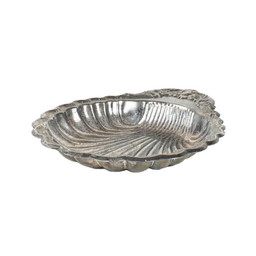
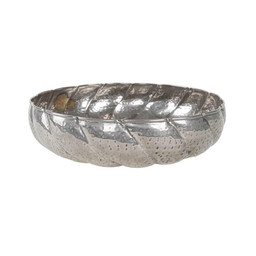
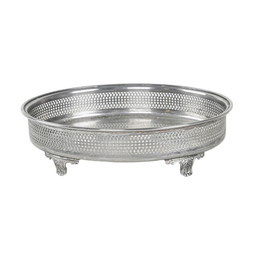
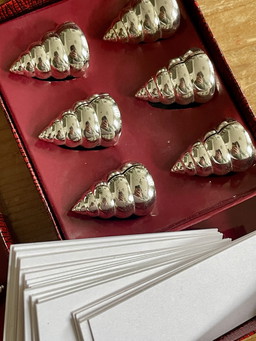
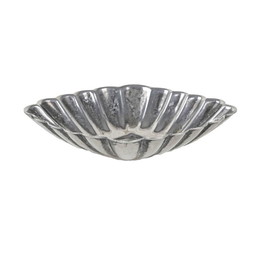
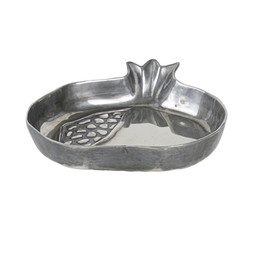
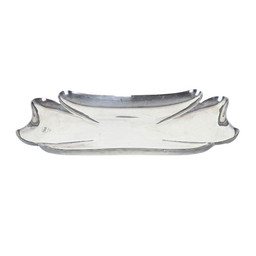
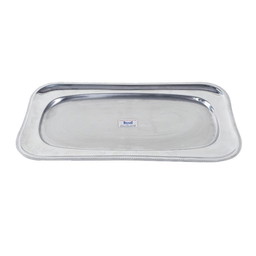
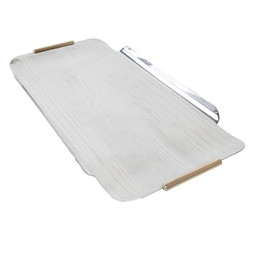
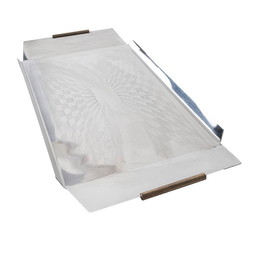
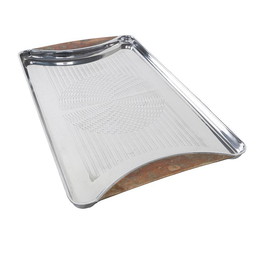
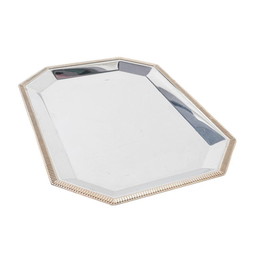
Do you also love cozy dinners at home? Delicious long dinners with friends and family at a perfectly set table. Beautiful tableware should not be missing. Stylish glasses, beautifully decorated plates, a stylish cutlery set or a beautiful decanter. At Whoppah we have an extensive selection of unique and quality second-hand tableware. Our specialized team selects a wide range of items daily, so all you have to do is pick out something beautiful. As the largest marketplace for second-hand design, we always have something suitable for every interior. Buy your perfect addition to your interior, or sell your own tableware and make someone else happy through Whoppah!
Second-hand design is quickly gaining ground in the interior design world, using second-hand tableware not only offers a unique visual experience, but it also has a sustainable aspect. By reusing dinnerware, we give it a second life and reduce the pressure on the environment. Instead of purchasing new dinnerware, we can choose to cherish the beauty and quality of vintage items. This contributes to conscious and responsible consumption. Vintage tableware gives your interior that little bit extra.
Vintage dinnerware: timeless charm for any table
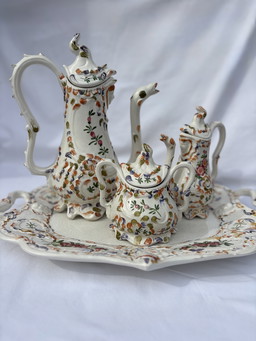
In a world that constantly craves new and modern, there is something enchanting about rediscovering and cherishing old treasures. Using second-hand tableware, with its rich history and uniqueness, is the perfect way to add a touch of vintage charm to any table.
Vintage cutlery: The perfect accent for an enchanting table setting
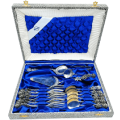
When you prepare a meal, it's not just about the food itself, but also about the art of serving. The right cutlery set can add a touch of elegance and style to any table setting. If you are looking for something unique and charming, vintage cutlery is the perfect choice. Vintage cutlery has a story, a history, and there is something romantic about it. Your cutlery can instantly be a pleasant topic of conversation, perhaps an emperor or queen ate from the same fork. Vintage cutlery is always a surprise and that makes eating a lot cozier!
Vintage glasses: Serve your drinks in style
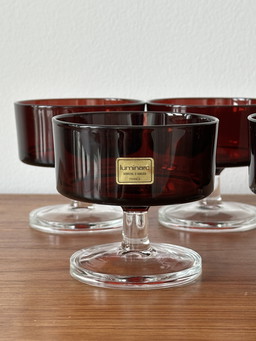
The right glasses not only enhance the taste experience, but also add style and charm to any occasion. Whether it's a crystal glass for wine, for example, or a tumbler glass for a good whiskey. If you're looking for something unique and special, you've come to the right place at Whoppah for beautiful pre-owned glasses. And how fun is it to reflect your interior style in the glasses on the table? For example, go for colored wine glasses in the same color as your blue wall. Or mix and match and choose different types of glasses to put a cool eclectic selection on the table. Of course, you can also go for one and buy all the glasses in the same style to make it a beautiful whole. Anything is possible with vintage glasses!
Whoppah also offers an extensive selection of vintage kitchen accessories
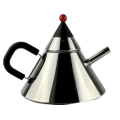
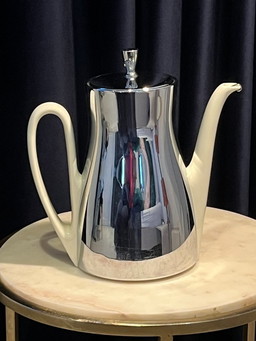
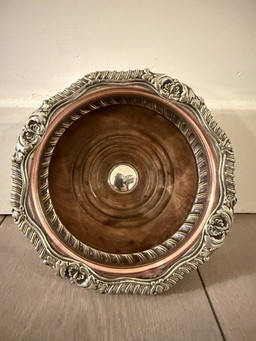
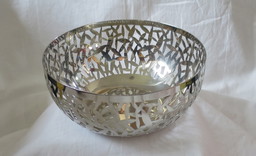
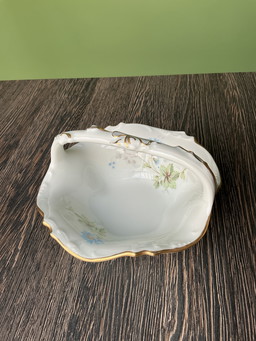
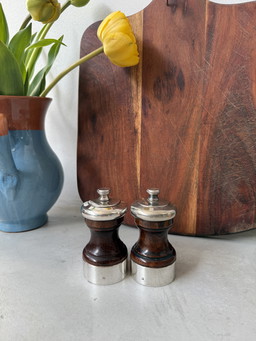
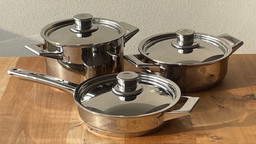
Discover an extensive selection of vintage kitchen accessories and table accessories. From vintage plates with beautiful patterns to a charming vintage bowl, there is something for everyone. For example, decorate your countertop with an artful salt and pepper set that wouldn't look out of place in a museum. Or how about a distinct Memphis whistling kettle, mid-century kettle or Hollywood Regency wine cooler as a showpiece in the kitchen? Your interior doesn't stop with your furniture of course, your kitchen and dining table are perfect for decorating with vintage design.