Have it delivered hassle-freeBuyer protectionAll Designer items curated by WhoppahDownload the Whoppah App – get alerts & sell with ease.
Have it delivered hassle-free
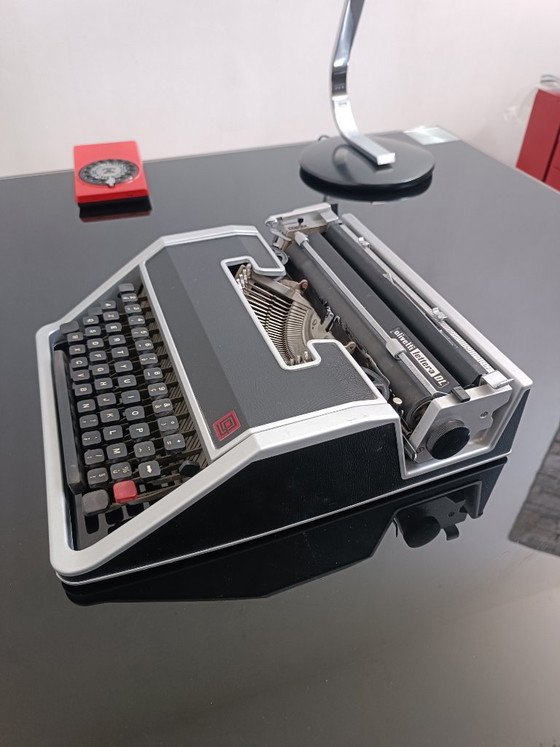
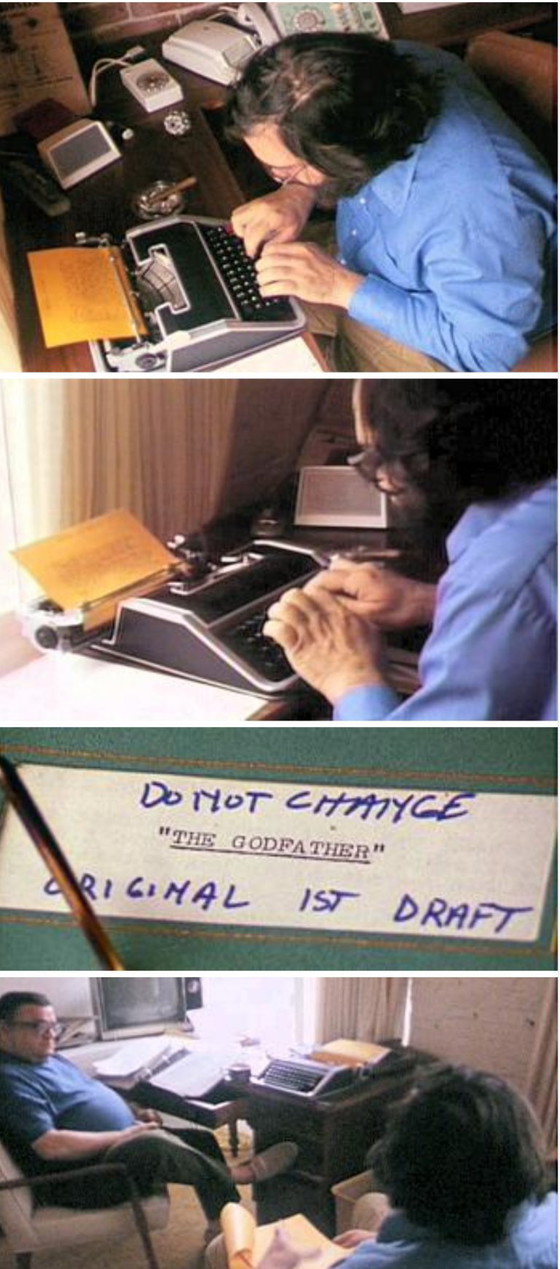
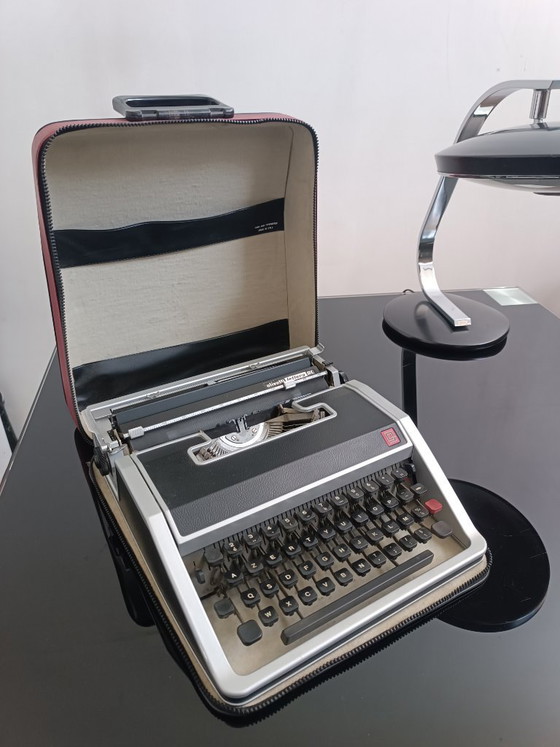
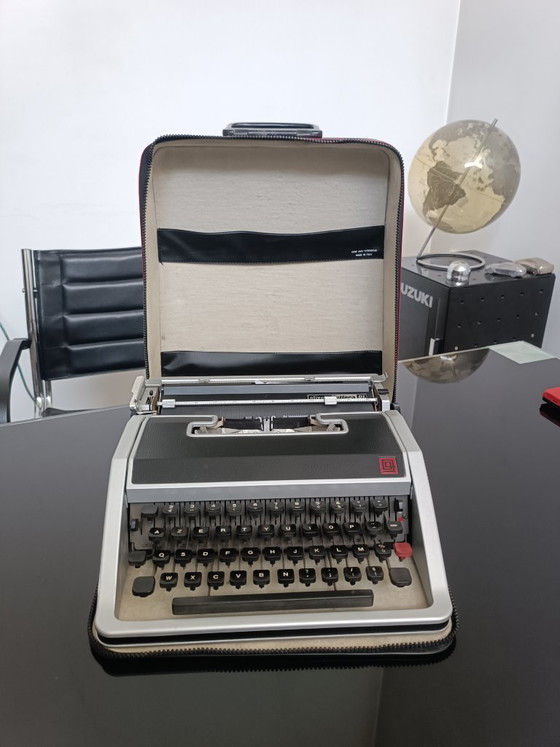
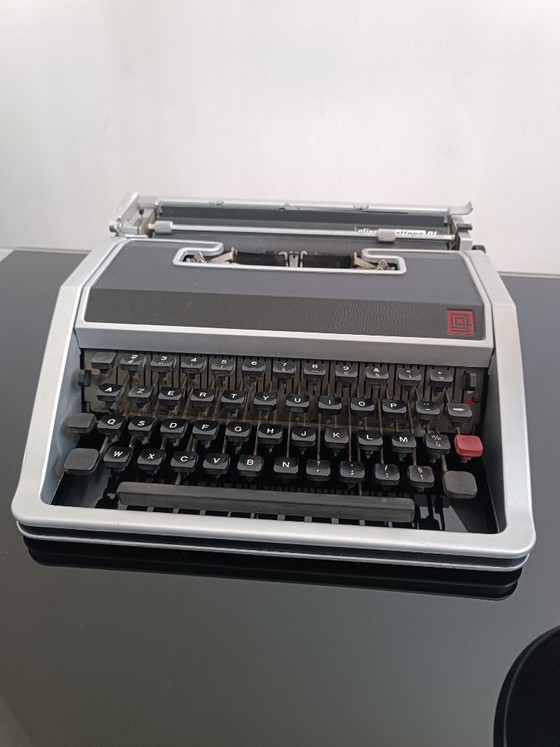
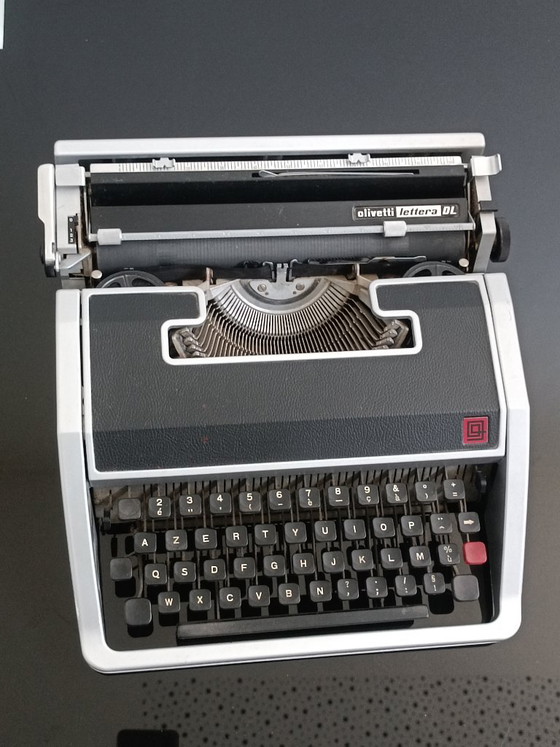
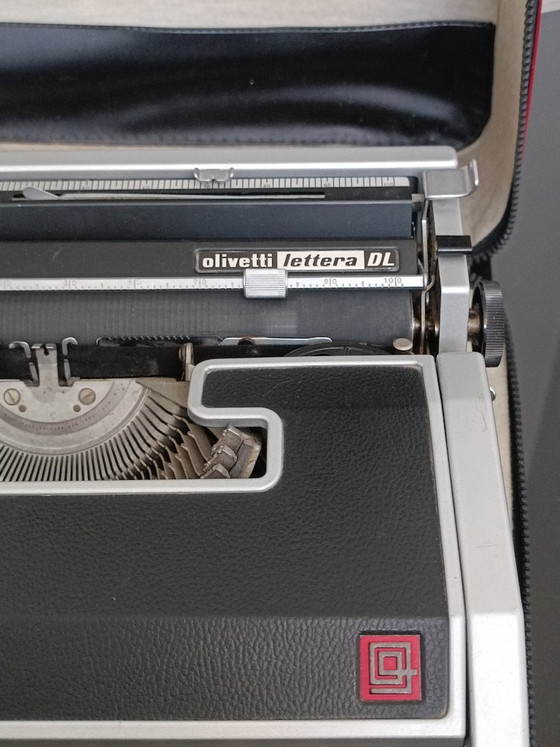
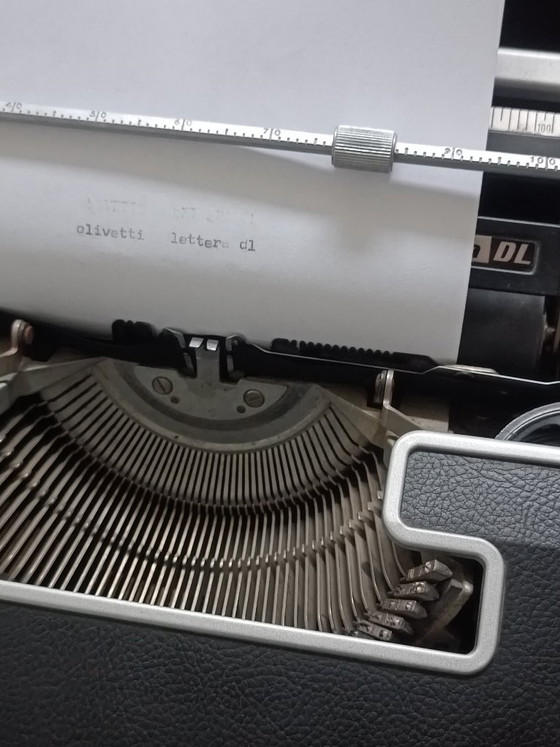
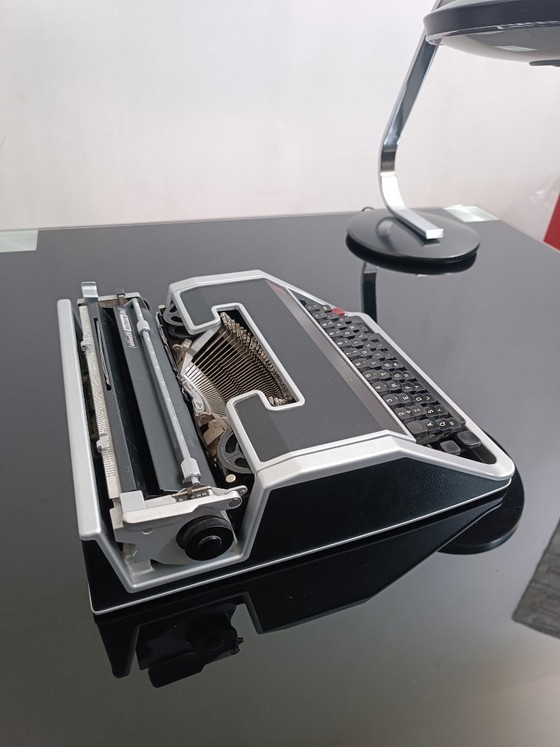
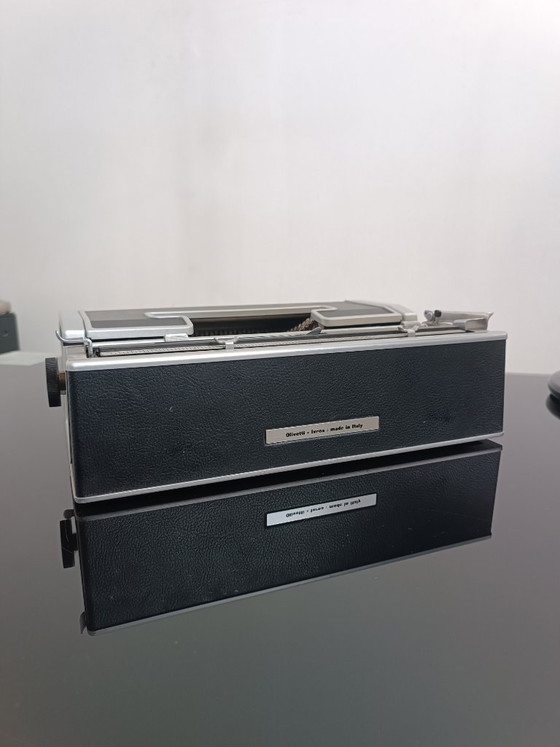
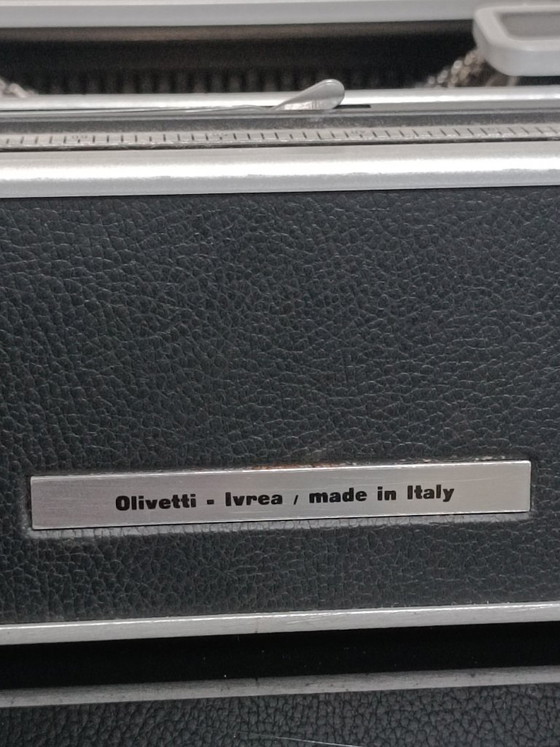
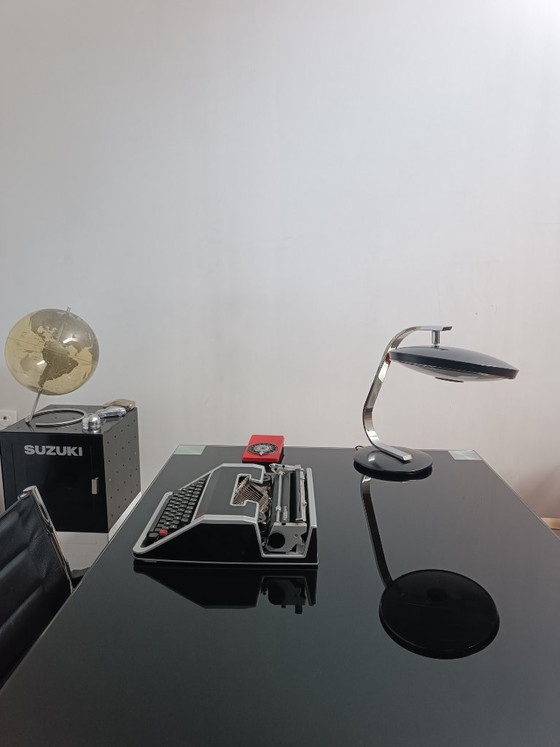
Lettera DL Typewriter by E. Sottsass for Olivetti 1965 Coppola The Godfather
€100
Buy with confidence
Shop & pay safely with Buyer ProtectionDesigner items curated by WhoppahWe only pay the seller once you have safely received the itemTrusted payment methods


About this seller
ProfessionalRive-De-Gier, FranceOn Whoppah since January 2025 • 19 sales
Product description
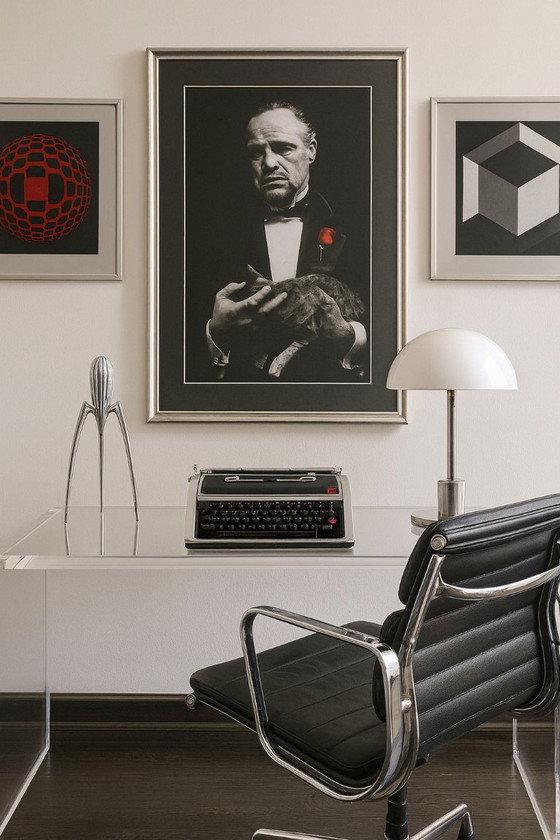
Iconic and magnificent Lettera DL typewriter by Ettore Sottsass for Olivetti.
Ivrea Italy 1965
A design icon, chosen by Francis Ford Coppola for writing the screenplay of "The Godfather".
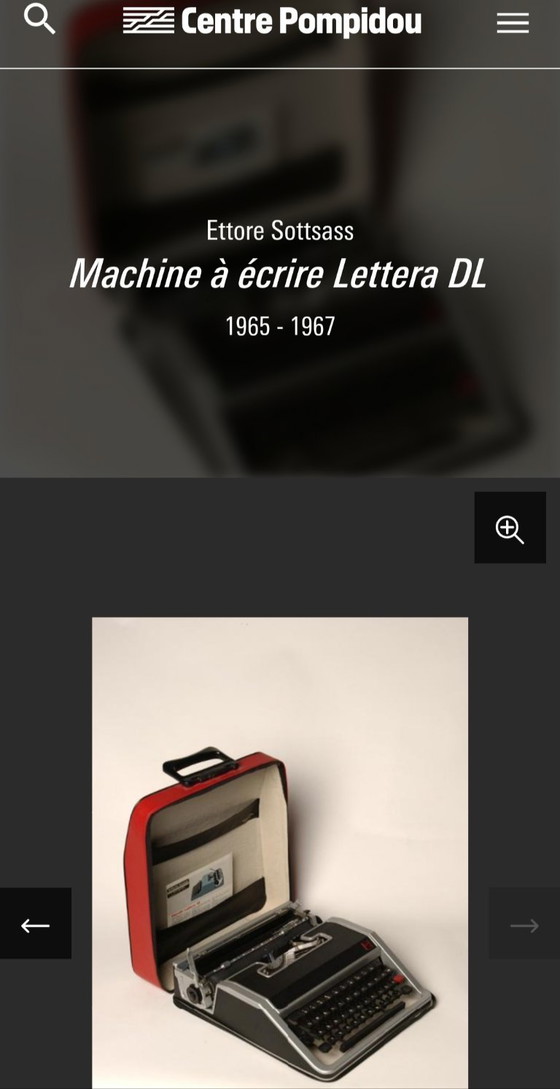
This collectible and emblematic piece is also visible at the Centre Pompidou in Paris or the Art Institute Of Chicago.
Photos.
ABS aluminum structure and leather-look finishes.
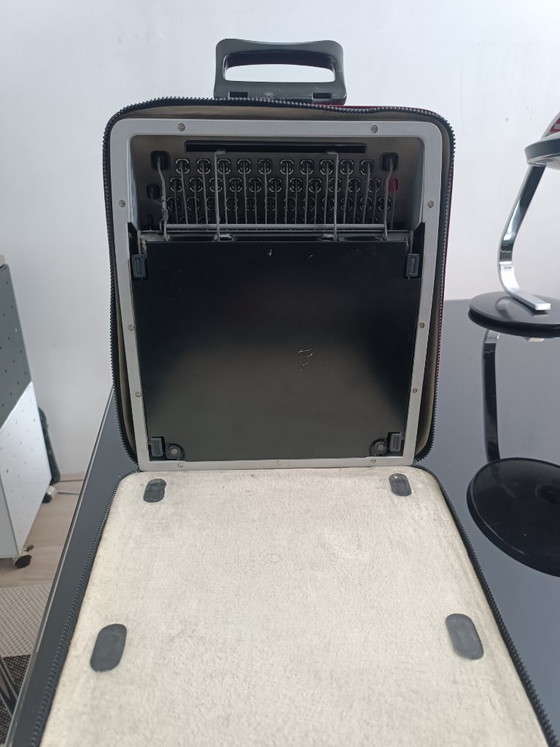
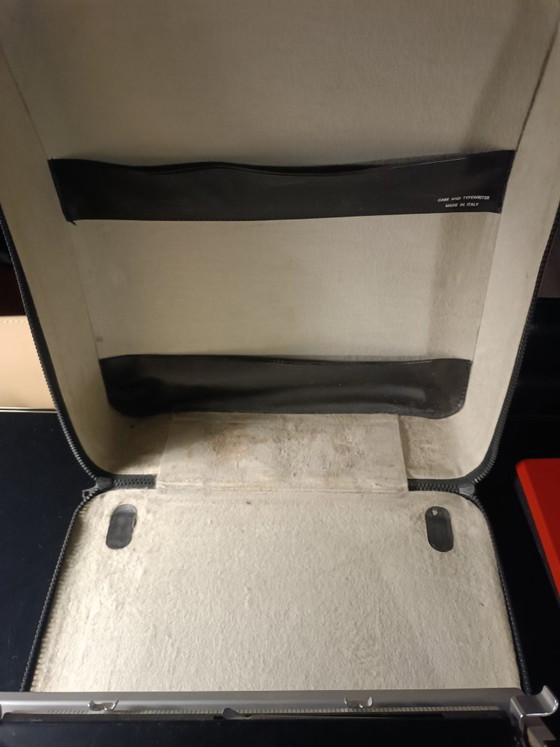
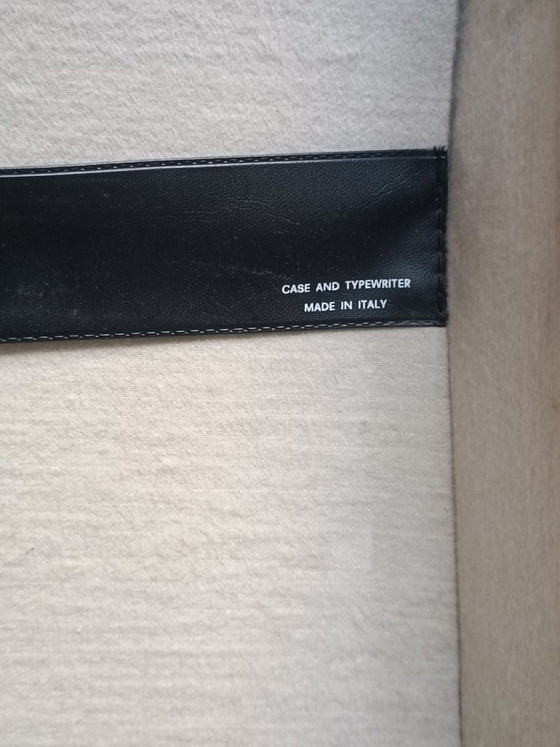
With its original transport case.
Works.
Width 31 cm.
Depth 34 cm.
Height 9 cm.
Very good condition. Some small normal traces of time, nothing significant, see photos.
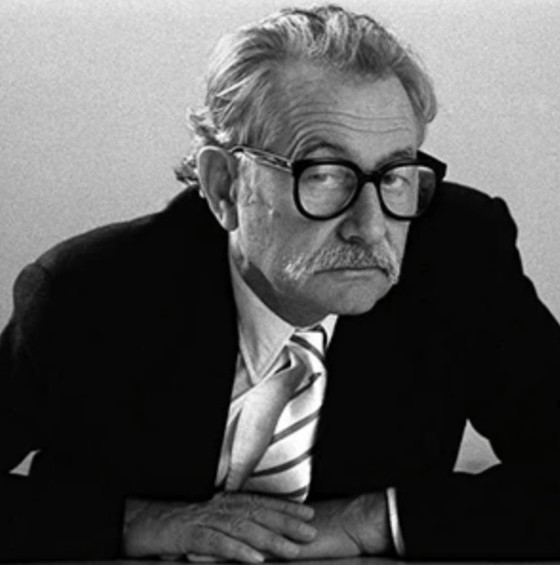
Ettore Sottsass:
Born in 1917 in Innsbruck, Austria, in his mother's native region, Ettore Jr. is considered an early-age architect. His parents moved to Turin in 1929, as the best architecture faculty was in Italy and Ettore Sr. wanted his son to study there. Although he loved painting, Ettore Jr. acquiesced to his father's wishes and obtained an architecture degree in 1939.
Freshly graduated, he was called into the Italian army and spent the majority of World War II in a Yugoslav concentration camp.
"There was nothing courageous or pleasant about this ridiculous war I fought," Sottsass wrote.
"I learned nothing. It was a waste of time."
After the war, he worked on housing projects with his father before moving to Milan in 1946 to prepare a craft exhibition at the Triennale. Over the next decade, Sottsass indulged in painting, writing for Domus, art and architecture magazines, designing sets, and practicing as an architect and industrial designer.
In 1957, Sottsass became a creative consultant for Polotronova, a furniture factory near Florence. In 1958, he accepted a more demanding consulting role for the electronics division of Olivetti, the Italian industrial group. Sottsass was hired by Adriano Olivetti, the founder, and worked alongside his son, Roberto.
In collaboration with the engineer, Mario Tchou, they created a series of flagship products, technically innovative and aesthetically appealing thanks to Sottsass's love for pop art and Beat culture. They won the prestigious Compasso d'Oro 1959 with the Elea 9003, the first Italian calculator, and revolutionized typewriter design with Olivetti's first electronic model, Tekne.
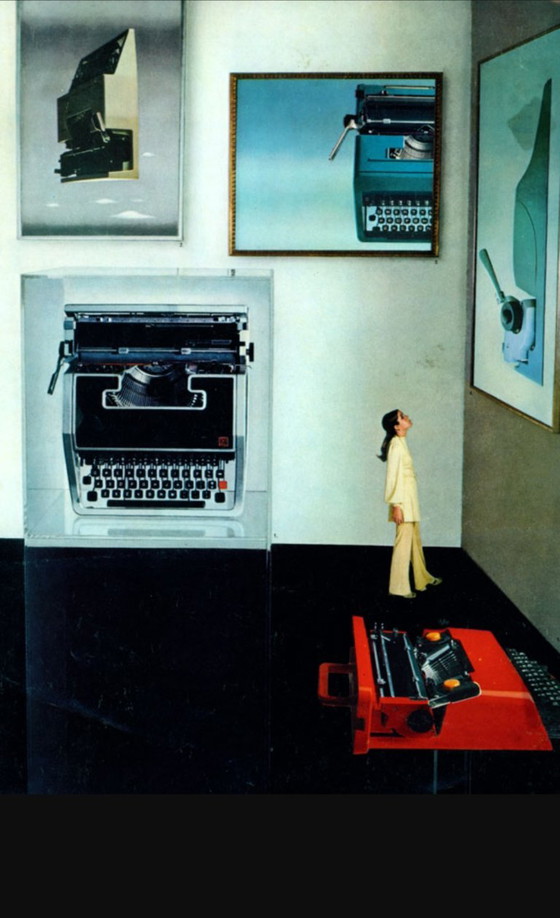
Throughout the 1960s, Sottsass traveled to the United States and India, while remaining a central figure of the Italian avant-garde and for the design of more striking products for Olivetti: culminating with the bright red plastic Valentine typewriter, which he described as "a ballpoint pen among typewriters."
Much later, Sottsass would reject the Valentine, considering it "too obvious, a bit like a girl wearing a very short skirt and too much makeup." However, it is still considered today an emblematic "pop" product. His furniture was equally influential: notably the "Superbox" developed for Polotronova. In 1972, Sottsass participated in the new exhibition of the domestic landscape at MoMA in New York.
In the late 1970s, Sottsass worked with Studio Alchymia, a group of avant-garde furniture designers, such as Alessandro Mendini and Andrea Branzi, on an exhibition at the Milan Furniture Fair 1978. Two years later, Sottsass broke away from Mendini to form a new collective, Memphis, with Branzi and about twenty other collaborators including Michele De Lucchi, George Sowden, Matteo Thun, and Nathalie du Pasquier.
Memphis embodied the themes Sottsass had experimented with since his "superboxes" of the mid-1960s: bright colors, kitsch patterns, and cheap materials, such as laminate. But this time, they captured the attention of the media and design connoisseurs. Memphis (name chosen after a Bob Dylan song) was then presented as the future of design. For young designers of the time, it was an intellectual lightning rod, freeing them from the rationalism they had been taught at university and allowing them to adopt a more fluid and conceptual approach to design. The work of the Memphis collective was exhibited worldwide until Sottsass left it in early 1985.
He then focused on Sottsass Associati, the architecture and design group where he worked with former Memphis members and young collaborators, such as designers and architects James Irvine and Johanna Grawunder. Sottsass returned to architecture in 1985 when he was commissioned for the new concept of Esprit stores.
He also designed a series of private homes - including one in Palo Alto for the industrial designer, David Kelley - and public buildings, notably Milan's Malpensa airport. Sottsass Associati also worked for Apple, NTT, Philips, and Siemens, while Sottsass himself continued his artisanal projects in glass and ceramics. Revered in Italy as the doyen of 20th-century design, Ettore Sottsass is also cited as a role model by young foreign designers, such as Ronan and Erwan Bouroullec, for the breadth - as well as the quality - of his work.
He died on December 31, 2007, in his Milanese home at the age of 90.
Specifications
ConditionExcellentColorsBlack, SilverMaterialMetal, PlasticNumber of items1Height9 cmWidth31 cmDepth34 cm
Discover more
Seller information
About this seller
ProfessionalRive-De-Gier, FranceOn Whoppah since January 2025 • 19 sales