Have it delivered hassle-freeBuyer protectionAll Designer items curated by WhoppahDownload the Whoppah App – get alerts & sell with ease.
Have it delivered hassle-free
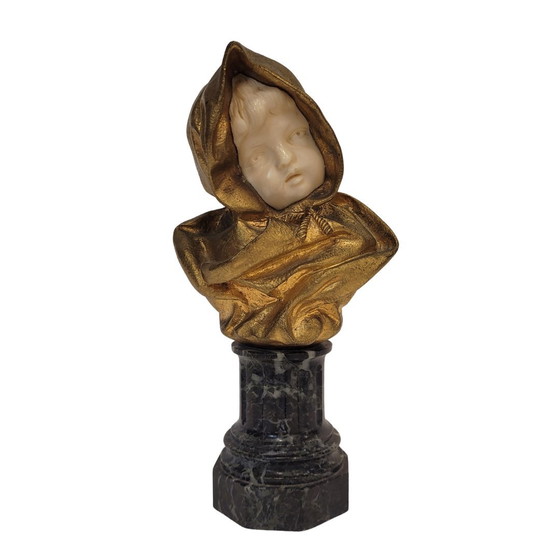
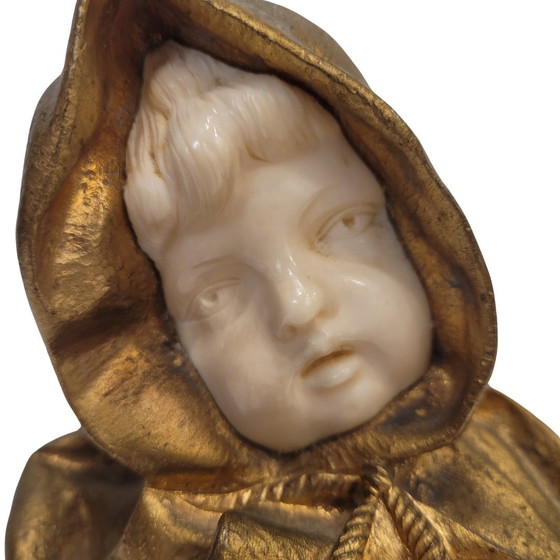
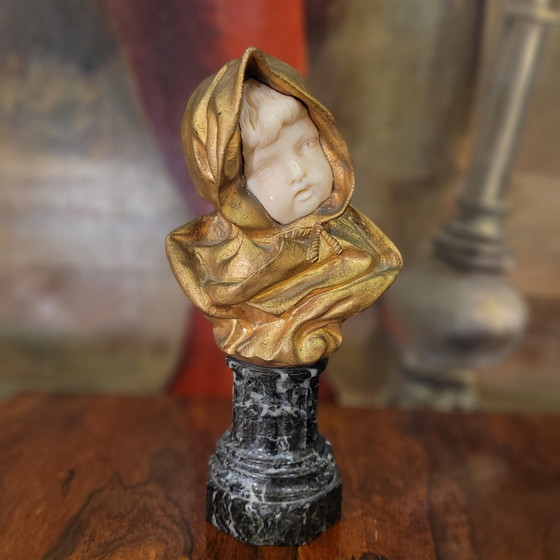
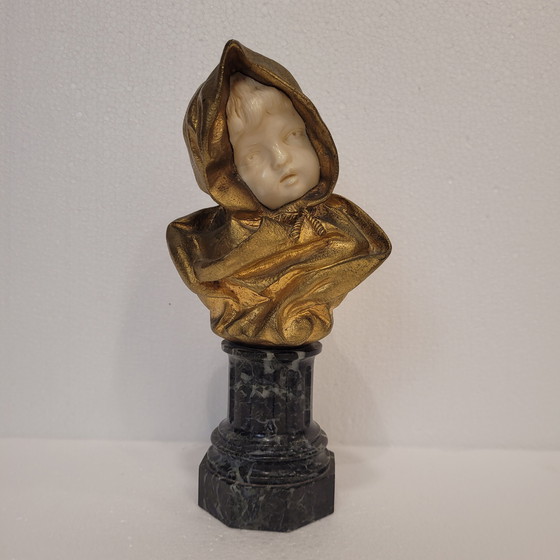
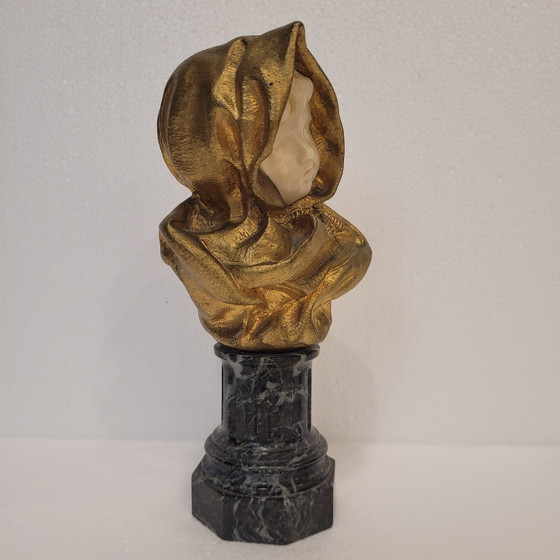
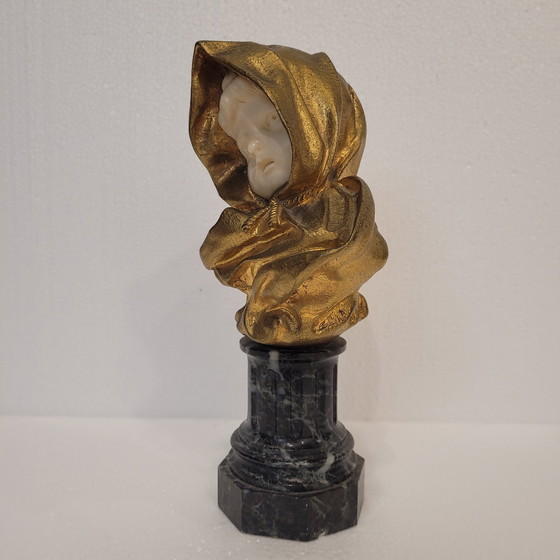
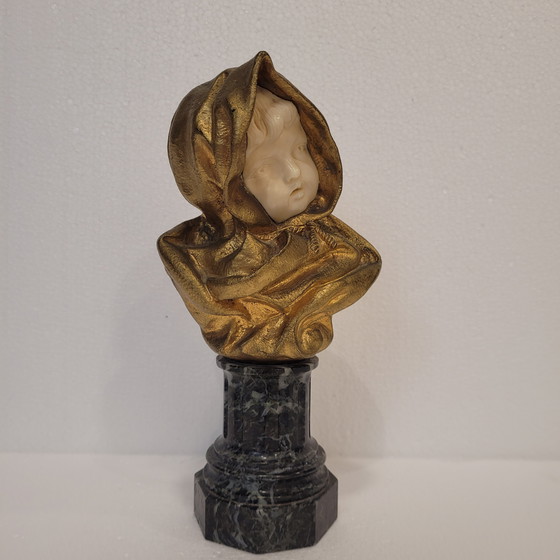
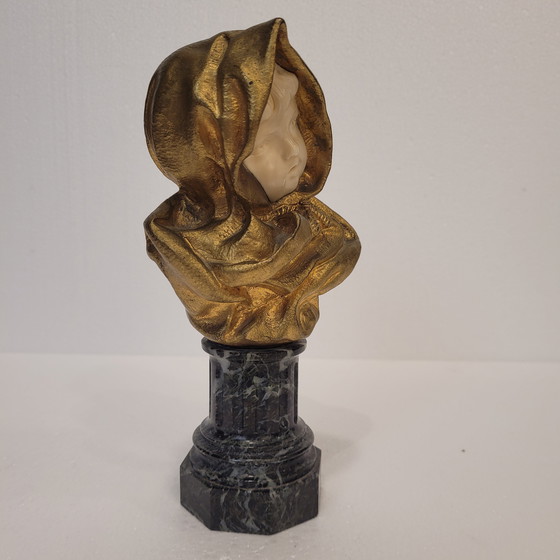
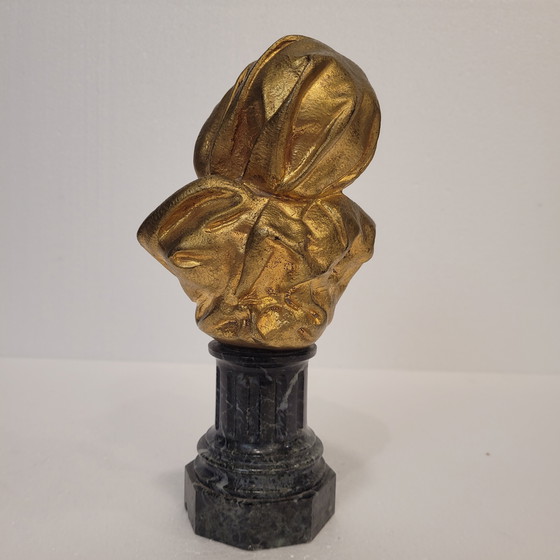
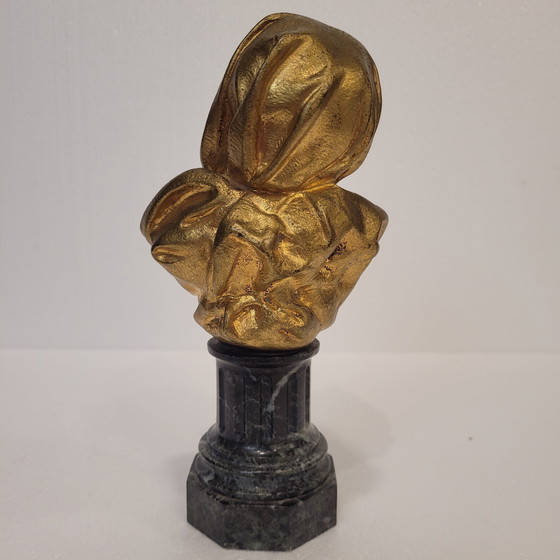
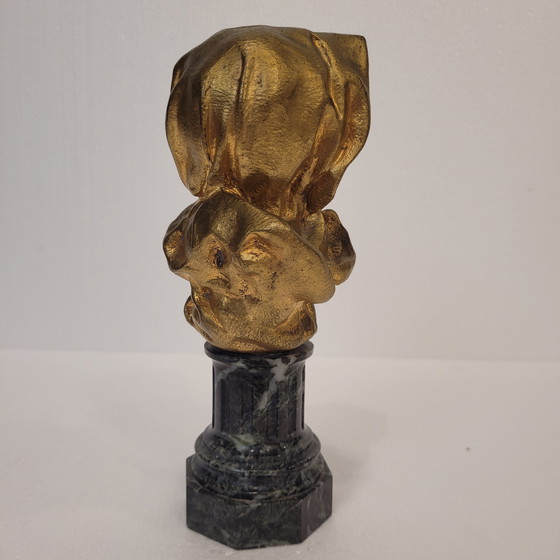
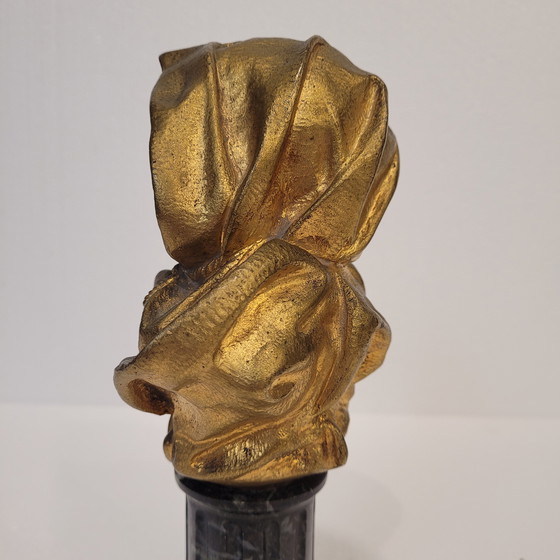
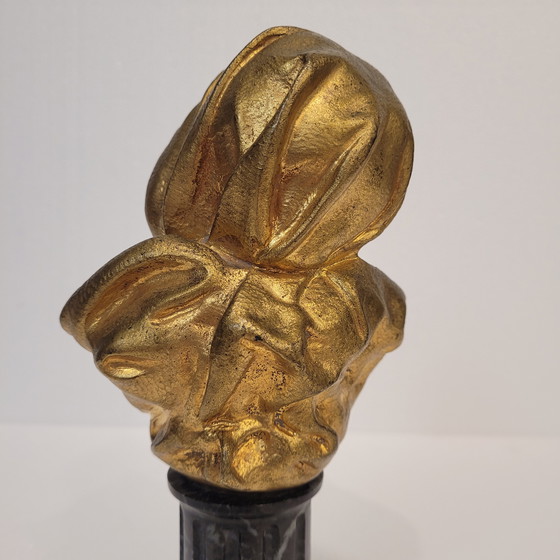
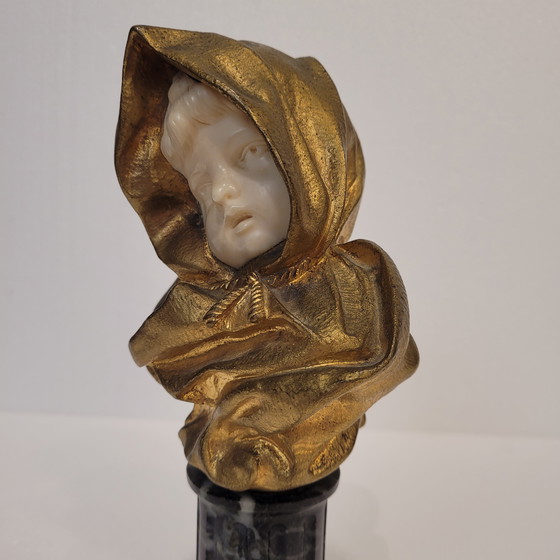
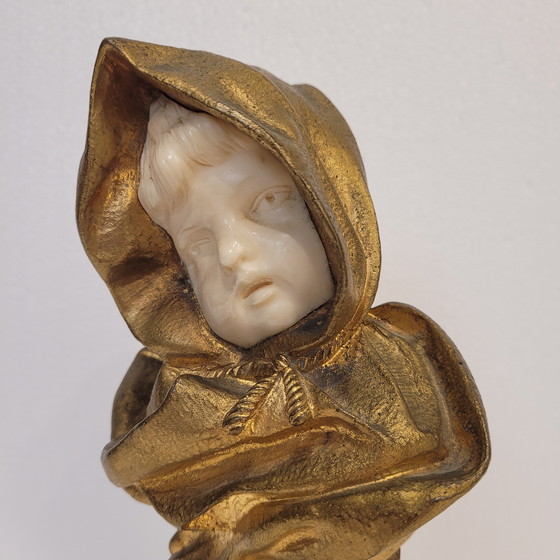
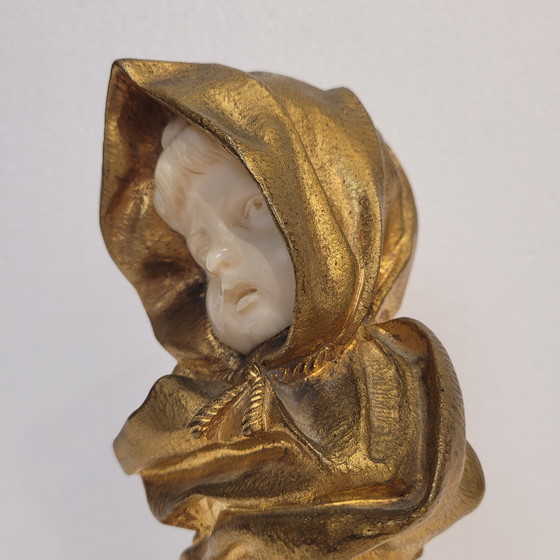
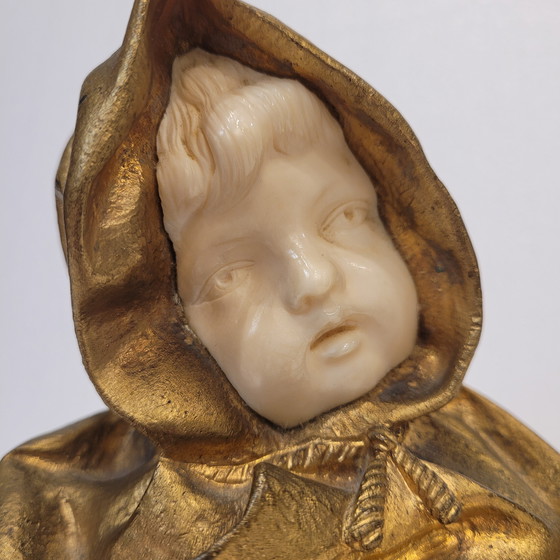
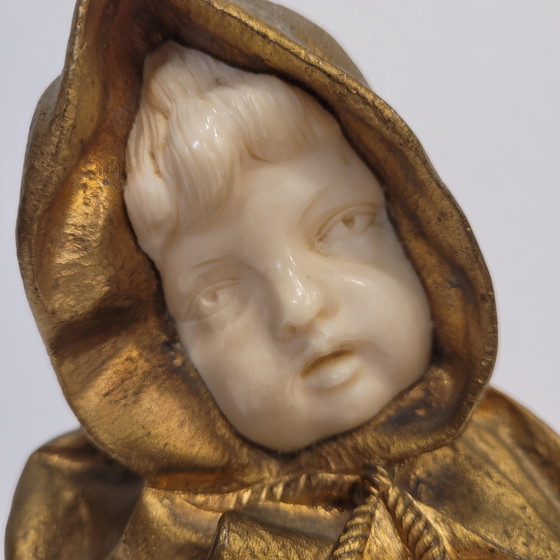
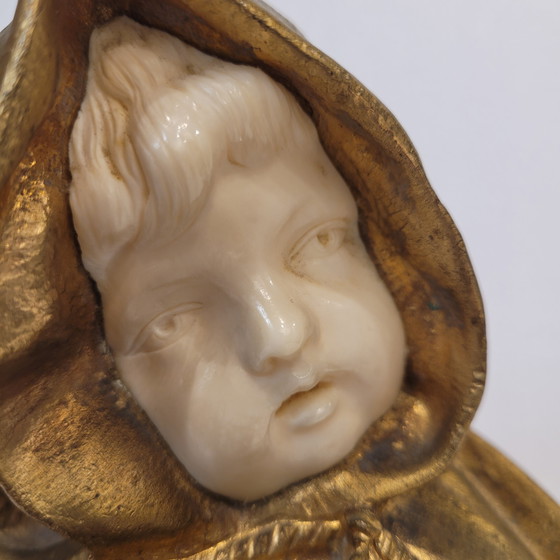
Bust in Chrysoelephantine and Marble, After G. de Thouin, Circa 1900 - France
€1,815Bid from €1,700
Buy with confidence
Shop & pay safely with Buyer ProtectionDesigner items curated by WhoppahWe only pay the seller once you have safely received the itemTrusted payment methods


About this seller
ProfessionalProduct description
Exquisite chrysoelephantine sculpture depicting the bust of a child wrapped in a hooded golden cloak. The work combines carved elephantine material for the face, which emerges from the golden drapery, creating a beautiful contrast between the softness of the skin and the shine of the metal. The figure is mounted on a fluted column-shaped base of dark marble, giving it greater presence and stability. This model is made by G. de Thouin, a renowned artist of chrysoelephantines during the Art Nouveau and Art Deco periods. The infant's face is extremely expressive, with a melancholic or contemplative gaze. The delicate details in the carving, such as the softness of the lips and the subtlety of the facial features, reinforce its realism. The golden cloak is worked with a texture rich in folds and movements, evoking the sinuous and fluid style characteristic of Art Nouveau. It is possible that it was inspired by religious iconography or the idealization of childhood, very common in 19th and early 20th century art. History and Evolution of Chrysoelephantines Chrysoelephantines are sculptures made of gold (chrysus) and ivory (elephantine), a sculptural technique used mainly in Ancient Greece. They were monumental works that combined these precious materials to represent gods and mythological figures with great luxury and detail. Gold was usually used to represent elements such as clothing, armor, or accessories, and ivory for the skin, which gave a realistic and luminous appearance. They usually had a wooden frame, onto which these materials were added. They were large sculptures, often located in important temples. Over time, many chrysoelephantines were destroyed or dismantled, as their materials were valuable and were reused. However, their legacy influenced subsequent art, and in the 19th and 20th centuries, the term was revived to refer to small bronze and ivory sculptures, particularly in Art Nouveau and Art Deco. During the Art Nouveau period, chrysoelephantines were reinvented as small decorative sculptures, highly prized by collectors and aristocrats. During this new period, they maintained the same pattern of material use, but for much smaller pieces, typically between 20 and 50 cm. They depicted elegant, stylized, and sensual female figures in dynamic poses, often inspired by dance, mythology, and Belle Époque fashion, or oriental-inspired figures. They were very popular in high society at the beginning of the 20th century, but ivory shortages and wars reduced their production. Author: Following / Workshop G. de Thouin Style: Art Nouveau Material: Chrysoelephantine Bust and Marble Column Period: Circa 1900 Country of Origin: France Good condition according to its age and use Total dimensions: 22 x 12 x 10 cm. Dimensions without base: 15 x 12 x 10 cm. Shipping of the product will be paid by the buyer according to the dimensions, weight and destination. We will contact you to manage it and agree on the quote. Shipping costs include custom-made professional packaging; and personalized shipping, with tracking number and warranty. The buyer is responsible for paying import duties and associated taxes in the destination country, if applicable. Please note the seller's disclaimer regarding possible customs charges, as they are levied in the destination country and the amount to be paid is determined by the customs of that country. If an export permit is required, the costs are borne by the buyer. The cost depends progressively on the value of the work to be exported.
Good condition according to its age and use
Good condition according to its age and use
Specifications
ConditionGoodColorsGold, WhiteMaterialGold, MarbleNumber of items1OrientationPortraitArt sizeSmallHeight22 cmWidth12 cm
Discover more
Seller information
About this seller
ProfessionalValladolid, SpainOn Whoppah since October 2024 • 1 sale