Have it delivered hassle-freeBuyer protectionAll Designer items curated by WhoppahDownload the Whoppah App – get alerts & sell with ease.
Have it delivered hassle-free
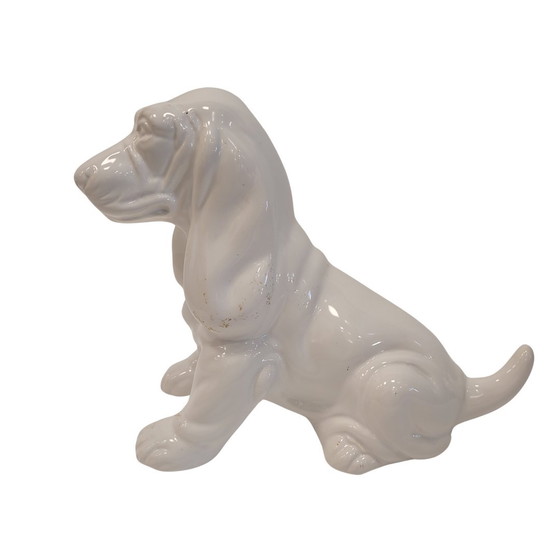
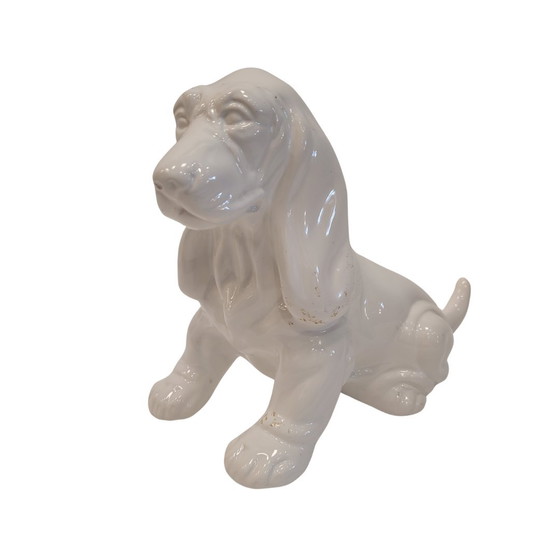
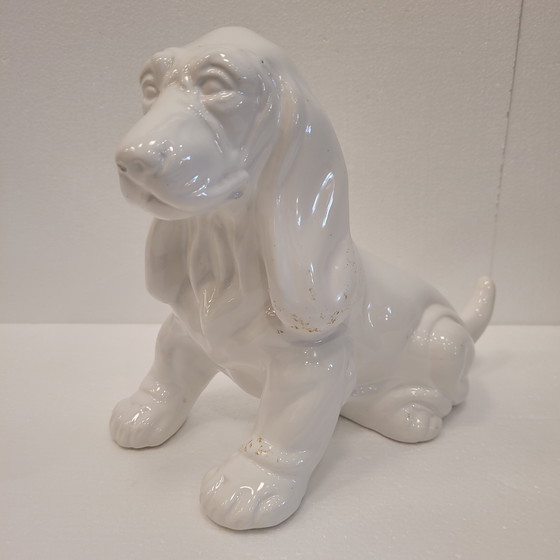
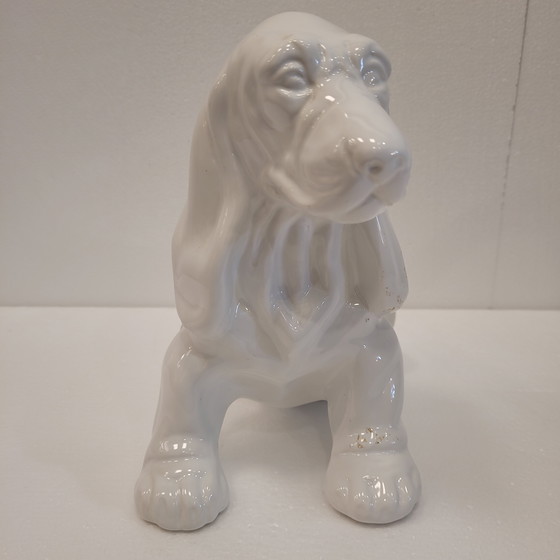
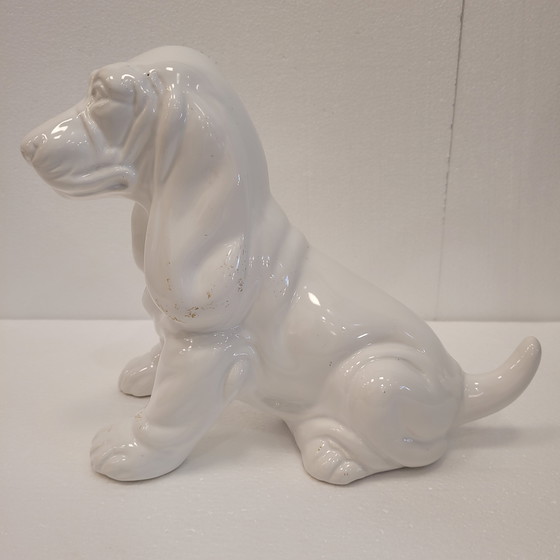
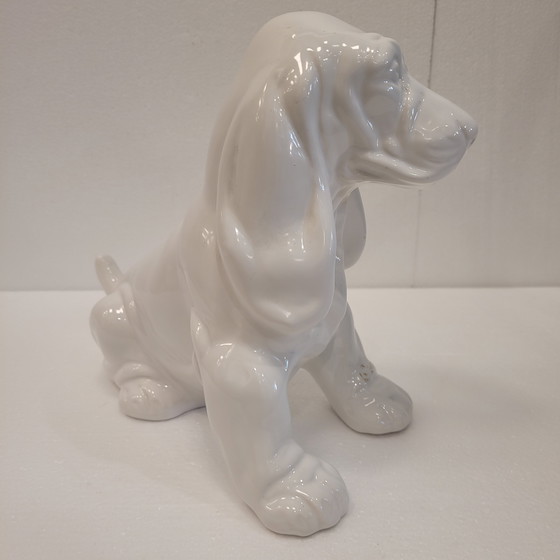
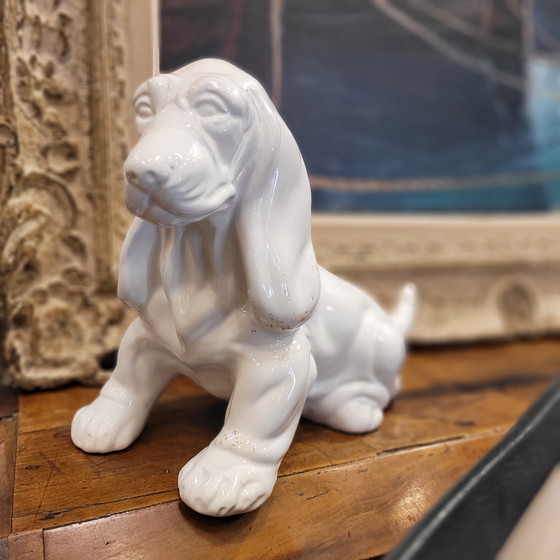
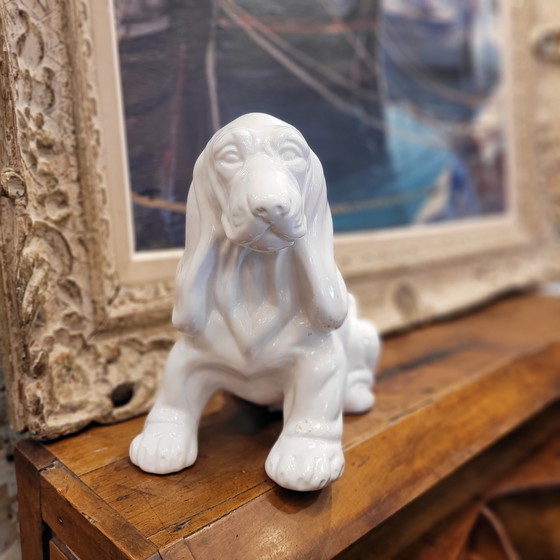
Basset Hound Dog Sculpture, Ceramic, 40's - Germany
€220Bid from €154
Buy with confidence
Shop & pay safely with Buyer ProtectionDesigner items curated by WhoppahWe only pay the seller once you have safely received the itemTrusted payment methods


About this seller
ProfessionalProduct description
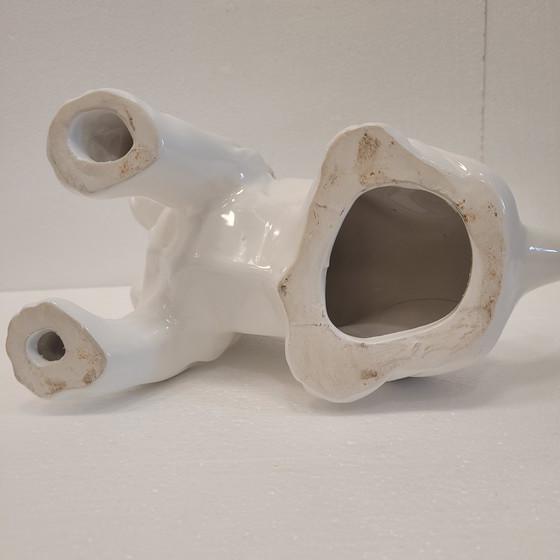
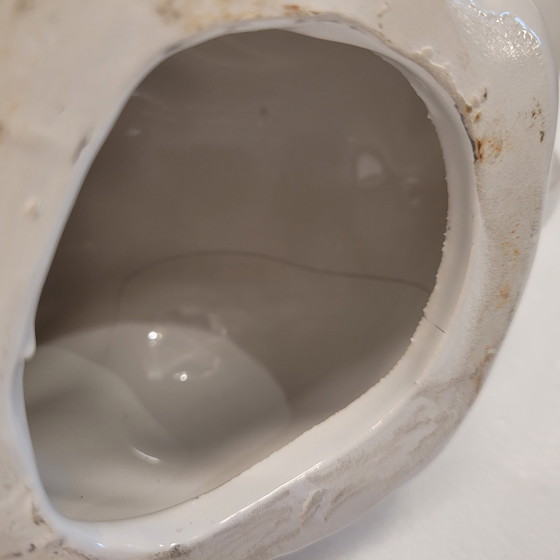
Ceramic sculpture of a basset hound puppy, probably from the Porzellan Manufaktur Allach (1935-1945). For Hitler himself, art should help spread Aryan mysticism, the distinctive elements of German culture, and the country's history. This was the essence and driving principle of the so-called Deutscher Stil or German style, the artistic movement promoted by the Nazi government to confront what they considered "degenerate art." Himmler concluded that works of art had to be removed from museums and placed in every home in the country. Analyzing the specific case of the sculpture, he believed that the only way to achieve this lay in the use of porcelain as a medium. Furthermore, it should be noted that Germany had a long tradition of producing high-quality porcelain (Meissen, Berlin, Höchst, Frankenthal, Nymphenburg, Ludwigsburg, Fürstenberg, Dresden, Rosenthal, etc.). To this end, a company located in Allach, on the outskirts of the Bavarian capital, was acquired. Prestigious ceramists (Röring and Forster) and master ceramists (Kärner and Fichter) were hired, with the aim of focusing production on the design of small statues and decorative objects, avoiding sensationalist themes and seeking, above all, sweetness and aesthetic beauty. A large part of the production chain was temporarily relocated to the nearby town of Dachau, known for housing the first of the concentration camps established by the Nazi regime. This is where the use of slave or forced labor, mostly political prisoners, came into play. Most pieces were sold without chromatic decoration, usually with a thin and attractive layer of white glaze, as in this case. The vast majority of the production, although not all, was marked on its base. The most common mark was the crossed runes, but next to this logo often appeared the legend "Allach" in Gothic script. Plans to open a network of Allach ceramics shops throughout Germany were thwarted by the war, and production at the Allach and Dachau plants finally ceased in December 1944, as the Allies moved to cross the Rhine and break into Bavaria. Material: Ceramic Manufacture: Probably Allach Porcelain (unstamped) Period: 1940s Country of Origin: Germany Good condition commensurate with its age and use Dimensions: 23 x 29 x 16 cm Shipping of the product will be paid by the buyer according to the dimensions, weight, and destination. We will contact you to arrange the delivery and agree on a quote. Shipping costs include custom-made professional packaging and personalized shipping with tracking and a warranty. ----
fine
fine
Specifications
ConditionGoodColorsWhiteMaterialPorcelain, CeramicNumber of items1Height16 cmWidth23 cmDepth29 cm
Discover more
Seller information
About this seller
ProfessionalValladolid, SpainOn Whoppah since October 2024 • 1 sale