Have it delivered hassle-freeBuyer protectionAll Designer items curated by WhoppahDownload the Whoppah App – get alerts & sell with ease.
Have it delivered hassle-free
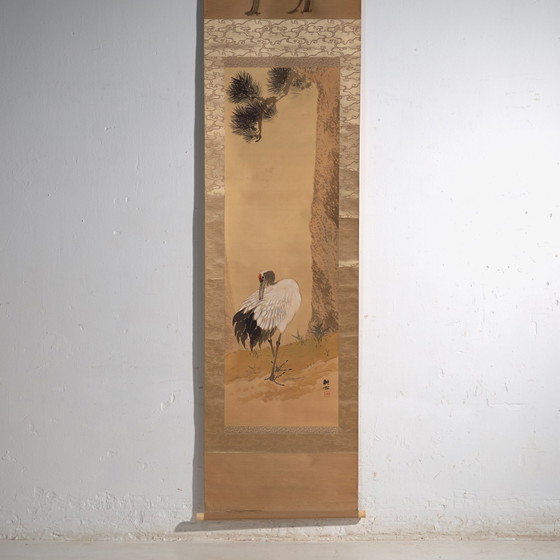
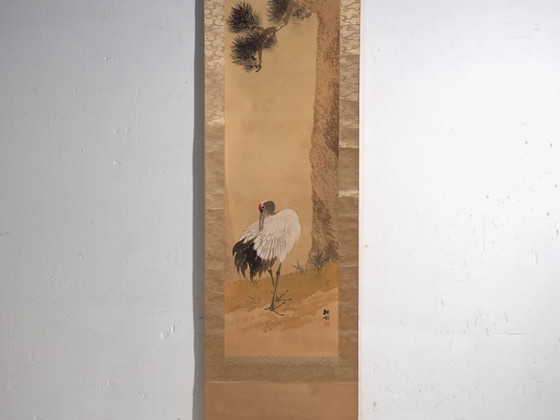
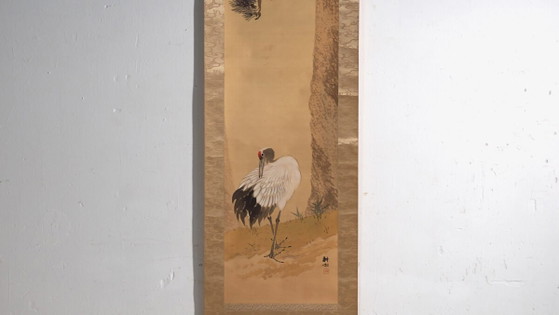
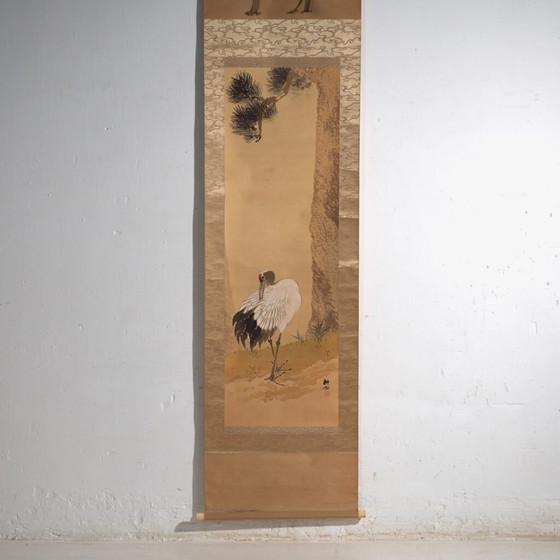
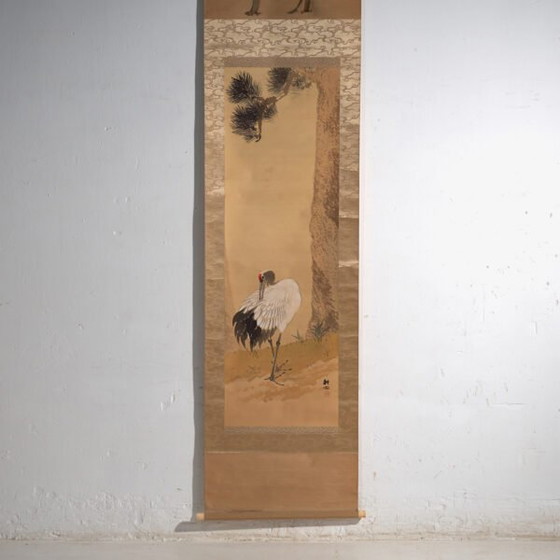
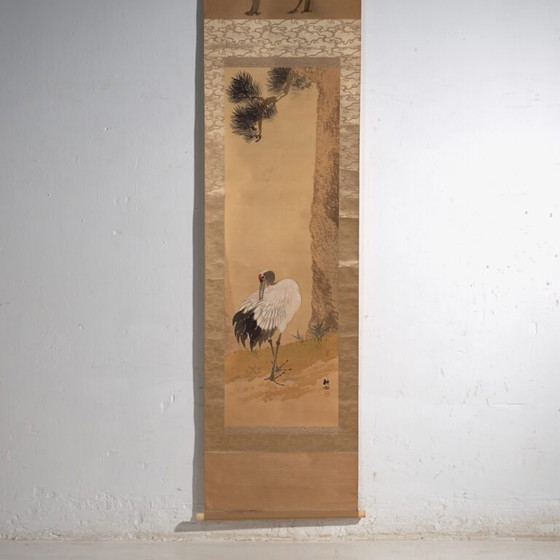
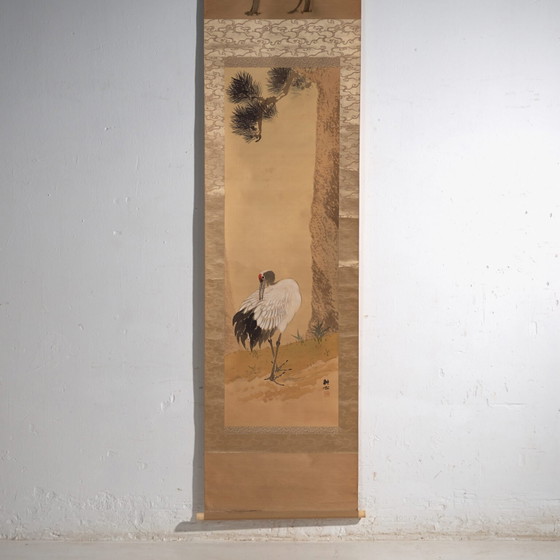
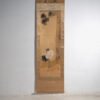

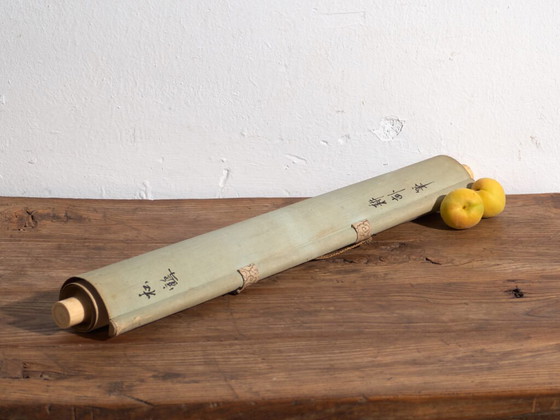
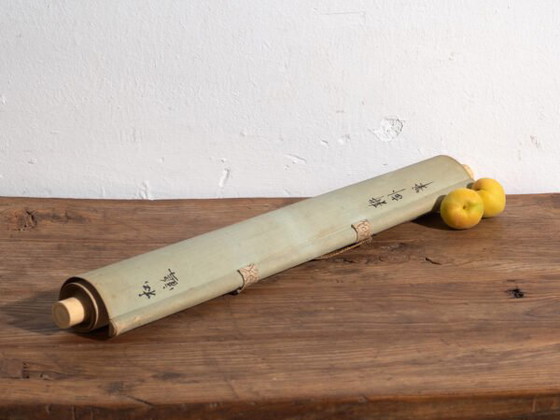
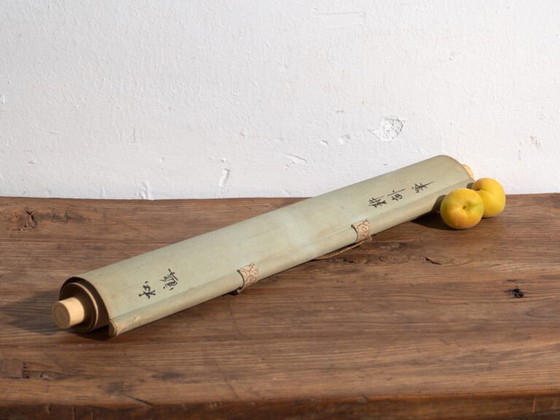
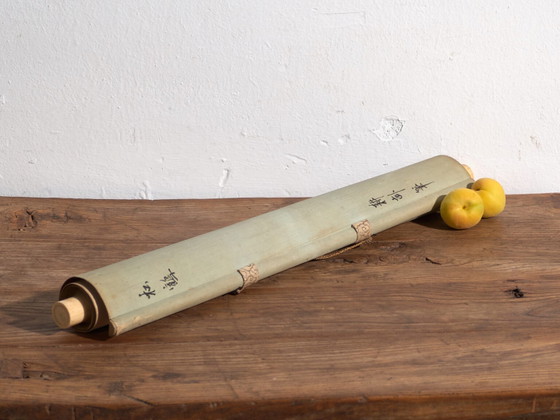

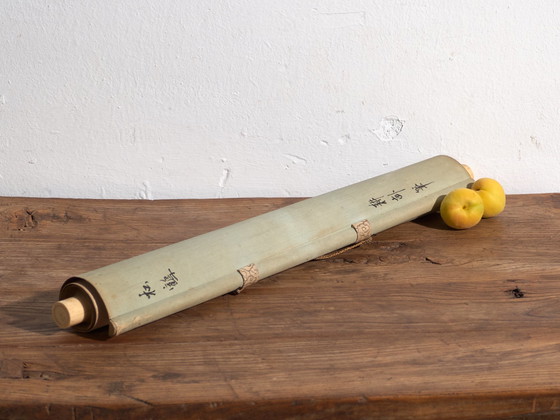
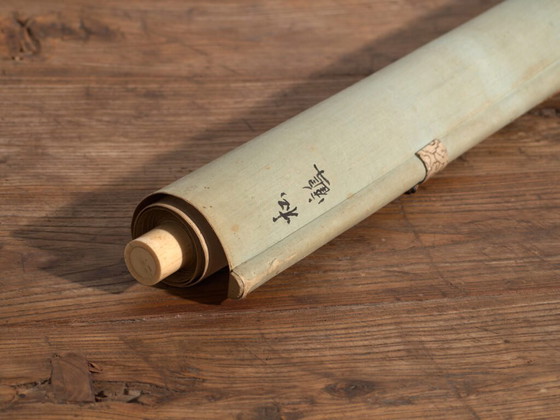
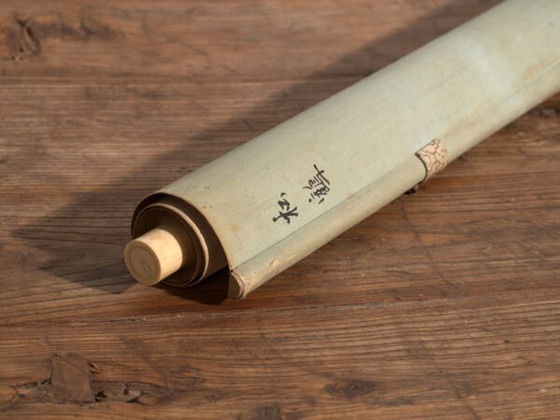
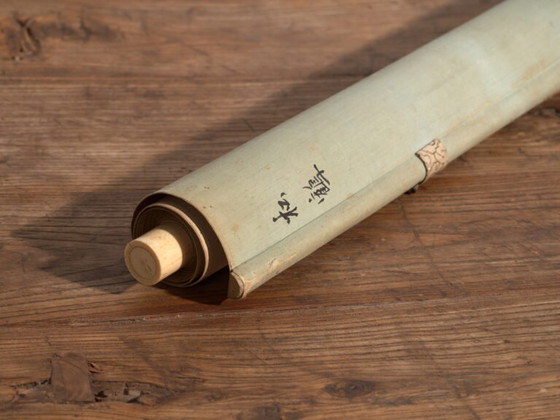
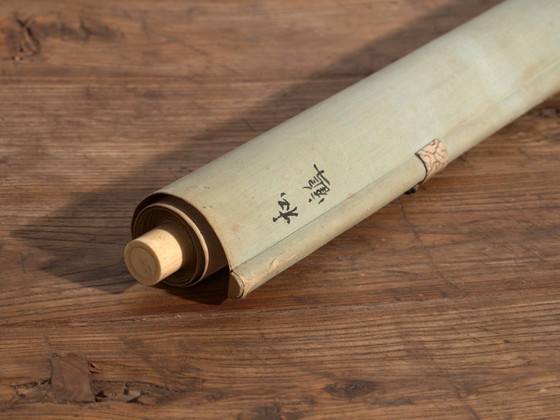

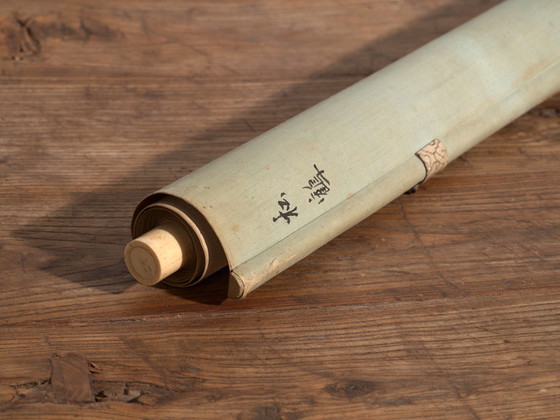
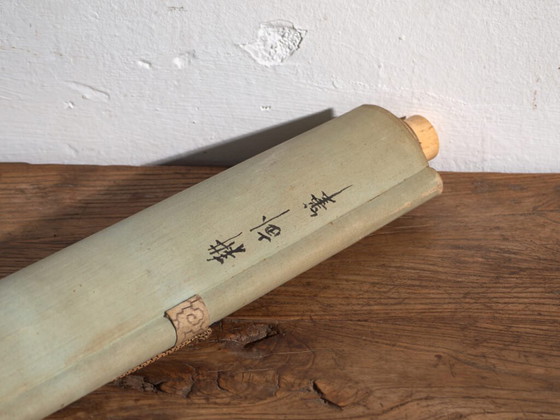
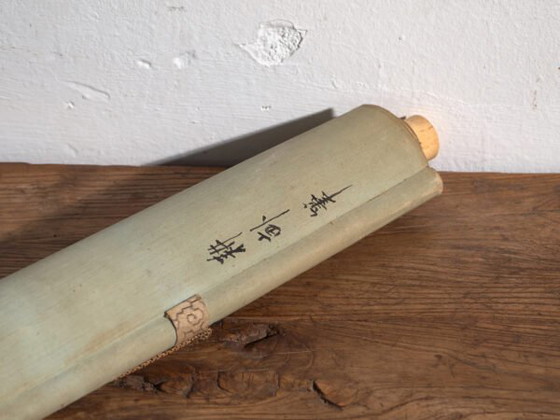
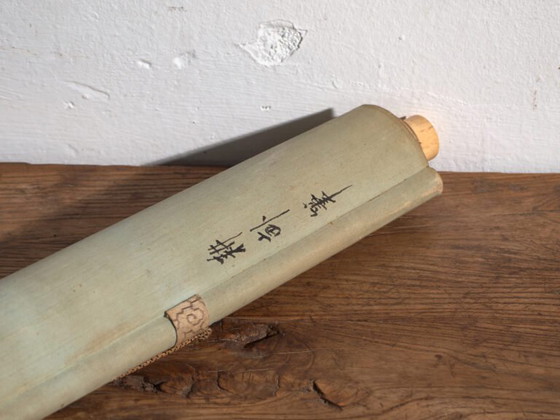
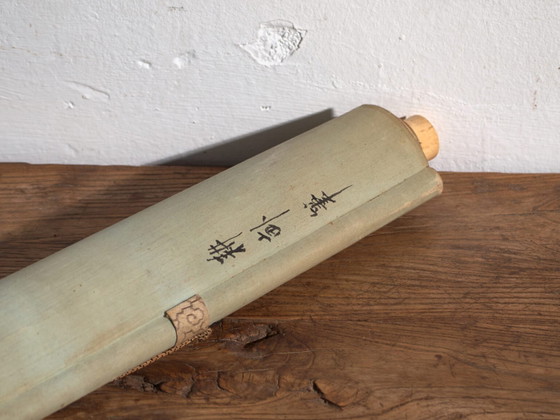

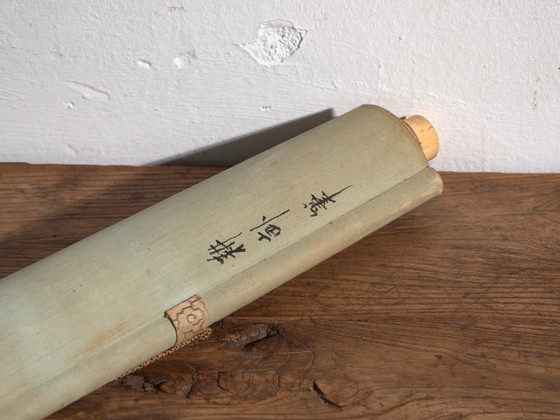
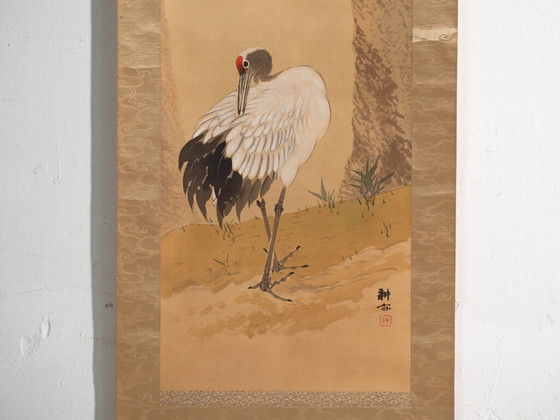
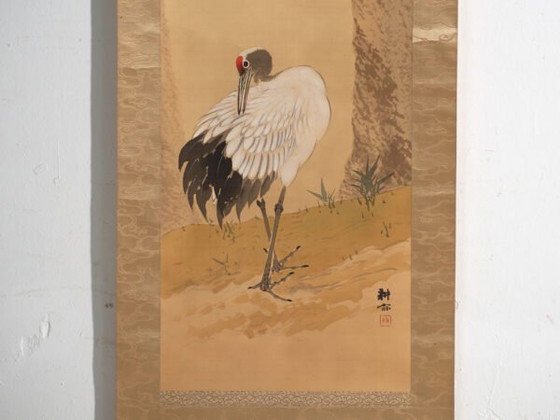
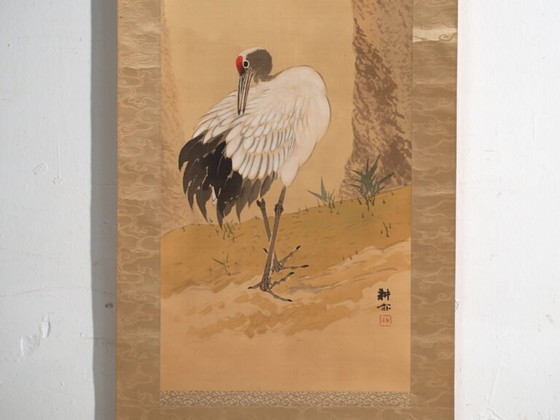
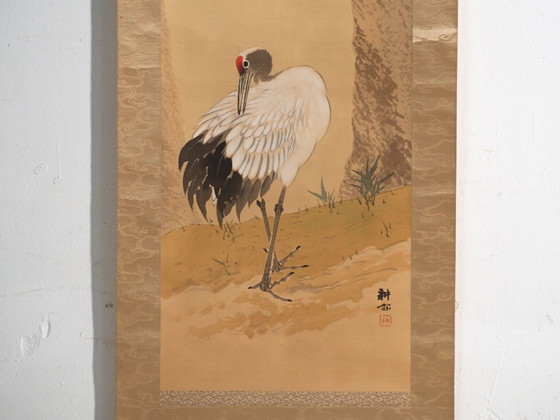

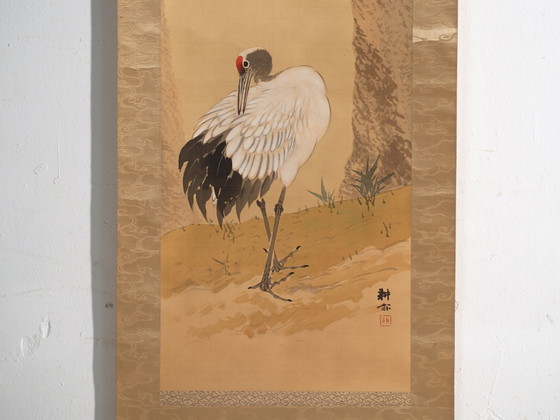
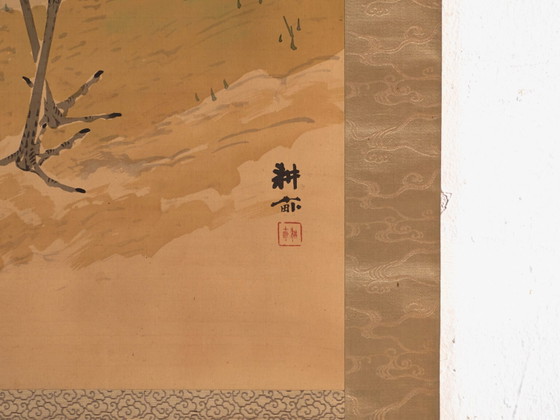

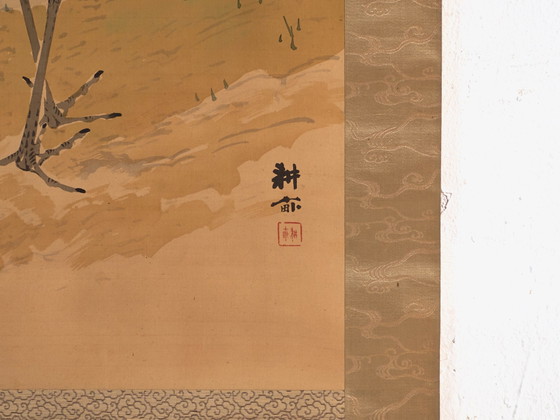
Antique Japanese kakejiku of a crane in colour on paper – Japan, circa 1900
€185Bid from €166.50
Buy with confidence
Shop & pay safely with Buyer ProtectionDesigner items curated by WhoppahWe only pay the seller once you have safely received the itemTrusted payment methods


About this seller
ProfessionalProduct description
This antique Japanese kakejiku is a hanging scroll of a crane in colour on paper, with a textile mount and wooden rods. It originates from Japan, from the late Meiji or the Taishō period, when scroll-mounted painting was displayed in the tokonoma.
The kakejiku was hung in the tokonoma, the alcove of honour of the Japanese home, and changed with the season or the occasion. The work mounted on paper was rolled for storage, which explains its vertical format.
The piece is executed in colour pigments on paper, mounted with fabric borders and finished with an upper rod and a lower wooden roller that allow it to be hung and rolled. It keeps its suspension cord.
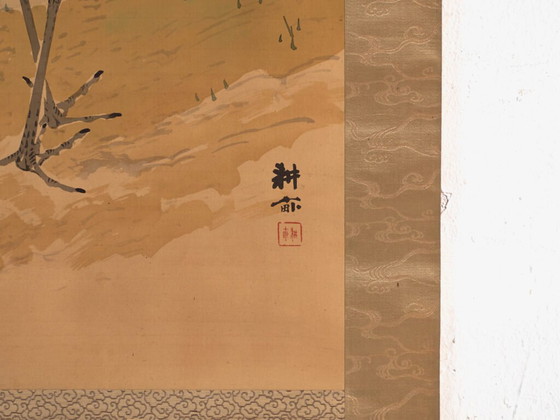
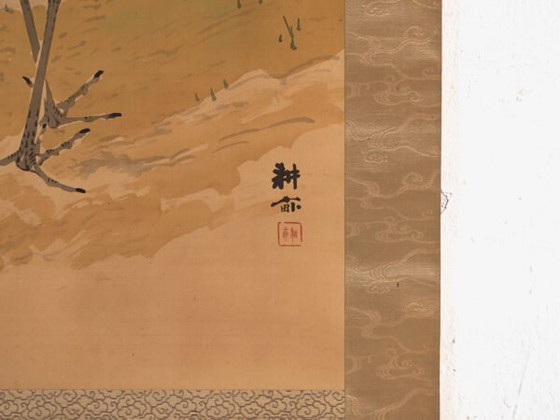
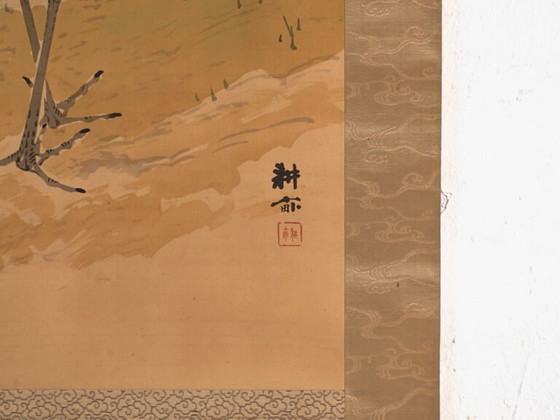
The composition depicts a crane standing by the shore, a symbol of longevity and good fortune, in colour on paper, signed and sealed.
For its vertical format, it serves as a wall piece for a serene corner, a study or an entrance. It fits wabi-sabi, japandi and minimalist interiors, where it brings depth and a graphic accent.
Details
Ref.: AM30059
Dimensions: Length 62 cm – Width 2 cm – Height 220 cm
Style: Traditional Japanese
Materials and techniques: Paper; colour on paper; textile mount; wooden rods.
Place of origin: Japan
Period: Meiji–Taishō period
Date of manufacture: Circa 1900
Condition: Good. Paper with patina, stains and marks consistent with age. Rolled dimensions: Longitud 62 cm – Altura 7 cm. Wear consistent with age and use.
This piece is part of the curated collection of Amaru Antiques, Barcelona.
ONE OF A KIND PIECE
Additional details:
- Brand: AMARU
- Style: Traditional Japanese
- Style: Wabi-sabi
- Style: Japandi
- Style: Minimalist
- Period: Meiji–Taishō period
Specifications
ConditionGoodMaterialPaper, Wood, TextileOrientationPortraitArt sizeMediumHeight62 cmWidth2 cmDepth220 cm
Discover more
Seller information
About this seller
ProfessionalGelida (Barcelona), SpainOn Whoppah since July 2026 • 0 sales