Have it delivered hassle-freeBuyer protectionAll Designer items curated by WhoppahDownload the Whoppah App – get alerts & sell with ease.
Have it delivered hassle-free
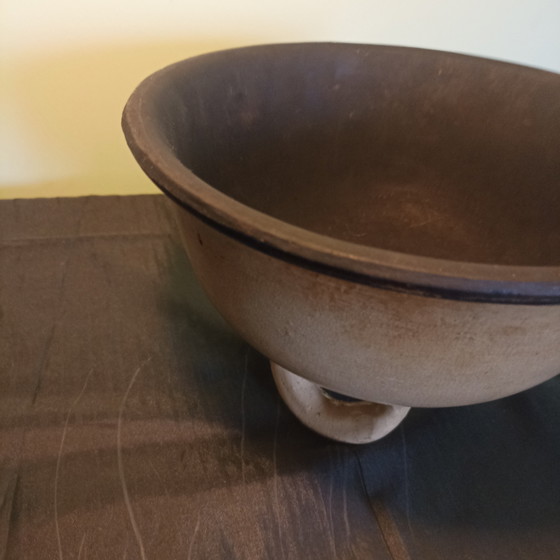
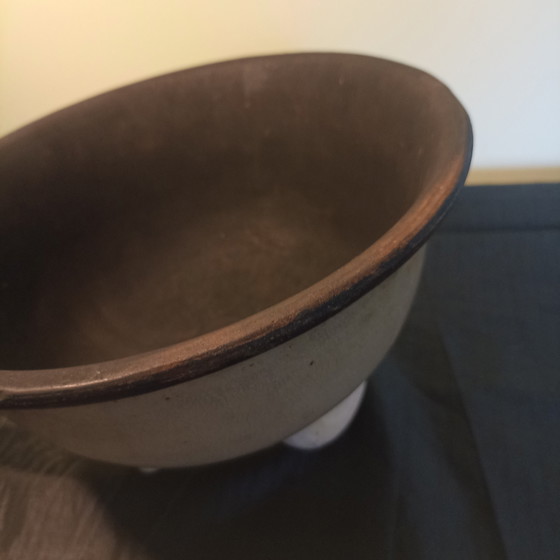
Antique 18th-century Patacon Tripode – Authentic French Folk Art
€160Bid from €145
Buy with confidence
Shop & pay safely with Buyer ProtectionDesigner items curated by WhoppahWe only pay the seller once you have safely received the itemTrusted payment methods


About this seller
Private sellerCuzorn, FranceOn Whoppah since July 2025 • 6 sales
Product description
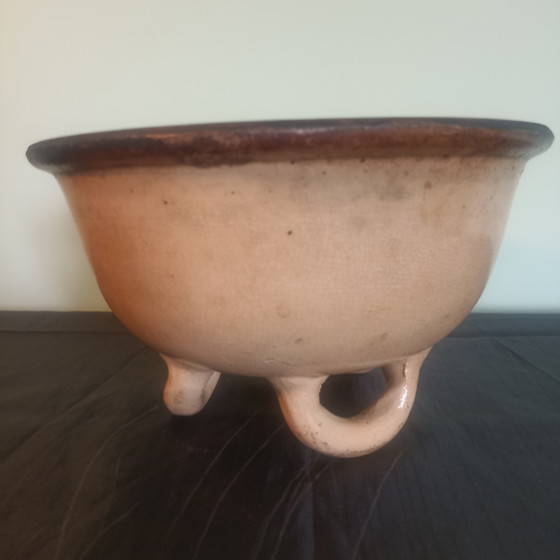
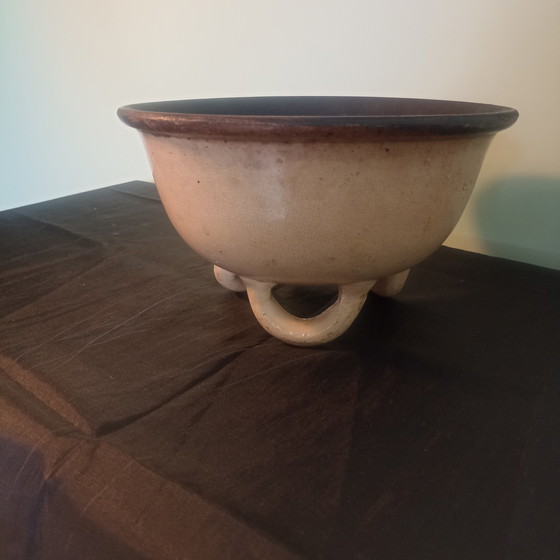
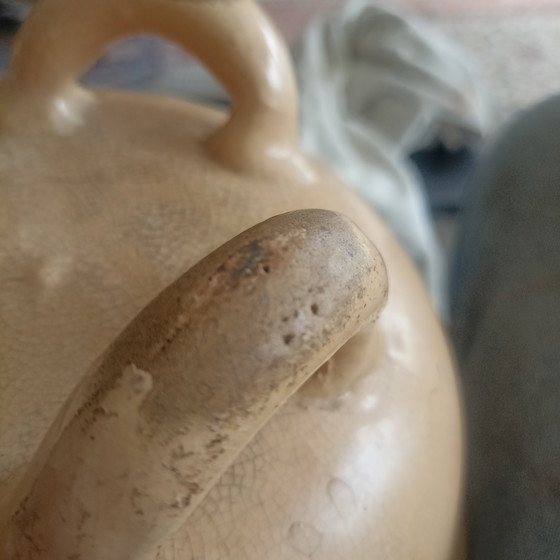
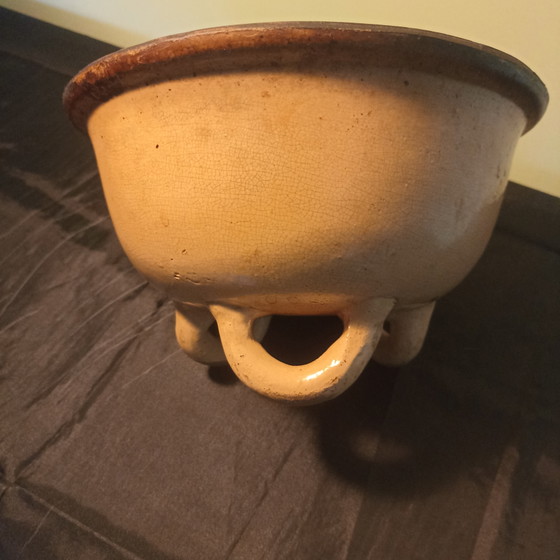
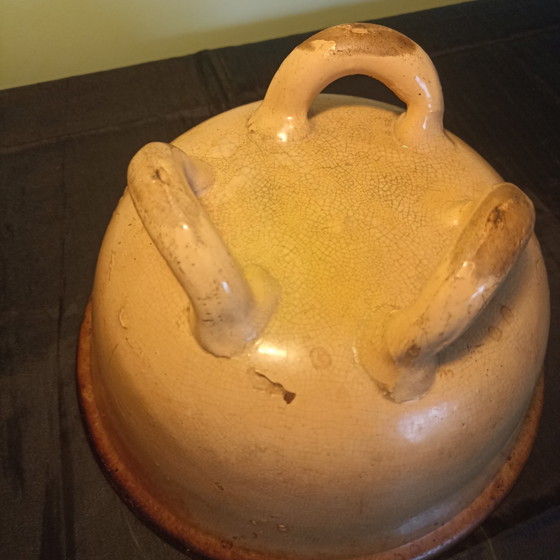
This rare piece of Art Populaire is an authentic find from the southwest of France. This "Oule" (bowl on three legs) dates from the late 18th century (c. 1780-1820) and is a beautiful example of rustic, artisanal pottery.
Historical character:
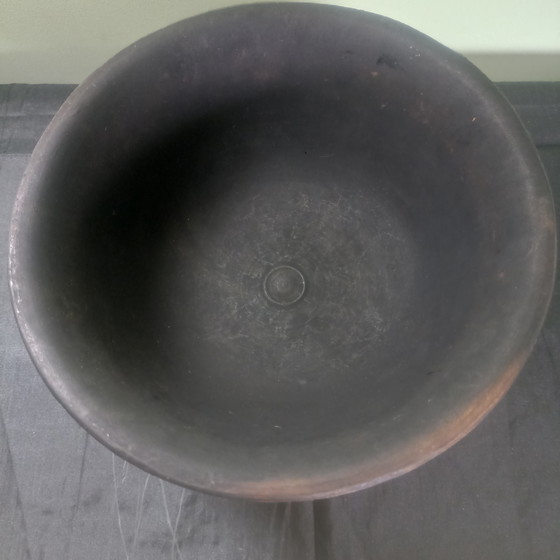
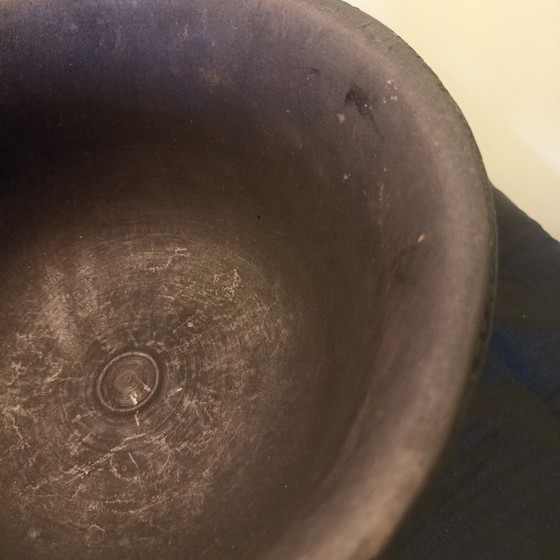
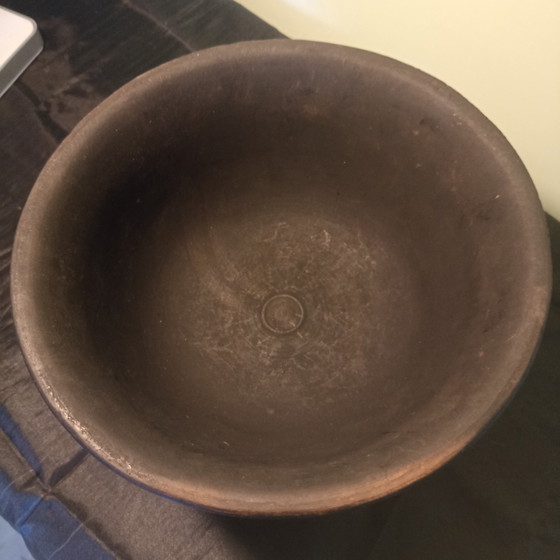
What makes this object unique is its tangible history. For decades, the bowl was used in a traditional French kitchen as a "cloche" (smother dome) on a cast-iron wood stove. The rising vapors from the slow cooking and caramelizing of dishes have formed a deep black, dry layer of carbon on the inside. This is not dirt, but a beautiful "culinary fossil" that gives the pot a powerful, Wabi-Sabi appearance.
Features for the collector:
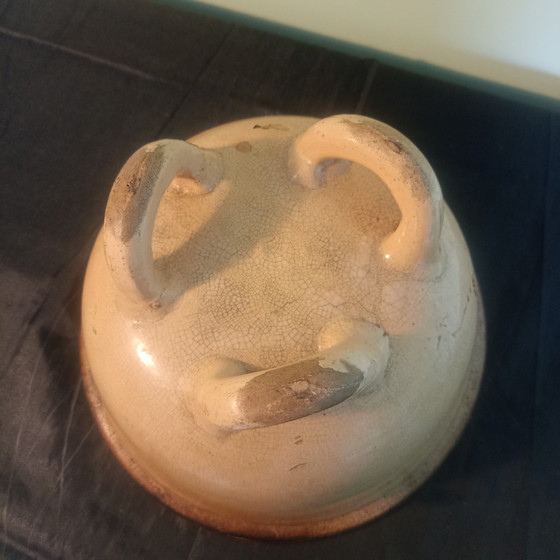
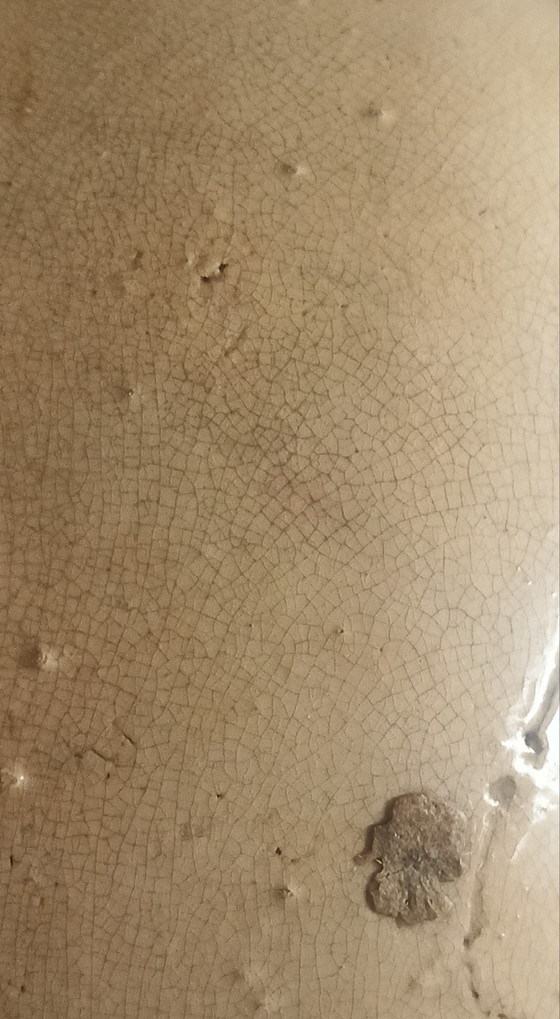
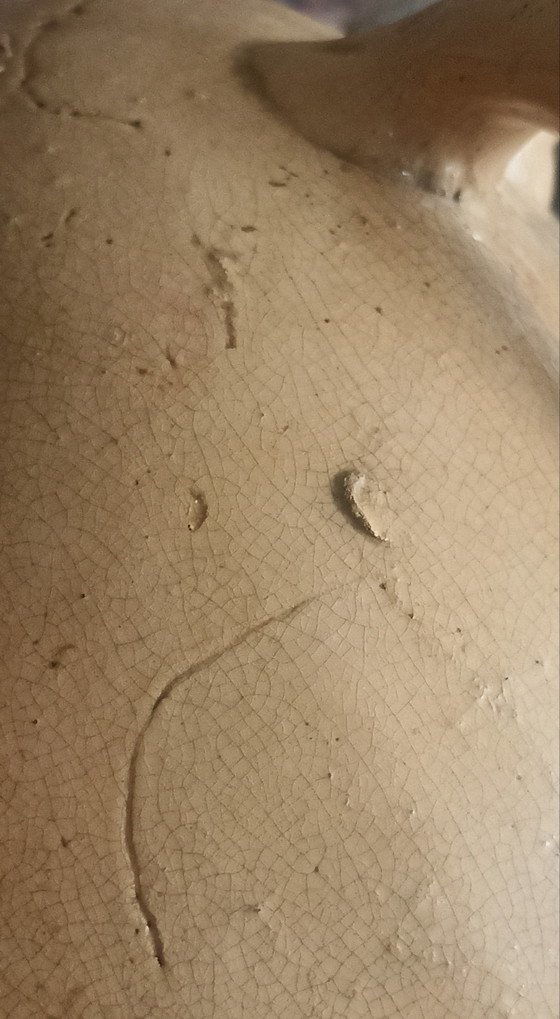
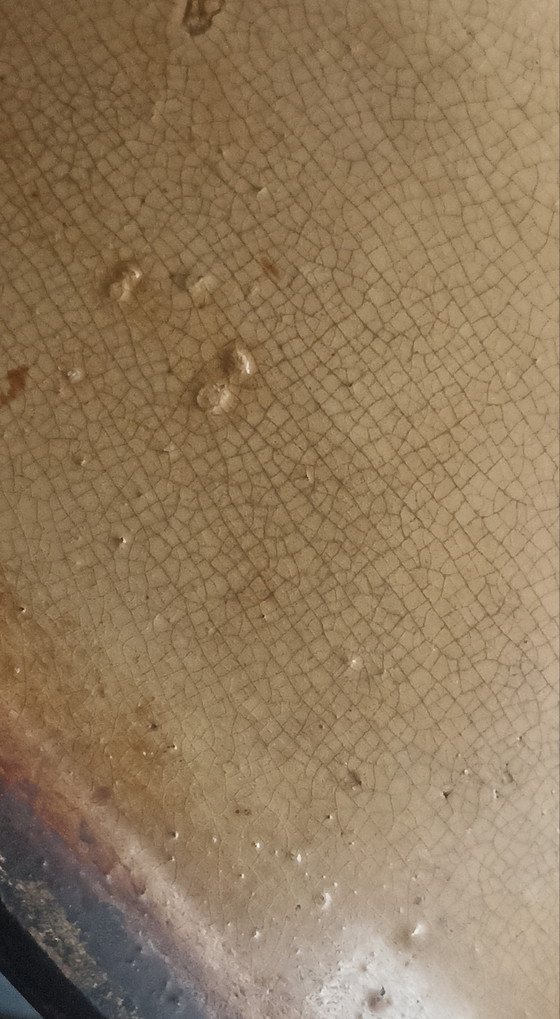
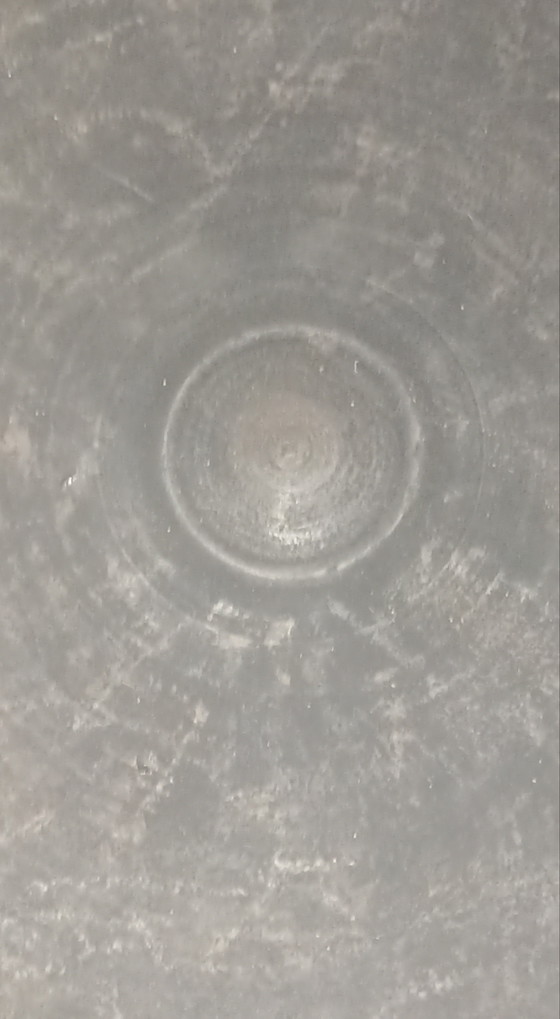
Craftsmanship: Hand-turned on an antique potter's wheel, still clearly visible through the concentric circles and the central marking on the base. Glaze: Warm beige lead glaze with rich, authentic craquelé and characteristic "pinholes" (small holes formed during the 18th-century firing process).
Patina: Fair wear on the handles/legs from generations of use. Completely intact, without restorations.
A sculptural and historical object that adds a raw, historical accent to a modern, eclectic, or country interior.
Details:
Origin: Southwest France (Dordogne/Pyrenees region)
Period: 1780 - 1820
Dimensions: diameter 25 cm height 15 cm
Specifications
ConditionExcellentColorsBeige, BlackMaterialCeramicNumber of items1Height15 cmWidth25 cmDepth25 cm
Discover more
Seller information
About this seller
Private sellerCuzorn, FranceOn Whoppah since July 2025 • 6 sales