Have it delivered hassle-freeBuyer protectionAll Designer items curated by WhoppahDownload the Whoppah App – get alerts & sell with ease.
Have it delivered hassle-free
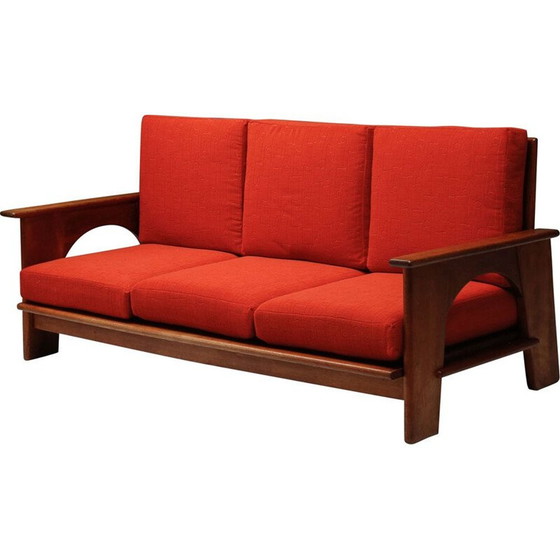
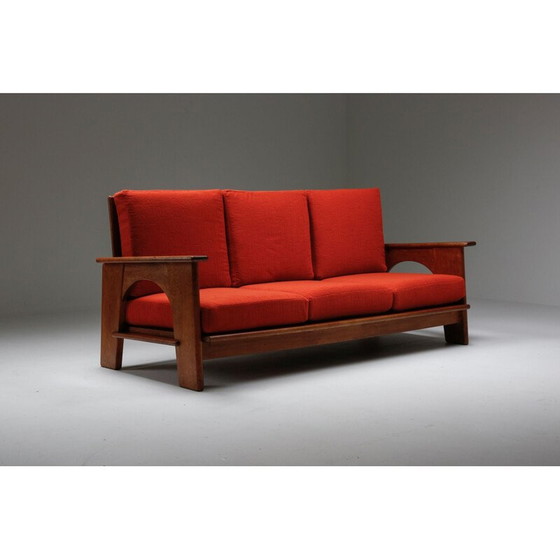
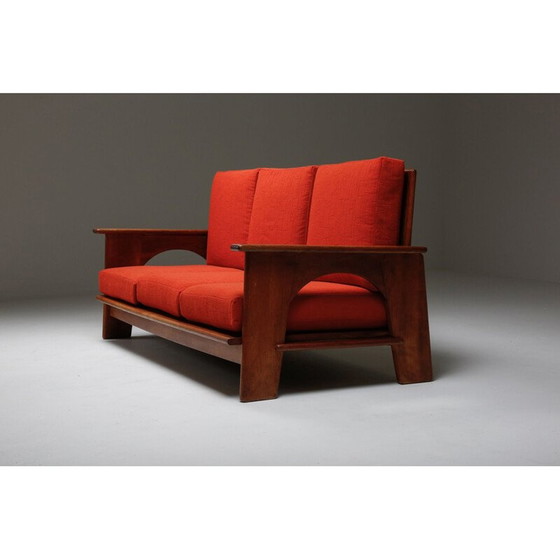
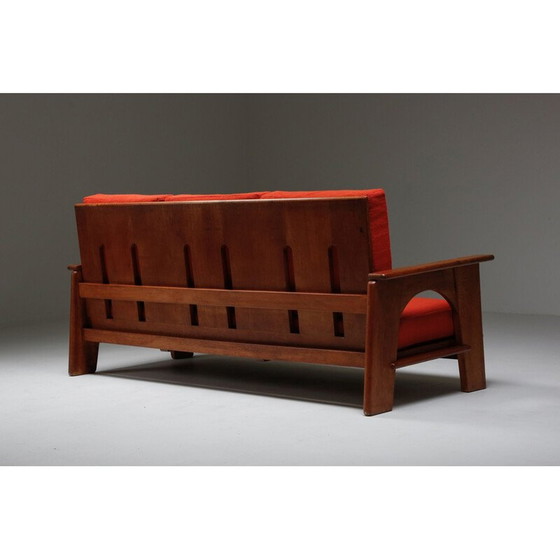
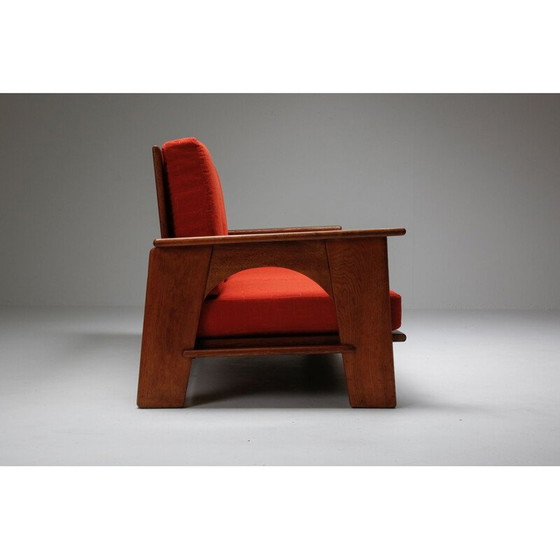
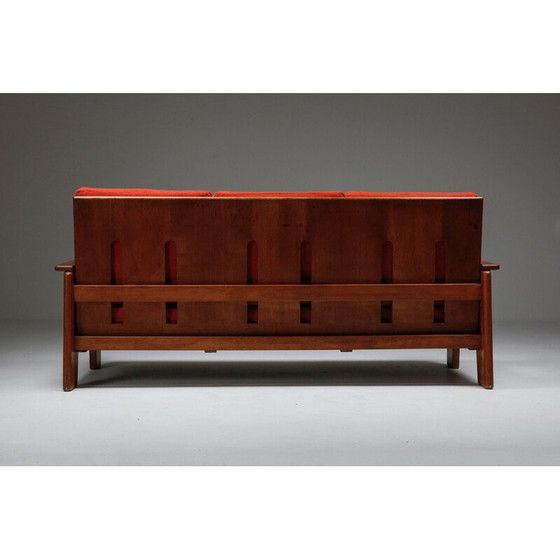
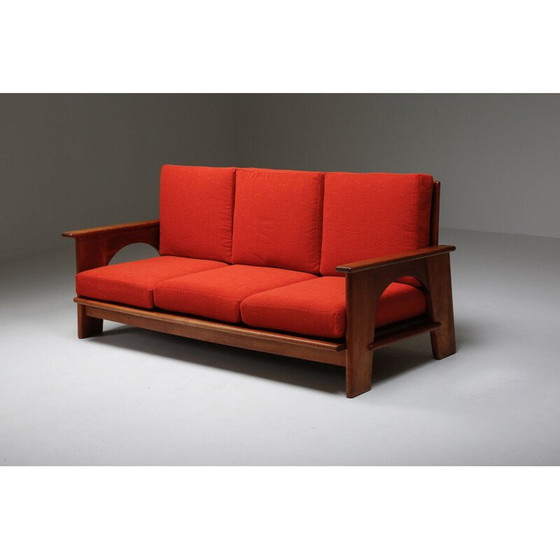
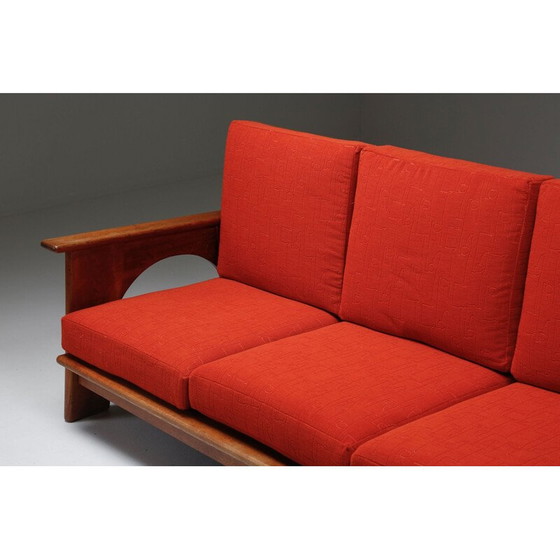
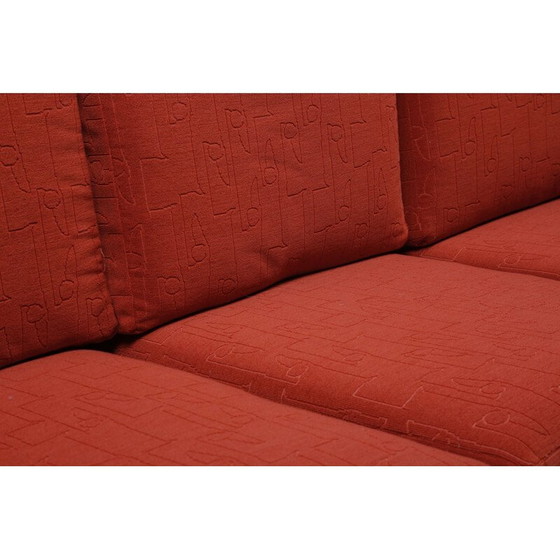
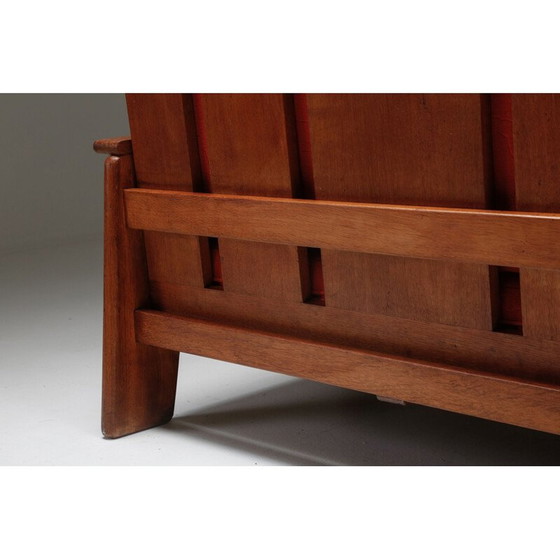
Vintage oak sofa by Bas Van Pelt
€7,500Bid from €6,750
Buy with confidence
Shop & pay safely with Buyer ProtectionDesigner items curated by WhoppahWe only pay the seller once you have safely received the itemTrusted payment methods


About this seller
ProfessionalProduct description
Original oak lounge sofa by Bas Van Pelt; Seating group; Easy Chairs; Dutch Modernism; Producer: Schaik en Berghuis
Bas van Pelt Bas J. van Pelt, Dutch furniture designer and interior architect. It only took Bas van Pelt winning a small competition in 1924 to choose the profession of designer for good. After working in a printing company, he moved to Overschie in 1927 to work in the furniture factory of J.C. Jansen, his future father-in-law. Jansen, his future father-in-law, the furniture manufacturer J.C. Jansen of Overschie. It was here that he designed his first models in various styles. Sometimes in the style of the Amsterdam school, sometimes in a sober and austere style that seems closer to that of designers such as Hendrik Wouda (1885-1946) or Jan Muntendam (1882-1938). My Home furnishing In 1931, at the insistence of his father-in-law, Bas van Pelt took over the furniture business "My Home Furnishing" in The Hague and turned it into a successful company in the field of modern furniture. From the outset, My Home Bas van Pelt concentrated on modern furniture, the design of which in The Hague in the early 1930s was still strongly influenced by the designs of Wouda, Alons and Spanjaard. Van Pelt was one of the first designers to make extensive use of third-party products, which were more affordable because of their serial numbers, such as Thonet, D3 and Gispen in his interior design. This approach enabled the company to grow and to establish branches in Amsterdam, Enschede and Maastricht (Kunstzaal de Gulden Roos). Jan Piets' collaboration since 1936 On 10 May 1940, during the bombing of Rotterdam, the warehouses in the Schouwburgstraat in The Hague were destroyed by a stray bomb. This event made Bas van Pelt decide to take an active part in the resistance. Between 1943 and 1945, the country house "de Pal" in Emst was used as a hiding place and ammunition depot. Bas van Pelt remained the official manager of the house, but his father was registered as manager in his place. In the last years of the war, the company was kept in business by two employees. From May 1944, Bas van Pelt was imprisoned in various concentration camps and on 24 May 1945, a few days after the liberation of the concentration camp, he died. After the Second World War, Van Pelt's widow took over the management of the company.
Specifications
ConditionGoodHeight82 cmWidth190 cmDepth85 cm
Discover more
Seller information
About this seller
ProfessionalANTWERP, BelgiumOn Whoppah since March 2023 • 4 sales