Have it delivered hassle-freeBuyer protectionAll Designer items curated by WhoppahDownload the Whoppah App – get alerts & sell with ease.
Have it delivered hassle-free
This item has been sold
Sold
Tomb issue, China, Han Dynasty ( 200 B.C. - 200 A.D. )
Crockery · Very good
It was listed at €500
CeramicGreen
Want one like this?
We will email you when a comparable piece is listed.
Similar items
But maybe you will like one of these just as much.
Designer items curated by Whoppah · We only pay the seller once you have safely received the item
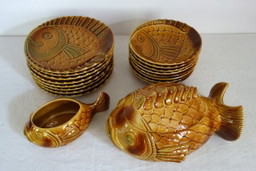

Fish service for 8 people, Sarreguemines earthenware
€350
€150 less than the piece you viewed
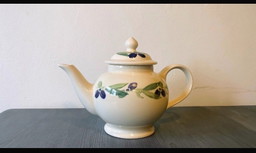

🫒 Rare Olives Emma Bridgewater Teapot 1990 🫒
€229Bid from €159
€271 less than the piece you viewed
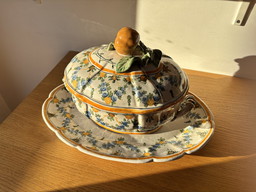

Soupière & l’assiette
€175
€325 less than the piece you viewed
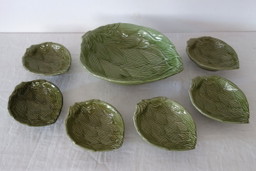

Salad bowl + 6 vintage 1970s artichoke green earthenware bowls
€160
€340 less than the piece you viewed