Have it delivered hassle-freeBuyer protectionAll Designer items curated by WhoppahDownload the Whoppah App – get alerts & sell with ease.
Have it delivered hassle-free
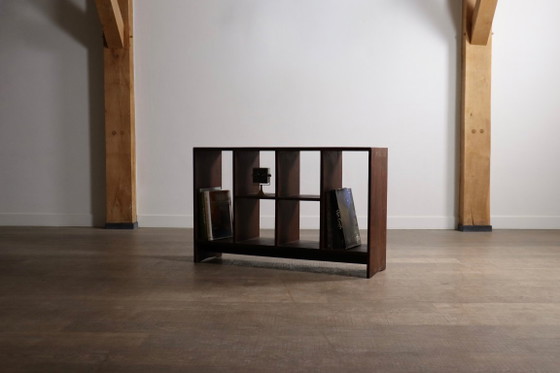
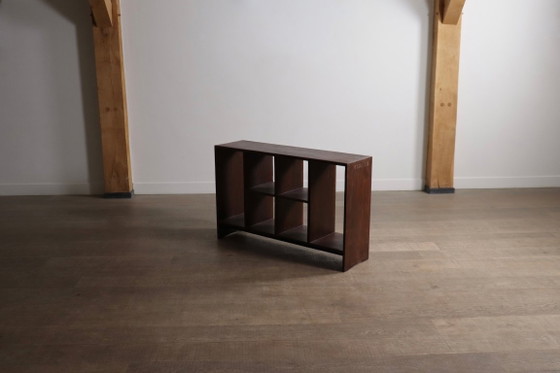
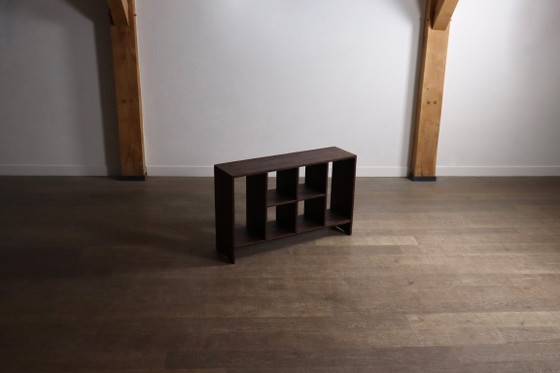
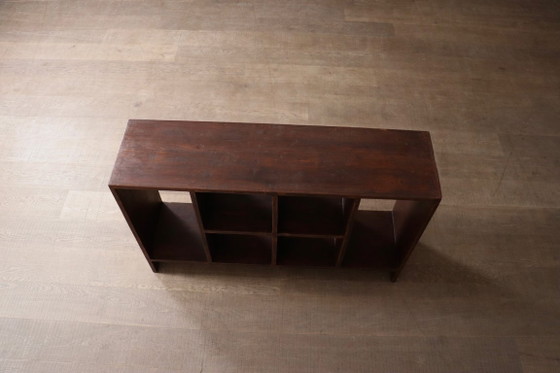
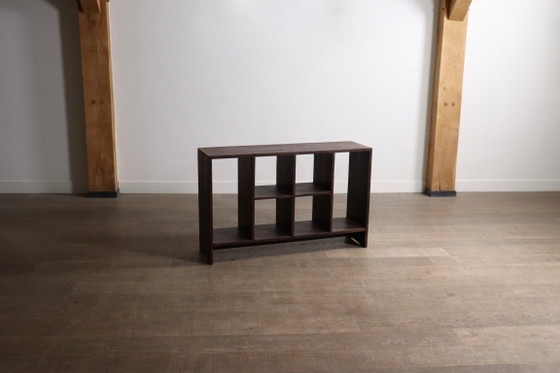
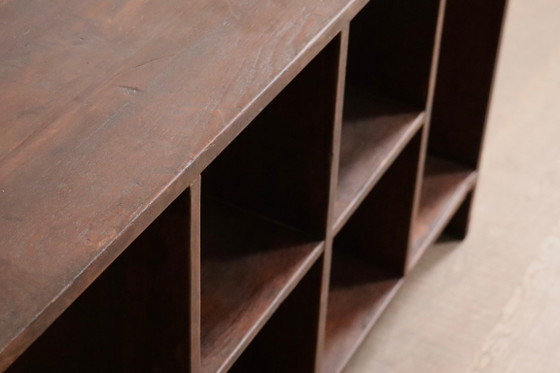
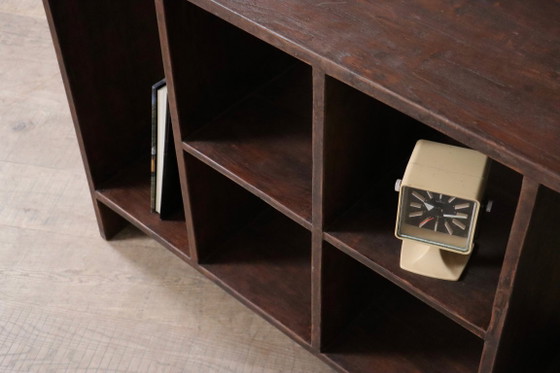
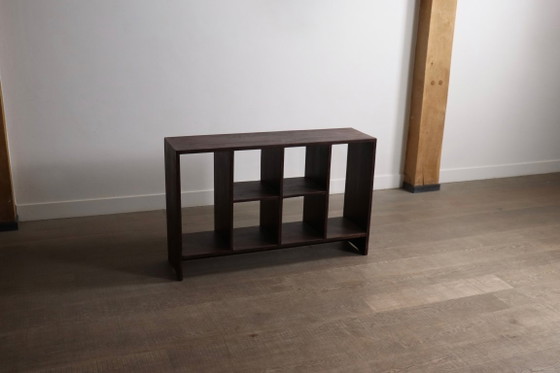
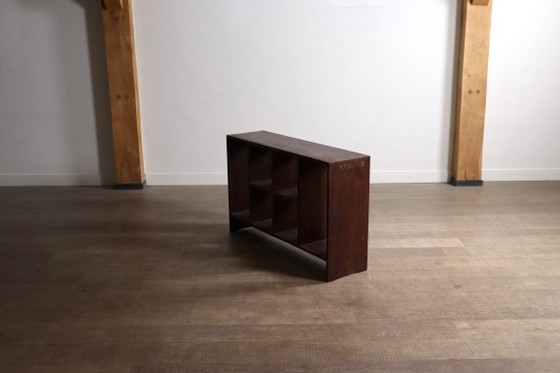
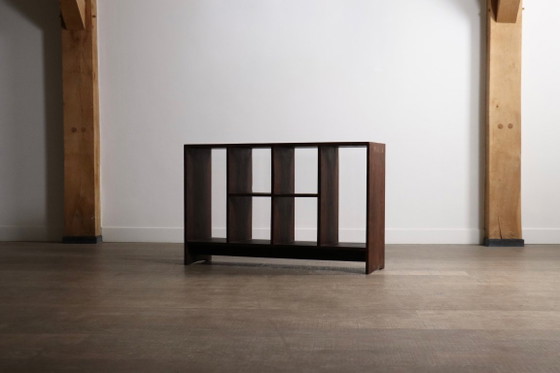
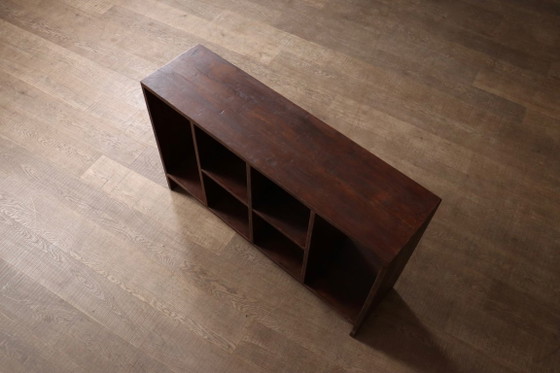
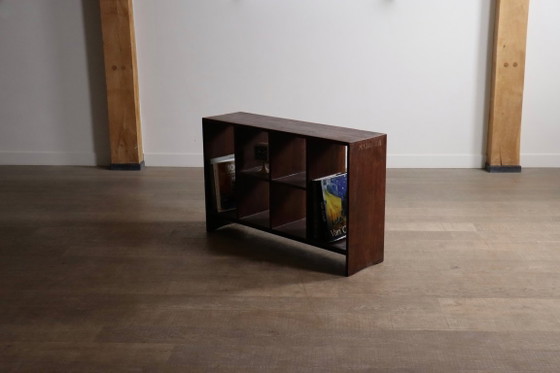
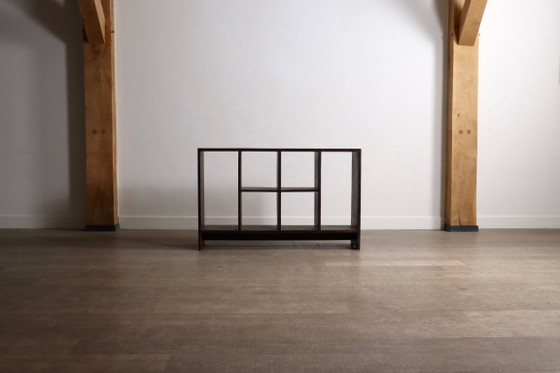
Pierre Jeanneret PJ-R-27-A 6-Hole File Rack, Chandigarh, 1958
€12,500Bid from €11,500
Buy with confidence
Shop & pay safely with Buyer ProtectionDesigner items curated by WhoppahWe only pay the seller once you have safely received the itemTrusted payment methods


About this seller
ProfessionalProduct description
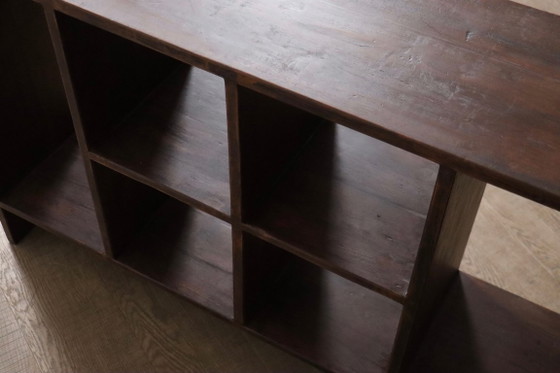
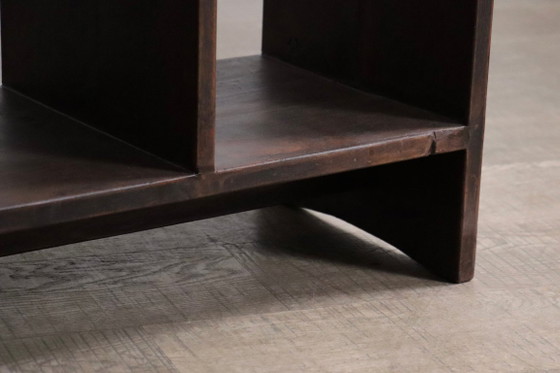
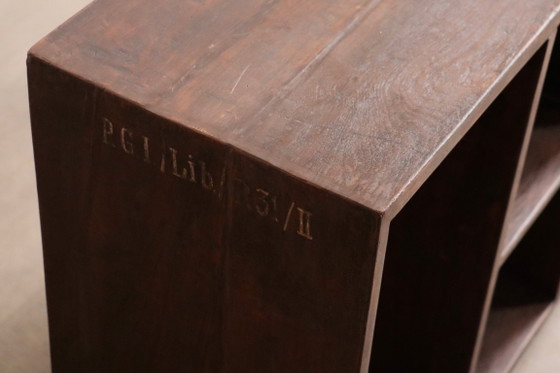
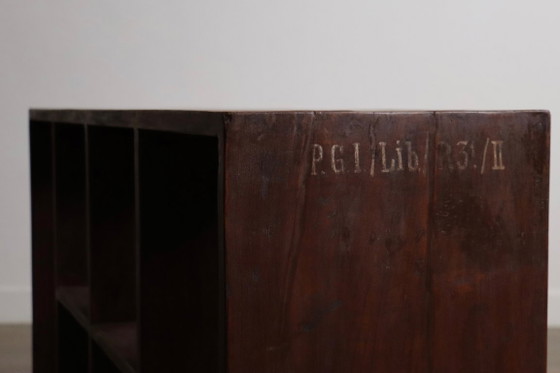
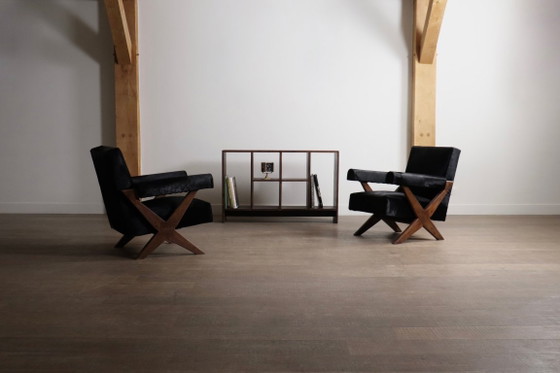
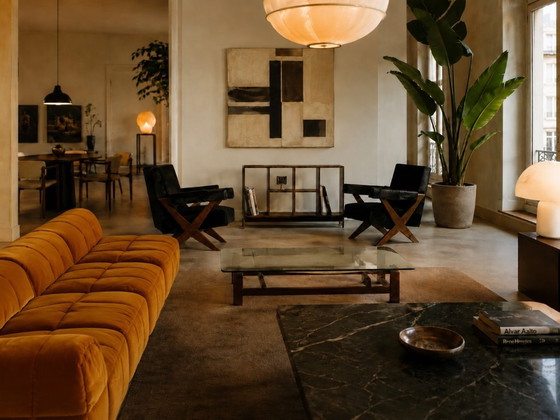
Six-Hole File Rack Model PJ-R-27-A, Designed by Pierre Jeanneret for Chandigarh, India, Circa 1958. The low storage unit is constructed from solid teak wood. A horizontal shelf and vertical partitions divide the rectangular body into six open compartments, creating a clear architectural grid. The warm grain and deep aged surface of the wood give the restrained construction a strong material presence. The rack is designed to be accessed from both sides. This double-sided arrangement allowed books, documents and files to remain easily accessible while enabling the piece to stand freely within a library, office or administrative interior. Its compact height also allows it to divide a space without obstructing sightlines. The outer side panels continue downwards to form the legs, making the supporting structure a visible part of the cabinet. This direct construction eliminates unnecessary ornament and gives the file rack the clear structural character found throughout Jeanneret’s furniture for Chandigarh. Pierre Jeanneret (1896-1967) is recognised as a pivotal figure in Modernism. His collaborations with his cousin Le Corbusier are especially significant, particularly their codification of modernist architectural principles in Five Points Towards a New Architecture (1926). Towards the end of their careers the pair also designed a utopian modernist city in India – Chandigarh, and Jeanneret designed some of his most celebrated furniture designs for the administrative buildings in the city. Appears in the literature: “Le Corbusier, Pierre Jeanneret: Chandigarh, India,” Galerie Patrick Seguin, pp. 248 – 249, 288 and “Le Corbusier, Pierre Jeanneret: The Indian Adventure,” Touchaleaume and Moreau, p. 572. Provenance: Dr. Tulsi Das Library, Postgraduate Institute of Medical Education and Research, Chandigarh, India.
Specifications
ConditionVery goodColorsBrownMaterialWoodNumber of items1Height76 cmWidth122 cmDepth33 cm
Discover more
Seller information
About this seller
ProfessionalAbcoude, NetherlandsOn Whoppah since February 2022 • 17 sales