Have it delivered hassle-freeBuyer protectionAll Designer items curated by WhoppahDownload the Whoppah App – get alerts & sell with ease.
Have it delivered hassle-free
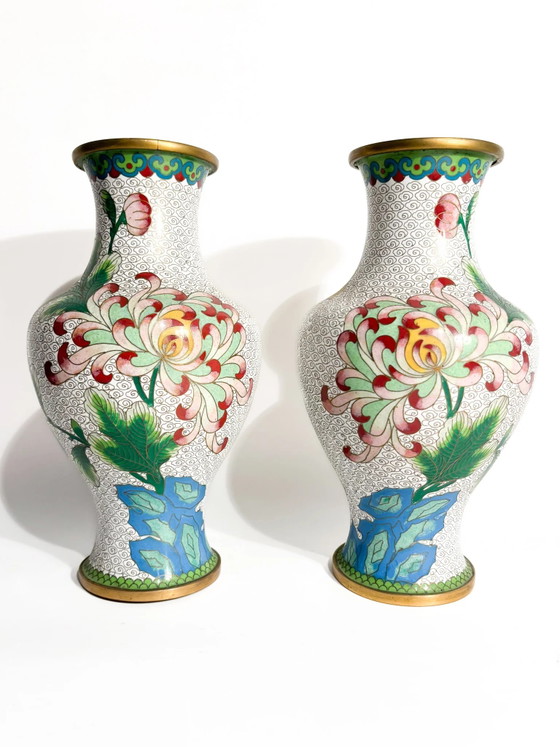
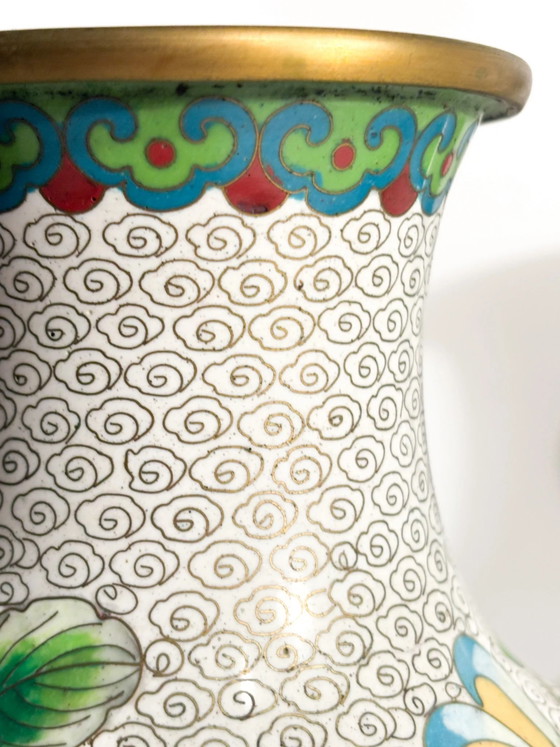
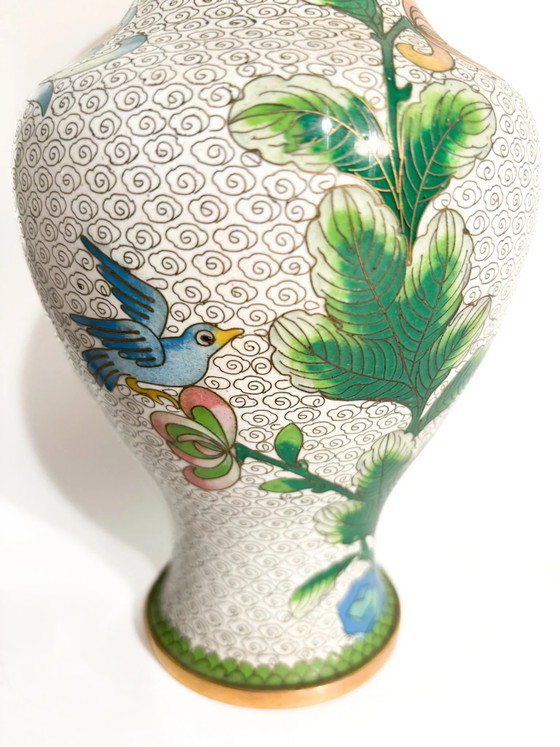
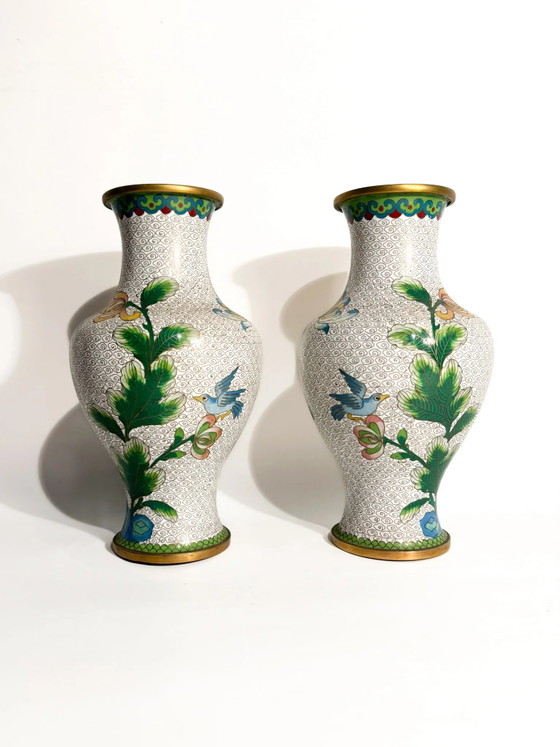
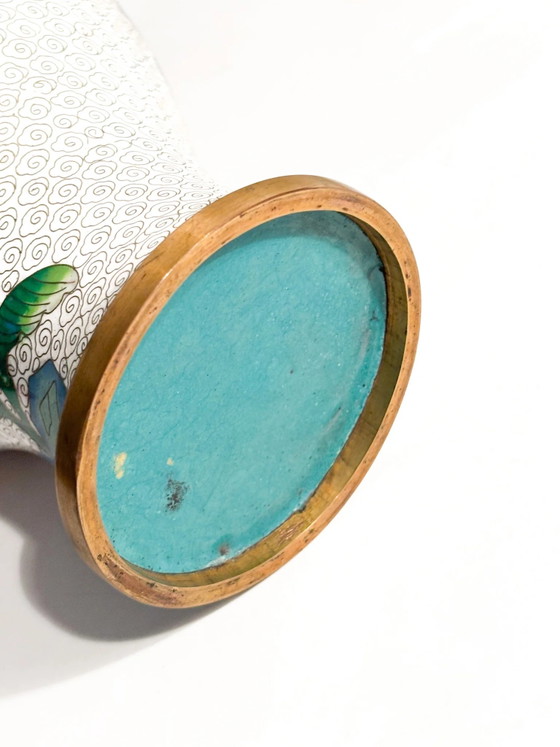
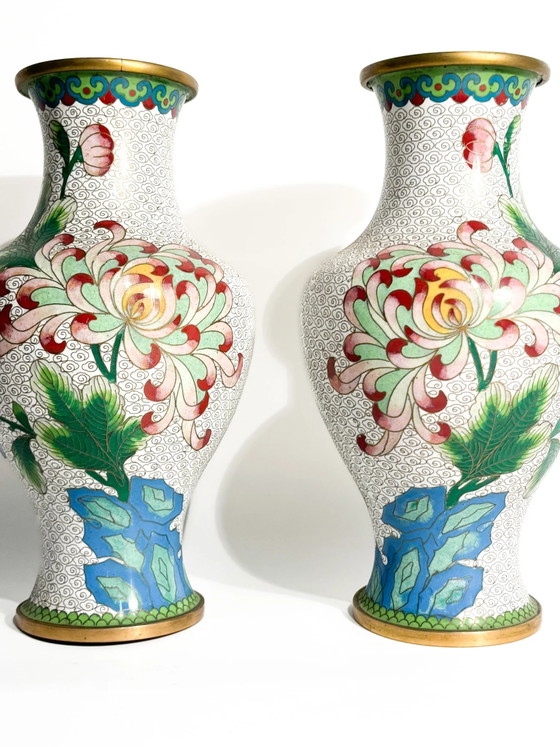
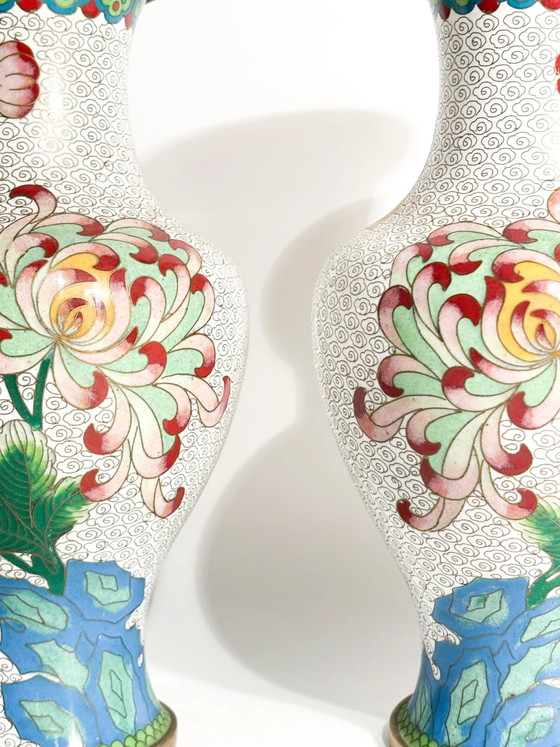
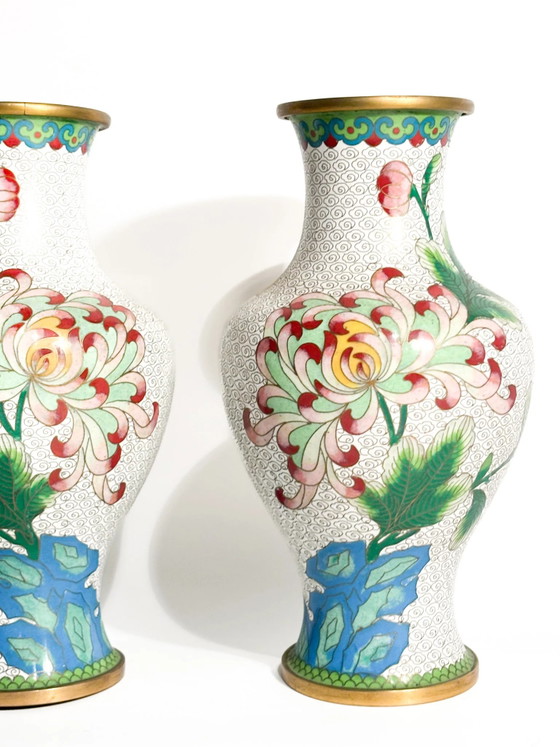
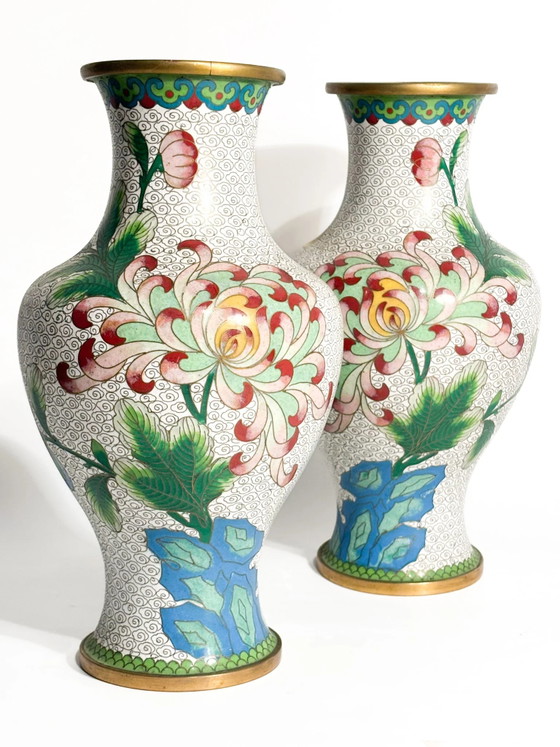
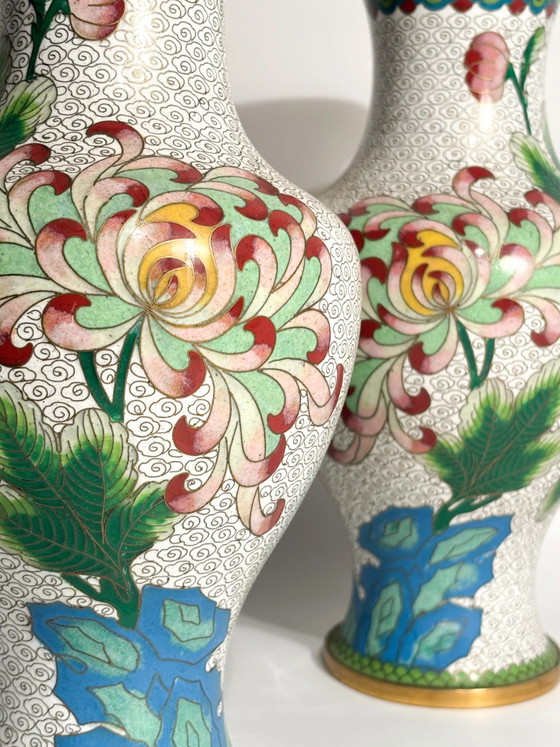
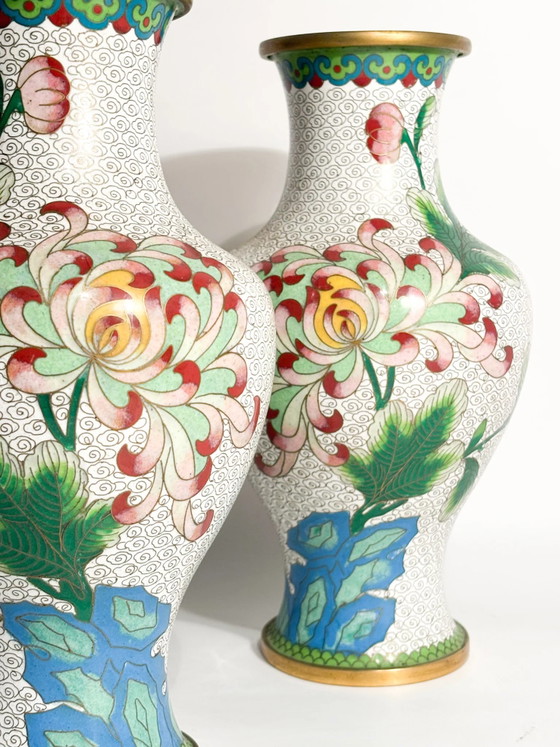
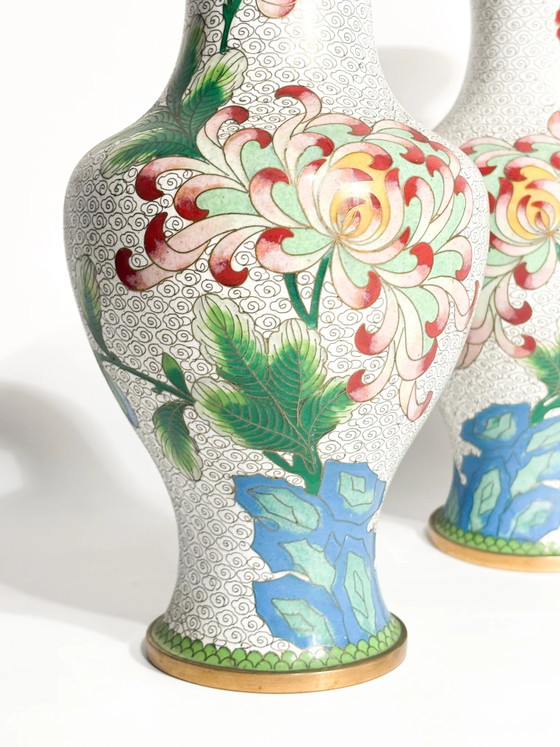
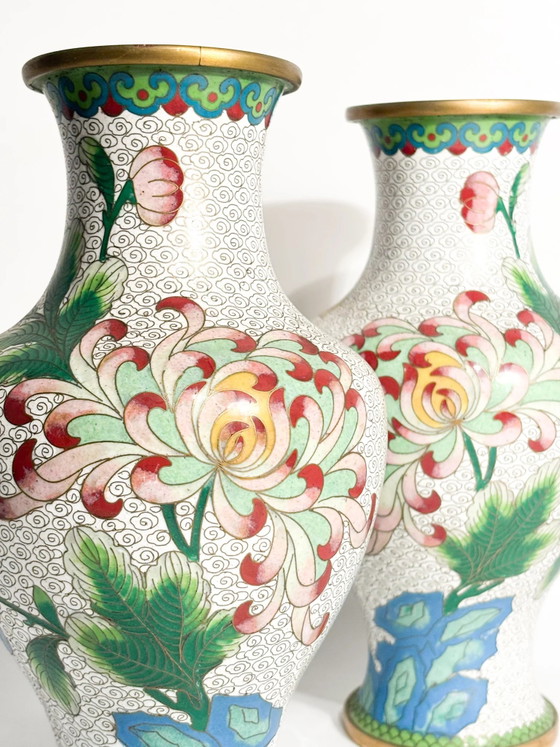
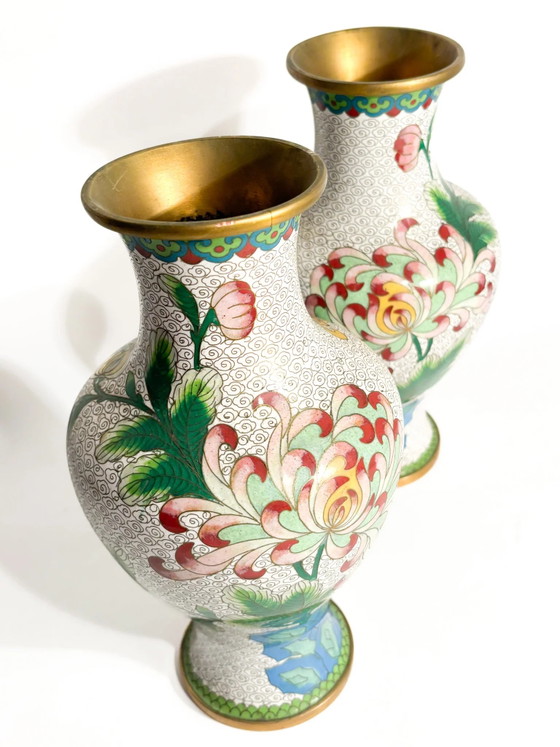
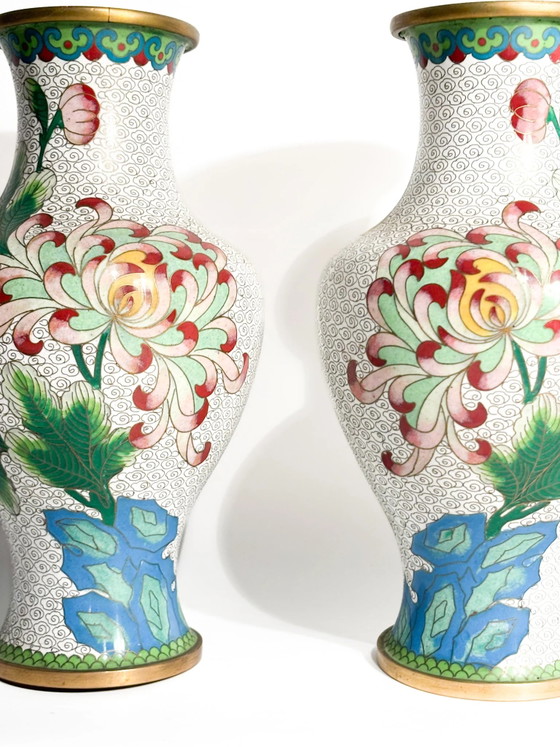
Pair of Chinese Cloisonné Vases with Floral and Hummingbird Motifs, 1950s
€250Bid from €225
Buy with confidence
Shop & pay safely with Buyer ProtectionDesigner items curated by WhoppahWe only pay the seller once you have safely received the itemTrusted payment methods


About this seller
ProfessionalProduct description
Pair of Chinese vases with floral and hummingbird motifs, made in China in the 1950s. Ø 12 cm, h 23 cm. Cloisonné (pronounced "cloy-so-nay") is an ancient and complex decorative technique, commonly used for metalwork. The term comes from the French "cloisons," meaning "partitions" or "compartments." Thin metal strips or wires (originally gold or silver, today often copper or brass) are soldered or affixed to the surface of a metal object. These strips are bent to form the outline of a design, creating small compartments or cells. These compartments are then filled with colored material. Historically, this material often consisted of cut gemstones, glass, or other inlays. In later centuries and modern practice, the compartments are filled with vitreous enamel (a paste made from powdered glass). The object is repeatedly fired in a kiln to melt and harden the enamel. After firing, the surface is smoothed and often polished, leaving the metal wires outlining the design visible. The cloisonné technique originated in the ancient Near East and spread to many cultures: it dates back to ancient Mesopotamia and Egypt (before 1800 BC). The earliest examples of enamel and metal wires were found in Mycenaean tombs in Cyprus (13th century BC). The technique arrived in China (known as Jingtai Lan, or "Jingtai Blue") around the Yuan Dynasty ( ) and reached its peak during the Ming ( ) and Qing ( ) Dynasties. Chinese cloisonné often features vibrant colors and intricate designs on decorative objects such as vases and incense burners.
Additional details:
- Brand: Artista Cinese
- Style: Cinese
- Style: Cloisonné
- Material: Smalto
- Period: 1950s
Specifications
ConditionGoodMaterialMetal
Discover more
Seller information
About this seller
ProfessionalMilano, ItalyOn Whoppah since July 2026 • 0 sales