Have it delivered hassle-freeBuyer protectionAll Designer items curated by WhoppahDownload the Whoppah App – get alerts & sell with ease.
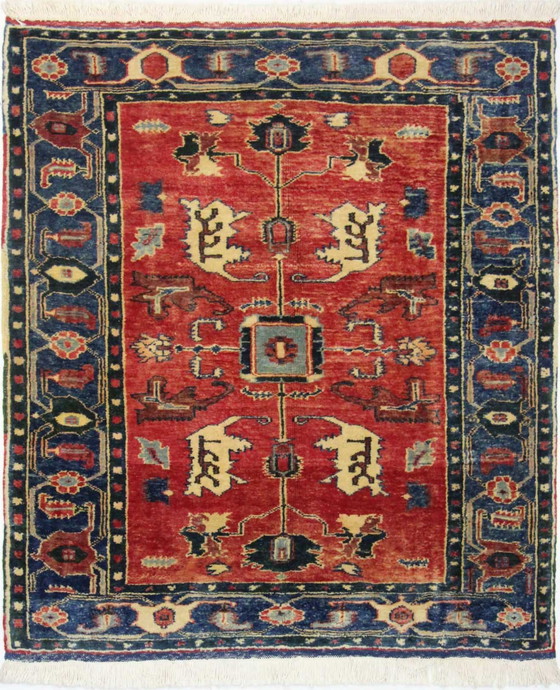
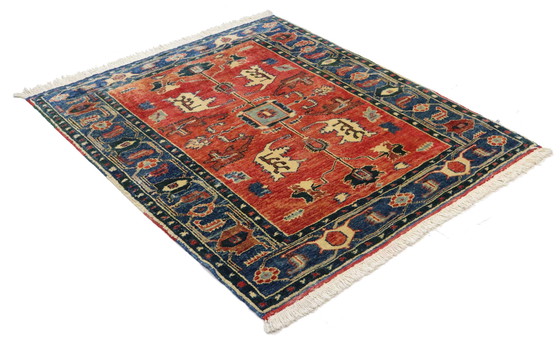
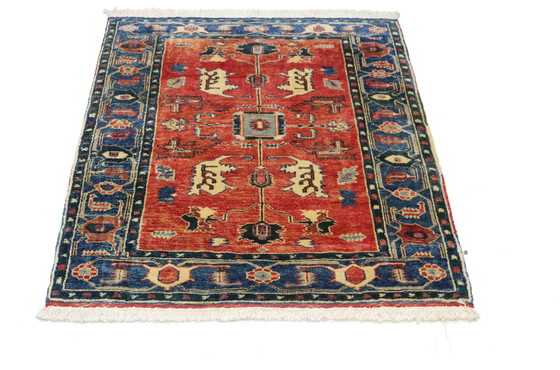
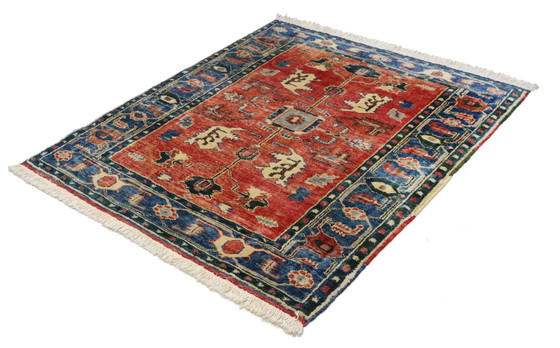
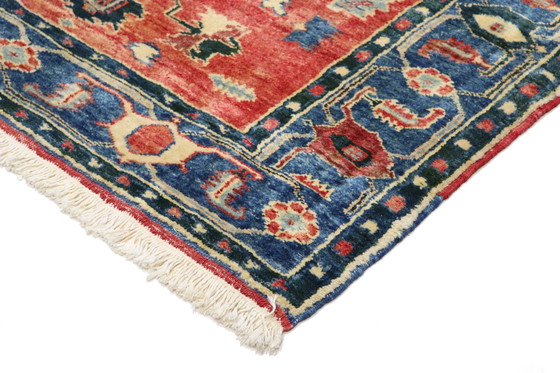
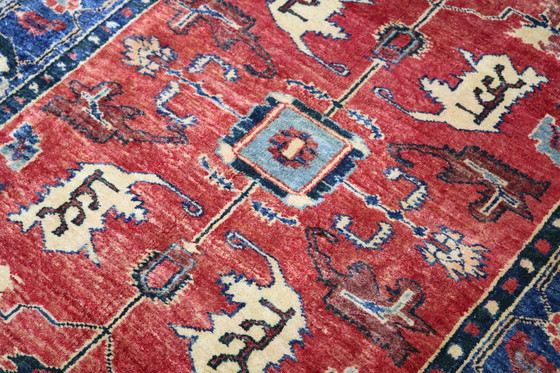
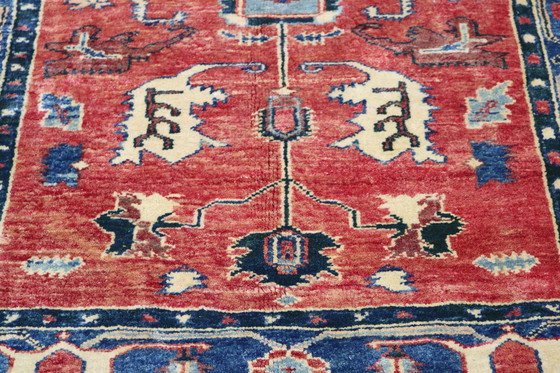
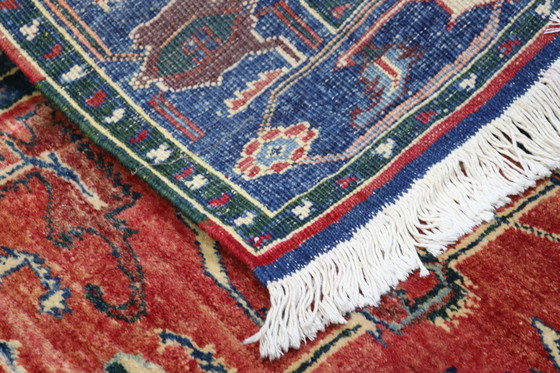
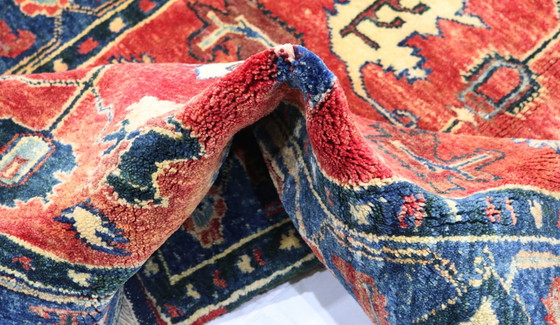
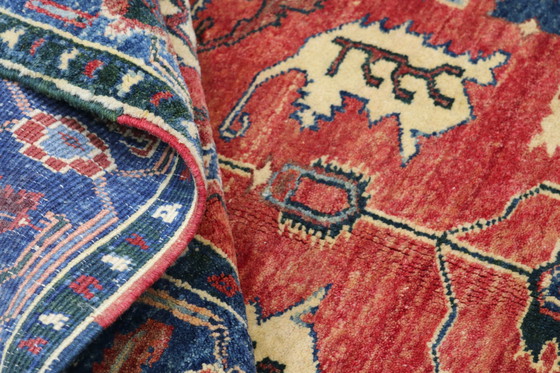
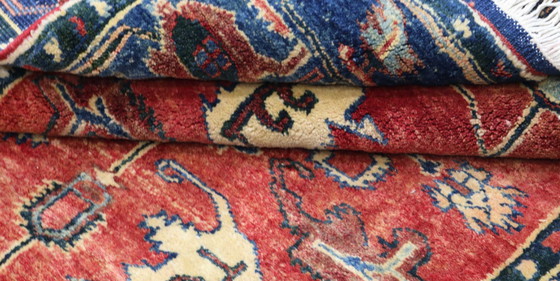
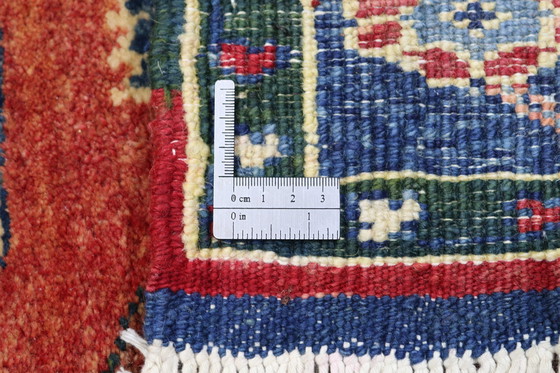
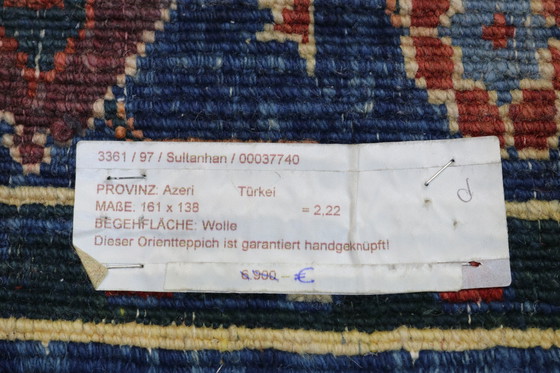
Original Hand-knotted Old Caucasian Azeri Rare - Kilim - 161 cm - 138 cm - Very Fine
€950Bid from €865
Buy with confidence
Shop & pay safely with our Buyer ProtectionDesigner items curated by WhoppahWe only pay the seller once you have safely received the itemTrusted payment methods



About this seller
Hamburg, GermanyOn Whoppah since October 2024 • 12 sales
Product description
Azeri Karabagh carpets - art from the heart of the Caucasus
Origin and history:
Karabagh carpets originate from the Karabagh region (Qarabağ), which is located in present-day Azerbaijan. For centuries, this region was a cultural center in the South Caucasus and was particularly well known for its traditional carpet weaving skills. Carpet production there dates back to the 17th century and is closely linked to Azerbaijani folk art.
Style and characteristics:
Karabagh carpets are characterized by their bright colors, detailed patterns and floral and geometric designs. Particularly famous are:
Flower carpets ("Güllü xalçalar"), which show European influence and look almost like impressionist paintings.
Prayer rugs, often with a mihrab (prayer niche) motif.
Animal and hunting scenes, which are depicted in an unusually realistic manner in carpets from this region.
Color palette: often deep black, red, blue, gold, dyed with natural dyes.
Regional styles within Karabagh:
The region had several important knotting centers with their own style variations, e.g.:
Shusha (Şuşa): the cultural center of Karabagh, known for particularly high-quality carpets with filigree weaving.
Lachin, Jabrail, Aghdam, and Horadiz: all with their own characteristic patterns.
Symbolism:
Many motifs have spiritual or protective meanings, e.g. tree of life motifs, stylized animals or S-shapes (symbol against evil).
Specifications
ConditionExcellentColorsMulti ColorMaterialCotton, WoolNumber of items1Height1 cmWidth138 cmDepth161 cm
Discover more
Seller information
About this seller
Hamburg, GermanyOn Whoppah since October 2024 • 12 sales