Have it delivered hassle-freeBuyer protectionAll Designer items curated by WhoppahDownload the Whoppah App – get alerts & sell with ease.
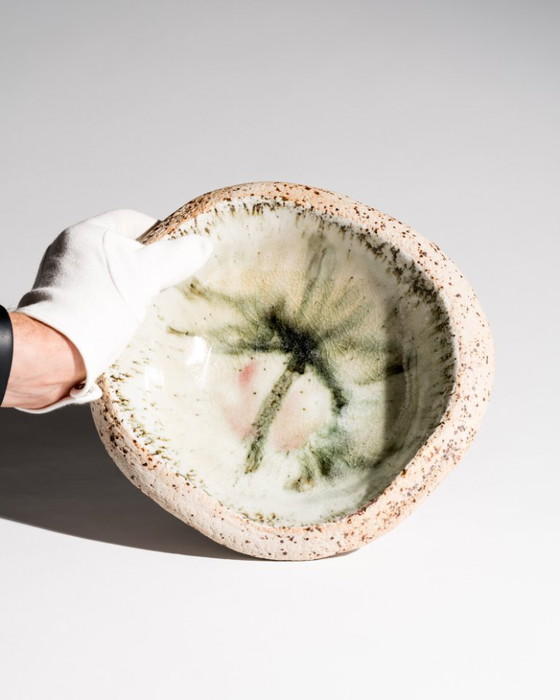
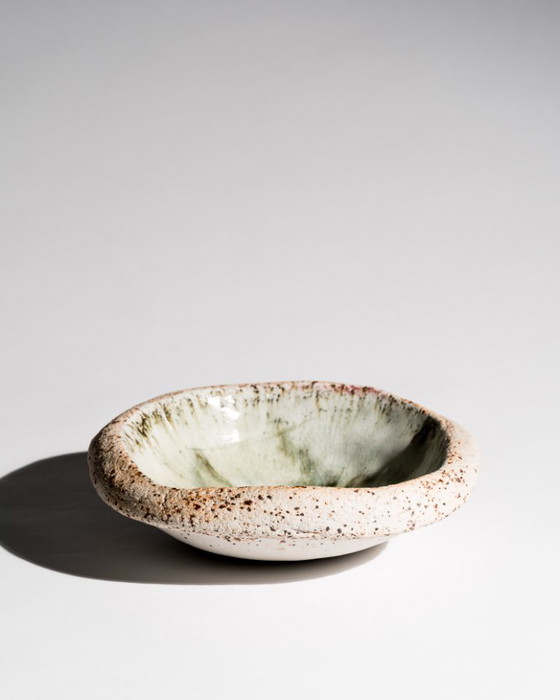
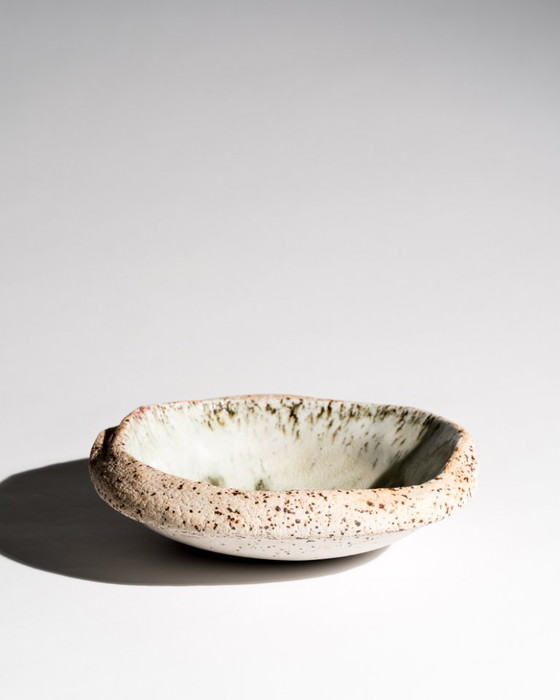
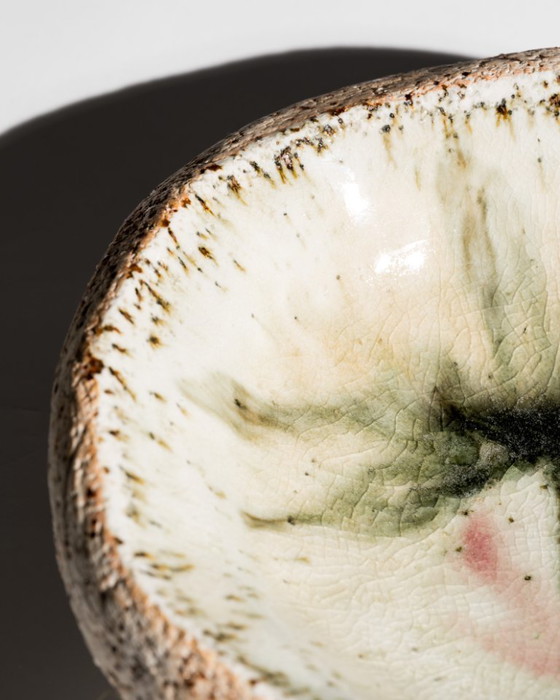
Monika Herbst Studio Ceramic Bowl Kassel Midcentury-Modern West German Pottery
€270Bid from €199
Buy with confidence
Shop & pay safely with Buyer ProtectionDesigner items curated by WhoppahWe only pay the seller once you have safely received the itemTrusted payment methods


About this seller
Private sellerBerlin, GermanyOn Whoppah since August 2023 • 28 sales
Product description
Monika Herbst Studio Ceramic Bowl
Kassel, Germany, Second Half of the 20th Century
A highly tactile and organically shaped studio ceramic bowl by German ceramic artist Monika Herbst of Kassel, embodying the quiet material sensitivity and expressive restraint characteristic of postwar German studio pottery.
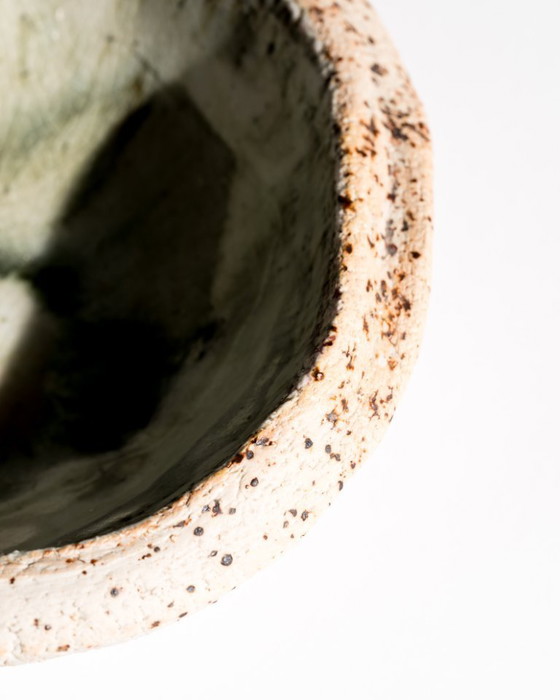
Executed in stoneware with a softly irregular hand-formed silhouette, the bowl balances sculptural presence with functional simplicity. Its broad, shallow form is framed by a thick volcanic-looking rim rich in granular texture and iron-like speckling, creating a striking contrast to the luminous glazed interior.
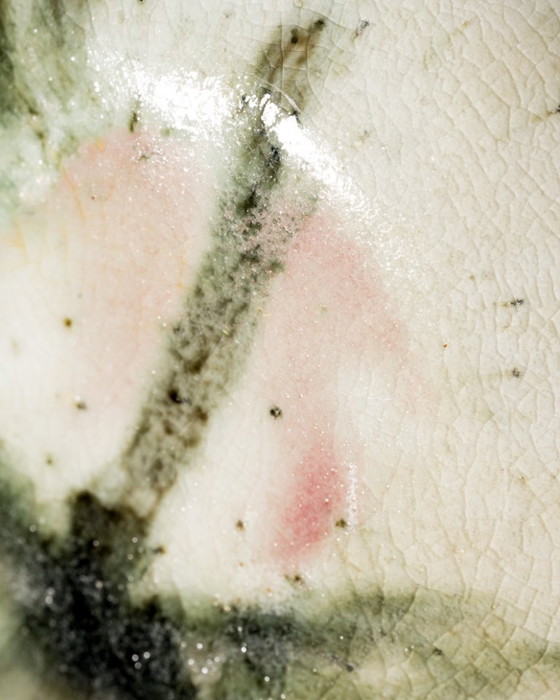
The interior unfolds in subtle layers of milky white, pale celadon, moss green, and smoky grey tones beneath a fine craquelé glaze. Painterly flowing brush-like movements drift across the basin almost like abstract landscape painting or mineral formations viewed from above. Depending on the light, the glaze reveals delicate crystalline depth and softly reflective surfaces.
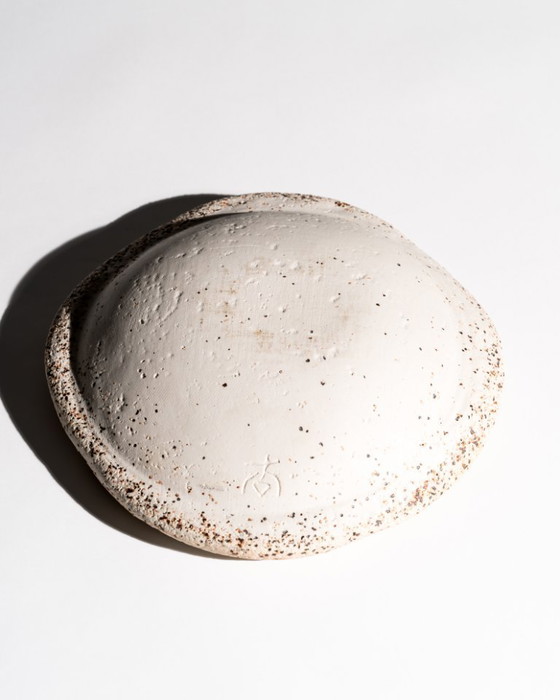
The exterior remains more restrained and matte in character, emphasizing the earthy quality of the clay body and the distinctly hand-worked nature of the object. This dialogue between rough and refined, raw and luminous, places the piece firmly within the tradition of late 20th-century European studio ceramics influenced by both Japanese aesthetics and modernist abstraction.
About the Artist
Monika Herbst worked in Kassel and belongs to the generation of German studio ceramicists who explored the intersection of vessel-making, sculpture, and painterly glaze experimentation during the second half of the 20th century.
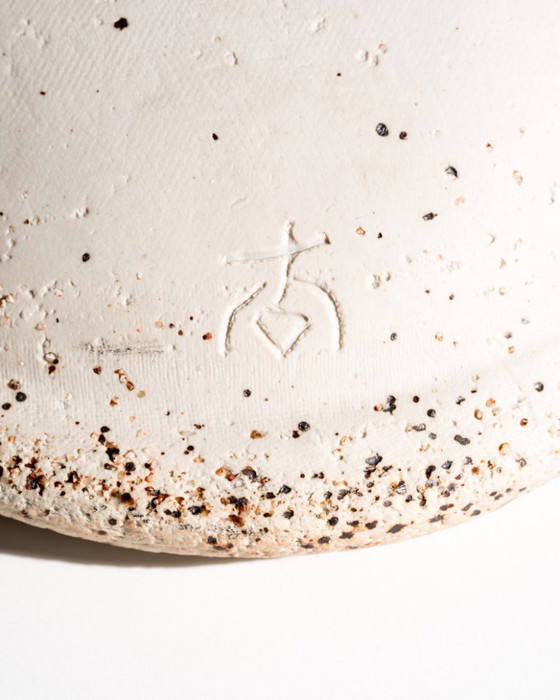
Her works are characterized by organic forms, subtle asymmetry, richly nuanced glazes, and an emphasis on tactile surface qualities. The incised “stick figure” signature seen on this bowl appears on several known works associated with her Kassel studio production.
Design & Materiality
This bowl exemplifies the movement away from industrial perfection toward expressive individuality that defined much European studio pottery after the 1960s. The heavily textured rim recalls volcanic stone or weathered geological formations, while the luminous interior introduces an almost meditative softness.
The result is an object that feels both primitive and refined — equally suited for display as sculptural ceramic art or for functional everyday use.
Details
Artist: Monika Herbst
Country: Germany (Kassel)
Period: Second half of the 20th century
Material: Clay and stoneware
Glaze: White, green, and grey craquelé glaze
Finish: Glossy interior with textured exterior rim
Form: Organic studio ceramic bowl
Markings: Incised signature / symbol mark to underside
Dimensions
Height: 7 cm
Diameter: approx. 25 cm
Width: 25 cm
Depth: 25 cm
Condition
Very good vintage condition with minor traces of age and handling consistent with studio ceramic production and age. No visible cracks or repairs observed. Minor irregularities and glaze variations are inherent to the handmade process and part of the artistic character of the piece. Please review photographs carefully.
Collector’s Note
Studio ceramics by Monika Herbst remain relatively little documented outside specialist circles, making surviving signed works increasingly appealing to collectors interested in German ceramic studio movements of the late 20th century.
This bowl is particularly compelling due to its balance between rugged volcanic texture and delicate painterly glazing — qualities that resonate strongly with contemporary wabi-sabi, organic modernist, and Japandi interiors.
GENERAL INFORMATION
Please explore our profile for more vintage vases!
International buyers: import duties or taxes, if applicable, are the buyer’s responsibility.
All items are photographed and described with care. Vintage pieces may show minimal traces of age; any significant flaws will be clearly mentioned.
Private sale under law: no returns, refunds, or warranties.
Specifications
ConditionVery goodColorsBeige, Creme, Green, Grey, Multi ColorMaterialCeramicNumber of items1Height7 cmWidth25 cmDepth25 cm
Discover more
Seller information
About this seller
Private sellerBerlin, GermanyOn Whoppah since August 2023 • 28 sales