Have it delivered hassle-freeBuyer protectionAll Designer items curated by WhoppahDownload the Whoppah App – get alerts & sell with ease.
Have it delivered hassle-free
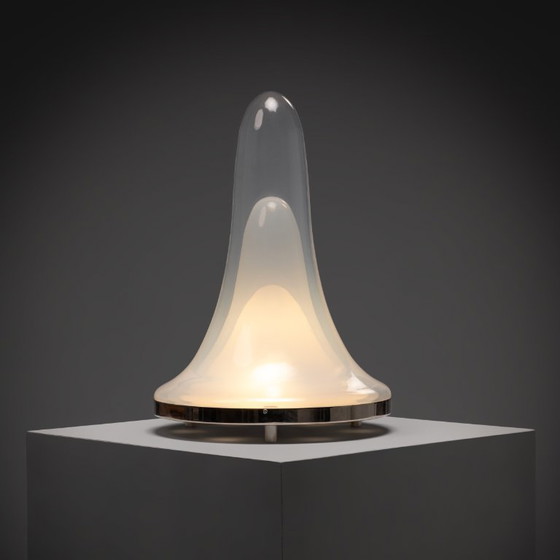
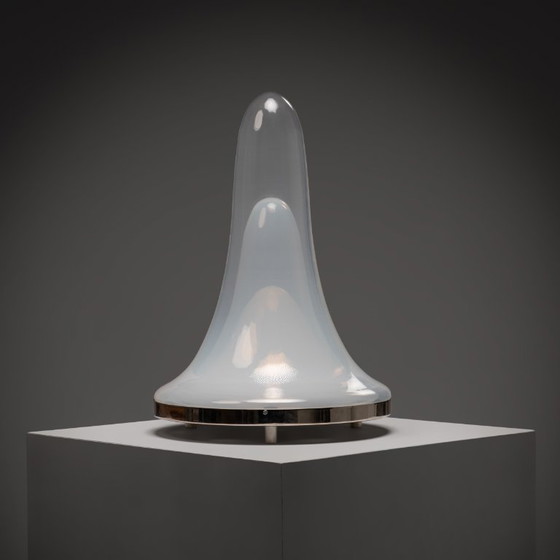
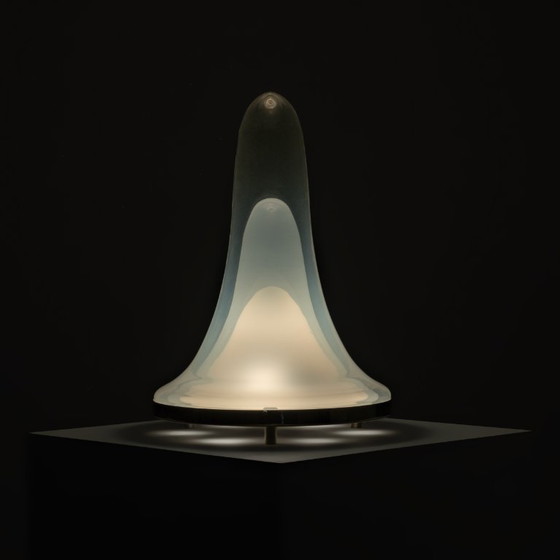
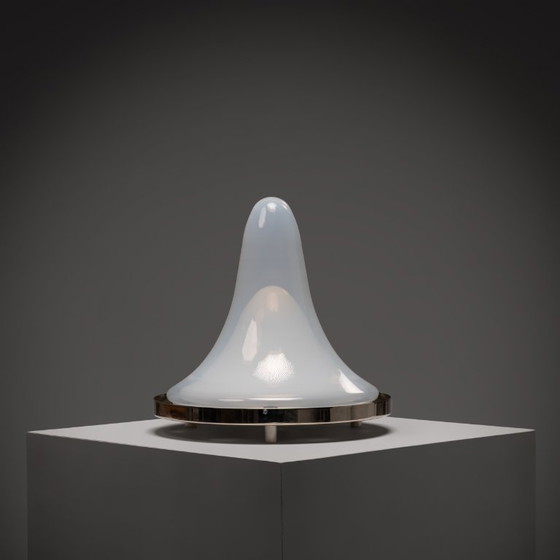
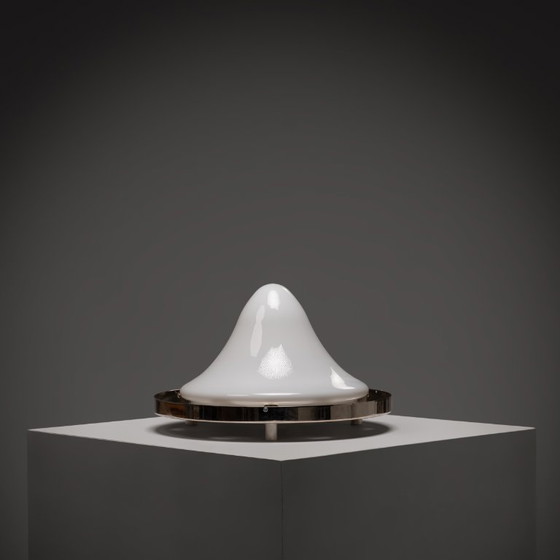
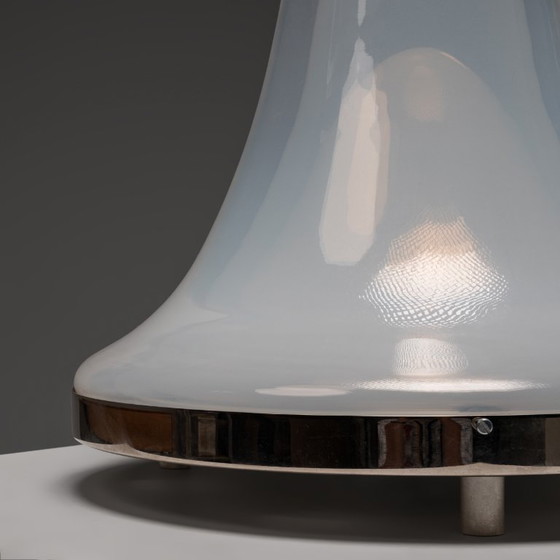
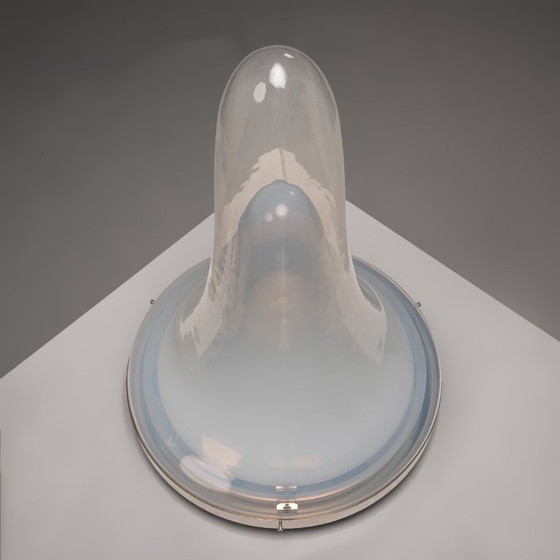
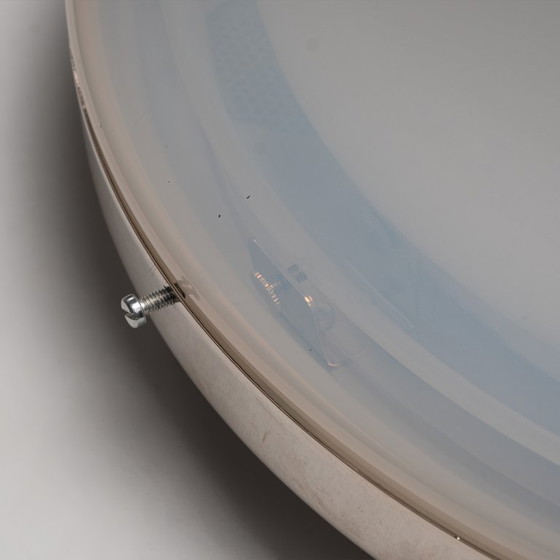
Model ‘LS144’ Table Lamp by Carlo Nason for Mazzega, Italy, 1969
€6,990Bid from €5,990
Curated
Buy with confidence
Shop & pay safely with Buyer ProtectionDesigner items curated by WhoppahWe only pay the seller once you have safely received the itemTrusted payment methods


About this seller
ProfessionalGorinchem, NetherlandsOn Whoppah since March 2023 • 8 sales
Product description
The Model LS144 lamp was designed by Carlo Nason for Mazzega in 1969. Created during an experimental period in Italian glass lighting, the design is defined by its sculptural silhouette and the interplay between multiple layers of opaline and translucent glass. Although originally designed as a ceiling light, this example is presented and used as a table lamp, allowing the sculptural qualities of the glass composition to be appreciated from a different perspective.
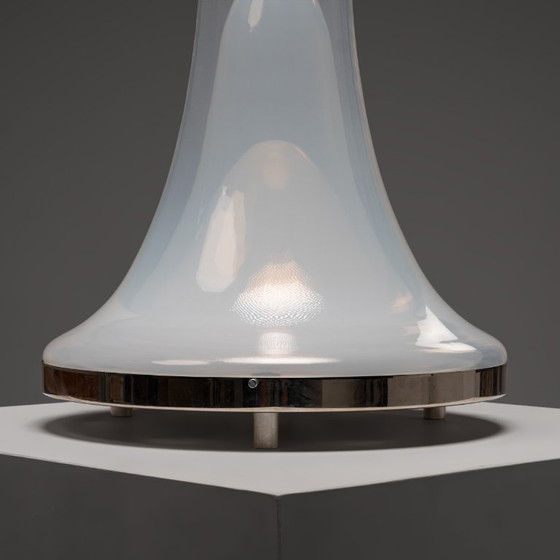
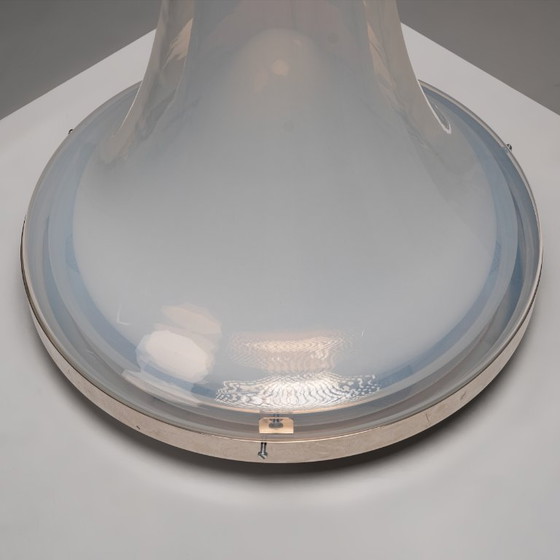
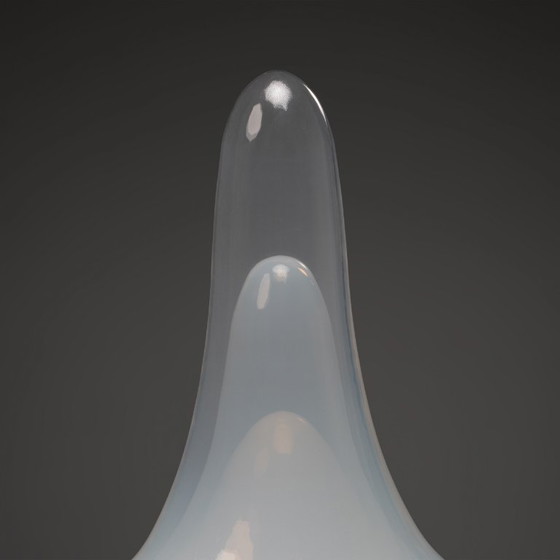
The lamp consists of three individually formed glass elements arranged concentrically on a circular metal base. Each follows the same fluid profile but differs in height, creating a layered composition that changes considerably depending on the viewing angle. The smallest inner element forms a softly rounded shape around the light source, while the second rises above it and the outer glass extends into a tall, slender peak.
When switched off, the overlapping glass creates subtle gradations of white, grey and transparency. Once illuminated, these layers become considerably more pronounced. Light passes through the different densities of glass, revealing the individual silhouettes within one another and producing a warm, diffused glow. The nested construction gives the lamp a sense of depth that is particularly apparent when viewed at eye level as a table lamp.
The organic forms of the glass contrast with the precise circular metal base, which visually anchors the composition while allowing the glass to remain the dominant element. Small feet raise the structure slightly above the surface, further separating the luminous glass form from its surroundings.
Carlo Nason (1935–) was born into a Murano glassmaking family and became known for applying the island’s traditional glassmaking expertise to increasingly modern and experimental forms. His lighting designs frequently explore the possibilities of blown glass through repetition, layering and variations in transparency. His work for Mazzega during the 1960s and 1970s resulted in a distinctive body of sculptural lighting.
The LS144 is a particularly expressive example of this approach. Rather than treating the glass simply as a shade, Nason uses three related forms to construct a layered luminous object whose appearance transforms when illuminated.
Reference: Reference: Carlo Nason Glass Designer 1959 - 2020, R. Chiesa & A. Zannoni, p. 132
Specifications
ConditionExcellentColorsTransparentMaterialGlassNumber of items1StyleVintageBrandMazzegaHeight58 cmWidth40 cmDepth40 cm
Seller information
About this seller
ProfessionalGorinchem, NetherlandsOn Whoppah since March 2023 • 8 sales