Have it delivered hassle-freeBuyer protectionAll Designer items curated by WhoppahDownload the Whoppah App – get alerts & sell with ease.
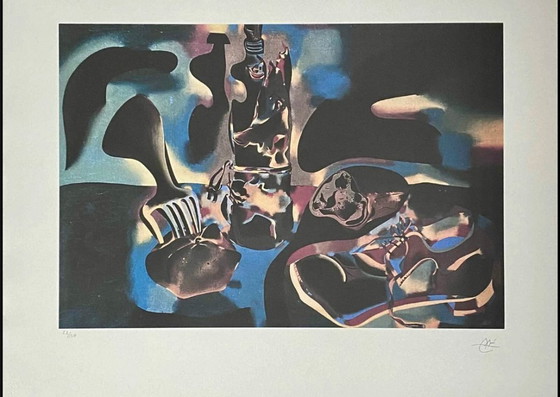
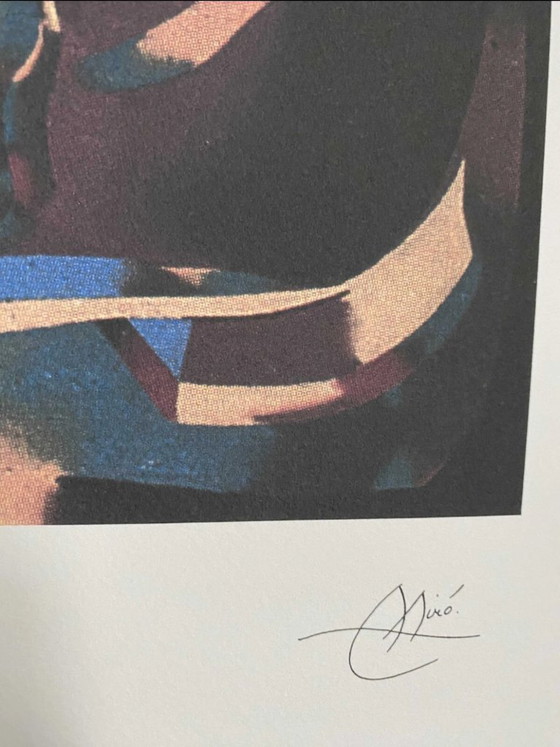
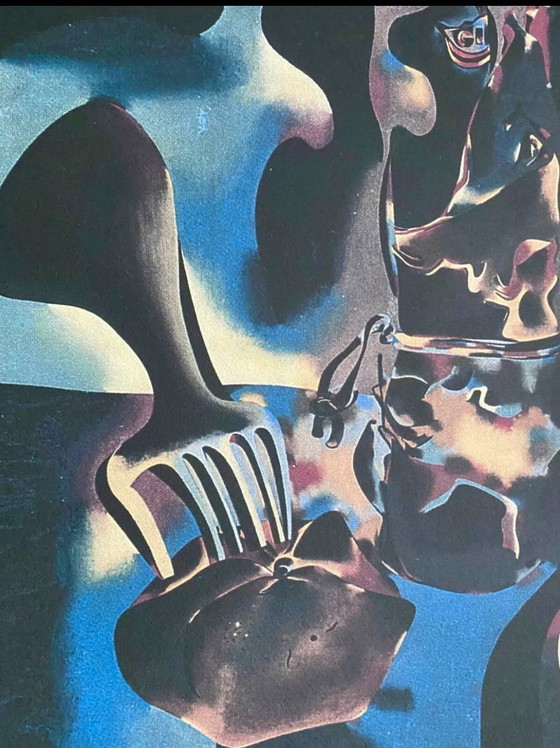
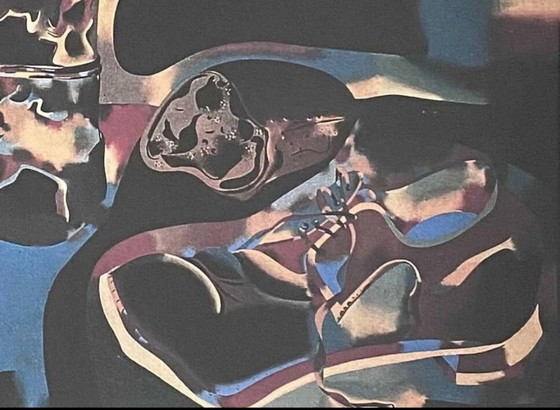
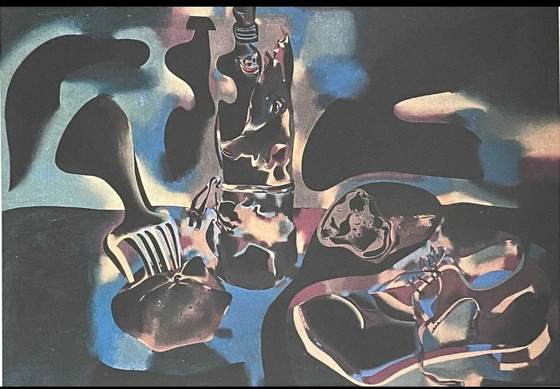
Joan Miró (1893-1983) - Still Life with old shoe
€105
Buy with confidence
Shop & pay safely with Buyer ProtectionDesigner items curated by WhoppahWe only pay the seller once you have safely received the itemTrusted payment methods


About this seller
ProfessionalGroningen, NetherlandsOn Whoppah since October 2025 • 12 sales
Product description
Joan Miró was a pioneering figure in 20th-century avant-garde painting. The Spanish artist's innovative use of line, organic forms, and color represents a significant contribution to Surrealism. Representing his ability to evoke evocative space, Miró's famous triptych, Blue I, II, II (1961), portrays a floating world composed solely of blue, orange, and black. "Little by little, I've reached the stage where I use only a small number of shapes and colors," the artist reflected. "It's not the first time people have painted with a very limited range of colors. The frescoes of the tenth century were painted like that." Born on April 20, 1893, in Barcelona, Spain, the artist initially studied business before defying his parents and enrolling in the art academy in his native city. In 1919, Miró moved to Paris, where he became involved in the Surrealist movement and befriended André Breton, Max Ernst, Jean Arp, and André Masson. Miró's work had a profound influence on several American painters, including Arshile Gorky and Mark Rothko. The artist died on December 25, 1983 at the age of 90 in Palma de Mallorca, Spain. Currently, his works are held in the collections of the Art Institute of Chicago, the Museum of Modern Art in New York, the Tate Gallery in London, and the Fundació Joan Miró in Barcelona, a museum dedicated to the artist and his legacy. Type of work: Lithograph Framed: No Size: 78 x 57 cm (h x w) Signature: Hand signed Condition: Good condition Edition: 121/150 Publisher: S.P.A.D.E.M.
Specifications
ConditionExcellentColorsGreen, Red, YellowMaterialPaperNumber of items1ArtistsJoan MiroOrientationPortraitArt sizeMediumHeight78 cmWidth57 cm
Discover more
Seller information
About this seller
ProfessionalGroningen, NetherlandsOn Whoppah since October 2025 • 12 sales