Have it delivered hassle-freeBuyer protectionAll Designer items curated by WhoppahDownload the Whoppah App – get alerts & sell with ease.
Have it delivered hassle-free
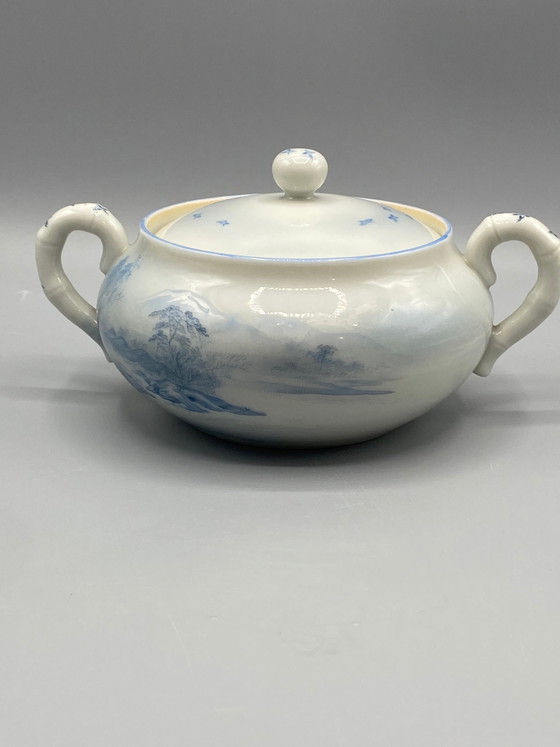
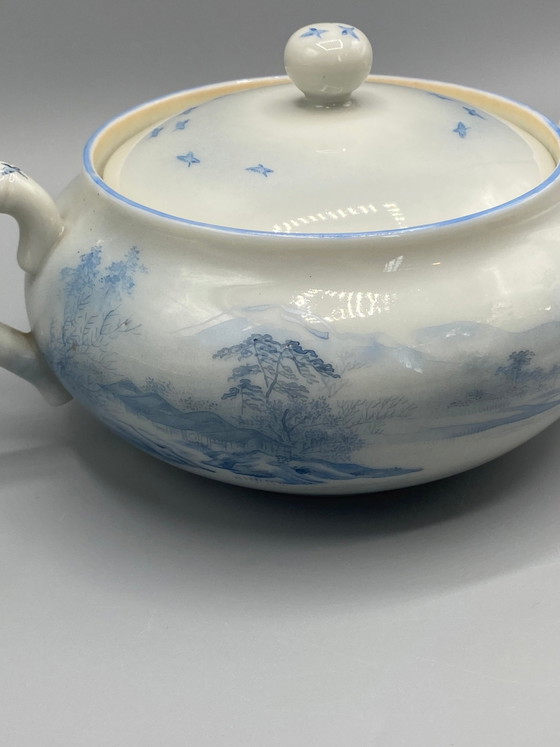
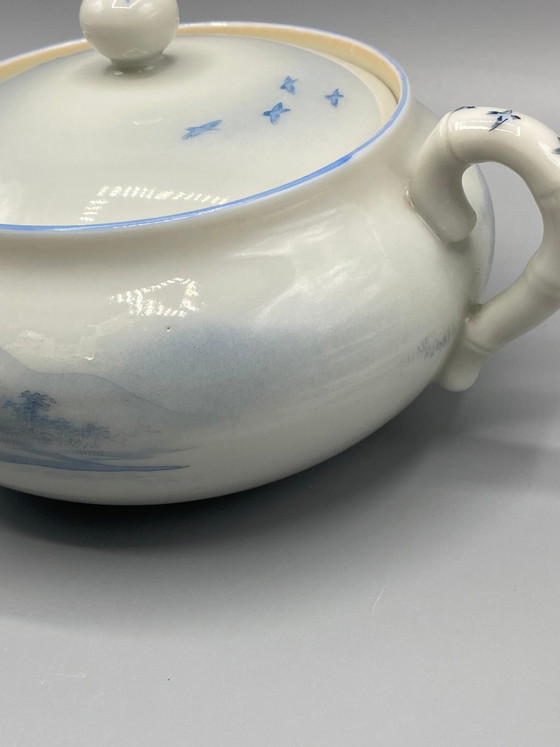
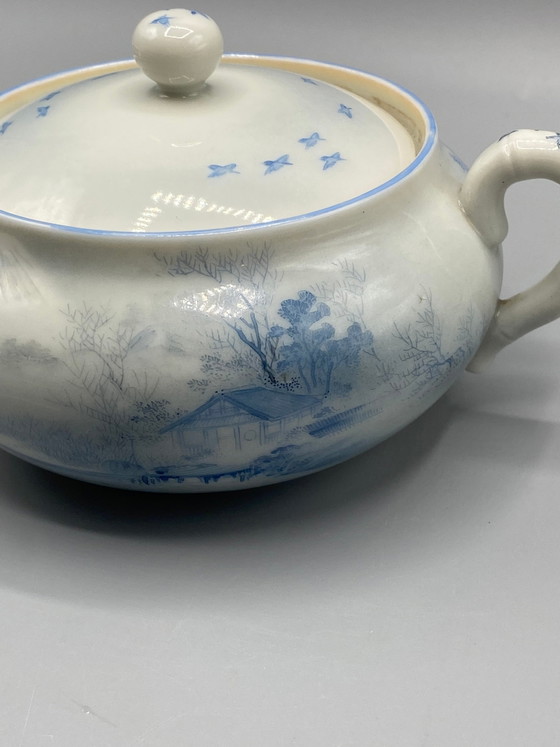
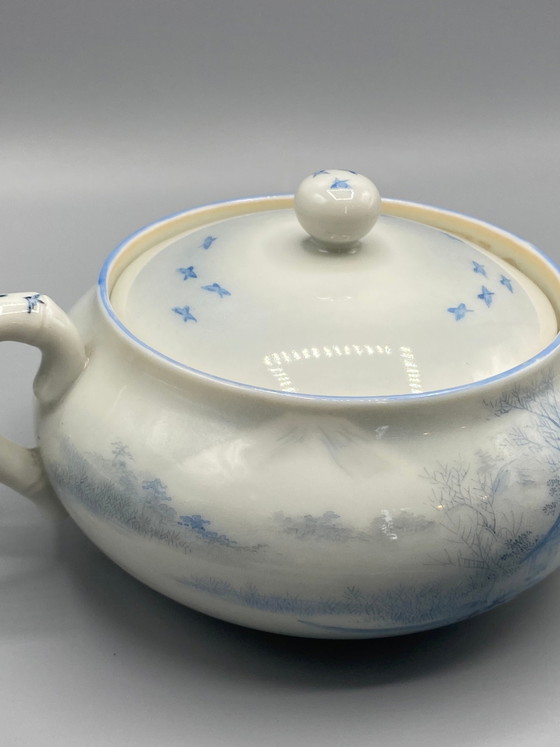
Japanese Porcelain Sugar Bowl – Blue and White Mount Fuji Landscape – Dai Nippon Meiji Era
€75Bid from €67.50
Buy with confidence
Shop & pay safely with Buyer ProtectionDesigner items curated by WhoppahWe only pay the seller once you have safely received the itemTrusted payment methods


About this seller
ProfessionalProduct description
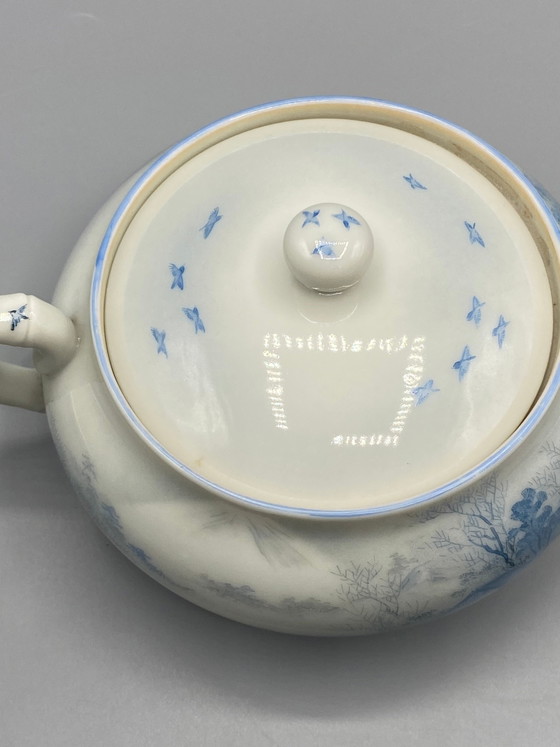
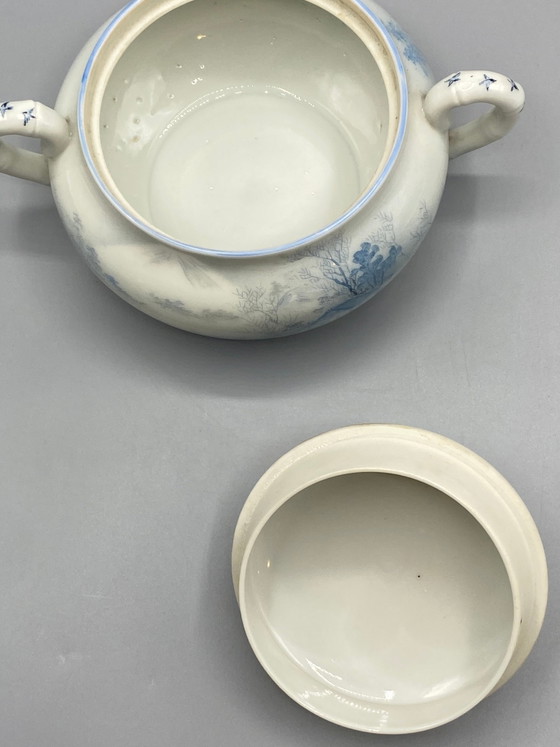
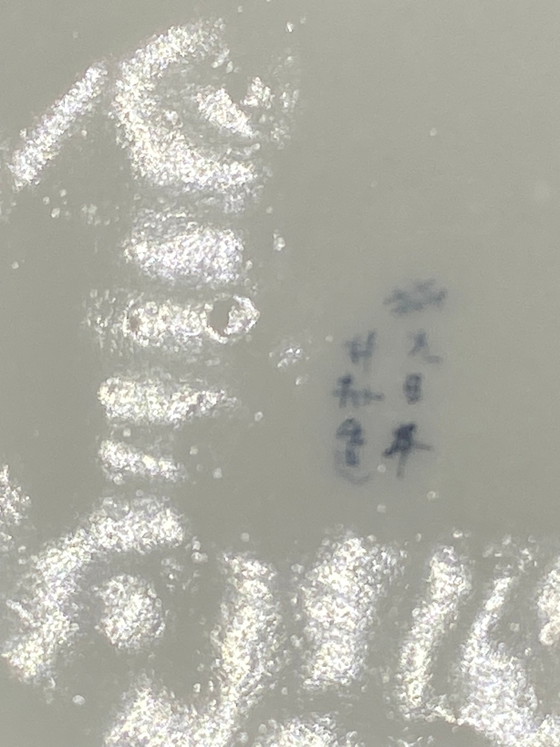
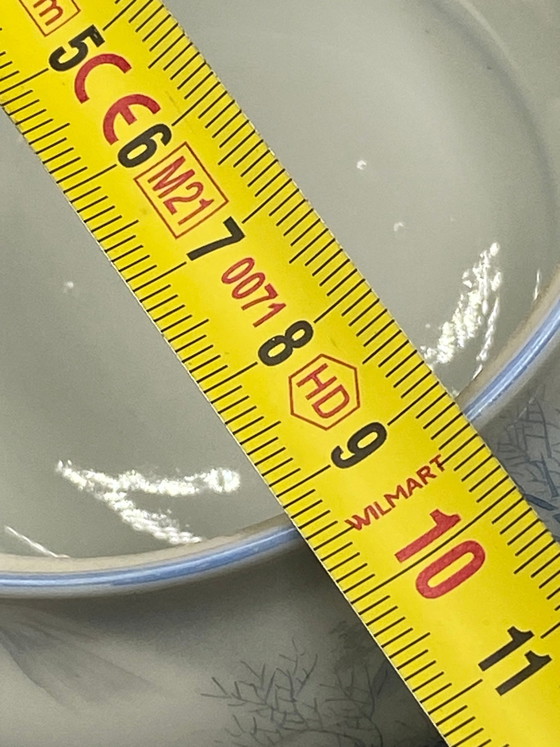
At the end of the 19th century, during the Meiji era, Japan opened up to the world, while its porcelains began to exert an extraordinary fascination over the West. With them travelled an entire imagery of mist-shrouded mountains, houses by the water's edge, pine trees, and birds. This sugar bowl belongs to that era and to the same Japanese series as the previously presented pieces. Beneath its base appears the same "Dai Nippon," or "Great Japan," mark, which accompanied this production from the late Meiji era, around . On the slightly ivory porcelain unfolds a landscape of great softness. Traditional houses appear among the trees, the riverbanks gradually fade, and in the distance, Mount Fuji emerges, almost absorbed by the mist. The blue seems to have been used like ink. Deeper when it depicts a branch, a rooftop, or the foreground, it lightens as the eye moves away, becoming almost transparent in the mountains. The whiteness of the porcelain thus fully participates in the landscape, becoming in turn sky, water, and mist. The lid holds one of the most beautiful details of the piece. Around its round finial, a flock of small birds takes flight. A few reappear on the handles, creating a delicate link between the sky and the landscape surrounding the body. This way of never over-decorating, of leaving space for emptiness and suggesting more than showing, gives this porcelain all its poetry. Simply turn the sugar bowl gently for the landscape to change, and for architectures, trees, mountains, and horizons to follow one another. Height approximately 11 cm. Very pleasing antique condition, with the discreet traces and irregularities of time visible in the photographs.
Additional details:
- Brand: 20eSiecle
- Style: Japonais
- Style: Meiji
- Colour: Ivoire
- Period: Époque Meiji ( )
Specifications
ConditionGoodColorsWhite, BlueMaterialPorcelain
Discover more
Seller information
About this seller
ProfessionalSaint symphorien des bois, FranceOn Whoppah since August 2026 • 0 sales