Have it delivered hassle-freeBuyer protectionAll Designer items curated by WhoppahDownload the Whoppah App – get alerts & sell with ease.
Have it delivered hassle-free
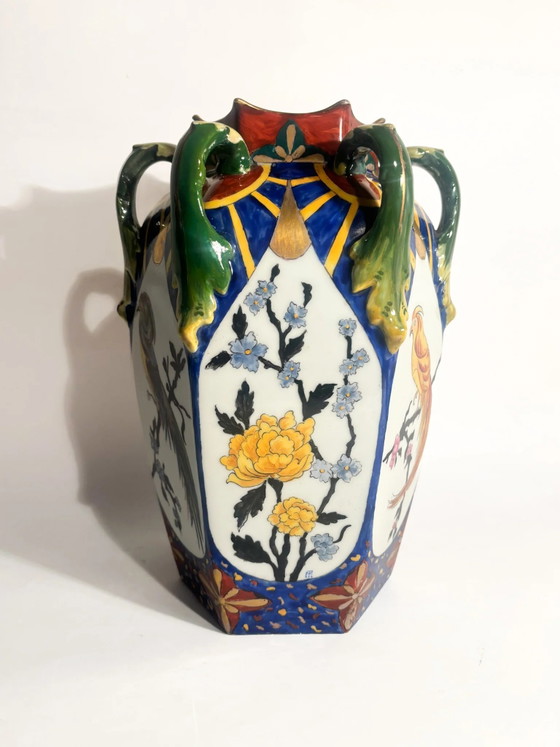
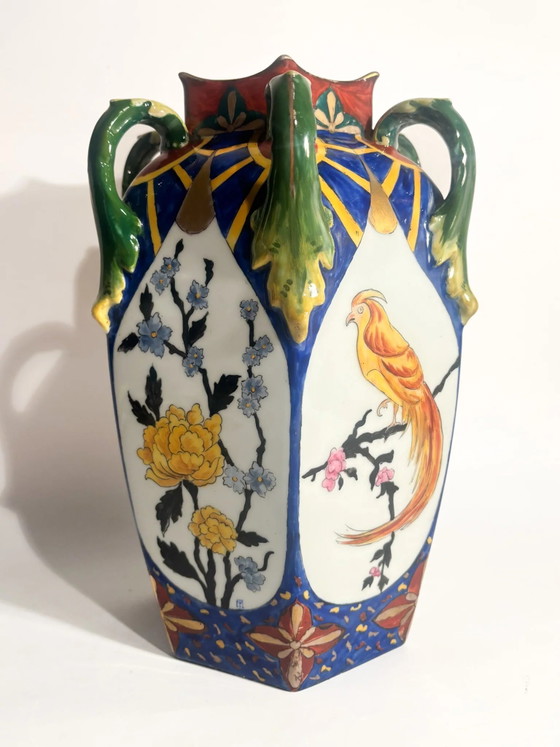
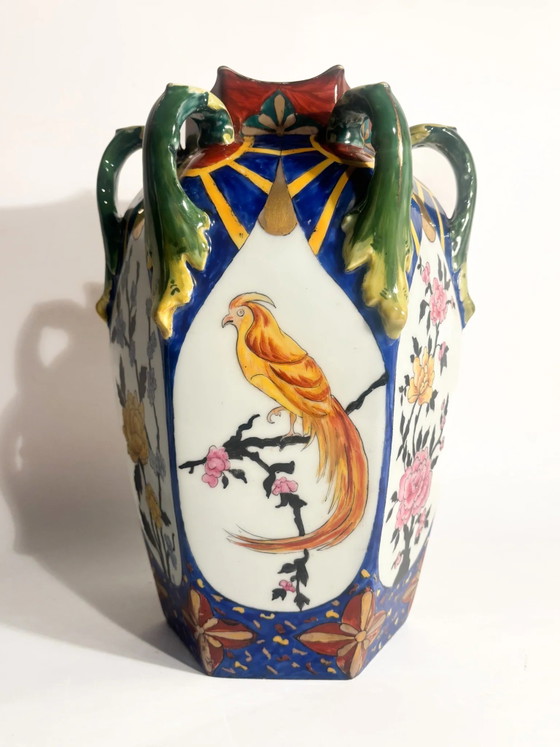
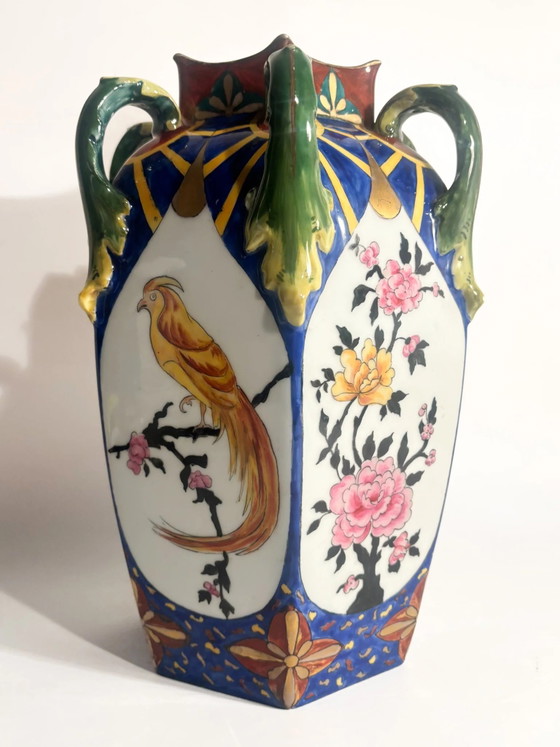
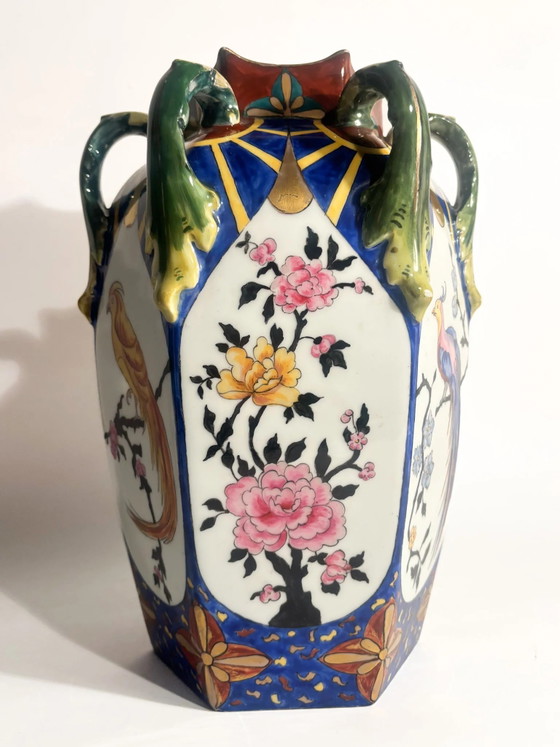
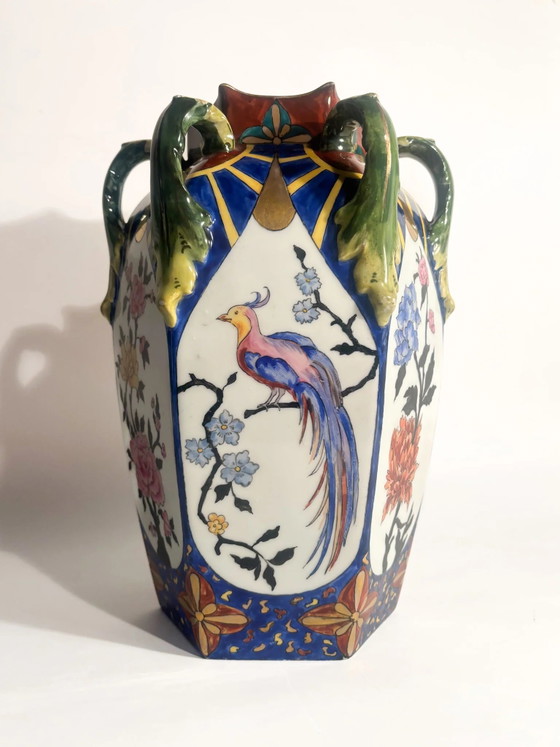
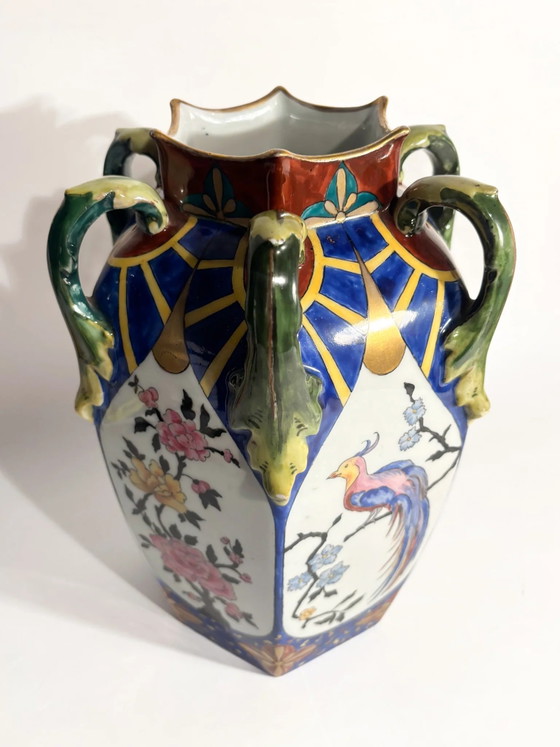
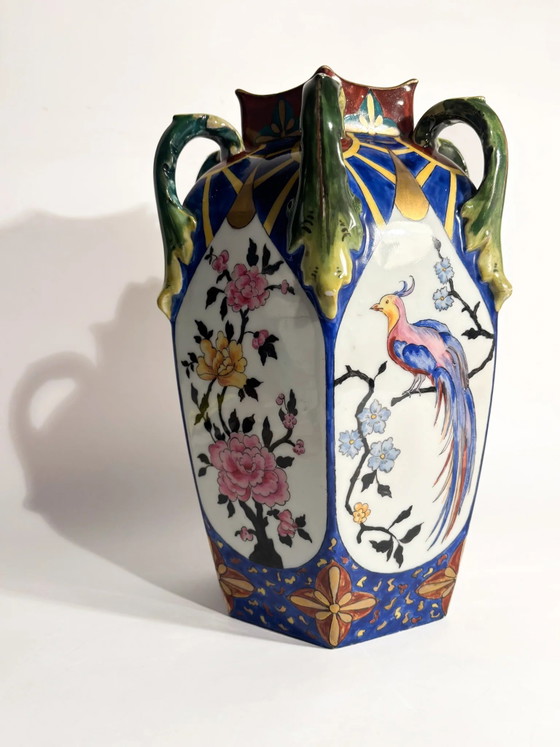
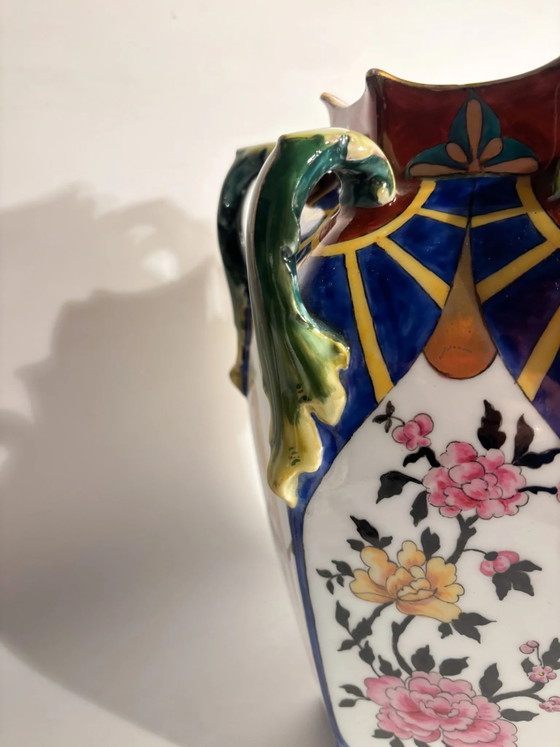
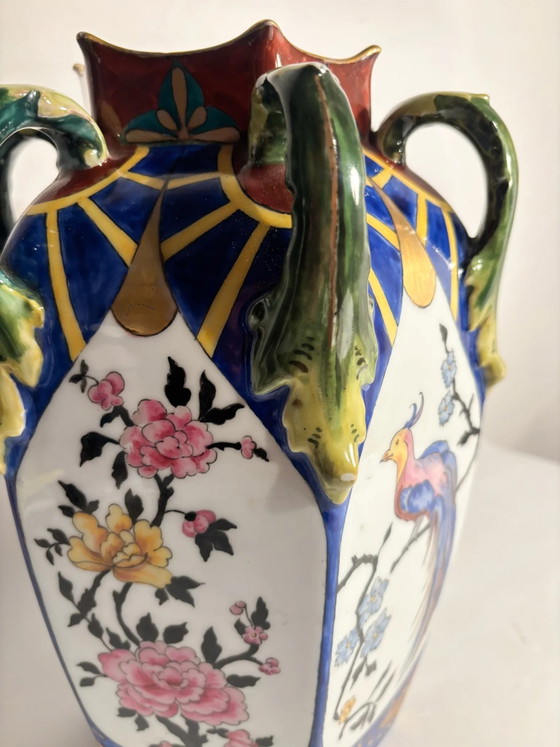
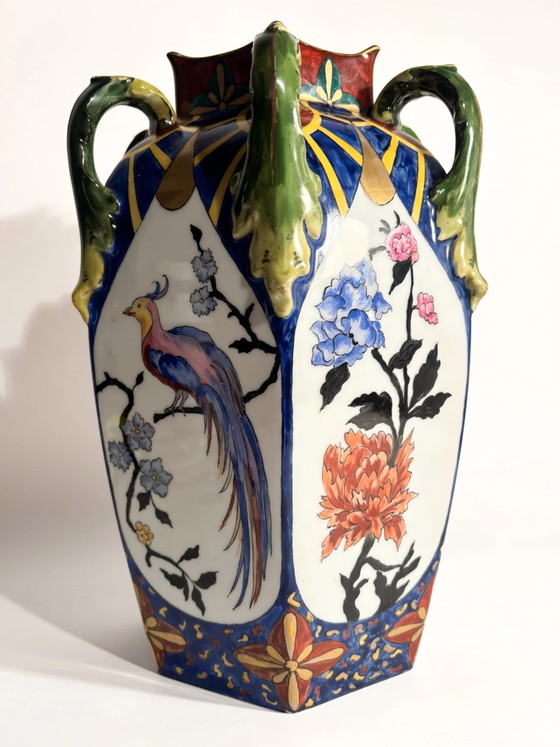
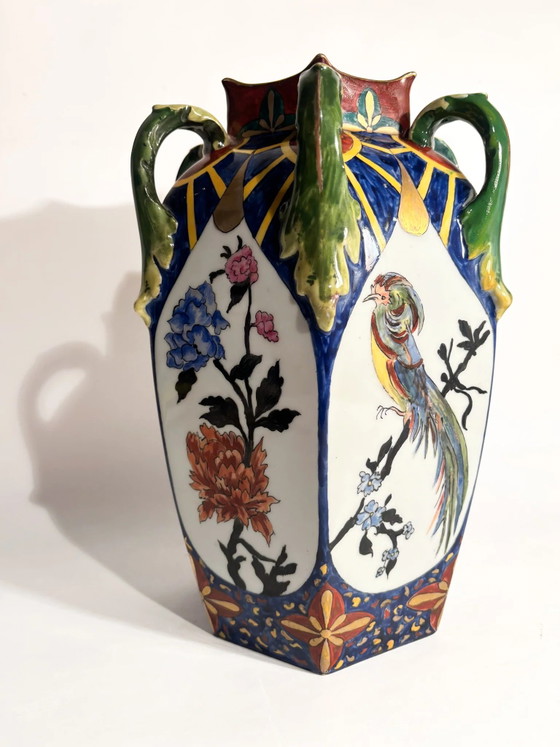
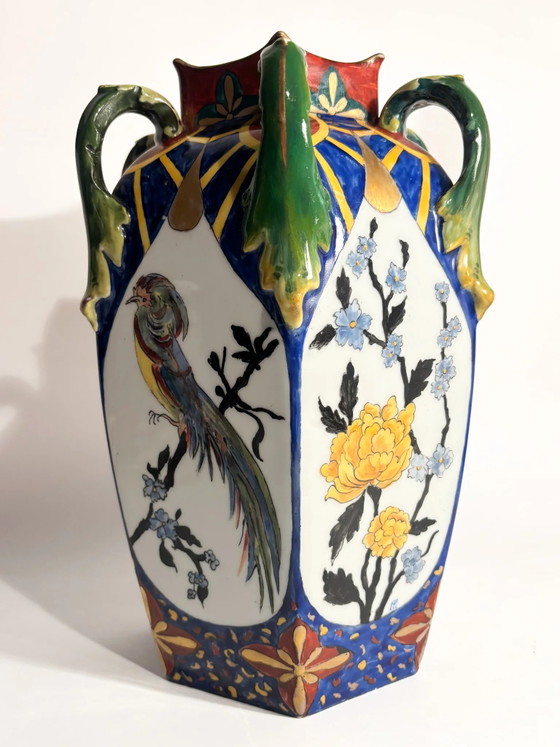
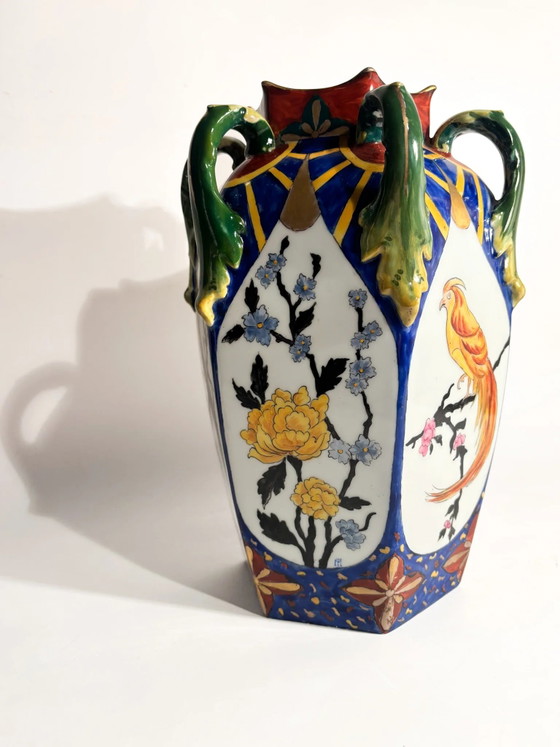
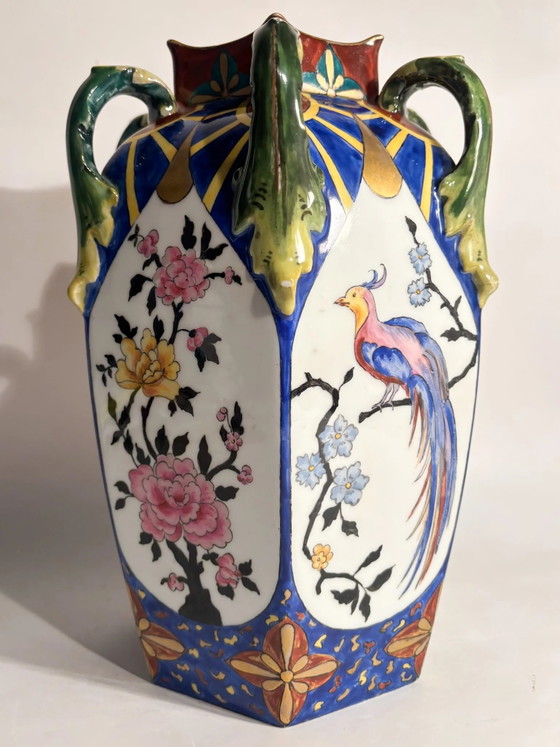
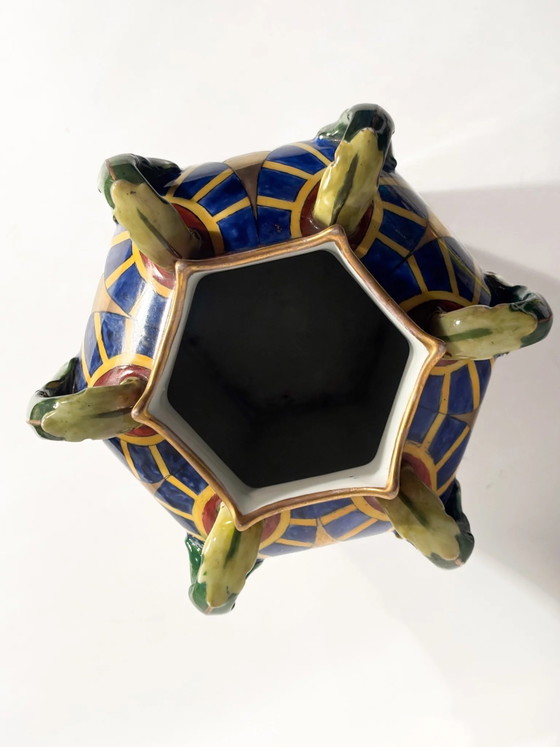
Czechoslovakian Ceramic Vase with Handles and Floral Motifs 1960s
€240Bid from €216
Buy with confidence
Shop & pay safely with Buyer ProtectionDesigner items curated by WhoppahWe only pay the seller once you have safely received the itemTrusted payment methods


About this seller
ProfessionalProduct description
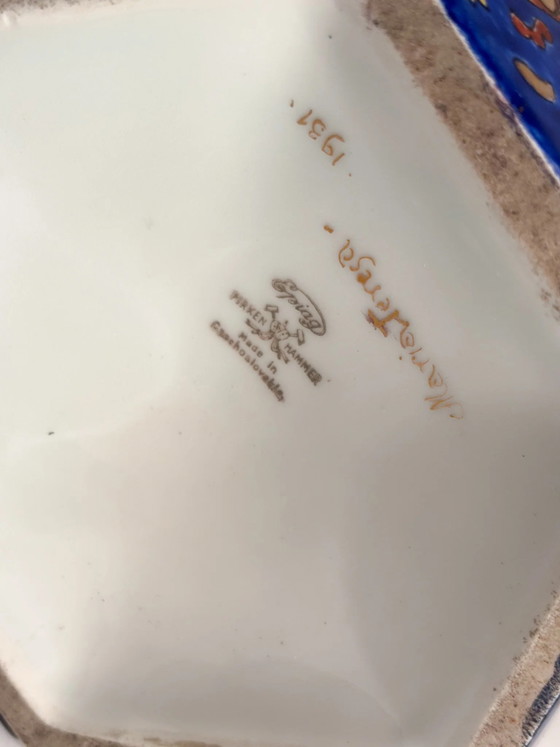
Czechoslovakian ceramic vase with handles and hand-painted floral motif, made in the 1960s. Diameter 22 cm, height 30 cm. Founded in 1803 in Pirkenhammer (then Bohemia, Austrian Empire, today Březová in the Czech Republic), near the famous spa town of Karlovy Vary (Carlsbad), this manufacture was for almost two centuries synonymous with "porcelain for the aristocracy." Founded by Friedrich Höcke, the factory reached the pinnacle of success and technical quality under the management of Christian Fischer and, subsequently, his son-in-law Ludwig von Mieg (the golden age is often identified with the Fischer & Mieg brand). The quality of Pirkenhammer porcelain was so extraordinary that in the 19th century the company became the official supplier to the imperial court of Vienna (Habsburg). Pirkenhammer won gold medals at almost all the Great Universal Exhibitions of the 19th century (Paris, Vienna, London), competing directly with giants like Sèvres and Meissen for the purity of its paste. Pirkenhammer's production stands out for its exceptional stylistic metamorphosis, following (and often anticipating) the taste of each era. Dinner and tea sets were crafted from translucent and extremely thin white porcelain. The decorations are opulent: broad fields of agate-burnished pure gold, miniature portraits freehand painted with millimeter precision, and rich floral motifs. Under the artistic direction of masters of the Bohemian and Viennese avant-garde, Pirkenhammer revolutionized forms. Vases and cups took on organic, sinuous lines, with handles that resembled plant stems. Also famous are the porcelains decorated with ethereal female figures and glazes with blended pastel tones.
Additional details:
- Brand: Pirkenhammer
- Period: 1960s
Specifications
ConditionGoodMaterialPorcelain, Ceramic
Discover more
Seller information
About this seller
ProfessionalMilano, ItalyOn Whoppah since July 2026 • 0 sales