Have it delivered hassle-freeBuyer protectionAll Designer items curated by WhoppahDownload the Whoppah App – get alerts & sell with ease.
Have it delivered hassle-free
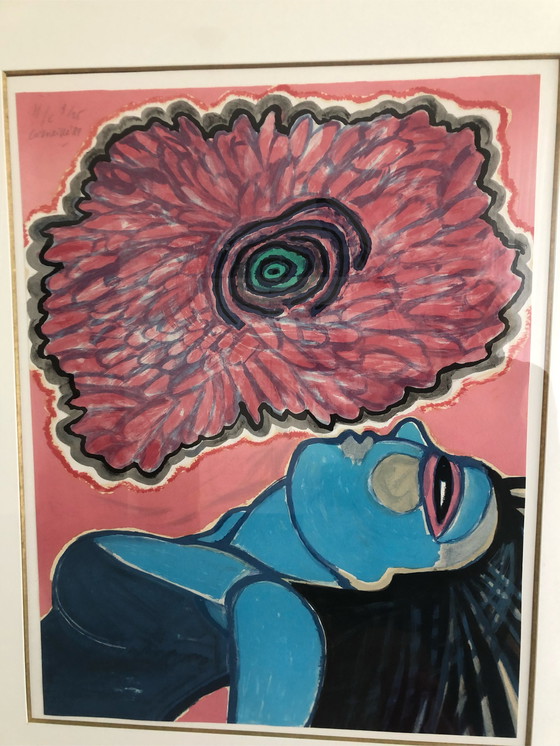
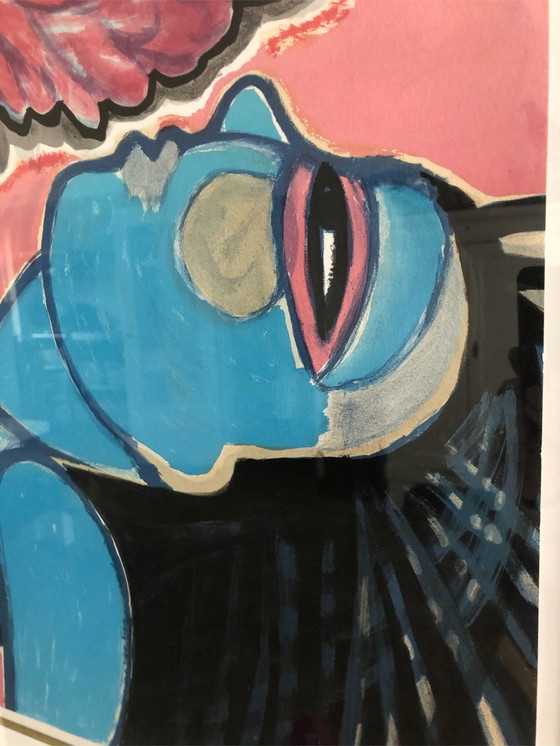
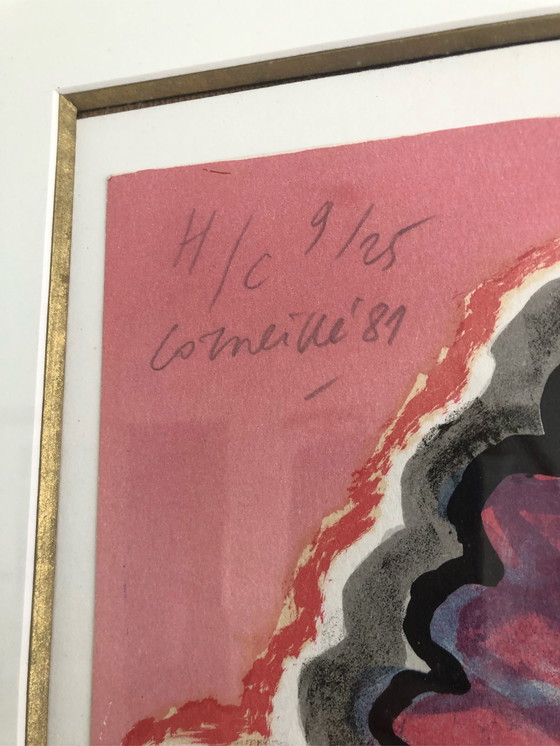
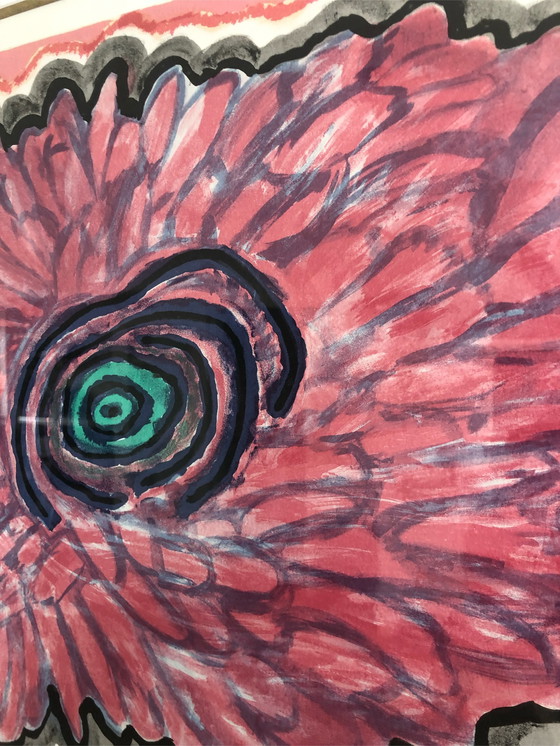
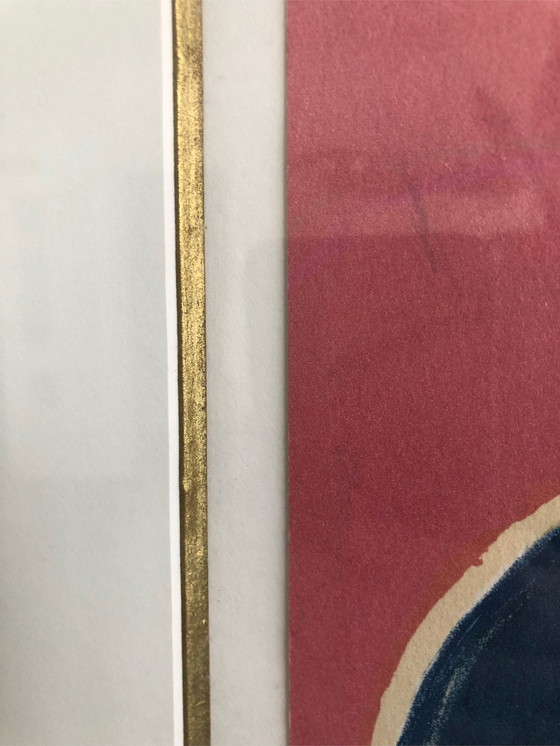
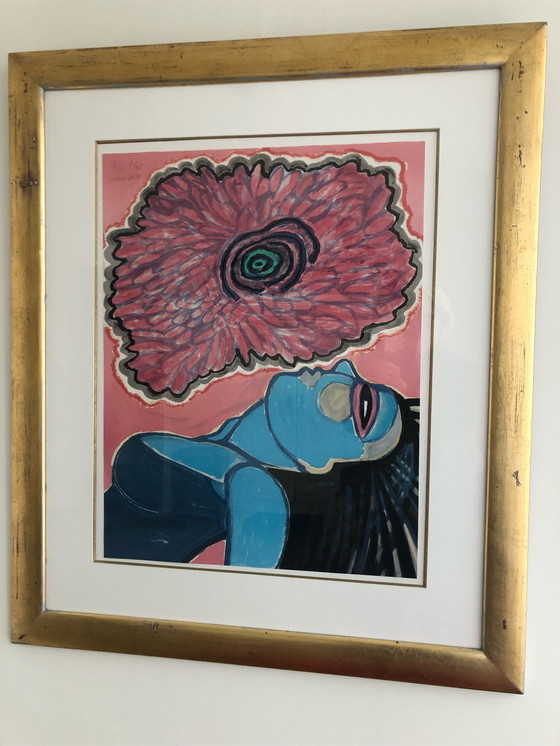
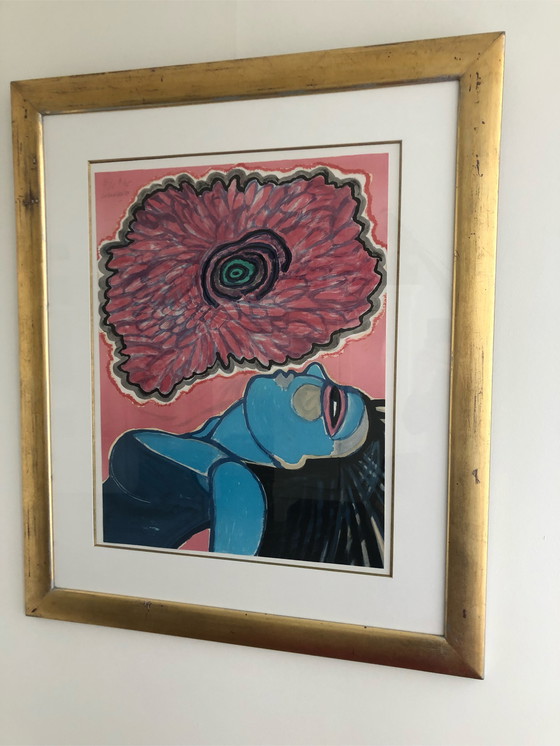
Corneille Silkscreen woman
€3,500Bid from €2,750
Buy with confidence
Shop & pay safely with Buyer ProtectionDesigner items curated by WhoppahWe only pay the seller once you have safely received the itemTrusted payment methods


About this seller
Private sellerBleiswijk, NetherlandsOn Whoppah since April 2020 • 2 sales
Product description
Beautiful screen print 9/25 by Corneille. An incredibly beautiful framed piece. Original purchase intention is present.
The Dutch painter and poet Corneille primarily depicted joy. In later years, this joy was also commercially exploited. Images by Corneille were used to decorate tableware, ties, and other commercial products. This decorative work by the celebrated Cobra artist was approached critically by the art world. With his popularity, he overshadowed his fellow Cobra artists Karel Appel and Constant in the Netherlands. In any case: Corneille was a popular and one of the most important post-war Dutch artists.
Cobra
Corneille was born on July 3, 1922, in Liège as Corneille Guillaume Beverloo. Although the artist was born in Belgium, he holds Dutch nationality. He had Dutch parents. Corneille spent his childhood in Haarlem, where he studied at an advertising school. His father was an engineer and did not understand his choice of art. The decision to become an artist caused a definitive break with his parental home. Corneille moved to Amsterdam, where he studied at the Rijksacademie in Amsterdam starting in 1943. During these years of study, he met Karel Appel.
Corneille's work from the war years appears to be inspired by Joan Miró. The paintings displayed wild colors and forms. Corneille had his first solo exhibition in Groningen in 1946. He traveled with Karel Appel to Liège, where he met artists of the Jeune Peinture Belge. A year later, he exhibited with Karel Appel in Amsterdam.
Cobra
Corneille stood at the cradle of free painting in Europe. In 1948, he also met Constant and, together with others, founded the Dutch Experimental Group and later Cobra. Cobra was founded by the Belgians Christian Dotremont and Joseph Noiret, the Dane Asger Jorn, and the Dutch Karel Appel, Constant, and Corneille. The name Cobra refers to the international element of this art movement. The abbreviation stands for Copenhagen, Brussels, and Amsterdam, the capitals of the countries from which most Cobra artists originated.
In 1948, he settled in Paris. For Corneille, the Cobra era was primarily characterized by experimentation. Art had to be naive and, above all, spontaneous. The academic and intellectual approach was rejected by the Cobra artists. They drew inspiration mainly from children's drawings, primitive folk art, and 'outsider art,' art created by mentally ill artists. This 'naive' art form is seen by art critics as a reaction to the horrors and arbitrariness of the Second World War.
His work can be seen at
Specifications
ConditionExcellentColorsMint, Blue, Black, PinkMaterialCeramicNumber of items1ArtistsCorneilleOrientationPortraitArt sizeMediumHeight96 cmWidth82 cmDepth3 cm
Discover more
Seller information
About this seller
Private sellerBleiswijk, NetherlandsOn Whoppah since April 2020 • 2 sales