Have it delivered hassle-freeBuyer protectionAll Designer items curated by WhoppahDownload the Whoppah App – get alerts & sell with ease.
Have it delivered hassle-free
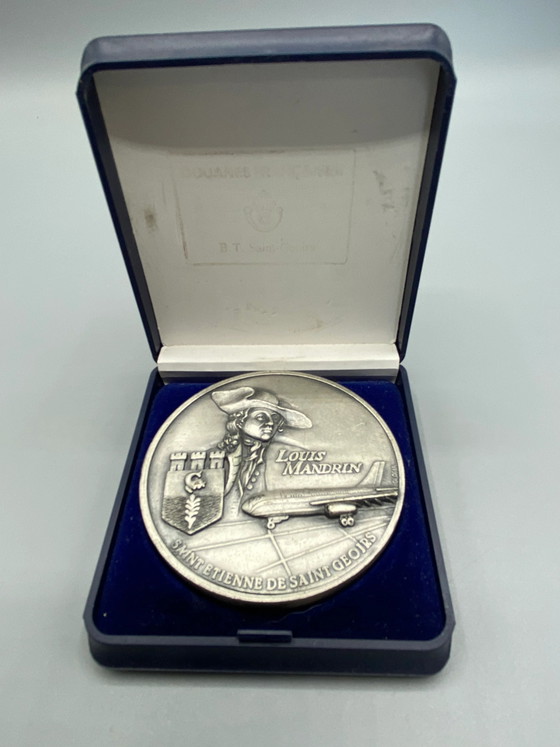
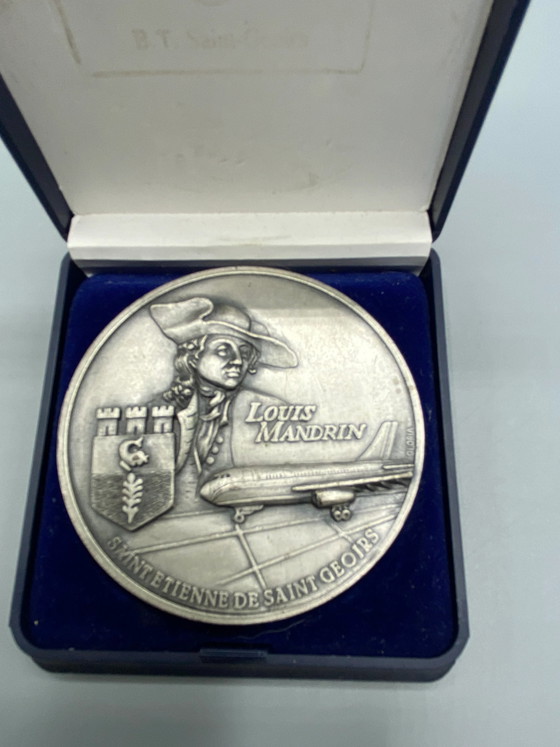
Commemorative medal – Grenoble-Saint-Geoirs Airport inauguration – Louis Mandrin – 1968 Olympic Games
€59Bid from €53.10
Buy with confidence
Shop & pay safely with Buyer ProtectionDesigner items curated by WhoppahWe only pay the seller once you have safely received the itemTrusted payment methods


About this seller
ProfessionalProduct description
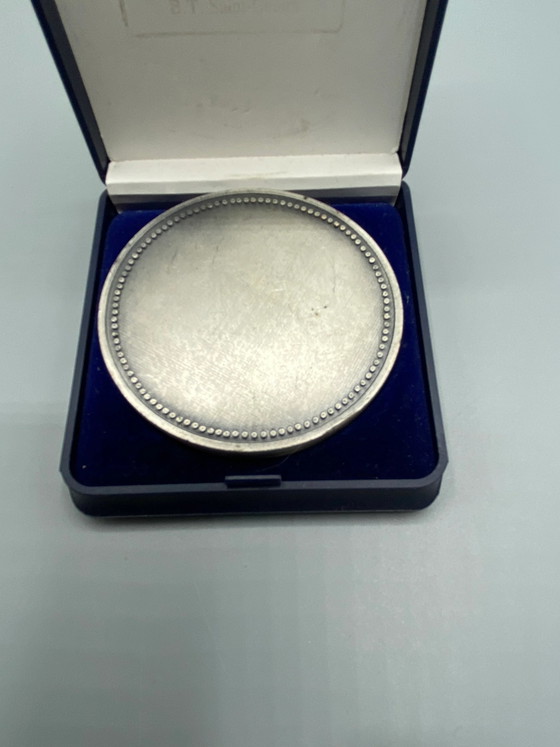
A medal that alone tells a piece of Dauphiné's history, at a time when Grenoble and its region entered the world's spotlight. Made of silvered bronze, this important commemorative medal is linked to the inauguration of the new Grenoble-Saint-Geoirs airport in 1968, in the context of the major developments undertaken for the Grenoble Winter Olympics. Its design intelligently brings together ancient history and modernity. In the foreground appears Louis Mandrin, born in Saint-Étienne-de-Saint-Geoirs in 1725, who became one of the most famous figures of French smuggling in the 18th century. Beside him are the coat of arms of the commune, while an airliner evokes this new aerial gateway opened to Grenoble and the Alps. This medal gains an additional dimension from its case, which bears the stamp of the Saint-Geoirs Customs administration. Everything thus suggests that this particular example was presented as part of the inauguration of the new platform, in connection with the establishment of the customs services destined to operate there. The juxtaposition is particularly ironic. To accompany the opening of an airport equipped with its customs services, Saint-Geoirs chose to feature Mandrin, its most famous smuggler, on its medal. Two centuries separate the men, but local history itself provides the ironic touch. The silvered bronze offers a beautiful depth to the design. Its old silver-toned patina highlights the relief of Mandrin's portrait, the plane, and the coat of arms, while its substantial weight immediately gives the impression of a high-quality medal in hand. Preserved with its old stamped case, this ensemble testifies to the inauguration of Saint-Geoirs airport, the Olympic year 1968, and the establishment of the administrations necessary for the functioning of this new international platform. A singular historical piece, where Louis Mandrin, modern aviation, and the administration responsible for monitoring borders meet with a certain irony.
Additional details:
- Brand: 20eSiecle
- Material: bronze argenté
- Colour: vieil argent
- Period: 1968
Specifications
ConditionGoodColorsSilver
Discover more
Seller information
About this seller
ProfessionalSaint symphorien des bois, FranceOn Whoppah since August 2026 • 0 sales