Have it delivered hassle-freeBuyer protectionAll Designer items curated by WhoppahDownload the Whoppah App – get alerts & sell with ease.
Have it delivered hassle-free
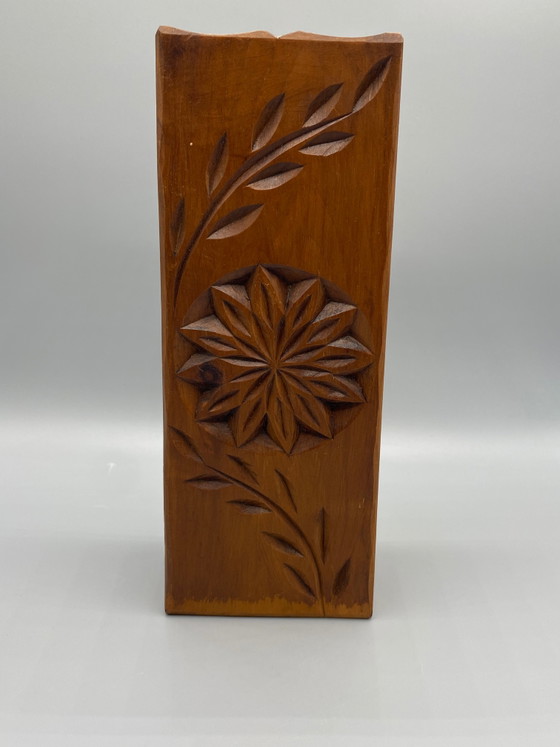
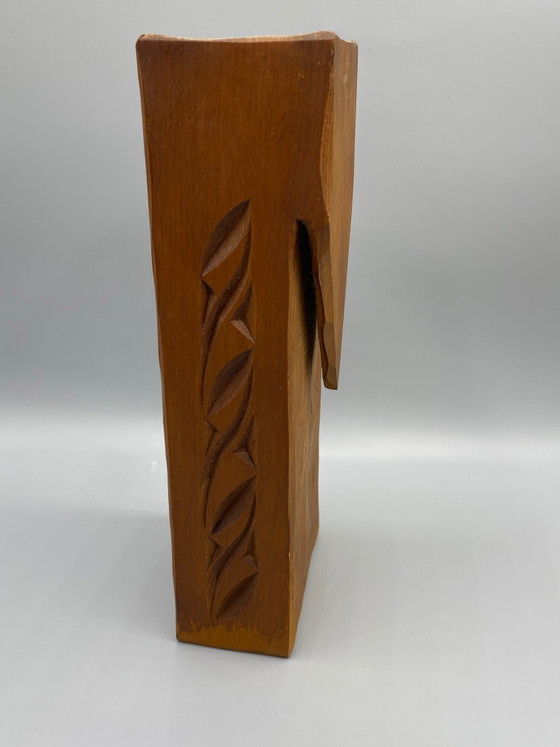
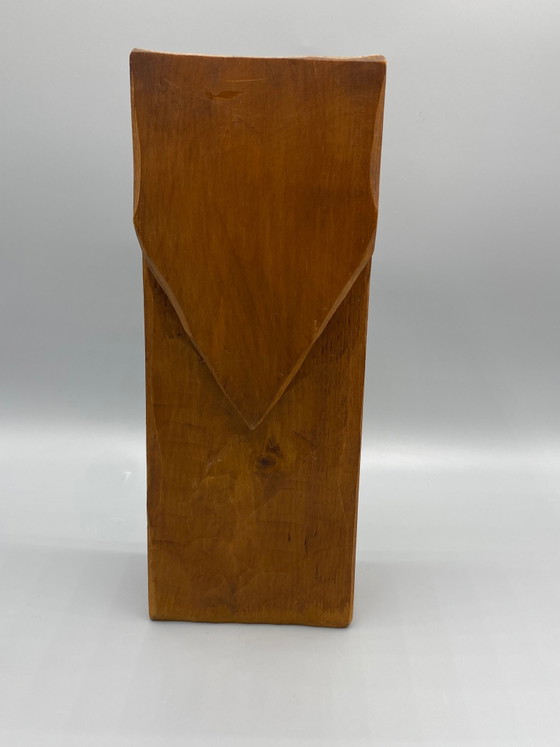
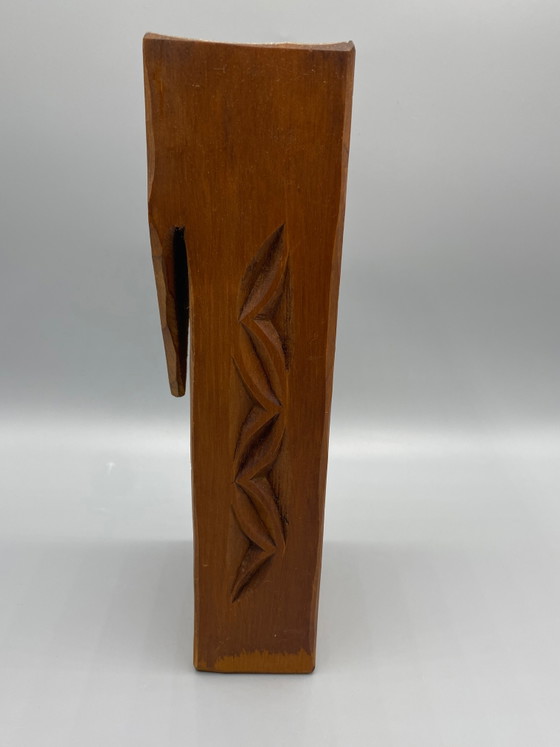
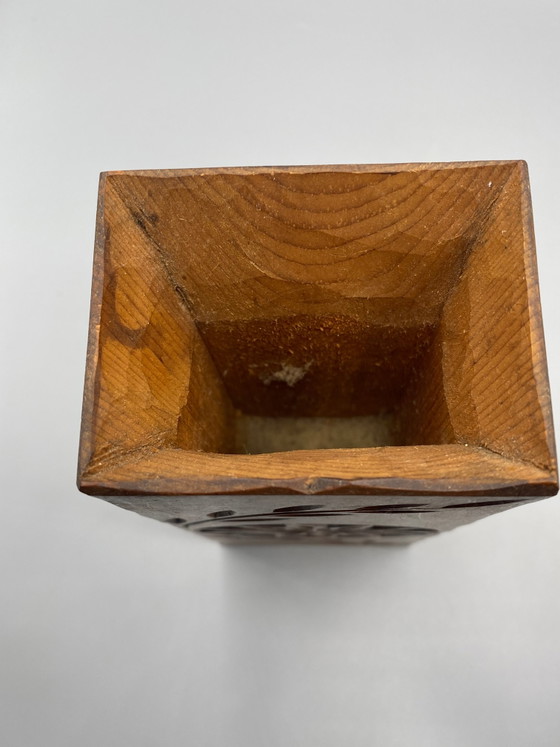
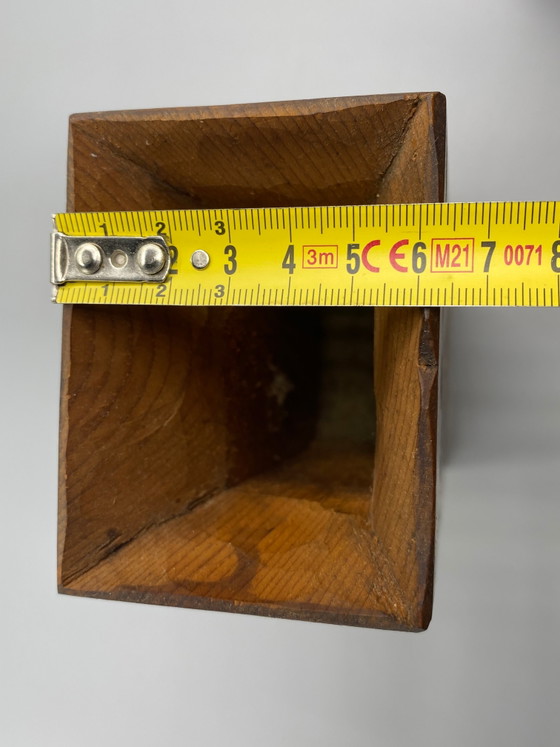
Carved Wooden Reaper Coffin – Rural Folk Art
€79Bid from €71.10
Buy with confidence
Shop & pay safely with Buyer ProtectionDesigner items curated by WhoppahWe only pay the seller once you have safely received the itemTrusted payment methods


About this seller
ProfessionalProduct description
Before the mechanization of the countryside, mowing was a matter of precise movements, patience, and skill. In the meadows, the mower advanced with his scythe and carried an indispensable companion on his belt: the whetstone holder. This narrow case was designed to hold the sharpening stone, often kept wet to regularly revive the blade's edge without long interruptions to work. This particular piece takes us back to the late 19th or early 20th century, to a rural France where tools were made to last and where people nonetheless took the time to embellish the most ordinary objects.
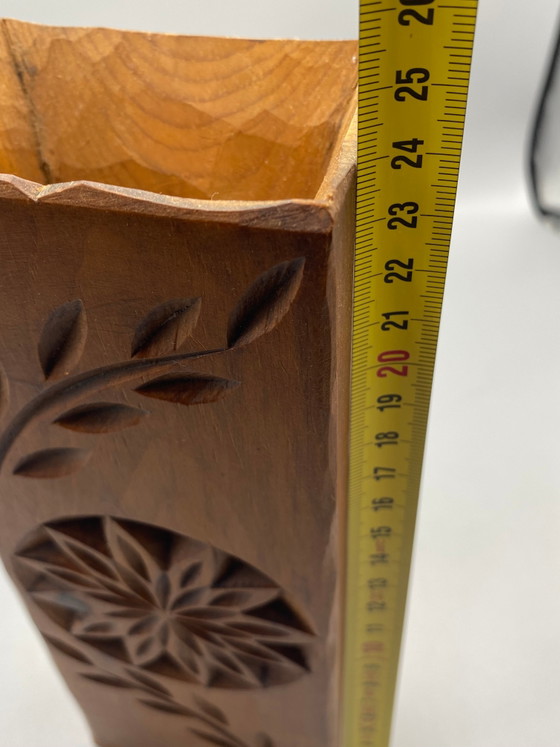
For this whetstone holder is far from being a simple utilitarian container. Its front has been carefully worked with a large, sculpted rosette, almost solar, accompanied by branches and foliage. The decoration also extends to the sides, while the wood retains the irregularities and patina acquired over time. At the back, its long tab allowed it to be slipped onto the mower's belt to keep the stone within reach. This is the whole appeal of rural folk art. A man could dedicate time to carving and personalizing an object that, at its core, was only intended to accompany him at work. The rosette, the foliage, the geometric patterns speak of this ancient desire to infuse a touch of beauty even into field tools.
With its height of approximately 24 cm, its slender silhouette, and its beautiful carved wood, it now leads a completely different life. Hung against a stone wall or wood paneling, placed in a library among antique objects, in a country house kitchen, or amidst a cabinet of curiosities, it becomes a true piece of rural history. An object created for work that has become, more than a century later, an object admired for the beauty of the gesture that shaped it.
Height approximately 24 cm. France, late 19th – early 20th century.
Additional details:
- Brand: 20eSiecle
- Style: Art populaire rural
- Material: bois sculpté
- Period: fin XIXe – début XXe siècle
Specifications
ConditionGood
Discover more
Seller information
About this seller
ProfessionalSaint symphorien des bois, FranceOn Whoppah since August 2026 • 0 sales