Have it delivered hassle-freeBuyer protectionAll Designer items curated by WhoppahDownload the Whoppah App – get alerts & sell with ease.
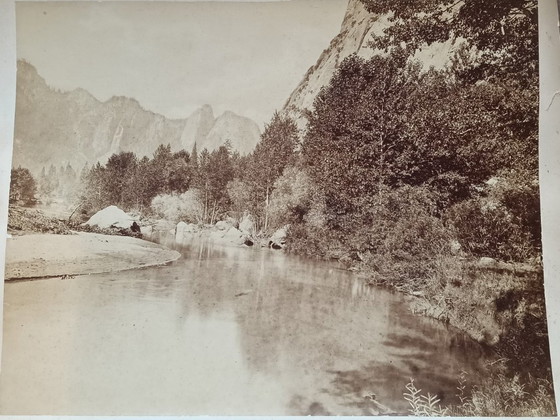
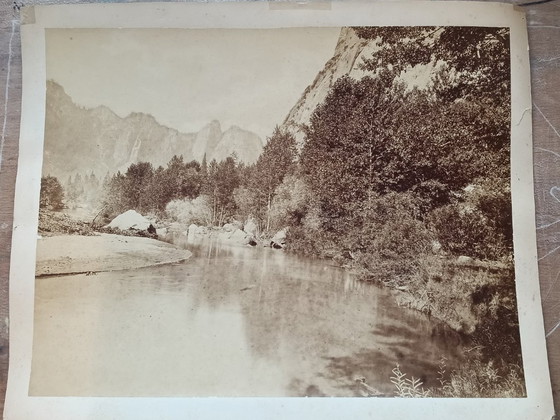
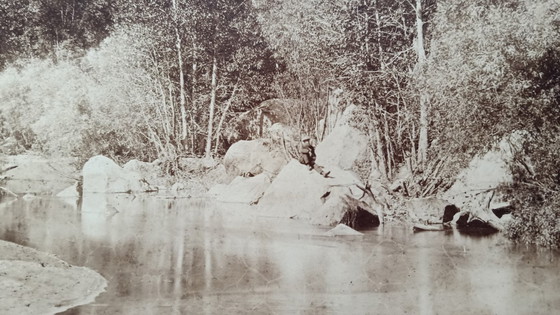
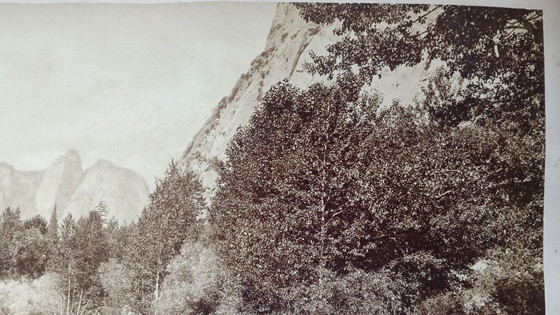
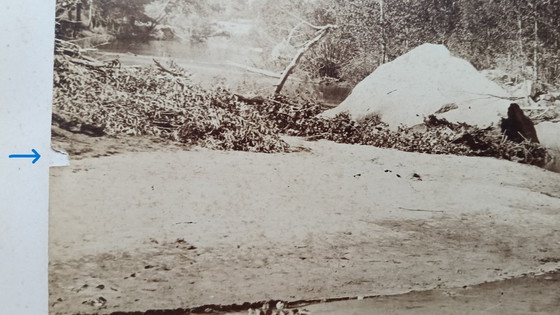
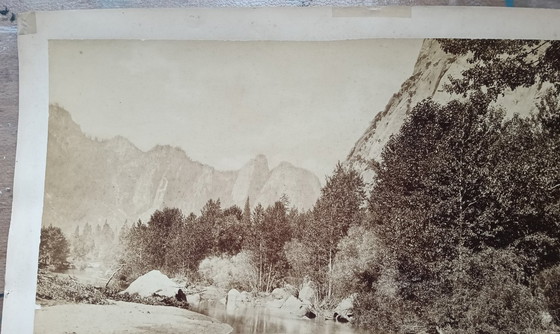
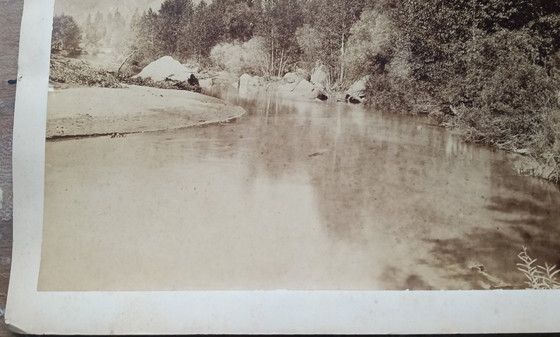
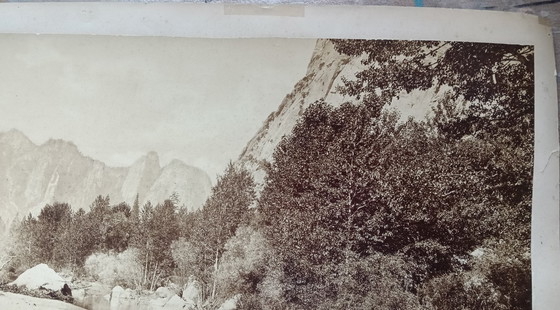
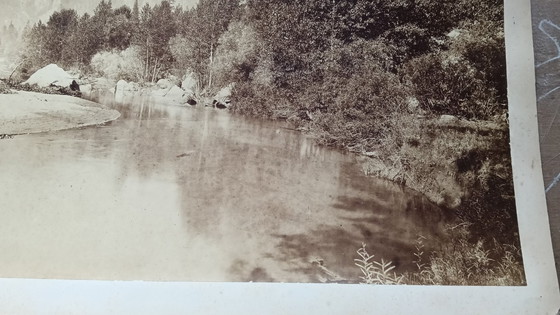
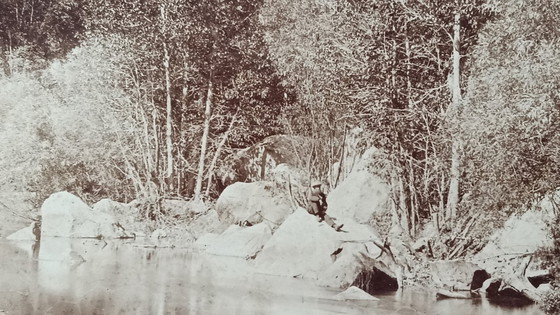
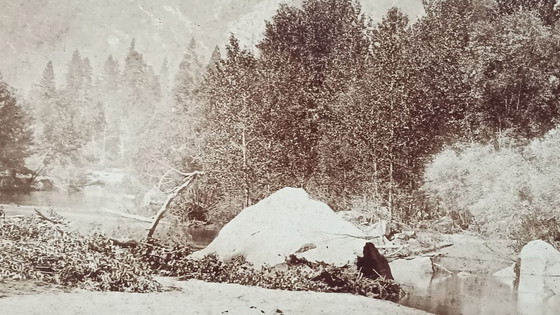
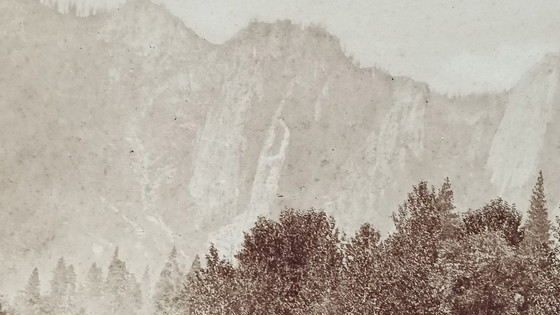
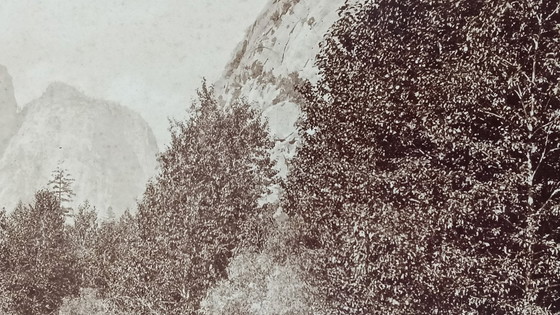
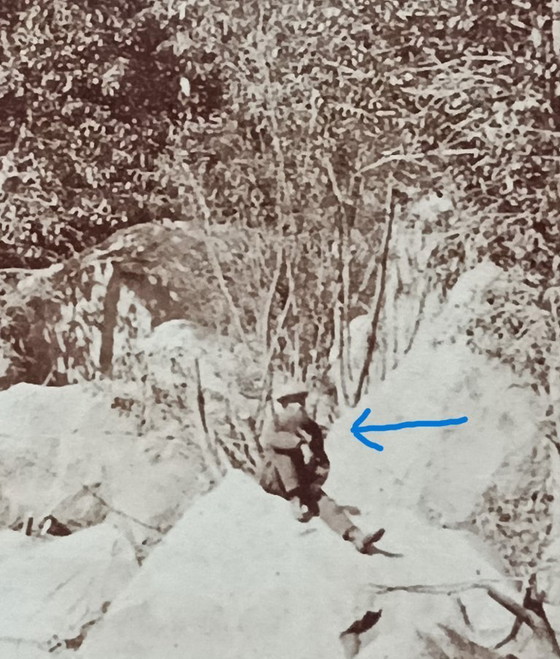
Carleton E. Watkins (1829–1916) Very rare Self portait on stone, Yosemite park.
€2,500,000Bid from €250,000
Buy with confidence
Shop & pay safely with our Buyer ProtectionDesigner items curated by WhoppahWe only pay the seller once you have safely received the itemTrusted payment methods



About this seller
Den Haag, NetherlandsOn Whoppah since April 2022 • 1 sale
Product description
Extremely rare and iconic mammoth albumine photograph on paper.
-
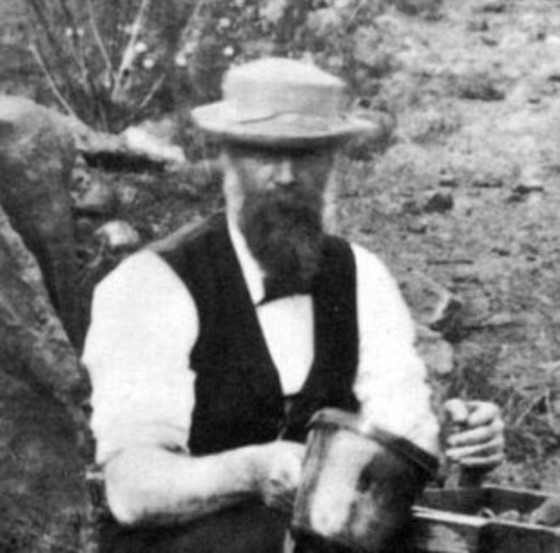
With his self-portrait Carleton-Eugene ( sitting on a stone, photo 15), (photo 16 is from Wikipedia).
-
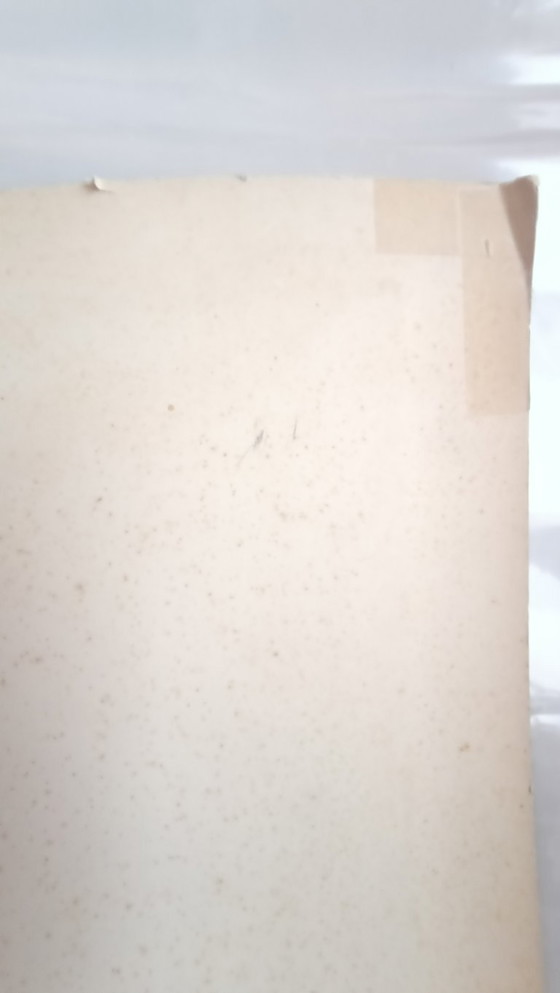
Good condition, slightly faded on the left, but sharp in image and color.
-
The photo is dated around 1860/1870, probably Yosemite Park, Columbia River.
-
The reason he depicted himself small is likely to capture the grandeur of nature.
-
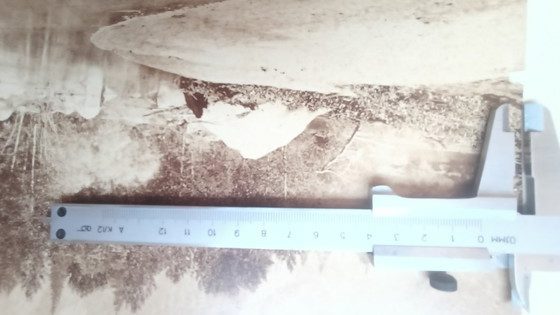
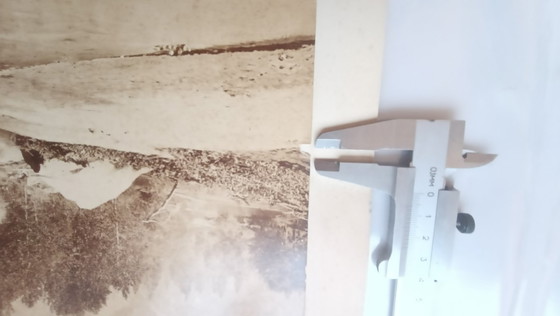
Image size: 41.5 x 53.7 cm // 48 x 59 cm.
The framing paper is slightly worn but in good condition.
In very good condition in the frames.
A slightly chip on the left side ( photo ..)
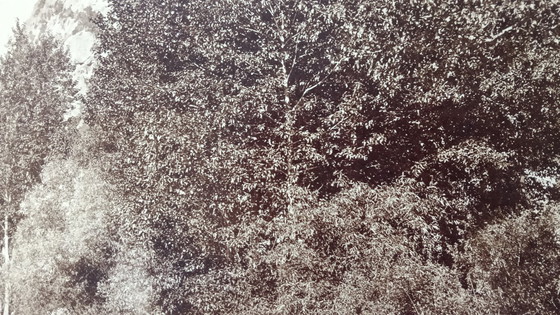
The photo has a beautiful albumen sheen.
-
Carleton E. Watkins (1829–1916) is widely regarded as one of the most important American landscape photographers of the 19th century and is widely represented in leading museums and collections worldwide.
-
Carleton E. Watkins (1829–1916) was an American photographer of the 19th century. Born in New York, he moved to California and quickly became interested in photography.
-
He focused mainly on landscape photography, and Yosemite Valley was a favorite subject of his.
His photographs of the valley significantly influenced the United States Congress' decision to preserve it as a National Park.
NOTE 1
Carleton E. Watkins signed his albumen prints, but this was not done consistently throughout his career.
His signature and the method of identification varied depending on the period and the type of photograph.
The main characteristics of his signing method are:
Handwritten signatures:
Especially on his early works and the famous mammoth-plate albumen prints, a signature in ink or pencil can sometimes be found below the image (on the cardboard).
Evolution of the signature:
Experts use the shape of his signature to date his work.
For example, the shape of the letter 'W' in his name changed from a pointed to a rounded bottom around 1861, returning to the pointed shape around 1872.
Rarity between 1865-1875: Hand-signed prints are rare during this period, as Watkins worked extensively in the field and had little time to sign individual prints!
Titles and stamps:
Early prints often had handwritten titles, while later series were provided with printed titles on the mounting boards.
Attribution:
Because gallery owners in the 19th century often placed their own names (brands) on photographs taken by others, a Watkins signature is not always present, even on original works.
*NOTE 2!
Carleton E. Watkins appears in a small number of his own albumen prints, but these are very rare. He was known for his reluctance to be photographed.
The best-known examples include:
Self-Portrait as a Prospector (ca. 1883): In this albumen silver print portrait, Watkins poses as a miner with a rocker box (a wooden device used for panning gold).
According to his daughter, Julia, he posed in this role specifically for his children.
Presence in Landscapes:
Although he became world-famous for his enormous, mammoth-sized landscape photographs of places like Yosemite and the Columbia River, he almost always remained behind the camera in these compositions.
However, assistants or small human figures are sometimes included to emphasize the sheer scale of the landscape.
Watkins' work can now be found in prestigious collections such as the National Portrait Gallery and the J. Paul Getty Museum.
Specifications
ConditionGoodColorsBeige, Brown, Creme, BlackMaterialPaperNumber of items1OrientationLandscapeArt sizeMediumHeight41 cmWidth58 cmSigns of usageChipped
Discover more
Seller information
About this seller
Den Haag, NetherlandsOn Whoppah since April 2022 • 1 sale