Have it delivered hassle-freeBuyer protectionAll Designer items curated by WhoppahDownload the Whoppah App – get alerts & sell with ease.
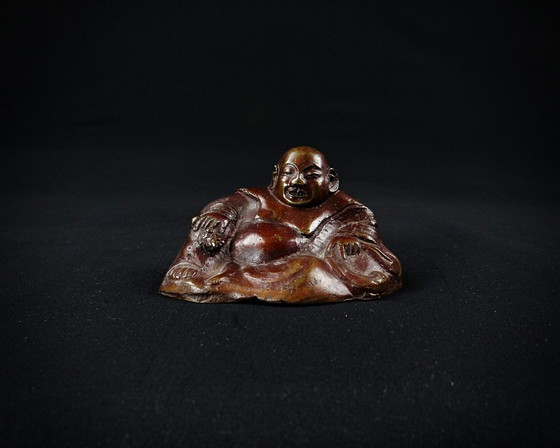
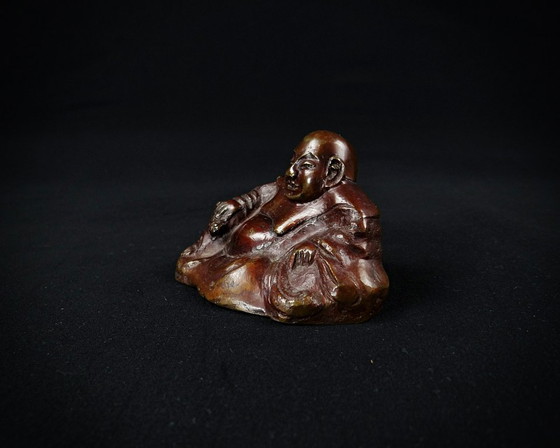
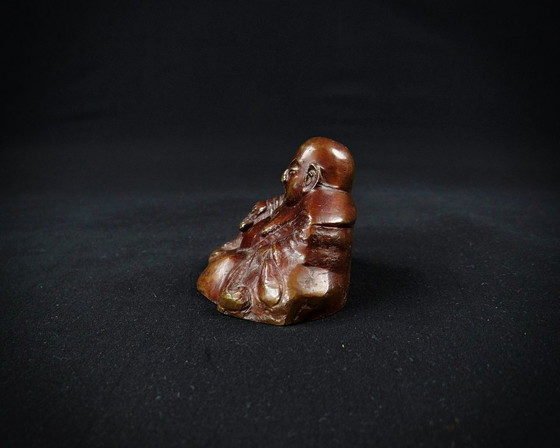
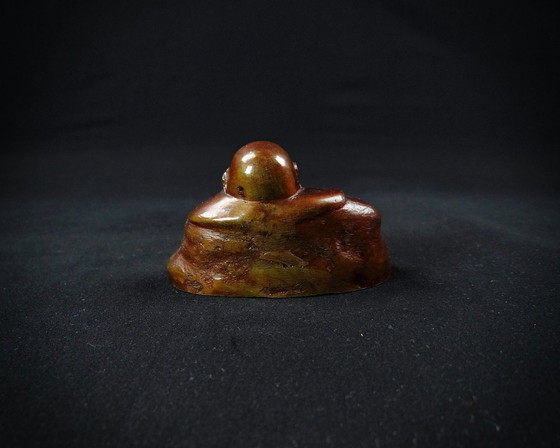
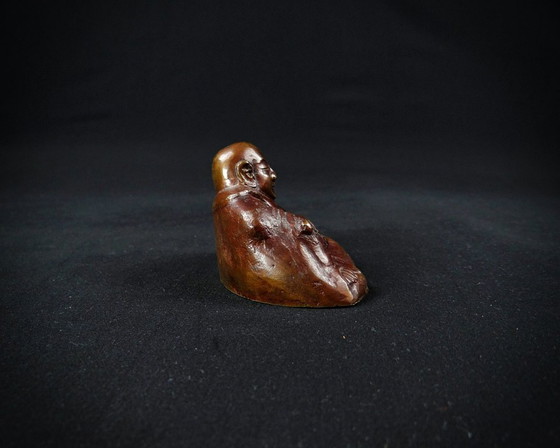
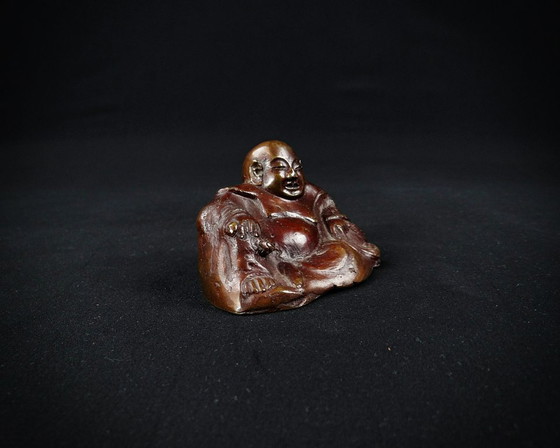
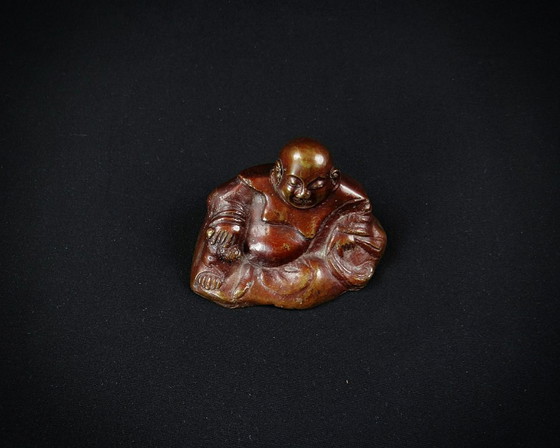
Bronze Buddha or Budai of Fortune Chinese sculpture late 19th century Qing
€120Bid from €60
Buy with confidence
Shop & pay safely with our Buyer ProtectionDesigner items curated by WhoppahWe only pay the seller once you have safely received the itemTrusted payment methods



About this seller
Product description
Bronze Buddha or Budai of Fortune Chinese sculpture late 19th century Qing
Do you know why Buddha (or Budai) is portrayed as paunchy, smiling and in this posture of elation?
Budai (literally meaning "canvas bag" in Chinese, referring to the bag that accompanies him, often filled with food, gold, children's sweets or gifts) is a Chinese monk who is said to have lived in the 10th century, during the Liang dynasty (907-923), at the end of the Five Dynasties and Ten Kingdoms period.
According to tradition, Budai was an itinerant monk of eccentric behavior, often seen laughing, smiling, sitting or lying down, with a large belly, a sign of abundance and good fortune. Now a popular part of Chinese culture, Budai is a blend of Buddhist spirituality and folk symbolism!
He roamed the villages, sharing words of wisdom and kind gestures. He was loved by the people, and attributed spiritual and healing powers. Today, he is the embodiment of folk tradition and feng shui:
- joie de vivre,
- prosperity
- luck,
- wealth,
- generosity.
Towards the end of his life, Budai is said to have left a poem saying:
"Maitreya, the true Maitreya,
Billions of manifested forms,
Often speaks to people,
But no one recognizes him."
This has been interpreted as a revelation that Budai is an earthly manifestation of Maitreya, the Buddha of the future, to whom he is assimilated. He is supposed to appear on Earth when Gautama's teachings have disappeared.
This charming bronze statuette was destined to be displayed in homes and shops at the end of the 19th century, as a good-luck charm. Today, it will bring good luck to yours! Lovers of Buddhist figures and antique bronze, don't wait any longer!
Fast & careful delivery in France, Europe & Worldwide
Dimensions :
→ height: 6 cm
→ Width : 10 cm
→ Depth : 6 cm
→ Weight: 300 grams
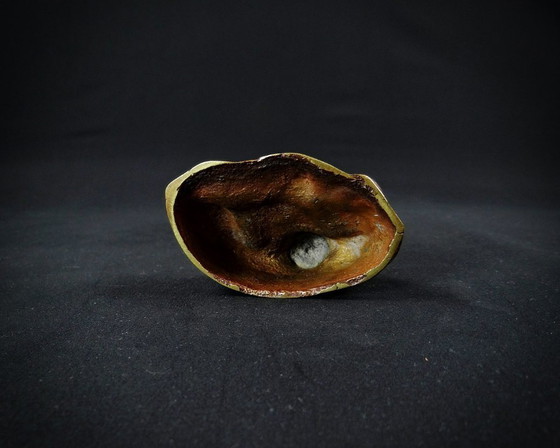
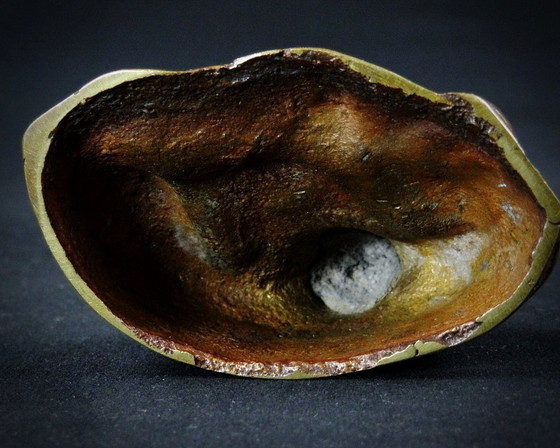
Very good condition.
Very good condition.
Specifications
ConditionVery goodColorsGold, BrownMaterialBronzeNumber of items1OrientationLandscapeArt sizeMiniHeight6 cmWidth10 cm
Discover more
Seller information
About this seller
La Ferté-Saint-Aubin, FranceOn Whoppah since April 2025 • 1 sale