Have it delivered hassle-freeBuyer protectionAll Designer items curated by WhoppahDownload the Whoppah App – get alerts & sell with ease.
Have it delivered hassle-free
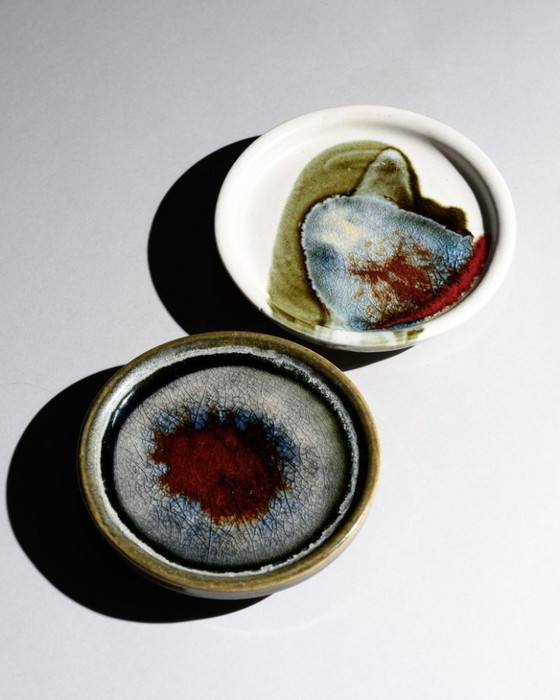
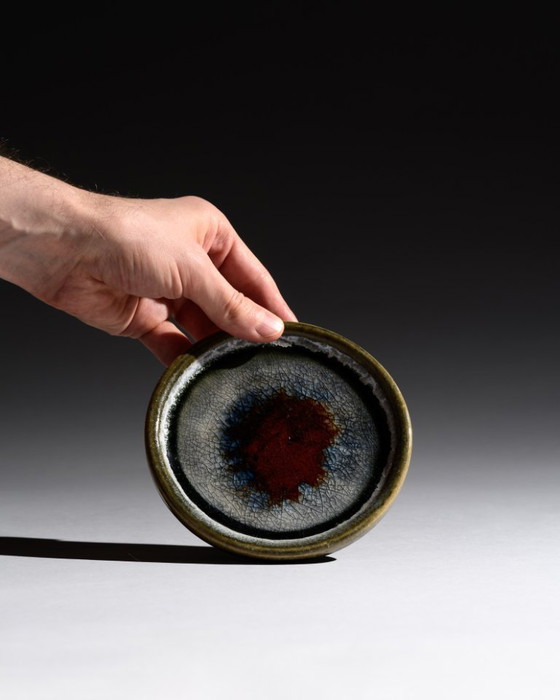
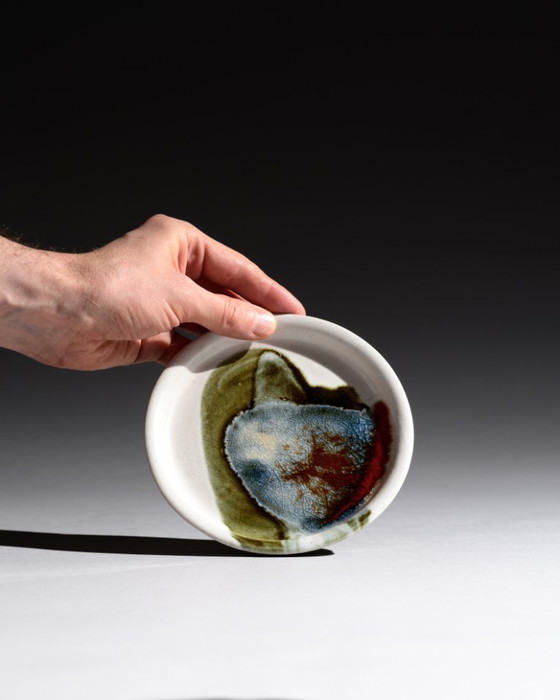
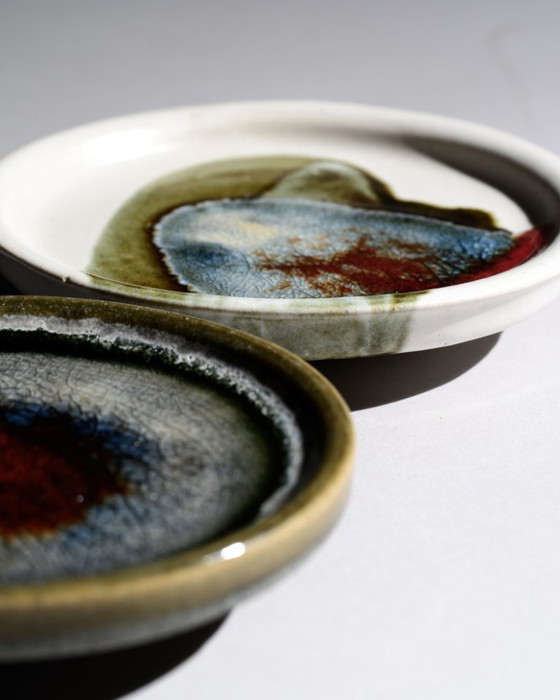
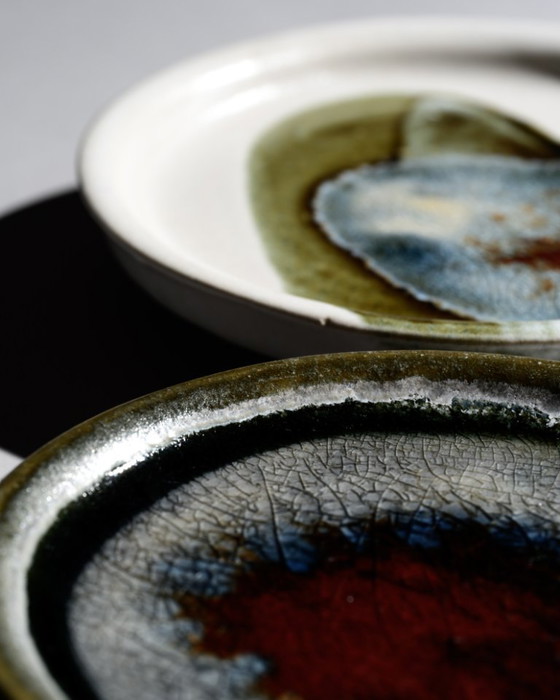
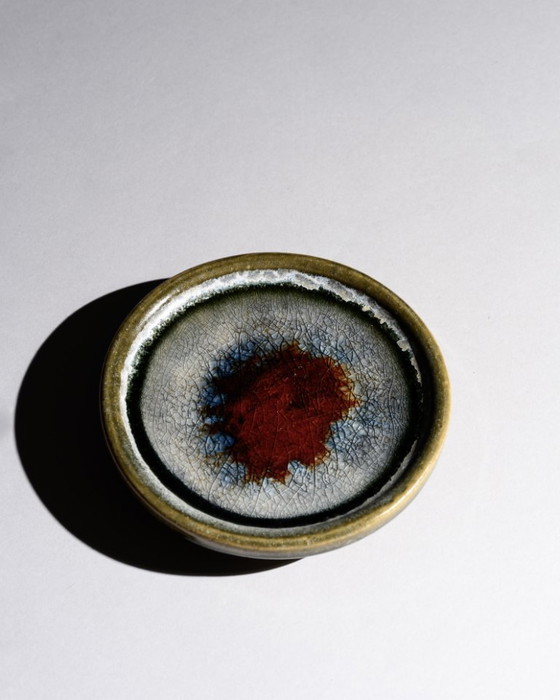
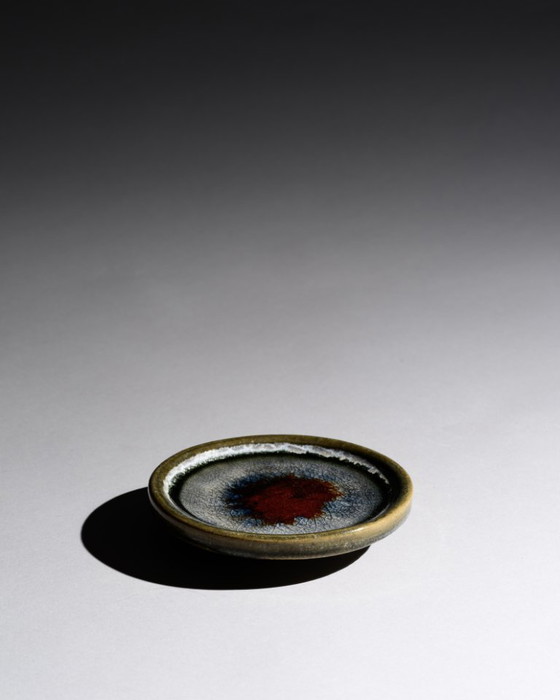
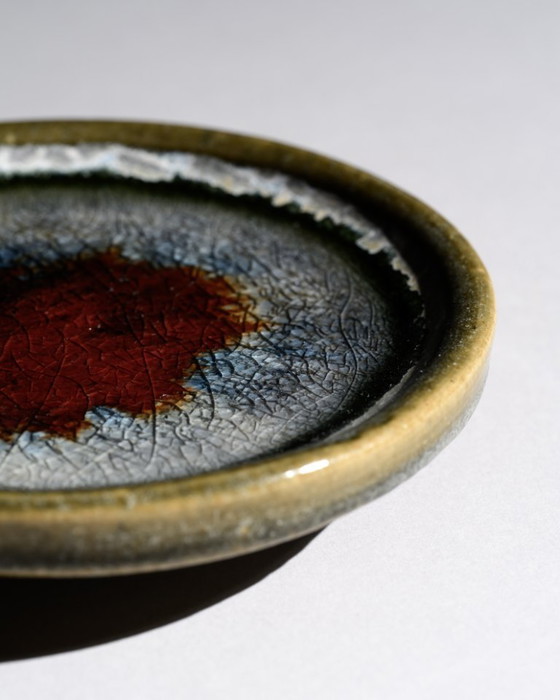
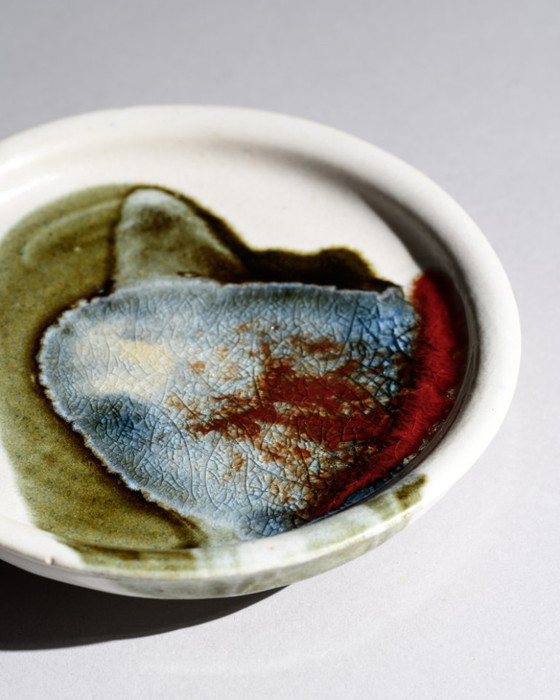
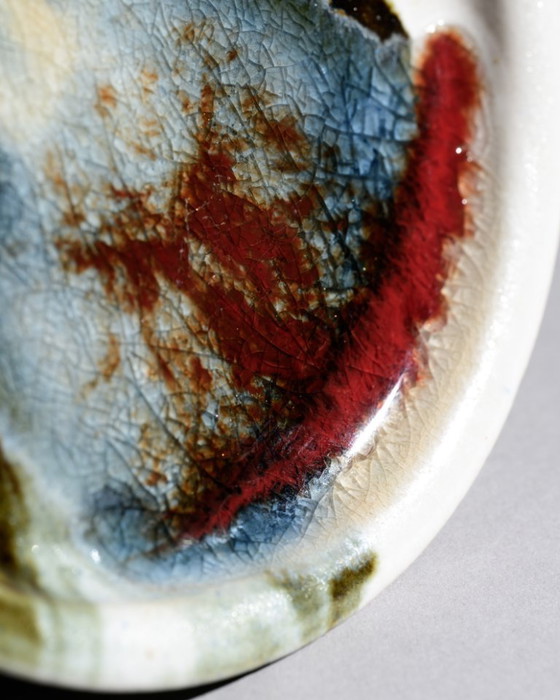
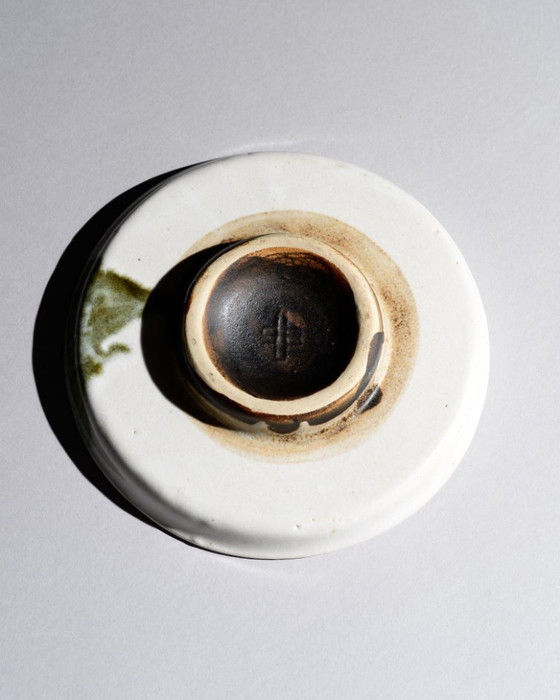
Barbara Stehr Studiokeramik Plate Duo Ø 15 cm German Art Pottery Vintage 60s-70s
€229Bid from €179
Buy with confidence
Shop & pay safely with Buyer ProtectionDesigner items curated by WhoppahWe only pay the seller once you have safely received the itemTrusted payment methods


About this seller
Private sellerBerlin, GermanyOn Whoppah since August 2023 • 29 sales
Product description
Studio Ceramic Plates – Barbara Stehr
Germany, late 20th century
These two small studio ceramic plates are characteristic works by the German ceramic artist Barbara Stehr, one of the most influential figures in postwar German studio ceramics. Her work stands at the intersection of material research, painterly glazing, and pedagogical impact, reflecting both the legacy of the Bauhaus and the experimental spirit of post-1960s European ceramics.
Barbara Stehr was born in 1936 in Weetzen near Hanover. She studied at the Werkkunstschule in Hanover (1957–1958) and continued her education in art education, craft theory, and painting from 1958 to 1963 at the Hochschule für Bildende Künstler. Her ceramic training was shaped decisively by Otto Lindig and Liebfriede Bernstiel—key figures of the Bauhaus ceramic tradition—as well as by her studies with Jan Bontjes van Beek, whose expressive, sculptural approach to ceramics left a lasting influence on her work.
In 1961–1962, Stehr founded her first independent workshop in Hamburg, followed in 1963 by her long-term studio in Tornesch-Ahrenlohe, Schleswig-Holstein, where she continues to live and work today. Alongside her artistic practice, she developed a distinguished academic career: she held a guest professorship at the Hochschule für Bildende Künste Hamburg in 1981 and served as professor at the Fachhochschule Rheinland-Pfalz from 1987 to 2002. During this time, she played a central role in building and leading the Institute for Artistic Ceramics and Glass in Höhr-Grenzhausen, one of Germany’s most important centers for contemporary ceramic education.
Her contributions to ceramic art and education were formally recognized in 2001 with the Verdienstorden des Landes Rheinland-Pfalz. Stehr has been an active member of professional associations such as the Deutsche Keramische Gesellschaft and has served on numerous juries for national and international ceramic competitions, underscoring her standing within the field.
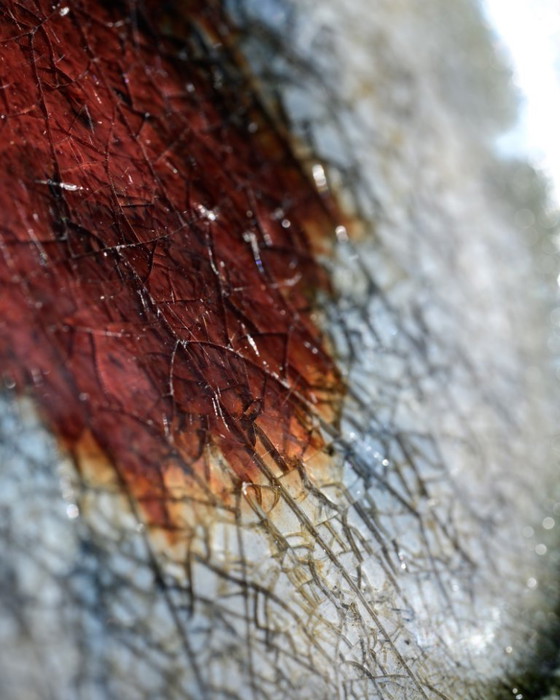
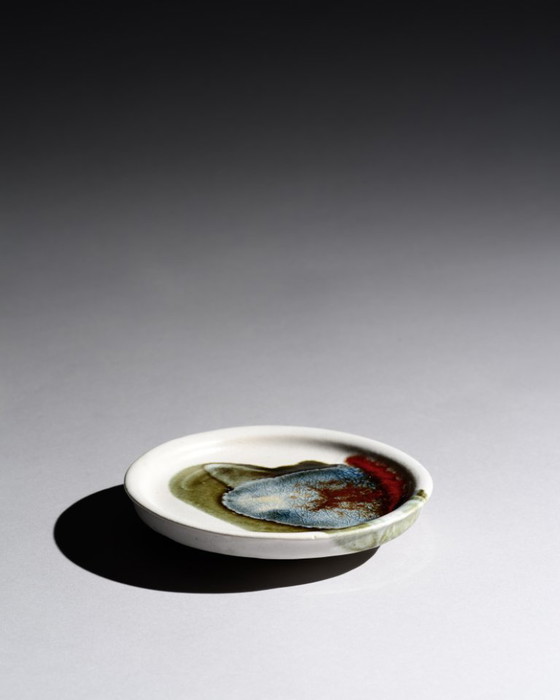
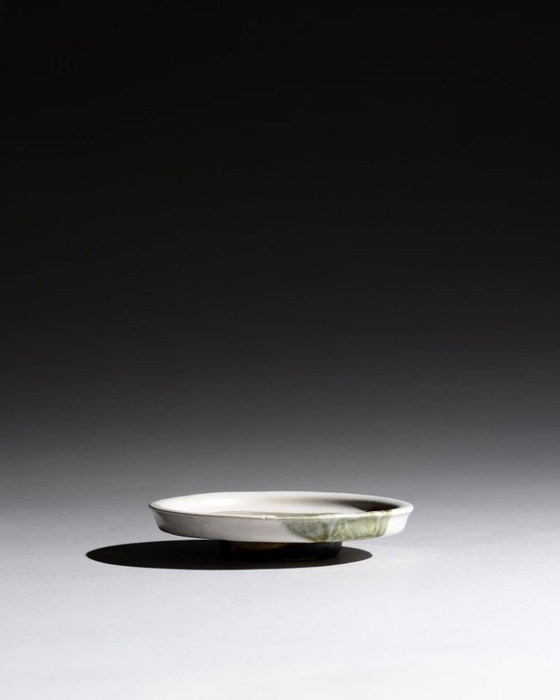
The two plates offered here reflect Stehr’s mature artistic language. Compact in form with softly rounded rims and carefully finished foot rings, they place emphasis on surface and glaze behavior rather than ornament. The glazes display layered mineral tones—earthy greens, smoky greys, iron reds, and subtle cream fields—applied in a manner that highlights flow, pooling, and controlled crackle. The surfaces evoke natural processes such as erosion and sedimentation, situating these works firmly within the German studio pottery movement that values material autonomy and painterly expression.
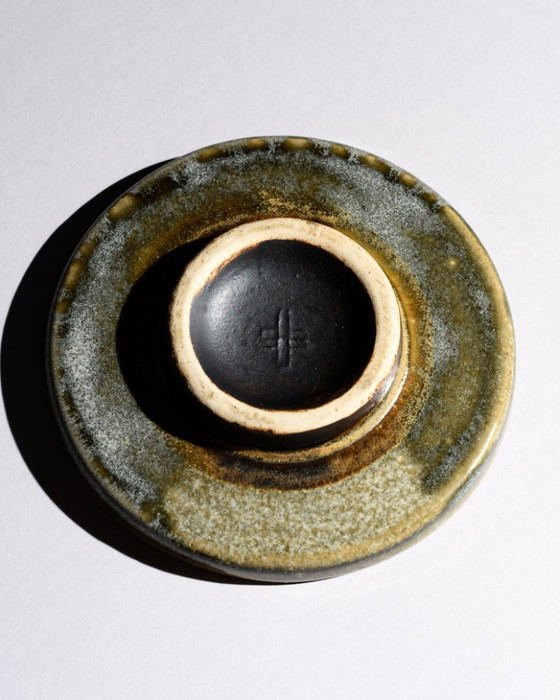
Each plate bears the artist’s impressed mark on the base, confirming authorship. While conceived as related works, they are not identical; subtle variations in glaze and coloration underscore the individuality inherent in studio ceramics. The plates function equally well as intimate utilitarian objects or as small sculptural works suitable for display.
Details
Artist: Barbara Stehr
Born: 1936, Weetzen near Hanover
Origin: Germany
Period: Late 20th century
Material: Glazed ceramics
Finish: Glossy
Dimensions:
Plate 1: approx. diameter 14 cm, height 3 cm
Plate 2: approx. diameter 15 cm, height 3 cm
Condition: Very good vintage condition, with minimal signs of age consistent with studio ceramics
General Information
Please explore our profile for more vintage vases!
International buyers: import duties or taxes, if applicable, are the buyer’s responsibility.
All items are photographed and described with care. Vintage pieces may show minimal traces of age; any significant flaws will be clearly mentioned.
Private sale under law: no returns, refunds, or warranties.
Specifications
ConditionVery goodColorsGreen, Multi Color, RedMaterialCeramicNumber of items2Height3 cmWidth15 cmDepth15 cm
Discover more
Seller information
About this seller
Private sellerBerlin, GermanyOn Whoppah since August 2023 • 29 sales