Paintings and drawings













Your item deserves more views
Boost your listing from €3.75
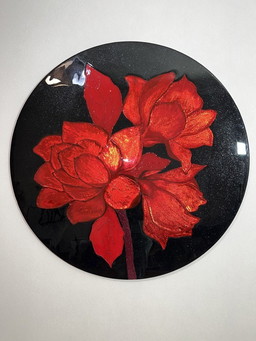





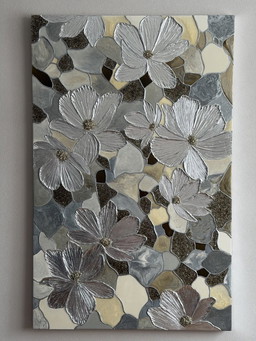

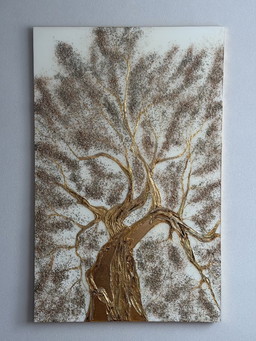

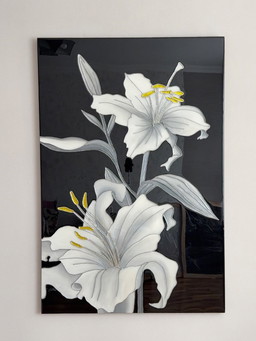





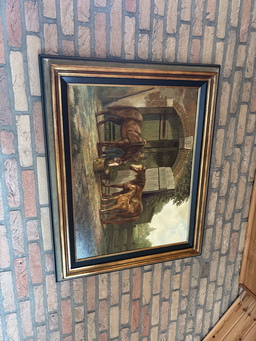









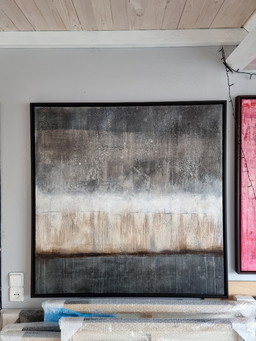

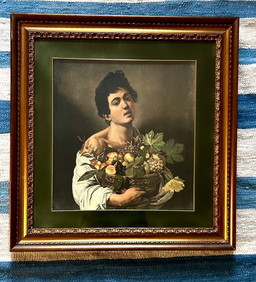

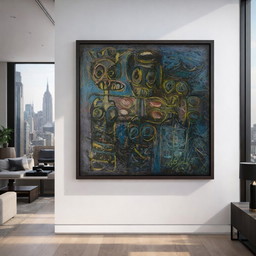




























Paintings and drawings
For centuries, paintings have been a form of art that stimulates the imagination, evokes emotions and captures the beauty of life on canvas. From famous masterpieces to contemporary creations, paintings hold a special place in the hearts of art lovers around the world.
Second-hand paintings
Second-hand paintings have become increasingly popular among collectors and art lovers in recent years. These artworks not only have historical value, but they also carry a story with them. Whoppah plays an important role in this by offering paintings by well-known artists from the past and present.
The value of a painting is determined by several factors, including the artist, subject, style, the period in which it was made and its condition. Works by famous painters such as Van Gogh, Rembrandt, Picasso, and Monet are often among the most sought-after pieces on the market. The rarity and historical importance of their creations contribute to the high prices paid for these paintings, both at auctions and at specialised art dealers.
What makes second-hand paintings so fascinating is that each piece has its own unique history. Some paintings have had different owners over the years, from private collectors to renowned museums. This journey from owner to owner adds another layer of meaning to the artwork, making it a tangible testament to the time and people it has been through.
Whoppah
At Whoppah, paintings are carefully checked and authenticated to ensure that they are in good condition and that they are actually works by the artists they are attributed to. The platform offers a wide range of artworks, from classic masterpieces to modern abstract creations. This gives art lovers the opportunity to expand their collection with works that might not otherwise be within reach.
Besides the financial investment, second-hand paintings also offer emotional value. Owning an artwork by a well-known painter can inspire a sense of pride and admiration, and admiring the work can create a deep connection with the artist and his creative vision.