Have it delivered hassle-freeBuyer protectionAll Designer items curated by WhoppahDownload the Whoppah App – get alerts & sell with ease.
Have it delivered hassle-free
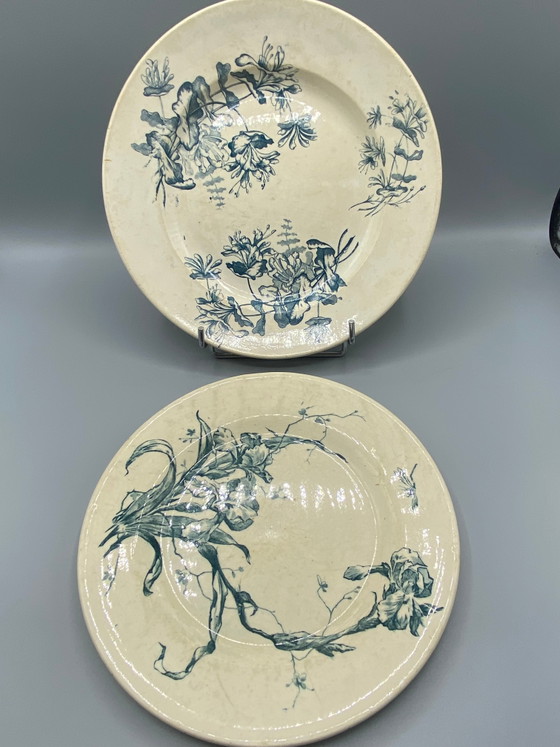
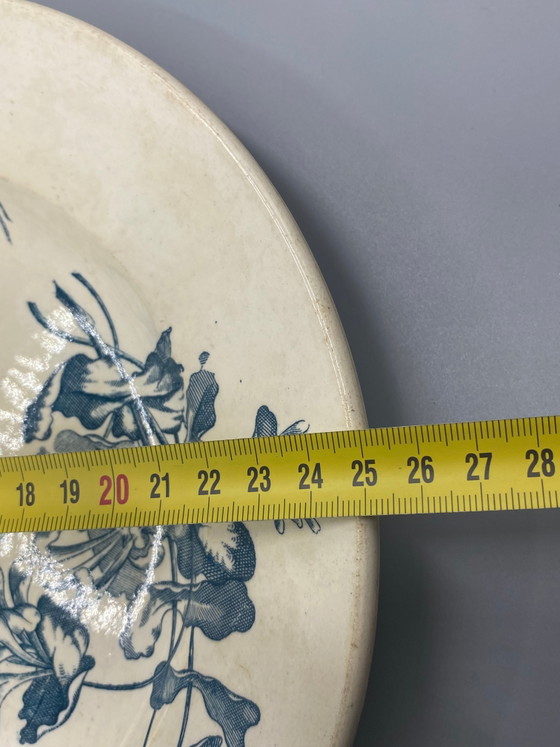
2 Gien faience plates – Japonism – Blue floral design – Late 19th century
€59Bid from €53.10
Buy with confidence
Shop & pay safely with Buyer ProtectionDesigner items curated by WhoppahWe only pay the seller once you have safely received the itemTrusted payment methods


About this seller
ProfessionalProduct description
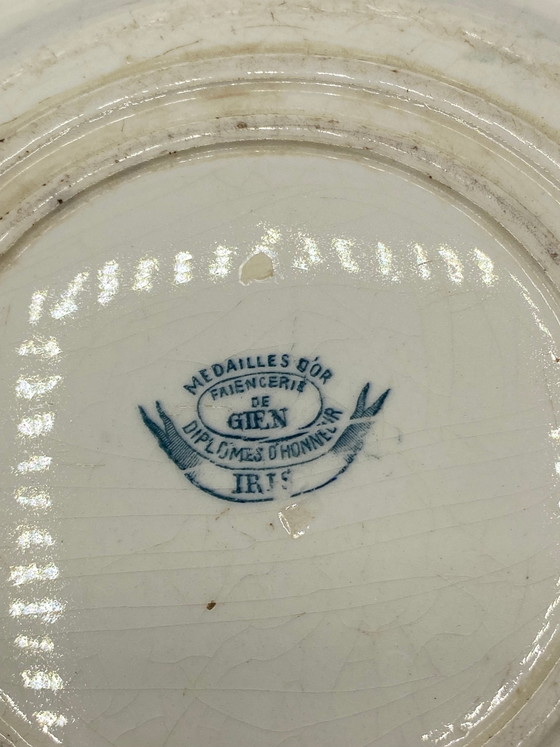
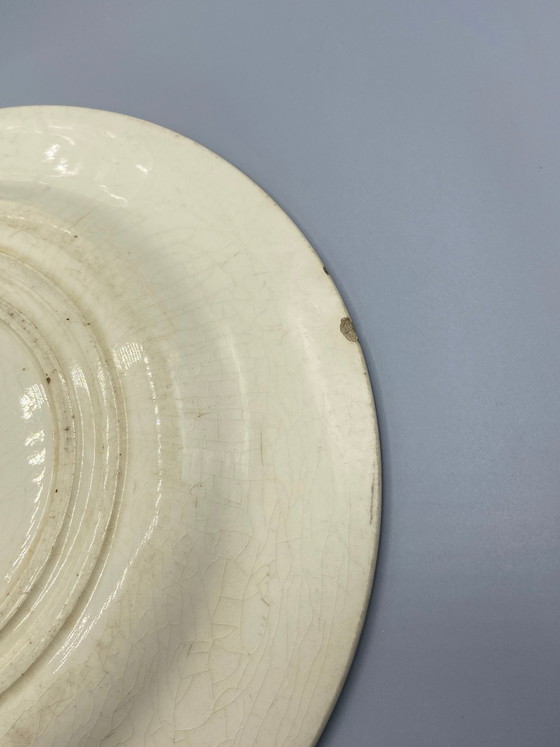
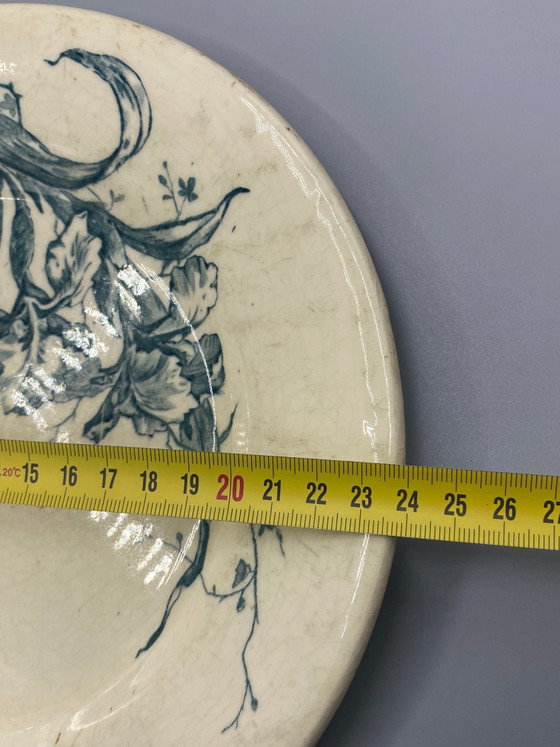
These two plates reflect something of late 19th-century France, a period that discovered with fascination a still-mysterious elsewhere: Japan. The Gien factory, founded in 1821 on the banks of the Loire, is among those great French faience manufacturers that knew how to absorb the influences of their era and transform them into a decorative language of their own. When Japonisme revolutionized European arts in the second half of the 19th century, flowers ceased to be well-behaved, symmetrically arranged ornaments. They invade the composition, branches curve, spaces open up, and the eye moves differently. On their faience, now a soft ivory, the botanical elements are drawn in a particularly delicate monochrome blue. Neither of the two compositions is identical. On one, the flowers seem to emerge in successive bouquets. On the other, a long branch freely traverses the plate in a much airier composition. They also belong to two different moments of the meal. The first, approximately 24 cm, corresponds to the size reserved for the starter. The second, slightly larger at 25 cm, is the plate intended for the main course. This difference in form and decor gives them much more charm today than a perfectly identical pair: they are the rediscovered fragments of a genuine antique dinner service. On the reverse appears the beautiful stamp of the Faiencerie de Gien, bearing the mentions 'Gold Medals' and 'Diploma of Honor,' a testament to the recognition gained by the factory during the era of great exhibitions. The model is identified as IRIS. More than a century has naturally left its mark. The glaze exhibits that fine crazing that one appreciates on antique faience, along with some marks and small fleabites visible in the photographs. Their patina is not that of dishes fresh out of a box. Two plates that can still be used, collected, or simply hung side-by-side. Two Japonist compositions from Gien, almost becoming faience paintings.
Additional details:
- Brand: Gien
- Style: Japonisme
- Material: Faïence
- Colour: ivoire
- Period: Fin XIXe siècle
Specifications
ConditionGoodColorsBlue
Discover more
Seller information
About this seller
ProfessionalSaint symphorien des bois, FranceOn Whoppah since August 2026 • 0 sales