Have it delivered hassle-freeBuyer protectionAll Designer items curated by WhoppahDownload the Whoppah App – get alerts & sell with ease.
Have it delivered hassle-free
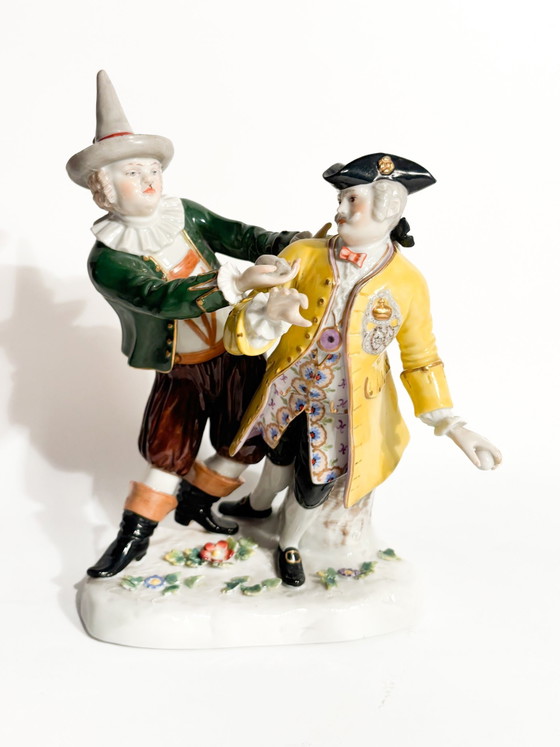
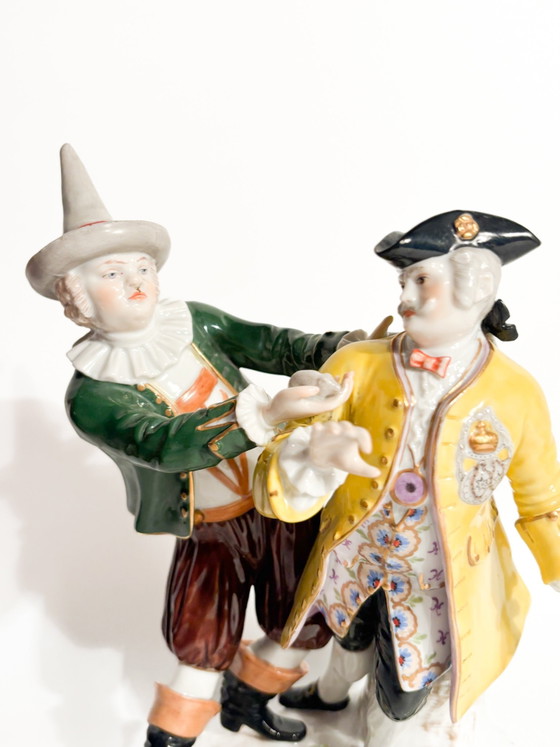
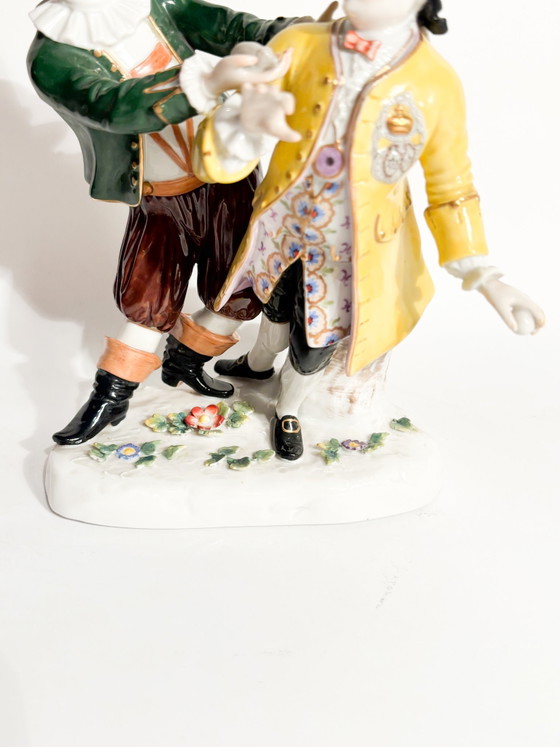
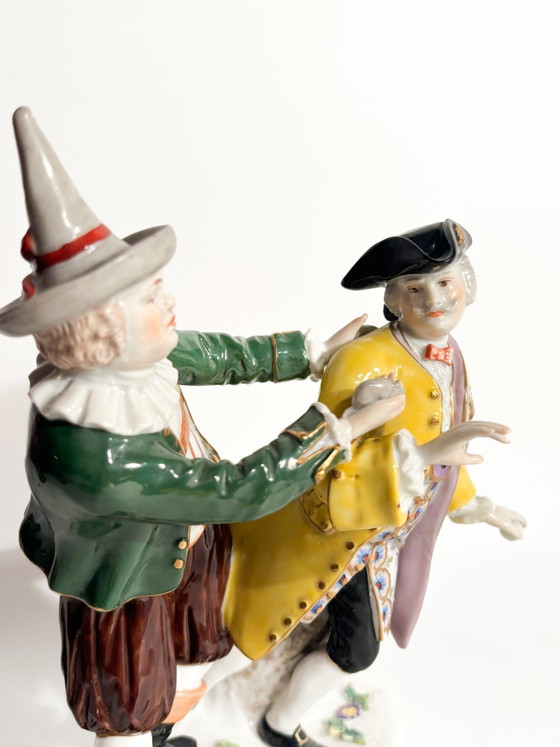
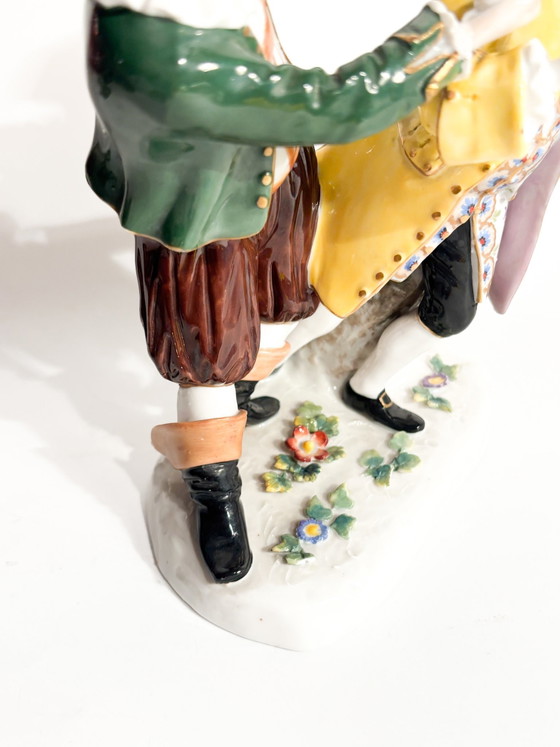
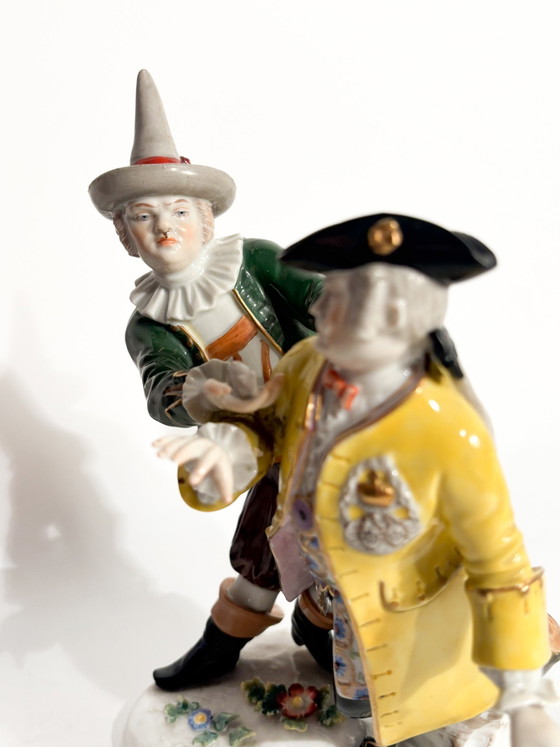
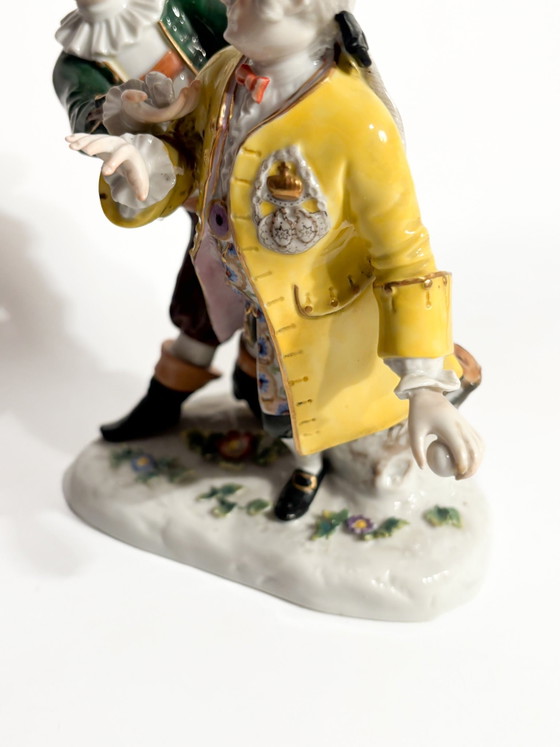
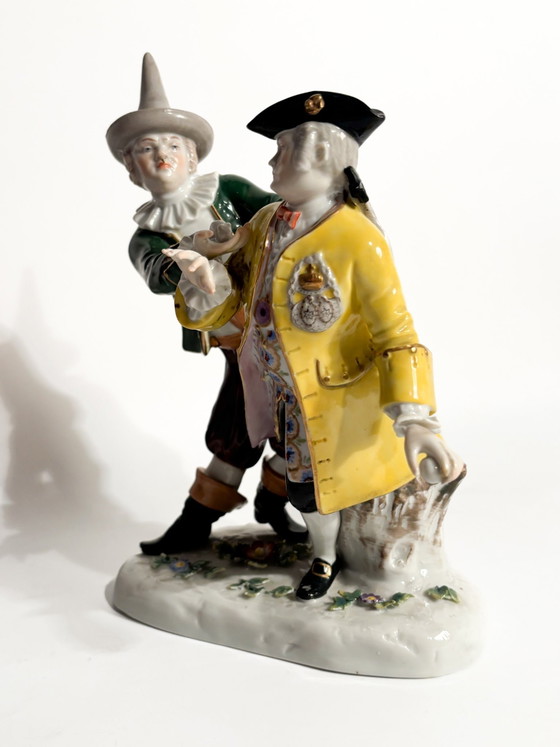
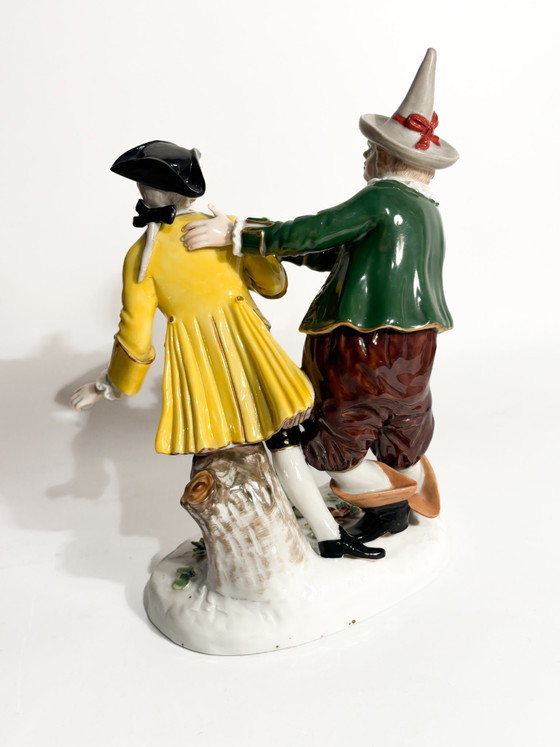
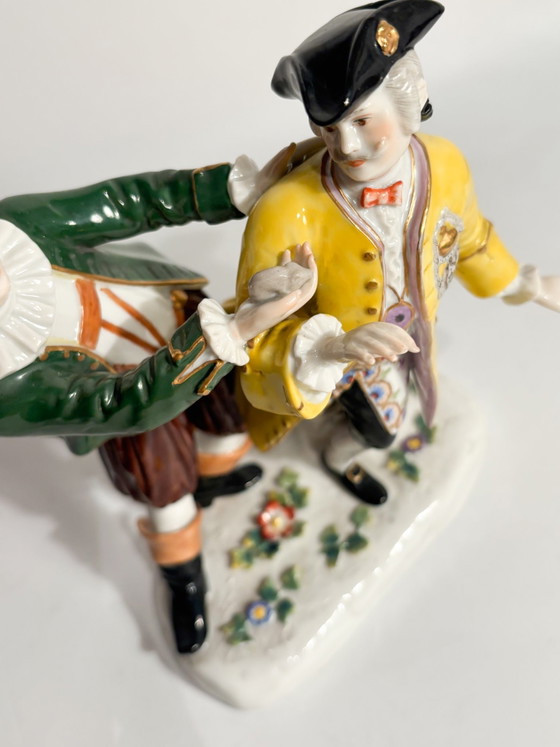
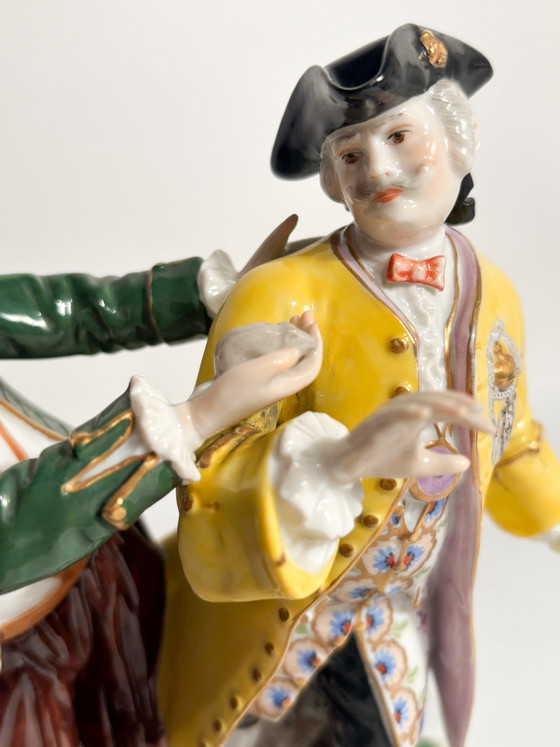
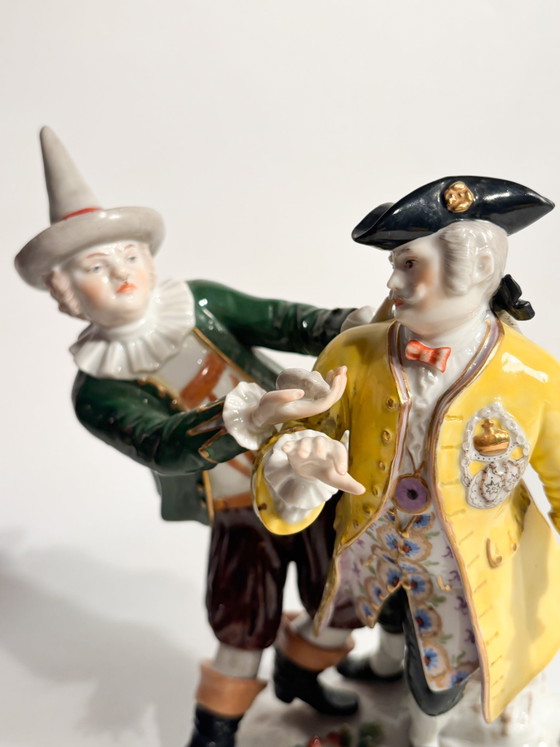
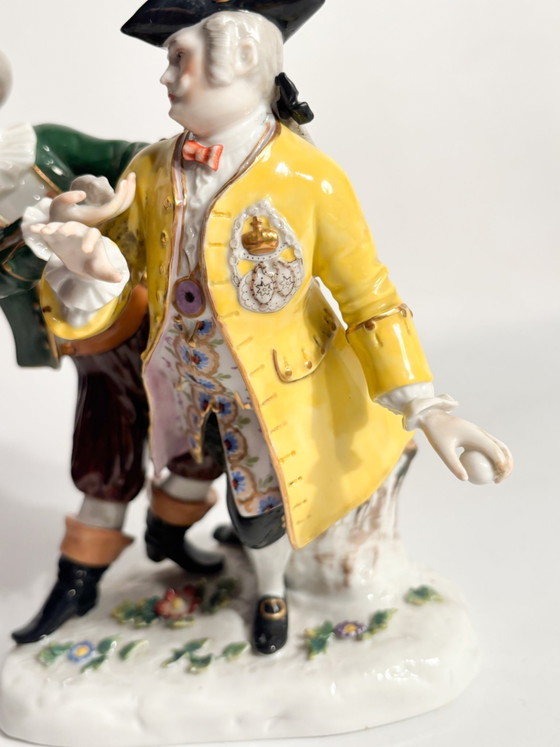
19th Century Ludwigsburg Polychrome Porcelain Group Sculpture
€280Bid from €252
Buy with confidence
Shop & pay safely with Buyer ProtectionDesigner items curated by WhoppahWe only pay the seller once you have safely received the itemTrusted payment methods


About this seller
ProfessionalProduct description
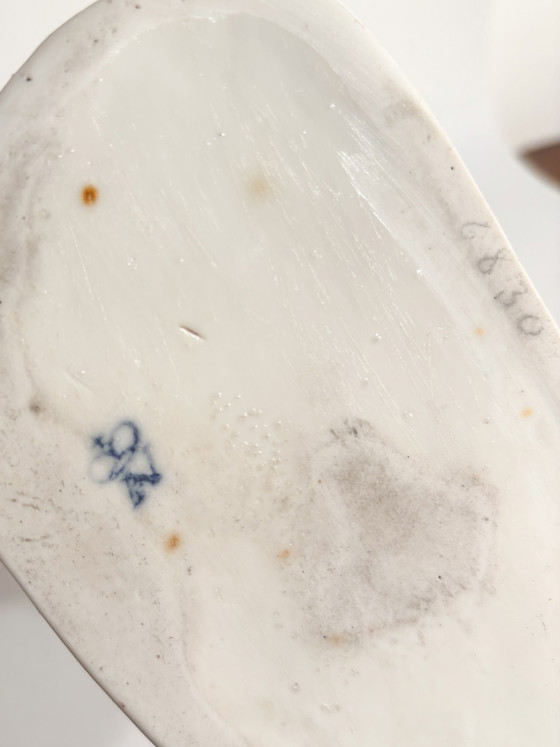
Ludwigsburg polychrome porcelain group, created in the 19th Century, depicting two figures with masks. Diameter 16 cm, Diameter 11 cm, Height 20 cm. Ludwigsburg porcelain is a type of high-quality porcelain produced in the city of Ludwigsburg, Germany, starting from the 18th century. The Ludwigsburg porcelain factory was founded in 1758 by Duke Carl Eugen of Württemberg. The manufactory experienced a period of great success in the 18th century, thanks to the collaboration of talented artists and modelers. Production ceased in 1824, but was later resumed under various managements, until 2010. Ludwigsburg porcelain is renowned for its fineness, the quality of its modeling, and the richness of its decorations. Productions include statues, allegorical figures, dinnerware, and decorative objects. Styles vary from Rococo to Neoclassical, with particular attention to details and executive precision. The manufactory particularly excelled in figurines. The Ceramics Museum (Keramikmuseum) of the Ludwigsburg Residential Palace houses a vast collection of Ludwigsburg porcelain.
Additional details:
- Brand: Ludwigsburg
- Style: neoclassico
- Material: Porcellana policroma
- Colour: Policroma
- Period: XIX Secolo
Specifications
ConditionVery goodStyleRococo
Seller information
About this seller
ProfessionalMilano, ItalyOn Whoppah since July 2026 • 0 sales