The real lifecycle of a designer chair: why a 60-year-old Wegner outlasts six new sofas
Designer furniture isn't an aesthetic argument for secondhand. It's a structural one. A well-made chair from 1960 is genuinely built to last another sixty years. Here's why that compounding matters.

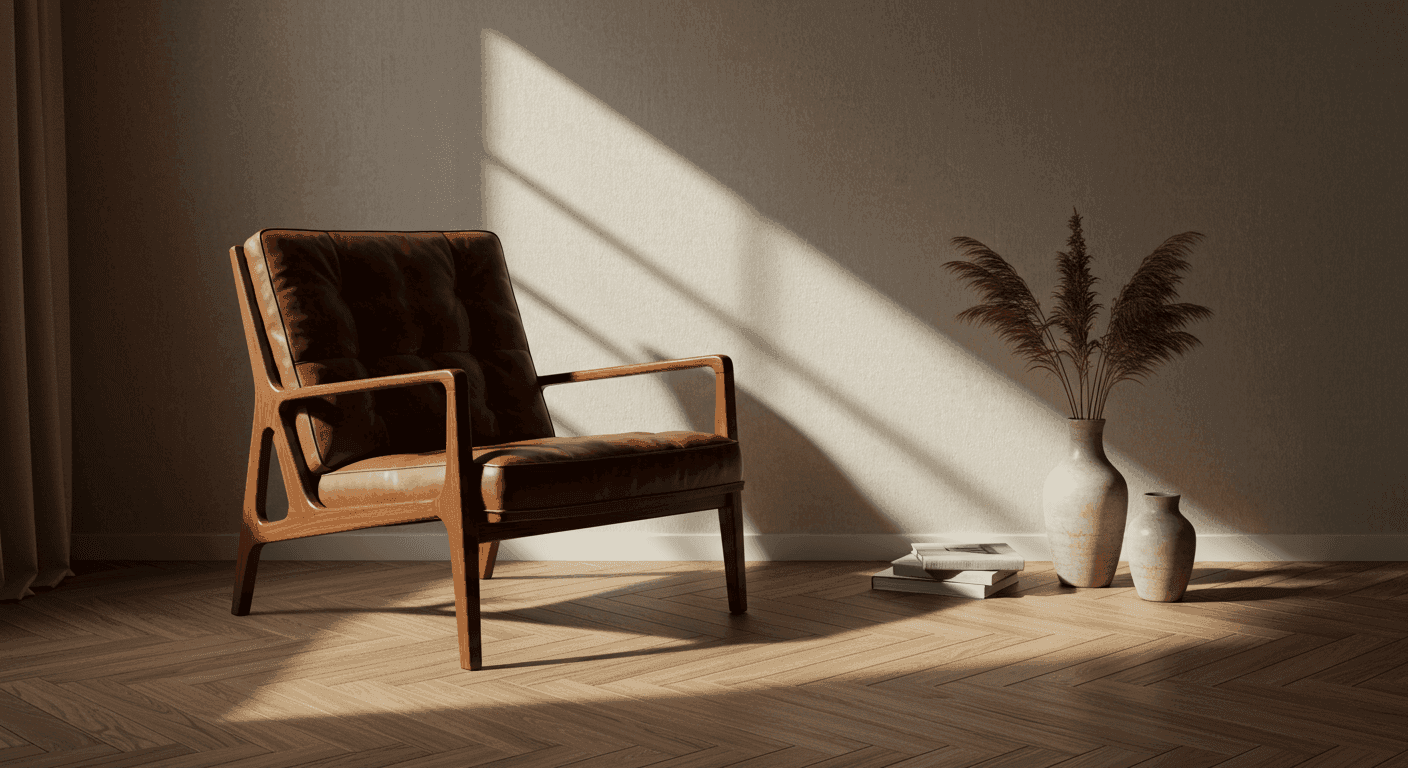
I think about this often when I walk through our curation room. We see chairs from the 1960s coming through that will outlast anything our team buys new for our own homes today. That asymmetry is the heart of the case for secondhand.
A claim I want to back up
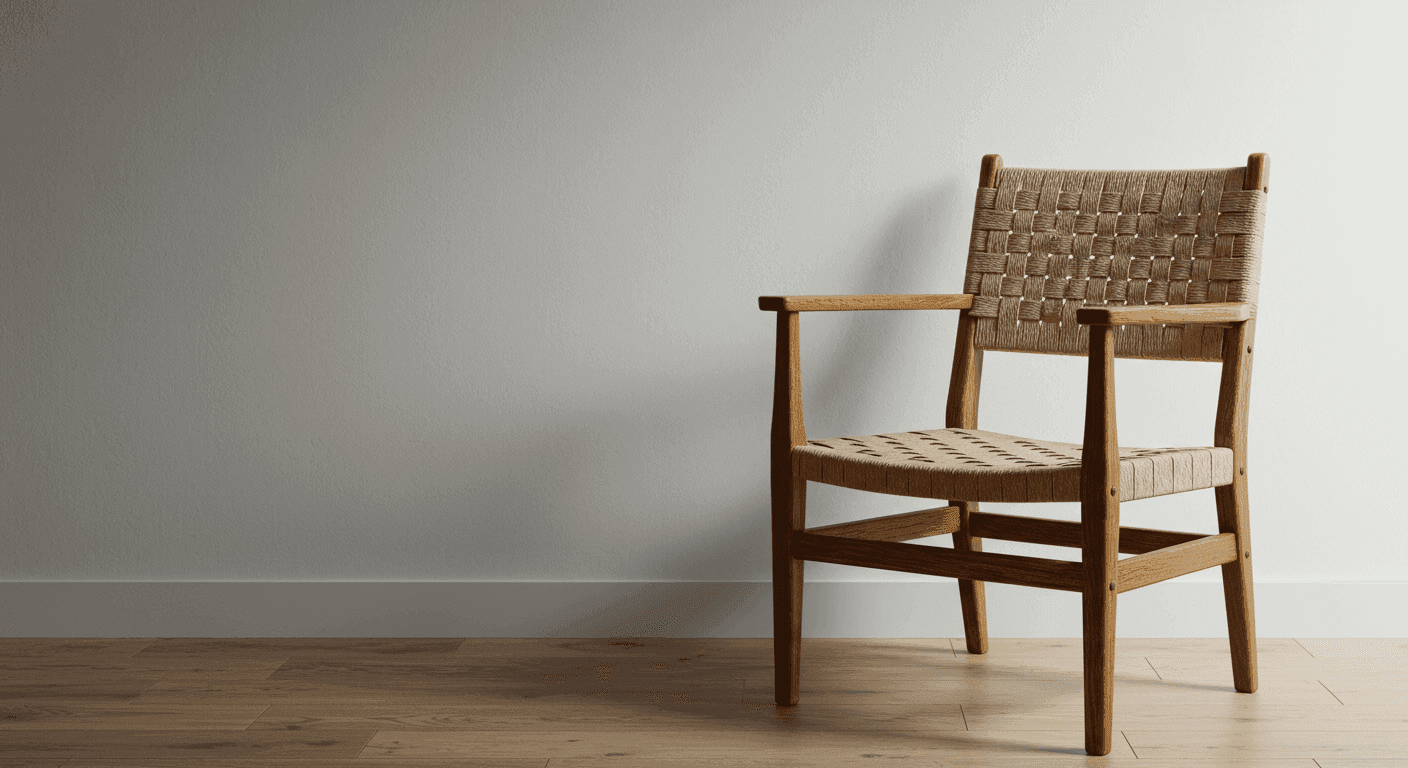
If you buy a Hans Wegner CH24 Wishbone chair made by Carl Hansen in 1965, and a typical contemporary mass-market dining chair from a 2025 catalogue, here is what happens to each over the next 60 years.
The Wegner is currently 60 years old. It has been re-corded once or twice (paper-cord seats wear at 25 to 30 years), the frame is intact, and the joinery is structurally sound. Over the next 60 years, it will need re-cording another two or three times (at a cost of about €120 each time) and possibly a refinishing of the wood once. At year 120, it will still be a Wegner Wishbone chair, structurally identical to today, with another century or more of useful life in it.
The 2025 mass-market dining chair is engineered for a useful life of 8 to 12 years. Around year 10 it will start to wobble at the joints. Around year 12 it will be discarded. Over a 60-year window, the typical household replaces this kind of chair 5 to 6 times.
The math is direct. One Wegner equals six mass-market chairs over the same time window. The Wegner costs around €600 vintage on Whoppah today. Six mass-market chairs at €150 each over 60 years is €900. The Wegner is cheaper, by a modest but real margin.
Why durability is structural, not nostalgic
I want to be careful here. The argument "they don't make them like they used to" is the kind of thing your grandfather might have said, and not everything from 1960 was well-made. Plenty of mid-century furniture was disposable junk at the time and is junk now.
What's different about the pieces that survived (and they're the only ones you'll find on Whoppah, because we curate out the rest) is that they were built to a specific durability standard. Hans Wegner's contract with Carl Hansen specified solid wood frames, hand-bent steam-formed components, mortise-and-tenon joinery on every load-bearing connection. Those choices were expensive in 1949 and they're expensive today. They were made because the brief, from FDB Møbler (the consumer cooperative that financed early Wegner work), was specifically "make furniture for Danish workers' homes that will last fifty years".
Compare with the typical 2025 mass-market chair. The frame is usually MDF or engineered wood (which fails at the joints over time). The joints are dowel-and-glue (which loosen with daily use). The finish is a thin spray lacquer (which abrades). Every individual choice is reasonable given the price point, and each shortens the chair's life.
The compounding economic case
Let me extend the math beyond chairs.
A new mid-tier upholstered sofa, say €1,200 from a catalogue brand, lasts 8 to 12 years in average household use. A buyer who replaces it five times over 60 years spends €6,000 total (and the cost of new sofas has risen at roughly 2.8% annually for 30 years, so the real cost is higher).
A 1970s vintage upholstered designer sofa (say, a Mario Bellini Camaleonda module or a Pierre Paulin Tongue) costs €1,800 to €4,000 used today. Over 60 years it needs reupholstery roughly once at €600 to €1,000. Total cost over the same 60-year window: €2,400 to €5,000.
The vintage piece is significantly cheaper over a lifetime, and at year 60 you still have it. The mass-market alternative has been to landfill five times.
Where this argument fails
I'd be misleading you if I didn't flag the cases where the durability argument doesn't work.
If you're furnishing a rental you'll leave in two years, the lifecycle math doesn't work. Buy good-enough new furniture, leave it for the next tenant or sell it on, and move on.
If you have small children who will draw on every surface for the next decade, the most expensive piece in the room is going to take damage no matter how well it was made in 1960. Wait until the children are older.
If you're genuinely buying a designer piece as an aesthetic object rather than for daily use, the durability argument doesn't apply because you're not using the chair the way Wegner designed it to be used.
For everyone else (the majority of buyers, the majority of households), the durability case for vintage designer furniture is straightforward and compounding.
What "well-made" actually looks like
Three checks I'd run before buying any chair, vintage or new:
First, the joint construction. Look under the seat. Mortise-and-tenon or dovetail joints, glued and ideally pegged, indicate the maker expected the chair to last. Dowels with glue indicate a shorter expected life. Pocket screws or staples indicate a much shorter one.
Second, the frame material. Solid hardwood (oak, beech, walnut, teak) is structurally stable for centuries. Engineered hardwood (laminated bent plywood done well) is also good. MDF cores, particleboard, or unstable softwoods like pine are not.
Third, the finish. Original waxed or oiled finishes age beautifully and can be refreshed. Original spray lacquers are mid-tier. Modern polyurethane coatings on a piece that will see daily use are durable but ugly when they chip.
If a piece passes those three checks, it has a real chance of being in your great-grandchild's apartment in 100 years. That is the kind of object worth bringing home.