Opgehaald en bezorgd vanaf €29KopersbeschermingAlle Designer items gecureerd door Whoppah Download de Whoppah App. Altijd op de hoogte.
Opgehaald en bezorgd vanaf €29
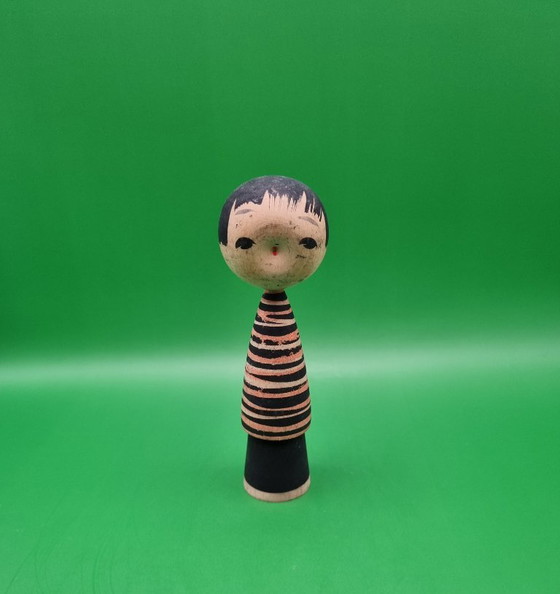
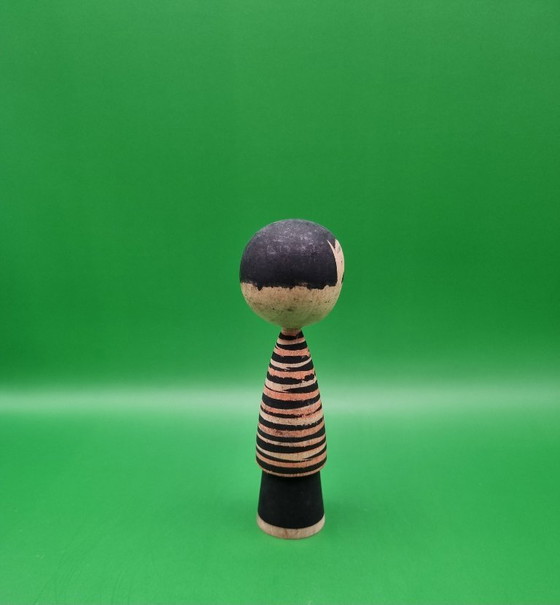
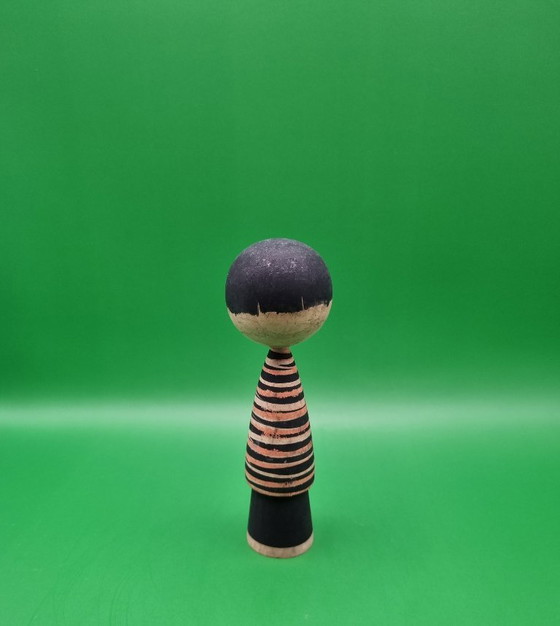
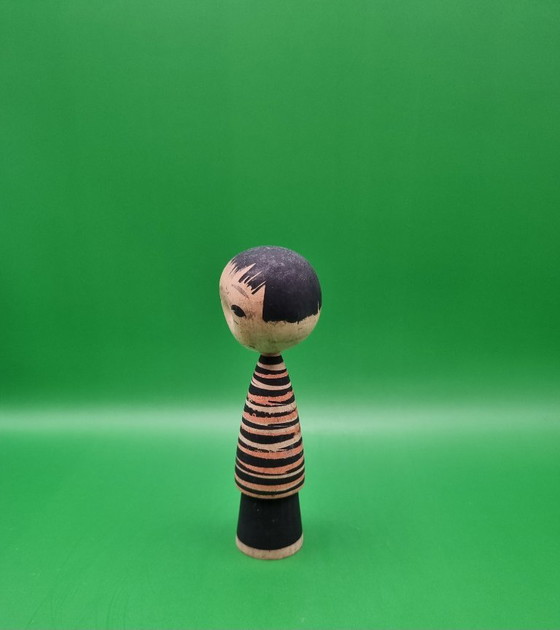
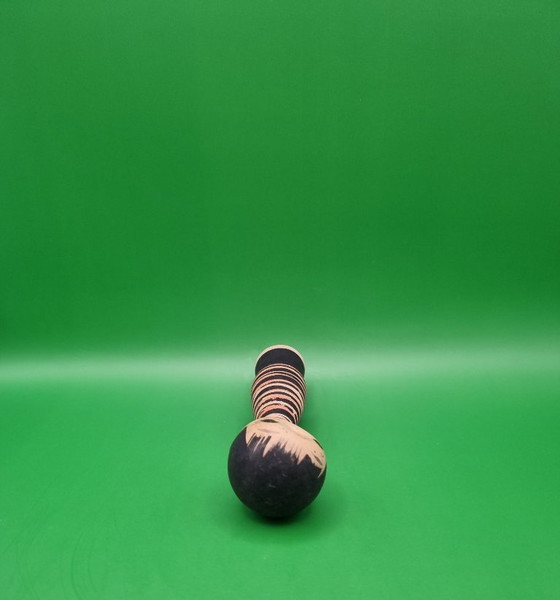
Vintage Negai Kokeshi van Akira Yoshine
€ 55,-Bied vanaf € 47,-
Koop met vertrouwen
Koop & betaal veilig met KopersbeschermingAlle designeritems door Whoppah gecureerdWe betalen de verkoper pas uit als jij het item goed hebt ontvangenVertrouwde betaalmethoden


Over deze verkoper
Particuliere verkoperProductomschrijving
Vintage Negai Kokeshi van Akira Yoshine.
Negai (願い), is in het Japans "Wens" of "Verlangen".
Akira Yoshine is een gerespecteerd ambachtsman uit de gouden eeuw van de naoorlogse Japanse Sōsaku (Creatieve) Kokeshi, die vooral actief was tijdens de Shōwa-periode van de jaren 60 tot de jaren 70). Hoewel gedetailleerde persoonlijke biografische gegevens (zoals zijn exacte geboortedatum en geboorteplaats) zeer schaars zijn vanwege het gebrek aan bewaard gebleven documentatie van onafhankelijke werkplaatsen uit het midden van de vorige eeuw, is zijn artistieke nalatenschap goed gedefinieerd door zijn creaties. Yoshine's technische basis is geworteld in de Togatta-traditie (Togatta-kei) van het traditionele kokeshi-maken. Traditionele Togatta-poppen staan bekend om hun kenmerkende smalle, langwerpige lichamen en ingewikkelde, handgeschilderde bloemmotieven (zoals gelaagde goudsbloemen en chrysanten). Yoshine nam de traditionele proporties en liet de drukke bloemmotieven weg, en koos in plaats daarvan voor een zeer minimalistische, grafische look. Hij pleitte voor het gebruik van strakke, contrasterende, gedraaide lijnen (rokuro-moyo) om een opvallende "pop-art"-uitstraling te creëren die aansloot bij de snel moderniserende interieurtrends van het Japan van de jaren 70.
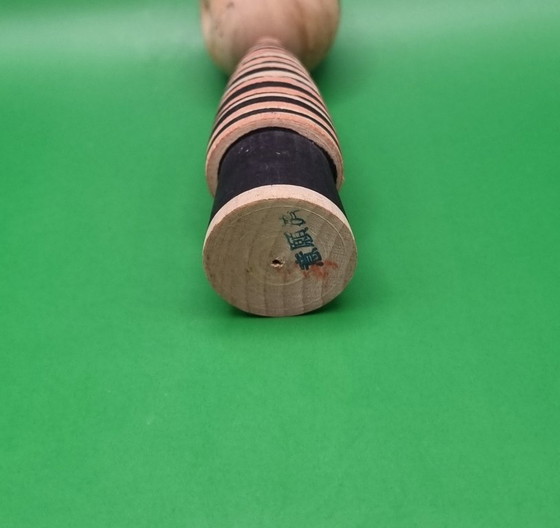
Bij deze pop staat onderop de signatuur en "Aanvraag voor ontwerpregistratie ingediend" of "Ontwerpoctrooi aangevraagd". Tijdens de hoogtijdagen van de naoorlogse Sōsaku (Creatieve) Kokeshi-poppen in de jaren 60 en 70 begonnen grotere souvenirfabrieken de originele ontwerpen van de kunstenaars snel te kopiëren om goedkope namaakproducten massaal te produceren.
Om hun intellectuele eigendom te beschermen, begonnen topambachtslieden en hoogwaardige ateliers hun specifieke sculpturale vormen te registreren bij het Japanse octrooibureau.
De hoogte is 11 cm, voor de conditie bekijk de foto's.
Let op: de kokeshi-poppen zijn niet nieuw, dus er zullen altijd in meer of mindere mate krassen, verkleuringen en/of scheurtjes aanwezig zijn.
=========================================================
Vintage Negai Kokeshi by Akira Yoshine.
Negai (願い) means "Wish" or "Desire" in Japanese.
Akira Yoshine is a respected artisan from the golden age of post-war Japanese Sōsaku (Creative) Kokeshi, who was particularly active during the Shōwa period from the 1960s to the 1970s. Although detailed personal biographical information (such as his exact date and place of birth) is very scarce due to the lack of preserved documentation from independent workshops from the middle of the last century, his artistic legacy is well-defined through his creations. Yoshine's technical foundation is rooted in the Togatta tradition (Togatta-kei) of traditional kokeshi making. Traditional Togatta dolls are known for their distinctive narrow, elongated bodies and intricate, hand-painted floral motifs (such as layered marigolds and chrysanthemums). Yoshine adopted traditional proportions and dispensed with busy floral motifs, opting instead for a very minimalist, graphic look. He advocated for the use of clean, contrasting, twisted lines (rokuro-moyo) to create a striking "pop art" appearance that aligned with the rapidly modernizing interior trends of 1970s Japan.
On the bottom of this doll is the signature and "Design Registration Application Filed" or "Design Patent Pending". During the heyday of post-war Sōsaku (Creative) Kokeshi dolls in the 1960s and 70s, larger souvenir factories began rapidly copying the artists' original designs to mass-produce cheap counterfeits.
To protect their intellectual property, top artisans and high-end studios began registering their specific sculptural forms with the Japanese Patent Office.
The height is 11 cm; please view the photos for the condition. Please note: the kokeshi dolls are not new, so there will always be scratches, discoloration, and/or cracks to a greater or lesser extent.
Specificaties
ConditieGoedKleurenMeerdere kleurenMateriaalHoutAantal stuks1Hoogte11 cmBreedte4 cmDiepte3 cmGebruikssporenVerkleuring, Krassen, Vlekken
Ontdek meer
Verkopersinformatie
Over deze verkoper
Particuliere verkoperKerkrade, NederlandOp Whoppah sinds april 2023 • 0 verkopen